Museums
Embassy of the Free Mind
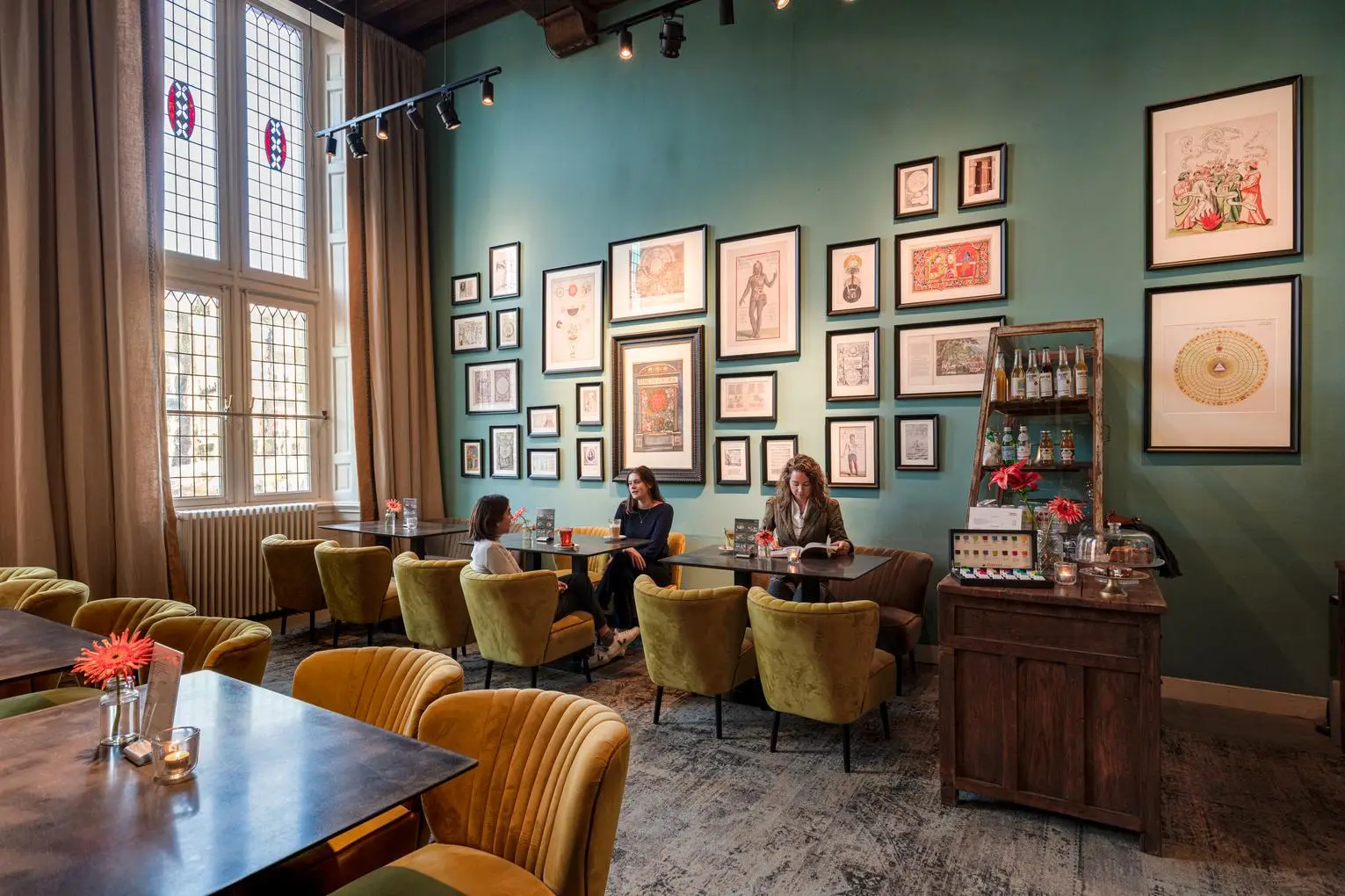
Image from Embassy of the Free Mind
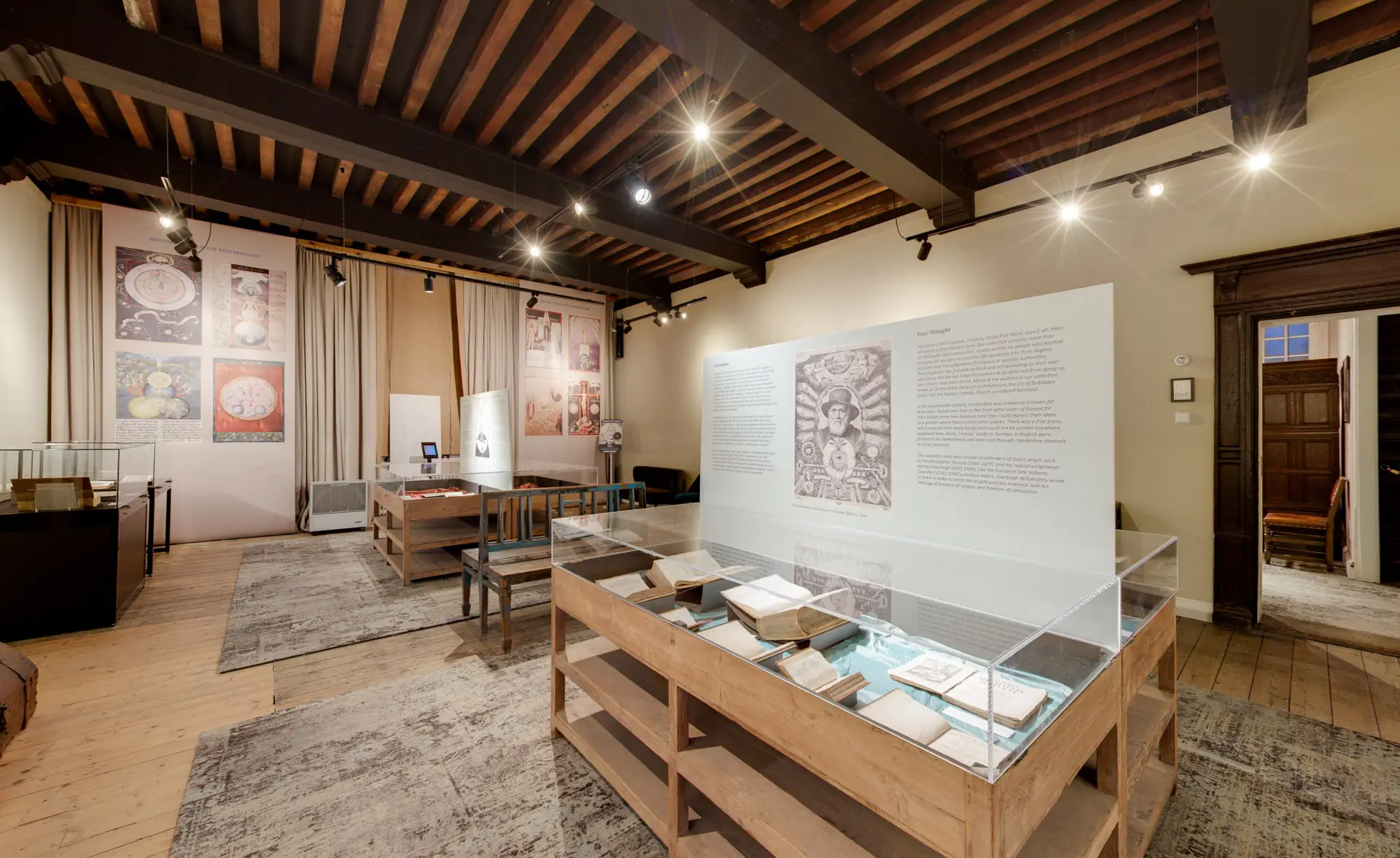
Image from Embassy of the Free Mind
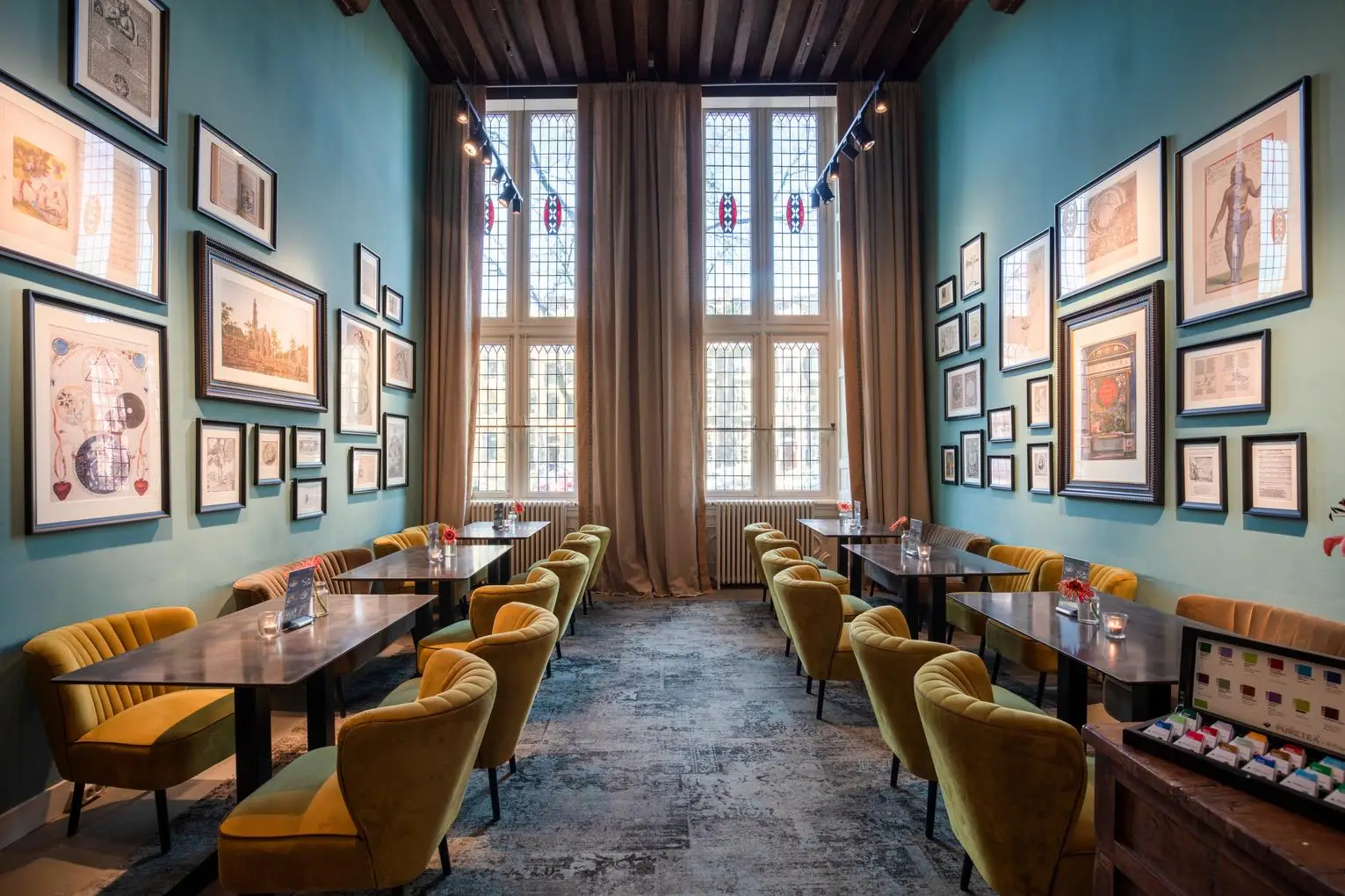
Image from Embassy of the Free Mind
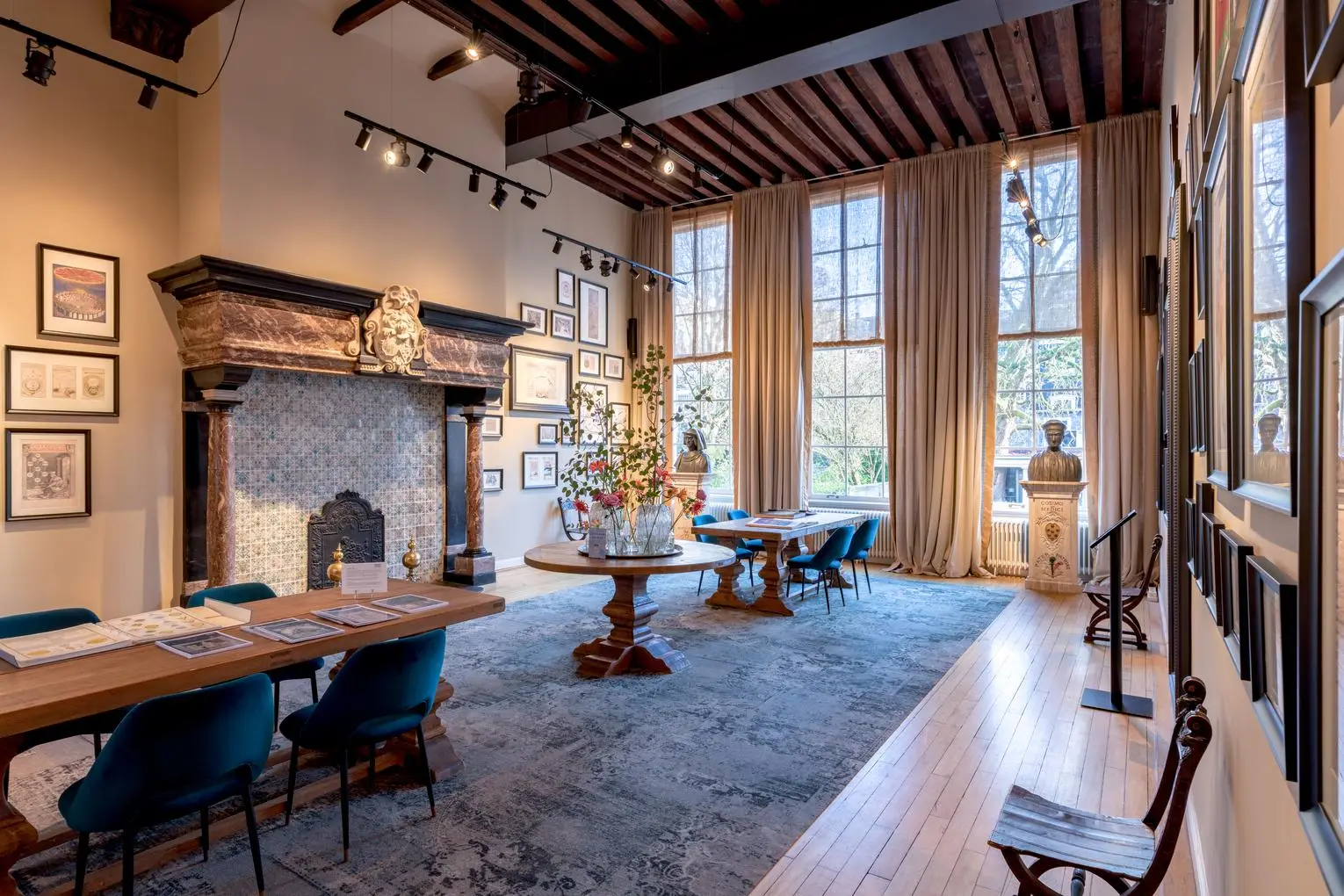
Image from Embassy of the Free Mind
Slide 1 of 4
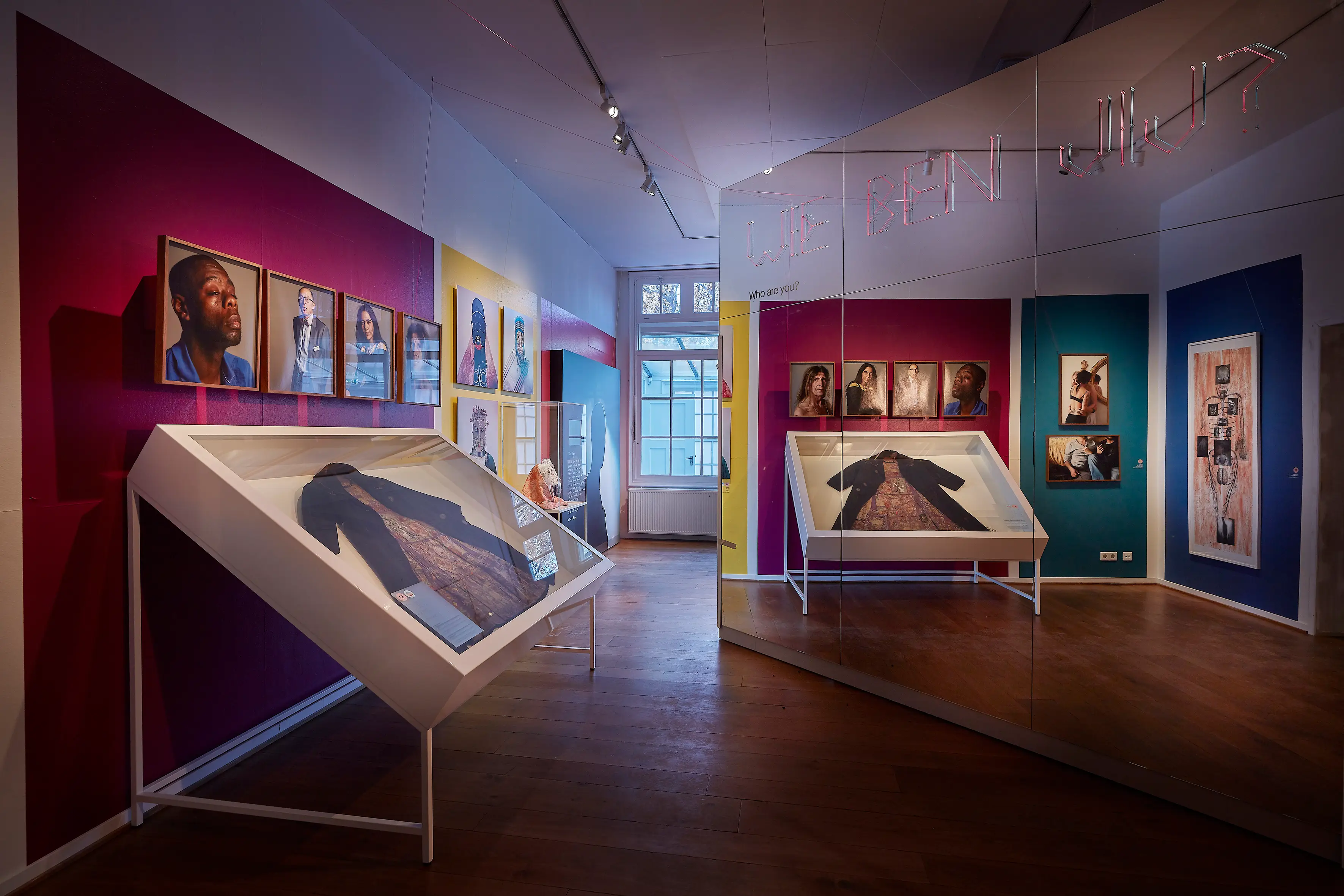
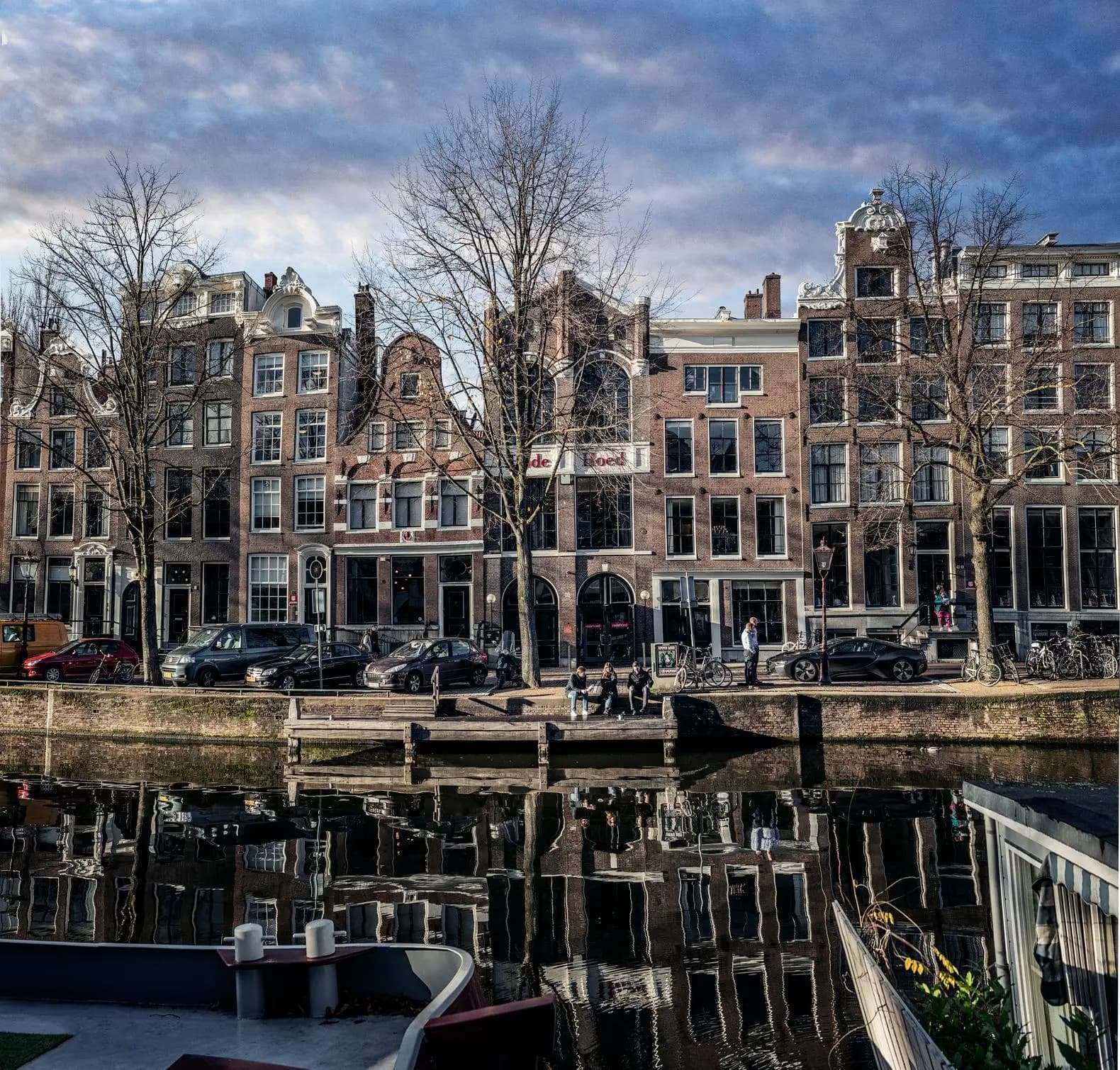
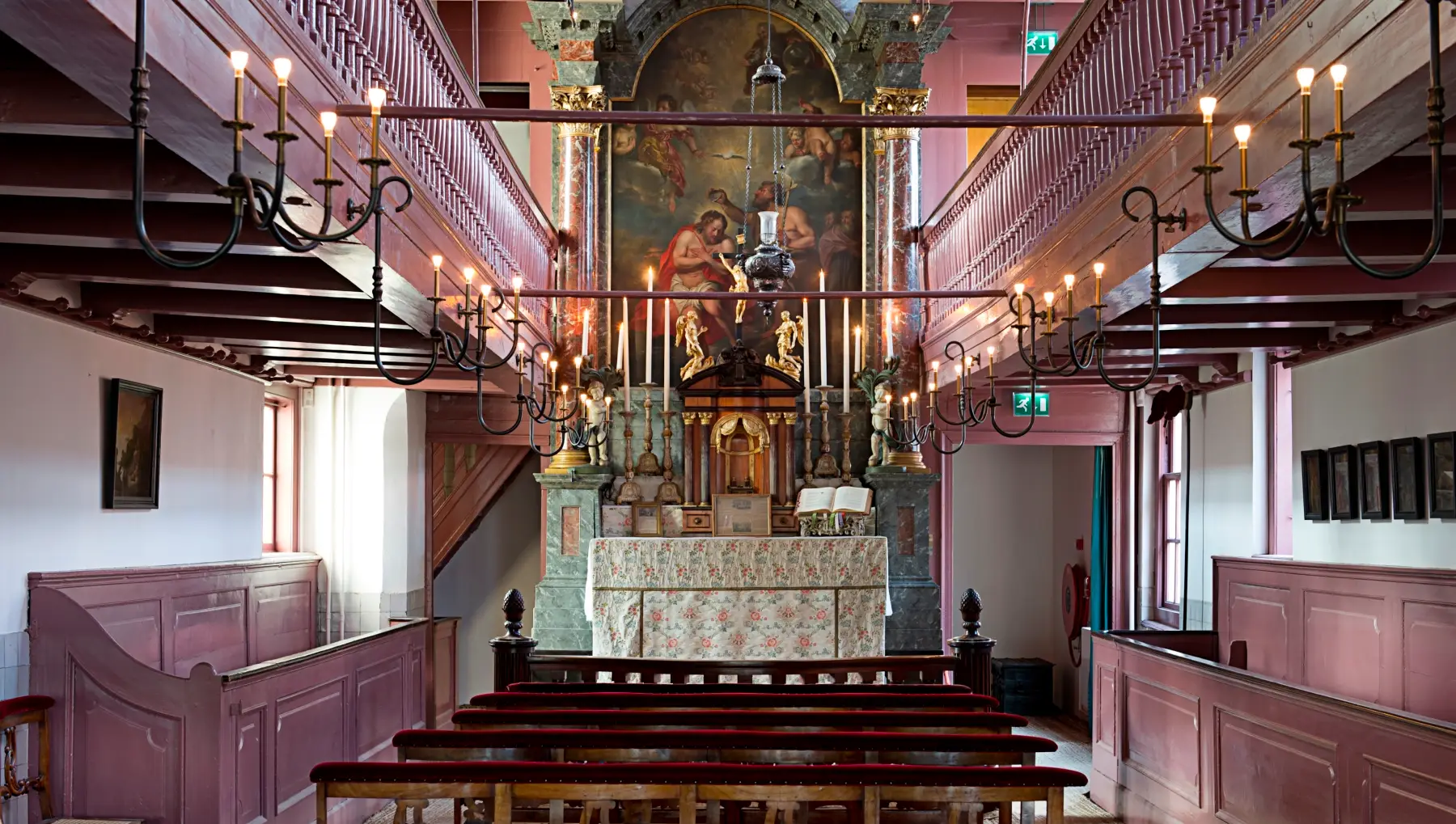
The Embassy of the Free Mind is a museum library in a historic building from 1622 located on the Keizersgracht in Amsterdam. It is a platform for free-thinking, inspired by the ideas of the Bibliotheca Philosophica Hermetica Collection. You will find beautiful prints from the books of, among others, 17th-century free thinkers. Everyone is welcome!
Embassy of the Free Mind
Opening hours
Open until 17:00
Wednesday
10:00 - 17:00
Thursday
10:00 - 17:00
Friday
10:00 - 17:00
Saturday
10:00 - 17:00
Sunday
10:00 - 17:00
Accessibility
 General accessibility provisions and information
Present, available or allowed
- Service dog allowed

- Personal assistant

- Wheelchair accessible entrance

 Provisions for people with reduced mobility
Present, available or allowed
- Stairs with handrail

- Mobile payment

 Provisions for people who are blind or partially sighted
Present, available or allowed
- Sensory experience

- Audio description

Not present, not available or not allowed
- Guide lines

- Hearing loop (t-coil or headphones)

- Sign language interpretation provided

- Closed captioning

- Open captioning

- Hidden disability Sunflower-keycord recognised here

- Low stimulus hours

- Accessible information

- Material in Braille

- Lift

- Passageways that are sufficiently wide

- Accessible restroom