Art and exhibitions in the Amsterdam Area
23 June 2026
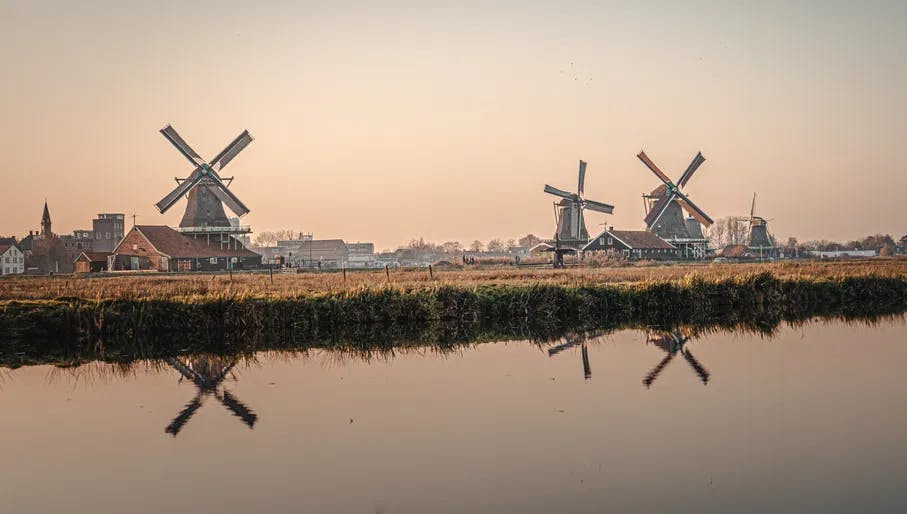
There’s nothing as quintessentially Dutch as the view of windmills along the flat green plains and waterways of the local countryside. Zaanse Schans captures this timeless experience with its historic windmills dating back to the 17th and 18th centuries. Begin your walk past the windmills along the picturesque Zaan River and continue on foot to the Zaanse Museum, which sits at the entrance to the Zaanse Schans. As you wander, you’ll pass traditional wooden houses and waterfront views that reveal how the power of wind has been enmeshed with Dutch industry for centuries.
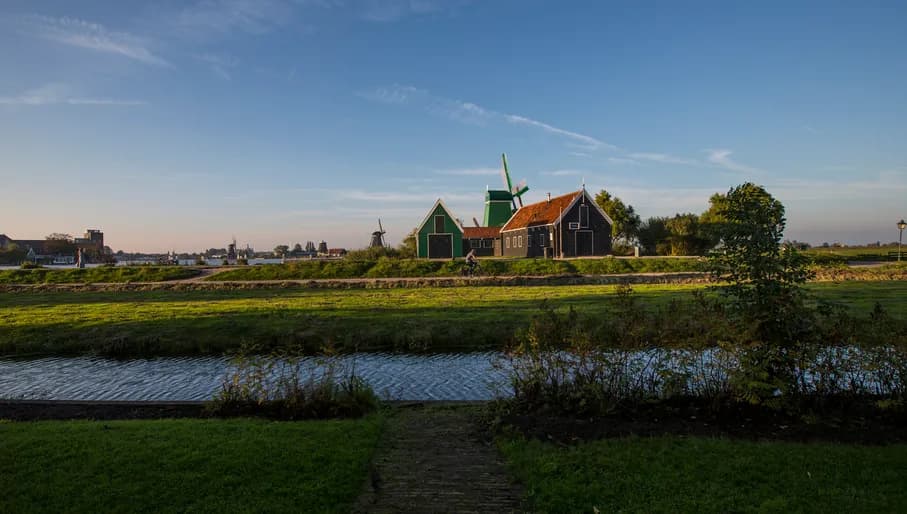
Part of the charm of this town lies in artisans’ workshops that are still active today. For hundreds of years, craftsmen have been practising their trades, the most iconic of which is making clogs (wooden shoes that have undoubtedly become synonymous with Dutch culture). Cheesemaking is also on the agenda, as the Netherlands is hailed worldwide for its high-quality cheeses. You can even take part in some of these workshops yourself, continuing a living tradition that spans many centuries.
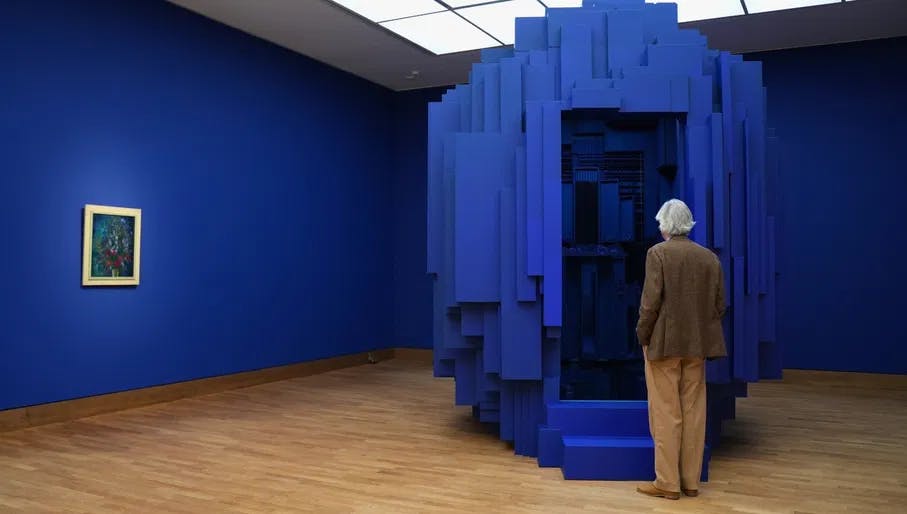
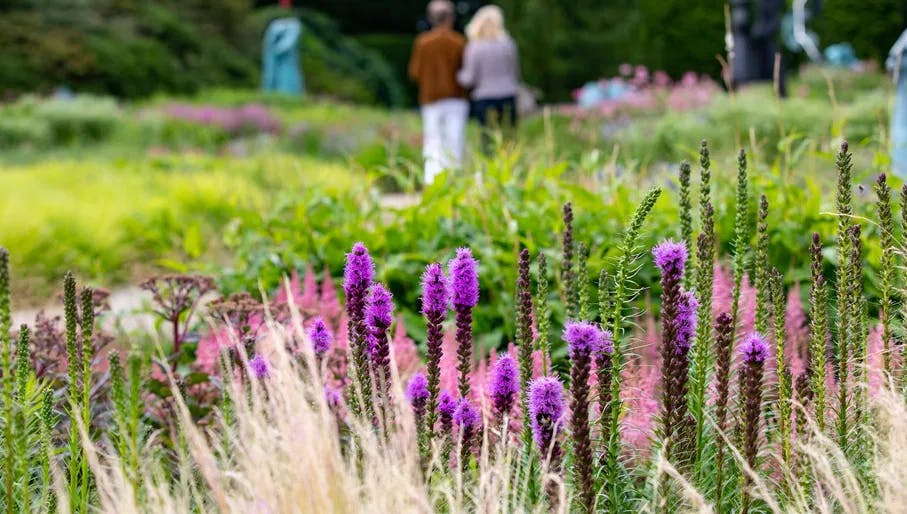
Tucked among the lush forests and heathlands of the Gooi region to the south-east of Amsterdam, Laren is a village where art, history and nature come to a unique convergence. What was once a quiet farming community became a magnet for artists in the late 19th century and is now known as an enclave for some of the most affluent residents in the region. Start your walk in the heart of the village, where the twin spires of the Sint-Jansbasiliek rise above Laren’s quaint streets. This impressive church has been a place of pilgrimage for centuries, most famously during the annual St. John’s procession, when thousands gather to honour the village’s religious traditions. From here, you’ll wander through the charming old lanes and admire the thatched farmhouses and carefully preserved buildings that point to Laren’s origins as an agricultural town.
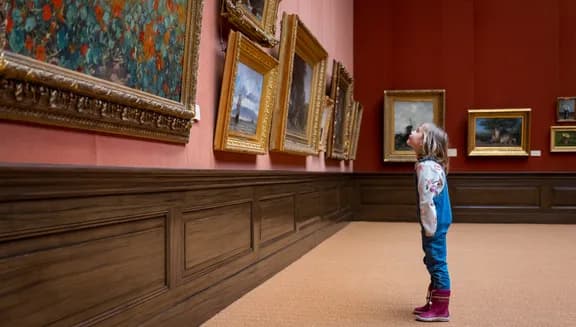
Continue on towards the Singer Laren Museum, which serves as the cultural centrepiece of the village. Founded by American artist couple William and Anna Singer, the museum celebrates the artists who transformed Laren into one of the Netherlands’ most important artist settlements. The museum features artworks inspired by the local Larense School – a style of painting that incorporated the surrounding pastoral landscape – as well as a host of other Dutch modernist and impressionist works.
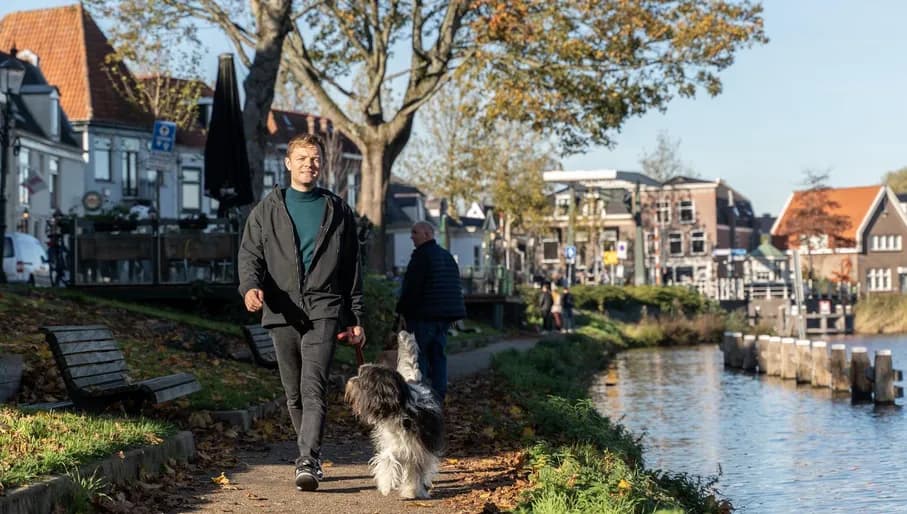
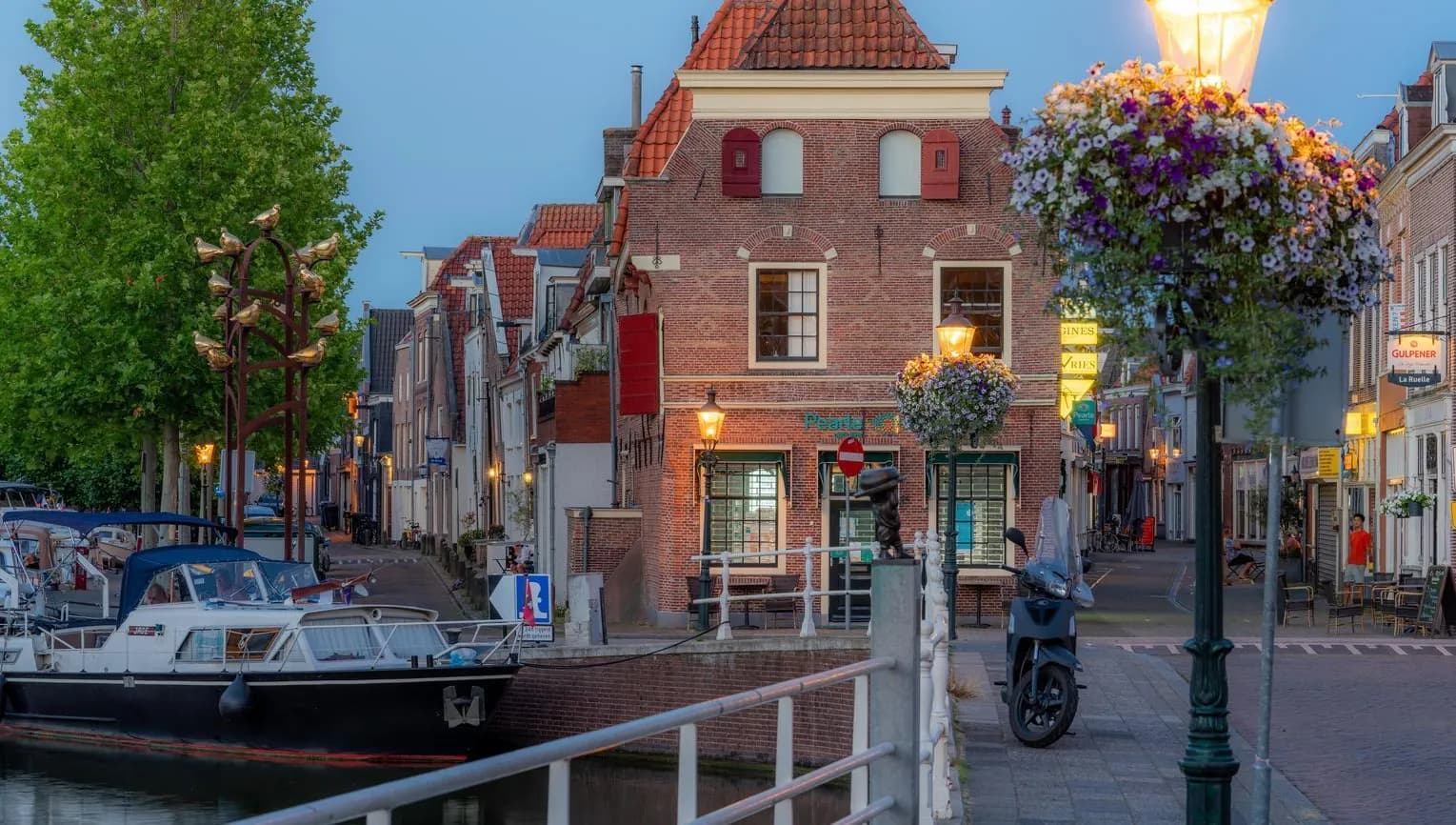
As the most recent addition to Amsterdam’s city limits, Weesp is a quiet riverside town that offers centuries of history and plenty of character. This distinctive village is often overlooked in favour of better-known destinations, but Weesp is rife with cultural sights and sounds. While its charming appeal – imagine canal-side streets and elegant façades, picturesque bridges and plenty of waterfront views – is the town’s biggest draw, it also has a larger story to tell. As both a former fortress town, an important trading hub, and the birthplace of Dutch porcelain, Weesp is a place where history lurks around every corner.
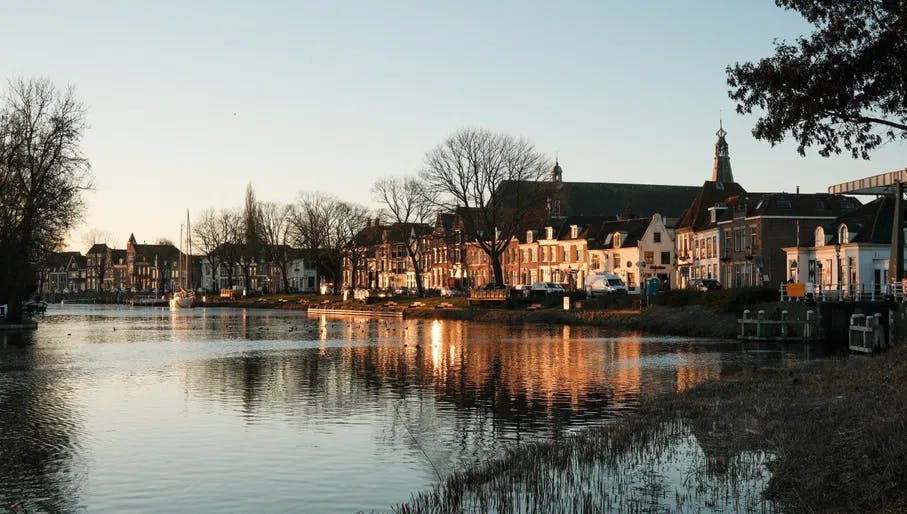
Any walk in Weesp is bound to start at the Ossenmarkt, one of the town’s picture-perfect squares. It’s here that you’ll find Fort Ossenmarkt – one of the many fantastic forts in the area – a 19th-century structure built as part of the defensive fortifications of the Dutch Waterline. This ingenious defence system used intentional flooding to keep invaders at bay, achieved through a complex system of dykes and forts. Weesp once played a strategic role in protecting the region in this way, and you’ll find traces of its history throughout if you keep your eyes peeled. Continue on to the Sint-Laurenskerk – or the Grote Kerk, as locals call it – a medieval church with an impressive vantage point right on the water. The Sint Laurenskerk has presided over Weesp since the 15th century, and remains an important part of the city’s landscape. Truly dive into the town’s history by heading to Museum Weesp, located in what was once the town hall. Here you can explore the town’s unique confluence of histories, from its strategic importance on the Waterline to its famed porcelain production.