Exhibitions

Masterpiece Amsterdam. How was the city depicted in the 17th century?
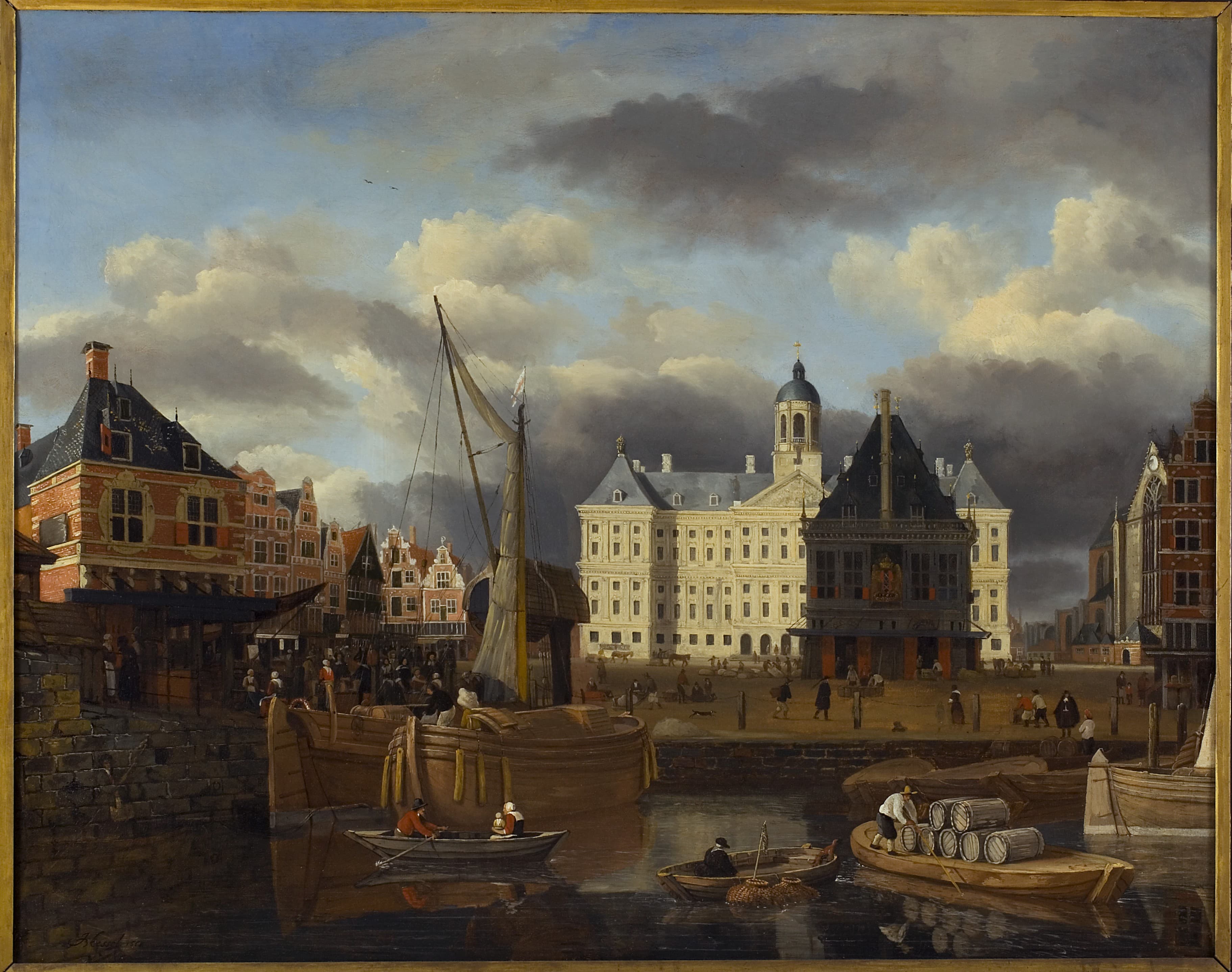
1/3
Slide 1 of 3

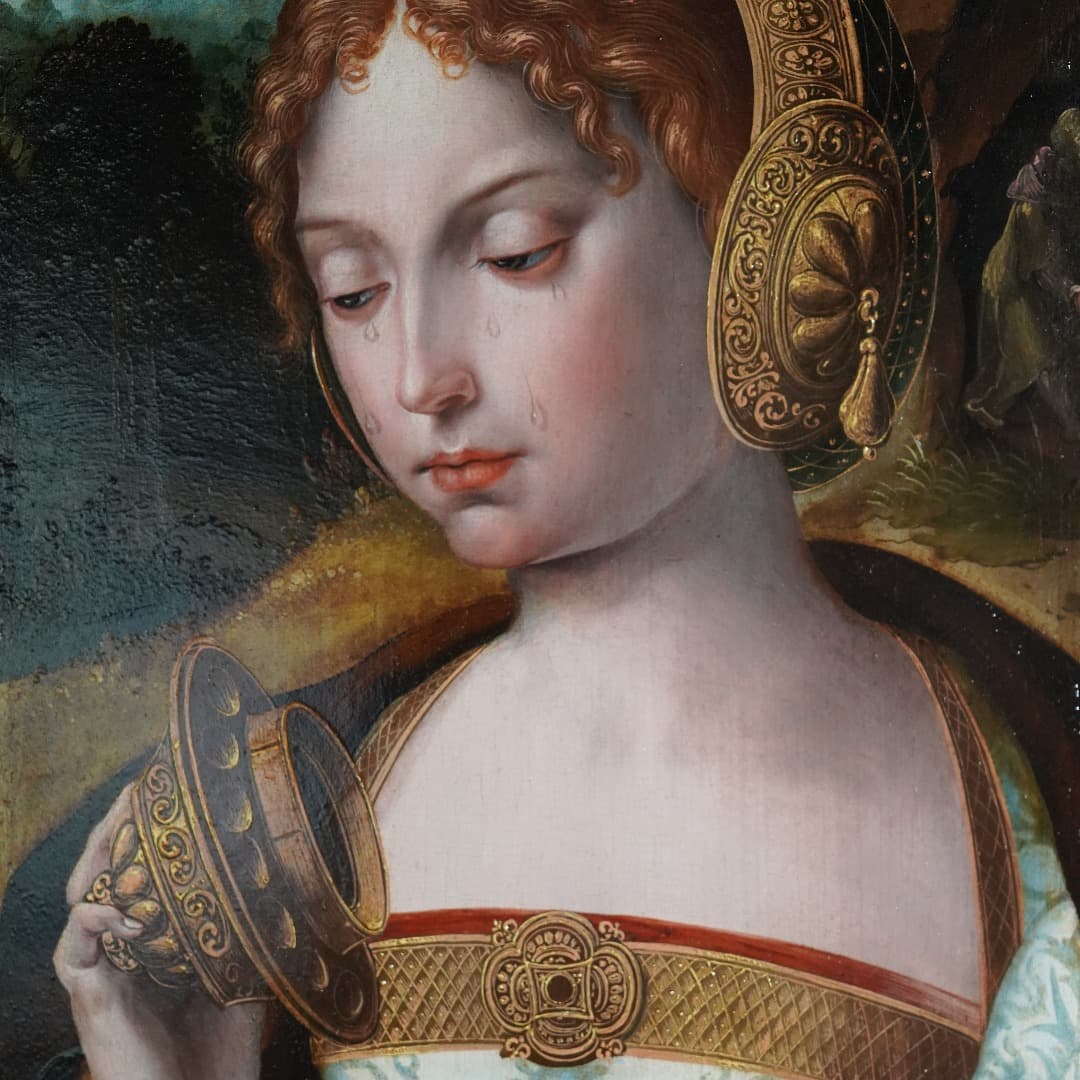
In the 17th century, Amsterdam transformed from a medium-sized port city into a powerful global city. Artists captured this spectacular growth in cityscapes that not only show what Amsterdam looked like, but also how the city wanted to be seen: as a wealthy, powerful and innovative city with a respectable past. For the first time, the most beautiful and iconic cityscapes from this period are brought together in the exhibition Meesterwerk Amsterdam. This collaboration between the Stadsarchief Amsterdam and the Amsterdam Museum celebrates not only the visual legacy of the city, but also the 100th anniversary of the Amsterdam Museum.

Masterpiece Amsterdam. How was the city depicted in the 17th century?

Location

Stadsarchief Amsterdam - De Bazel, Vijzelstraat 32, 1017 HL Amsterdam
Show in Google Maps

A glimpse into daily life in the 17th century

The exhibition takes you on a journey through the growing city. From the construction of the grachtengordel to the imposing new town hall on the Dam, from lively markets to the bustle of ships on the IJ: the cityscapes show a city in motion. At the same time, they offer a glimpse into daily life in the 17th century, and into the diversity of society at that time. It is the people who gave Amsterdam its rhythm and meaning, and their stories are still relevant.

A historic collaboration

The exhibition is a special collaboration between Stadsarchief Amsterdam and the Amsterdam Museum. The temporary closure of the main location of the Amsterdam Museum offers the opportunity to bring together masterpieces from both collections, supplemented by special loans from home and abroad. This collaboration marks the 100th anniversary of the Amsterdam Museum, which has been collecting and sharing the city's stories since 1926. Meesterwerk Amsterdam is a tribute to the rich history of the city and to the role of both institutions in preserving and presenting this heritage.

The emergence of an image tradition: pride, power and city marketing

The exhibition shows how cityscapes were used as propaganda, city marketing and how this new genre developed. Visitors discover how artists manipulated reality when it benefited the ‘truthfulness’ of the cityscape: the experience of the image and the place was more important than the exact representation of the actual situation. The exhibition allows visitors to look over the shoulders of the artists, as it were.

Audio tour

What did Amsterdam sound and look like when Rembrandt walked through the city? What happened behind the facades, on the quays in the harbour and in the busy markets where people from all corners of the world met? With an audio tour in Dutch and English, the cityscapes come to life. Stories, sounds and surprising details make the exhibition accessible to a wide audience.

Publication and public programme

A richly illustrated book in Dutch and English will be published to accompany the exhibition. The public can also participate in lectures, workshops and city walks. These cover themes such as urban growth, migration, identity and the connection between the Amsterdam of then and now. There is also a suitable offer for children and families.

Accessibility

General accessibility provisions and information

Present, available or allowed

  • Service dog allowed
  • Wheelchair accessible entrance

Provisions for people with reduced mobility

Present, available or allowed

  • Stairs with handrail
  • Lift
  • Passageways that are sufficiently wide
  • Accessible restroom

Not present, not available or not allowed

  • Personal assistant
  • Guide lines
  • Hearing loop (t-coil or headphones)
  • Sign language interpretation provided
  • Closed captioning
  • Open captioning
  • Hidden disability Sunflower-keycord recognised here
  • Low stimulus hours
  • Sensory experience
  • Audio description
  • Accessible information
  • Material in Braille
  • Mobile payment

Similar in Amsterdam

Others also read