Public gardens walking route
7 April 2025
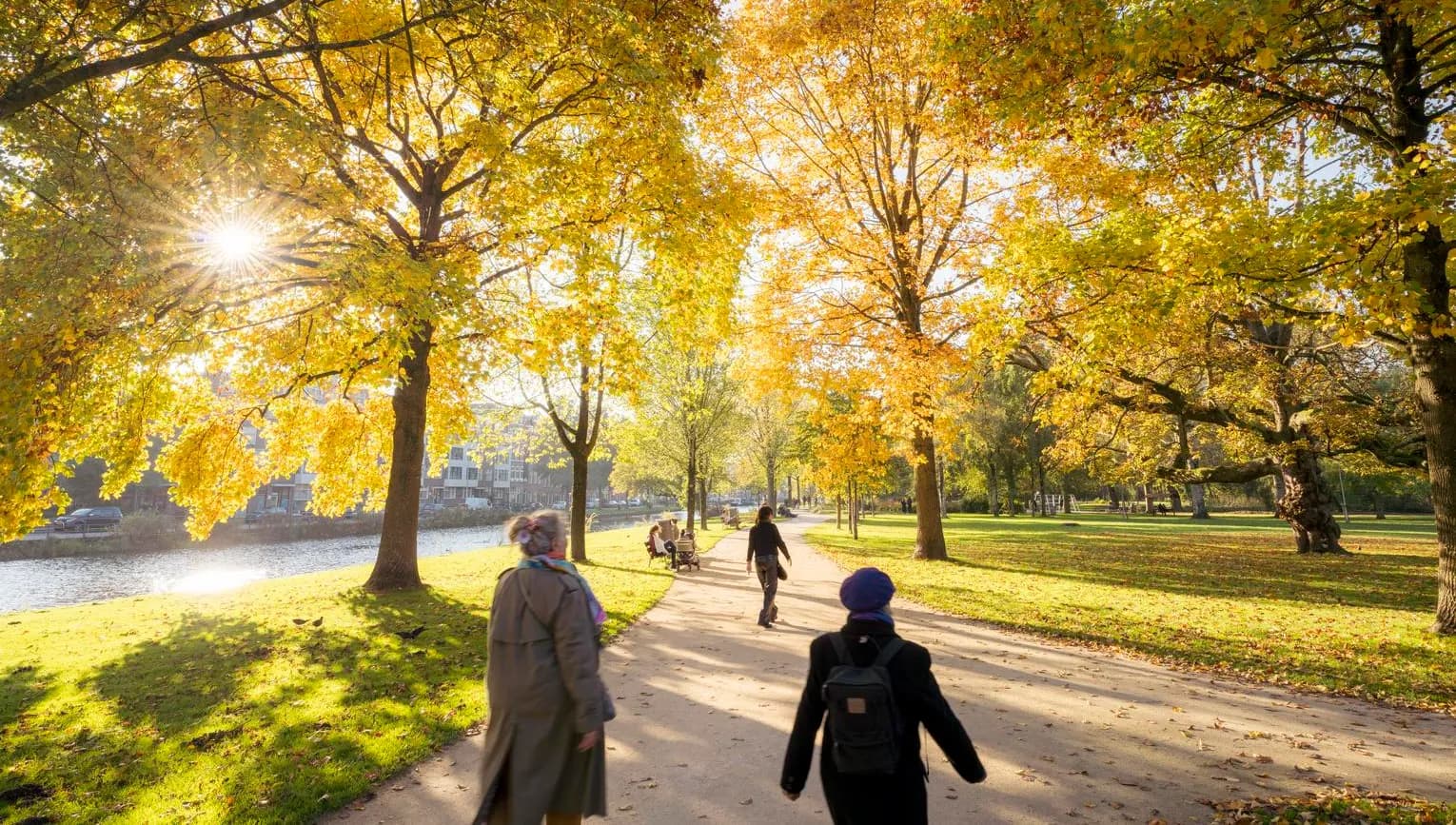

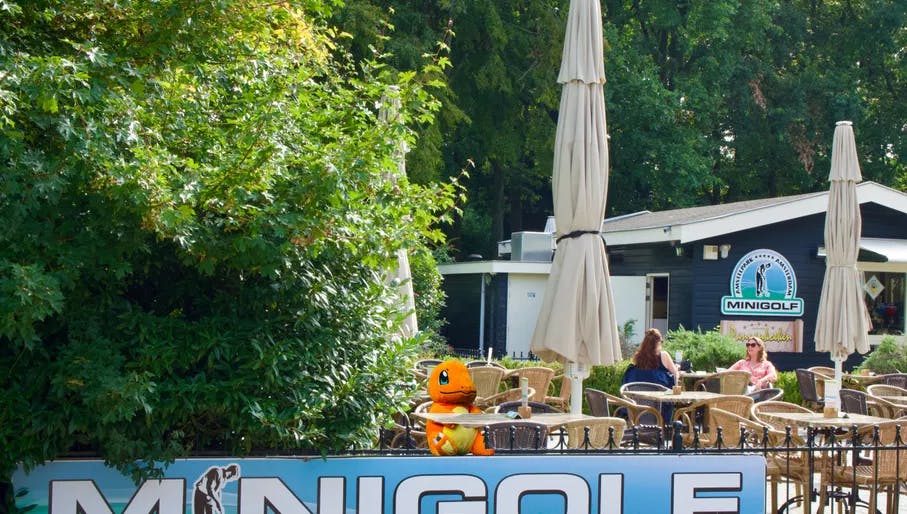
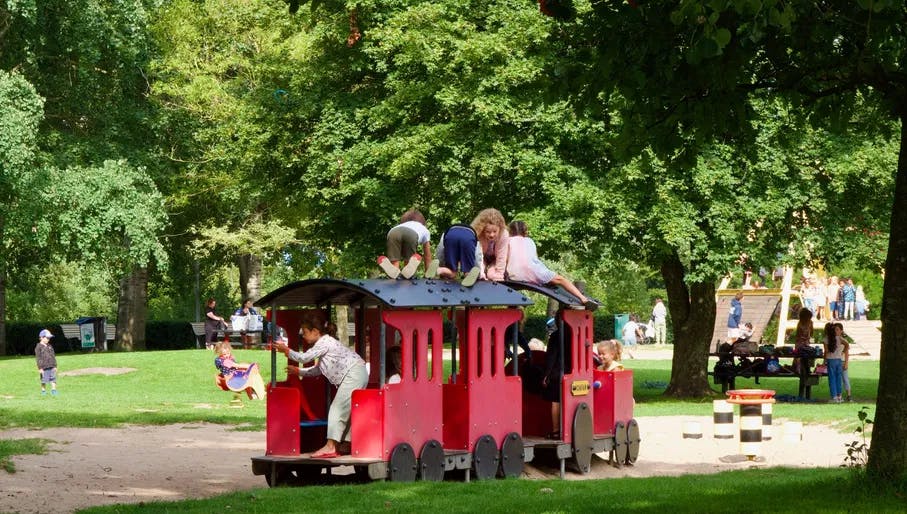
Located along the banks of the Amstel River, Amstelpark is a large green space covered in trees. At its southern end, you’ll find the Riekermolen (Rieter windmill) and, within the grounds, an orangery, rose garden and even a Japanese garden. It’s a popular place for families thanks to mini-golf, a labyrinth, a miniature train, and a petting zoo.
What to see in Amstelpark:
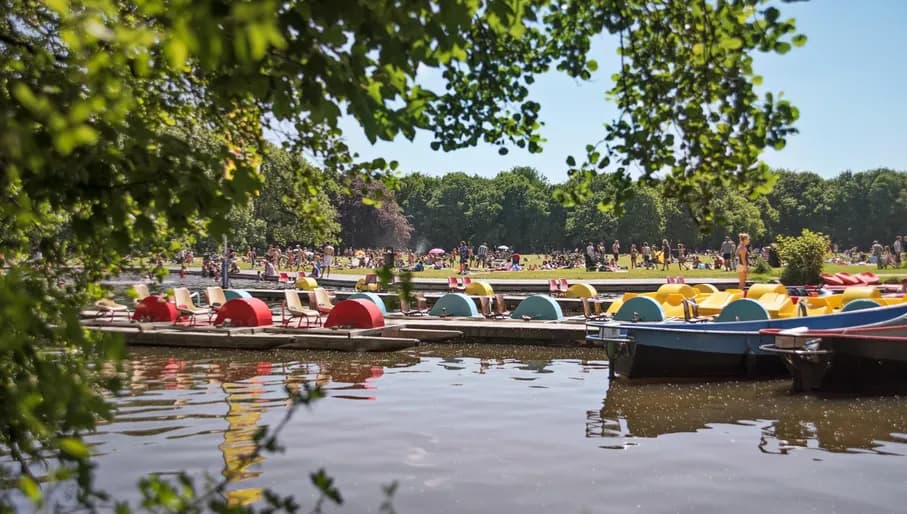
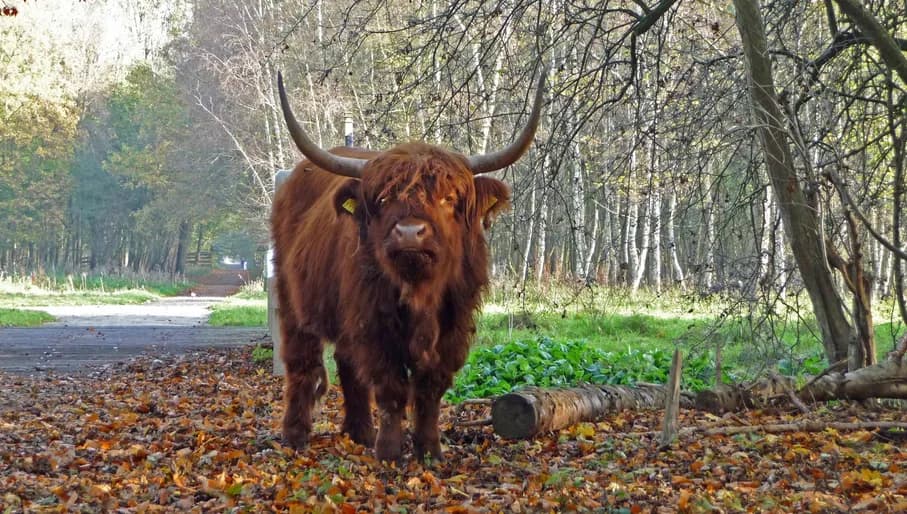
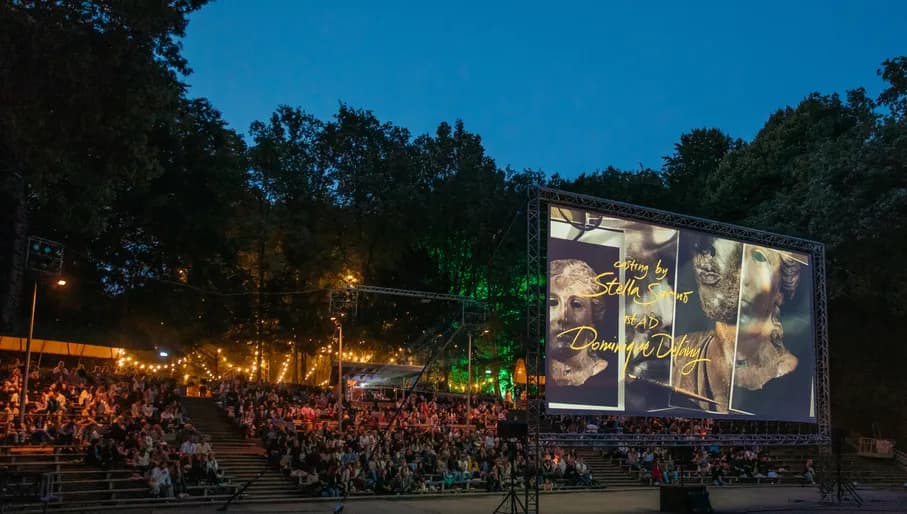
Amsterdam’s largest park, the Amsterdamse Bos, is in Amstelveen and has much to offer. You’ll find several attractions in its vast area, including the Bosbaan, a rowing course that regularly hosts the World Rowing Championship. Along with ponds suitable for swimming, an open-air theatre - the Bostheater, and camping facilities, the park also has a fabulous forest with dazzling cherry blossoms in spring. Keep your eye out for Scottish Highlanders as you wander this beautiful spot in the city and naturists if you venture near De Zonneweide.
What to see:
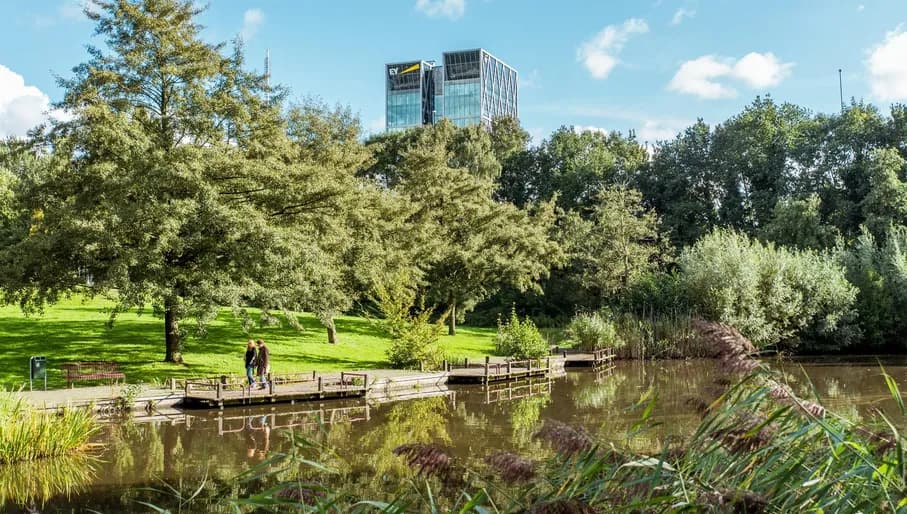
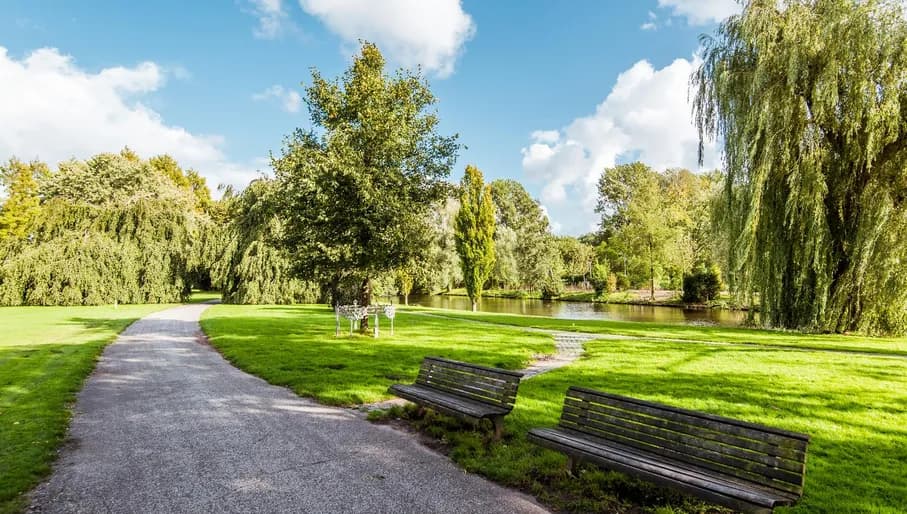
Named after the much beloved Queen Beatrix, Beatrixpark is nestled behind RAI in the city’s south. Originally designed by Jakoba Mulder, the park was redesigned with a more modern style following WWII when the park was renamed Beatrixpark. Traces of the original park can be found in the oldest part, which was influenced by English parks.
What to see:
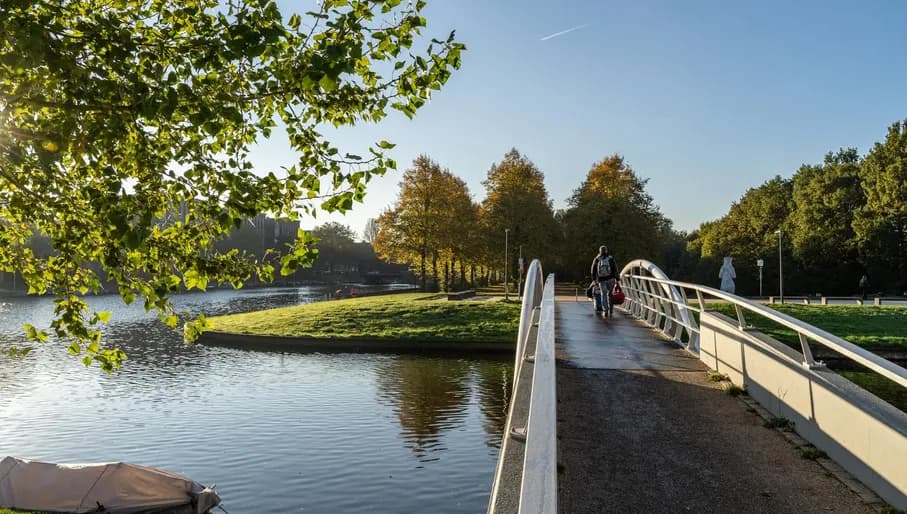
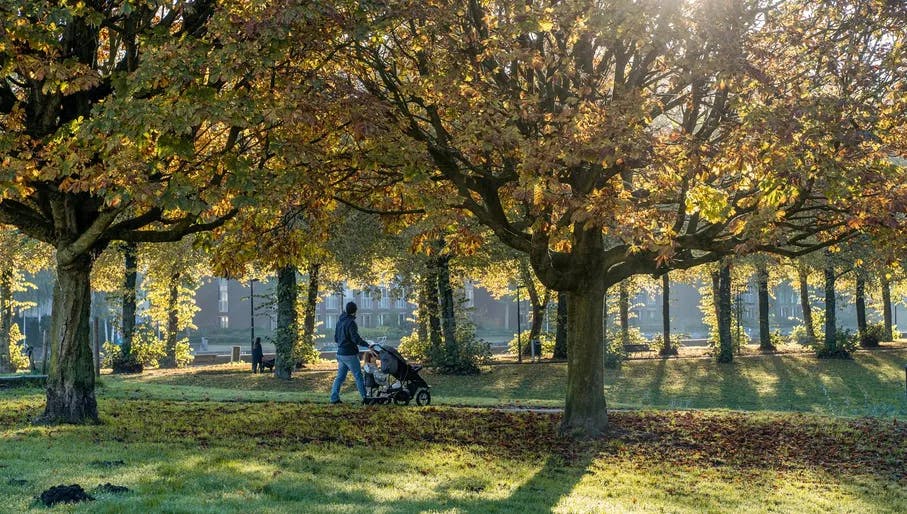
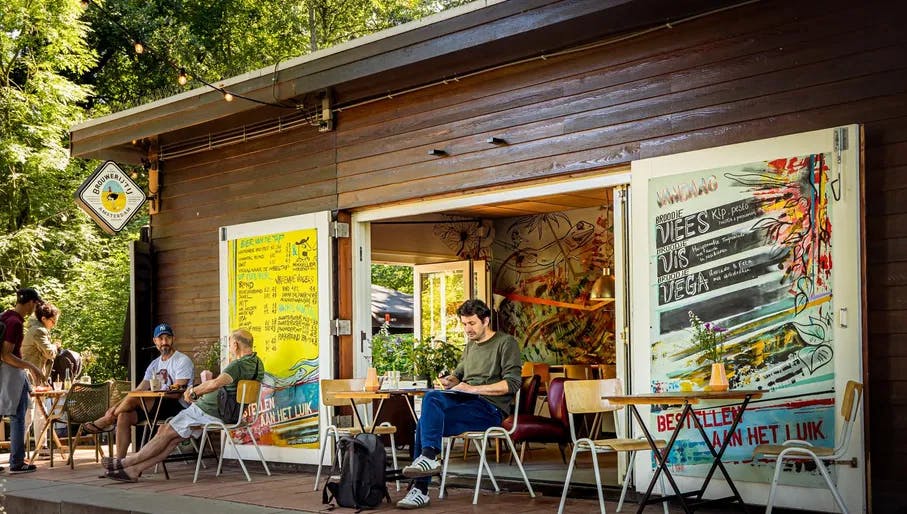
Named after Dutch humanist Desiderius Erasmus, the small Erasmuspark is a little jewel in Amsterdam’s west. The central part of the park is essentially an island and features green fields, gardens, and a charming neighbourhood café called Terrasmus. It’s a popular spot with fitness fiends.
What to see:
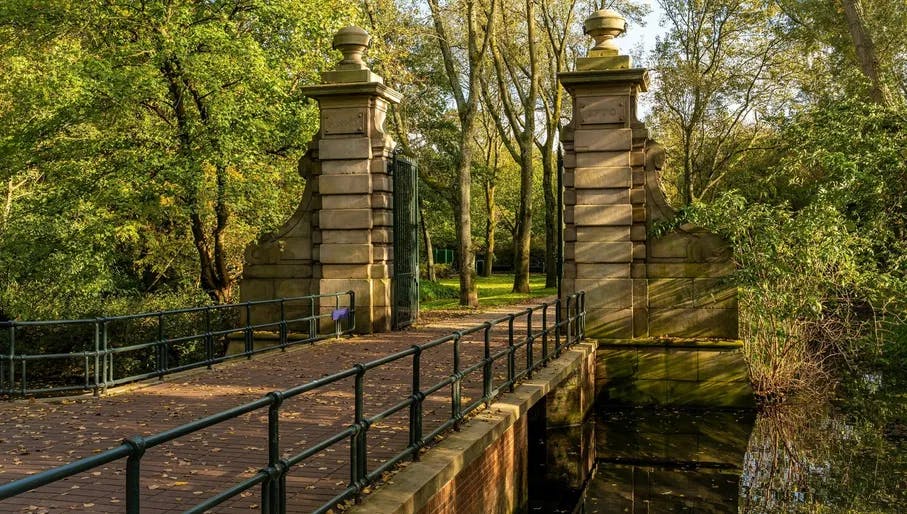
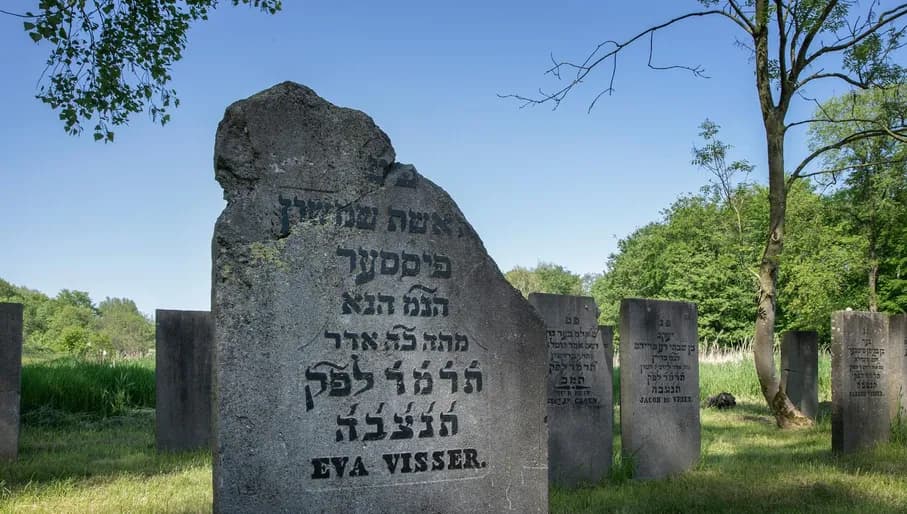
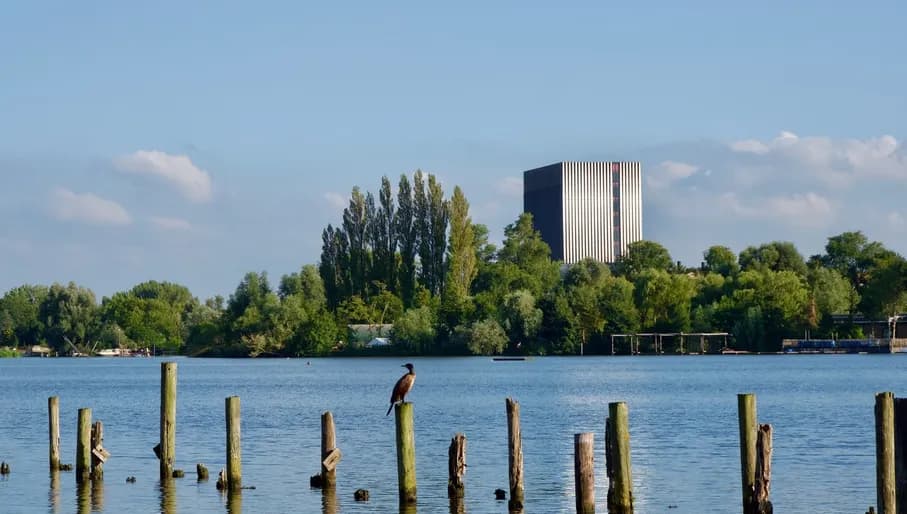
Located in Oost, Flevopark features playgrounds, an outdoor swimming pool, tennis courts, barbecue areas, and various routes that are popular with runners. It’s also where you’ll find the Joodse Begraafplaats Zeeburg, a Jewish cemetery that is now heritage-listed and the Flevoparkbad open-air swimming pool. You can enjoy a range of activities throughout the year and try distillations at Nieuwe Diep’s idyllic location.
What to do:
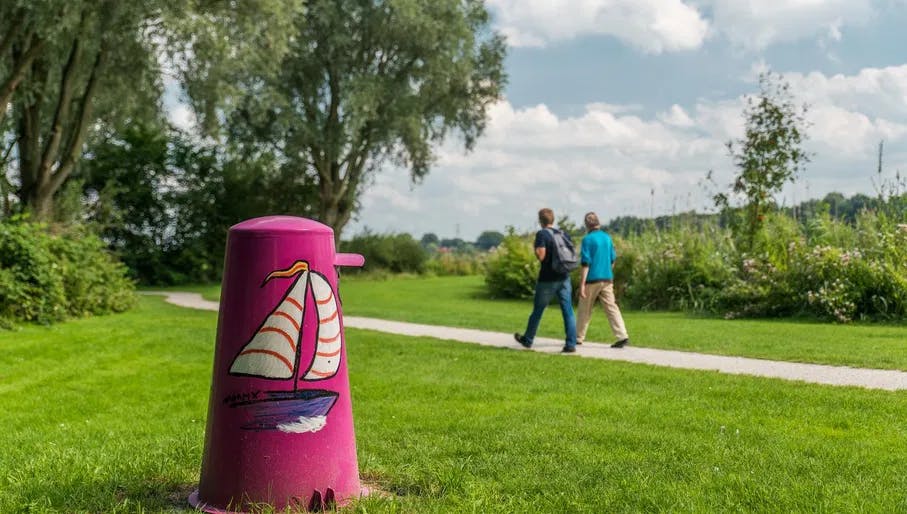
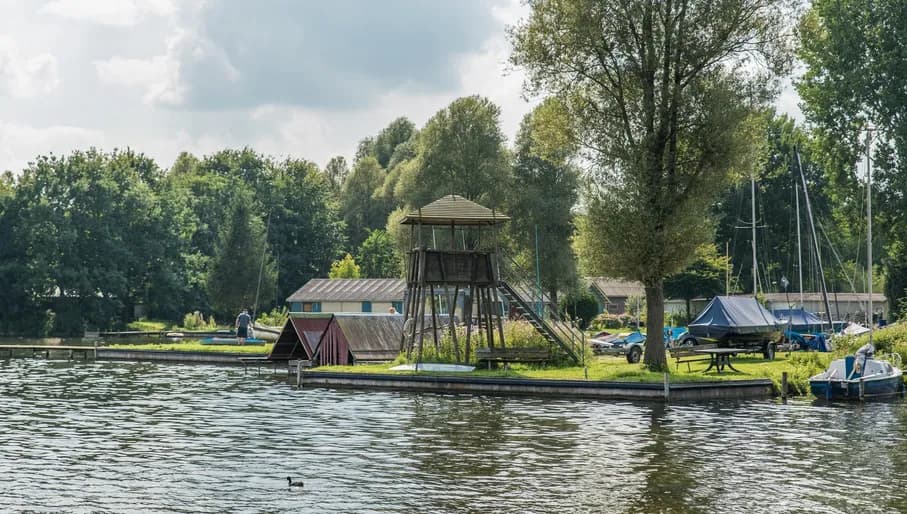
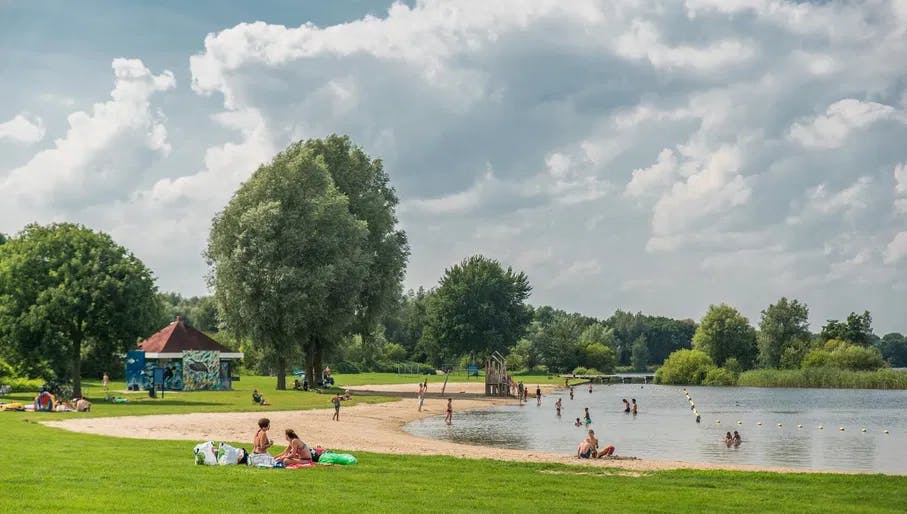
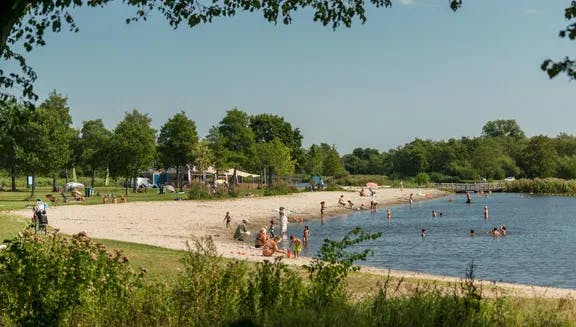
Located on the shores of Gaasperplas, this park in the city’s Zuidoost district is a lush green area with many attractions. Easily reached by Metro, the park is home to playgrounds, water slides, and places to grab a bite. Cool off in the lake or camp in the park during summer.
What to see:
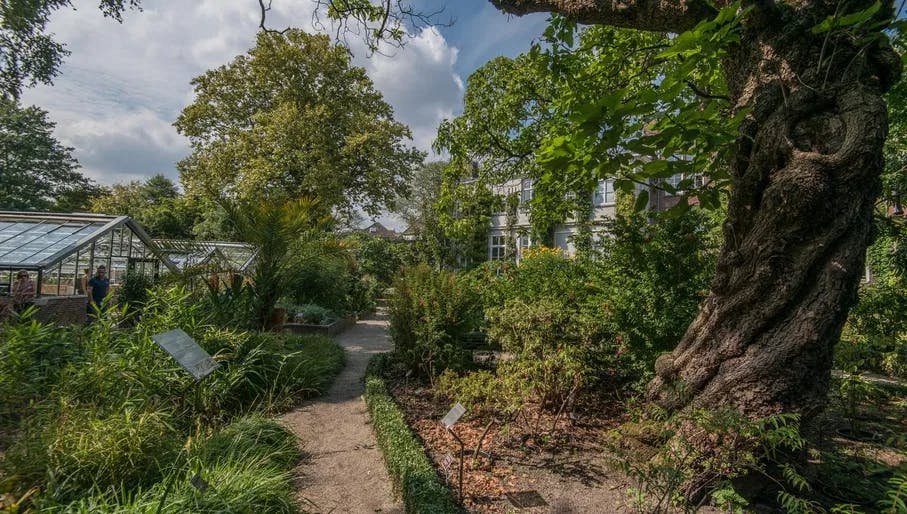
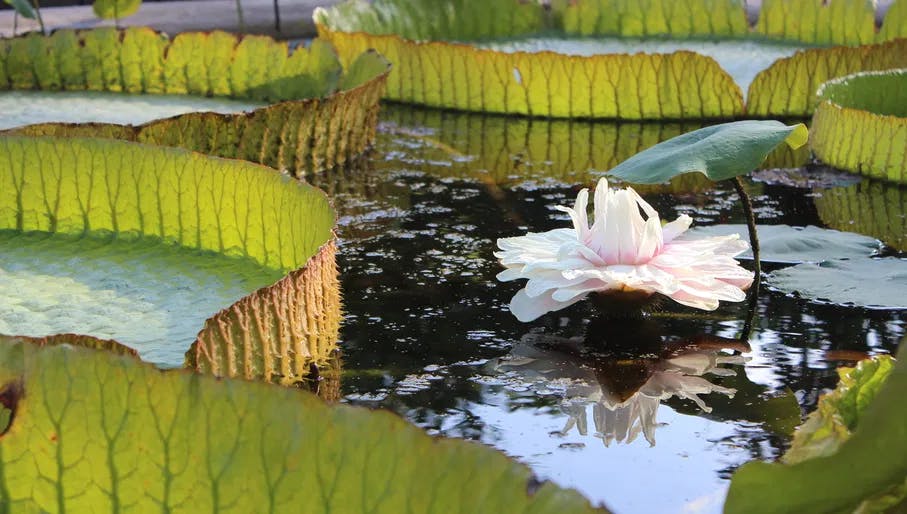
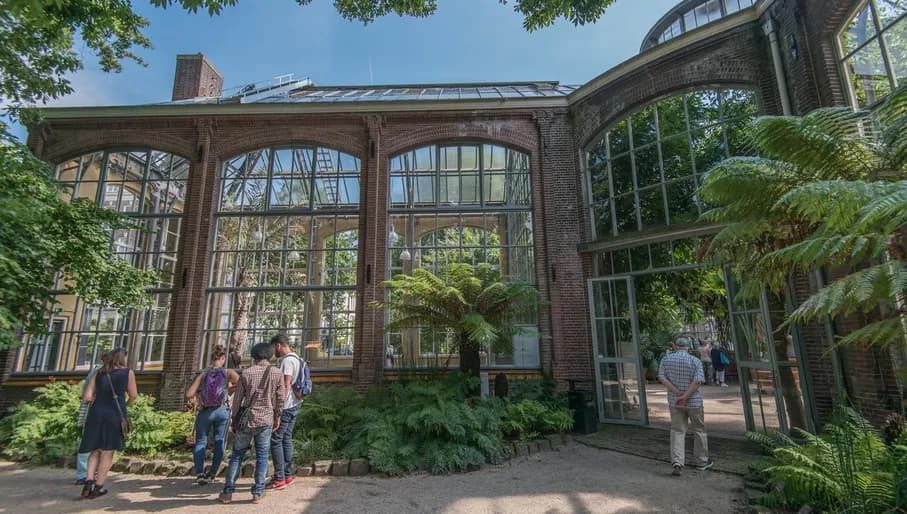
Located in the famous Plantage district, Hortus Botanicus is one of the world’s oldest botanical gardens. Now a part of the University of Amsterdam, it was originally a medicinal herb garden and today is home to an astounding 6,000 plants. No matter the weather, Hortus Botanicis is beautiful.
What to see:

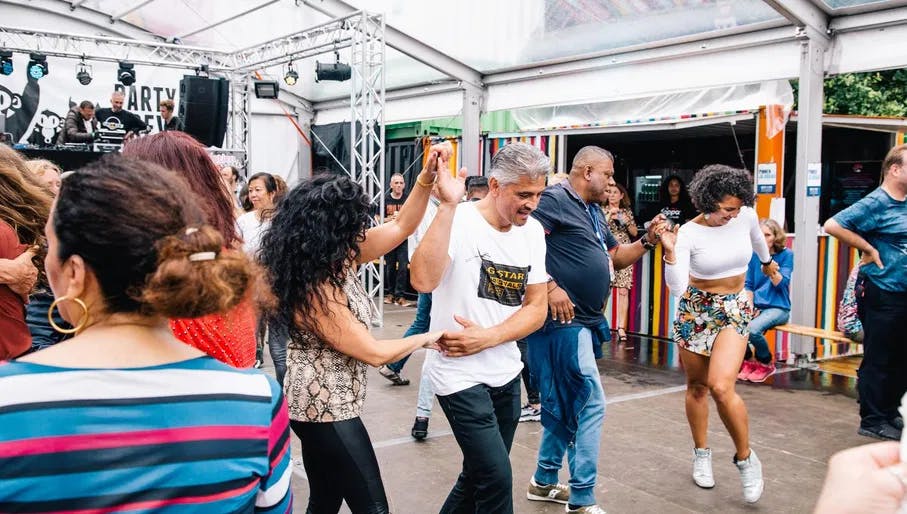
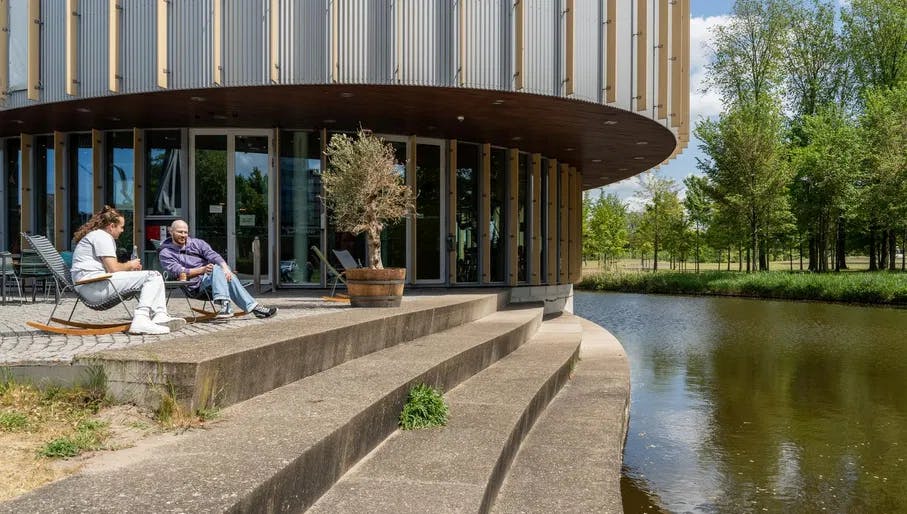
Originally called Bijlmer Park, the park was renamed in 2014 to Nelson Mandelapark to honour the South African politician. Completely redesigned between 2009 and 2011, this civic park features sports areas, kids' playgrounds and a small forest featuring the national trees of residents living there. You’ll also find a skate park and the Bijlmerpark Theater.
What to do:
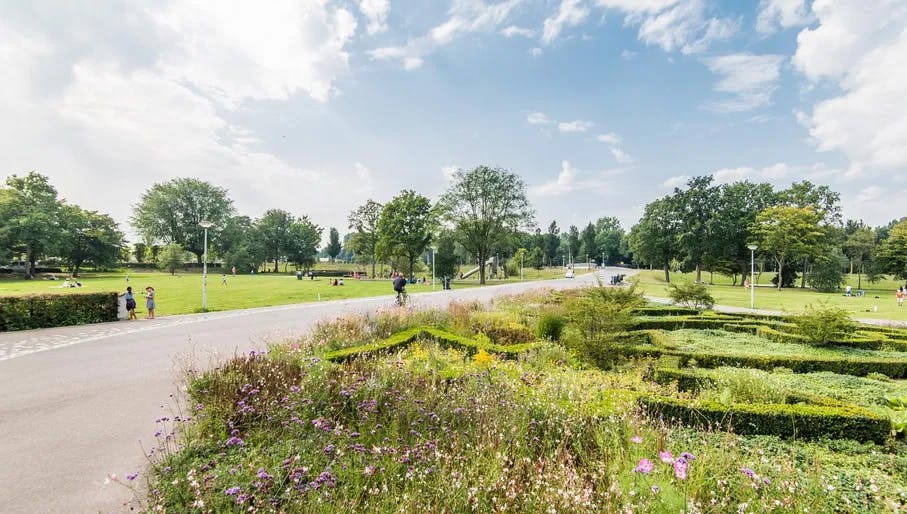
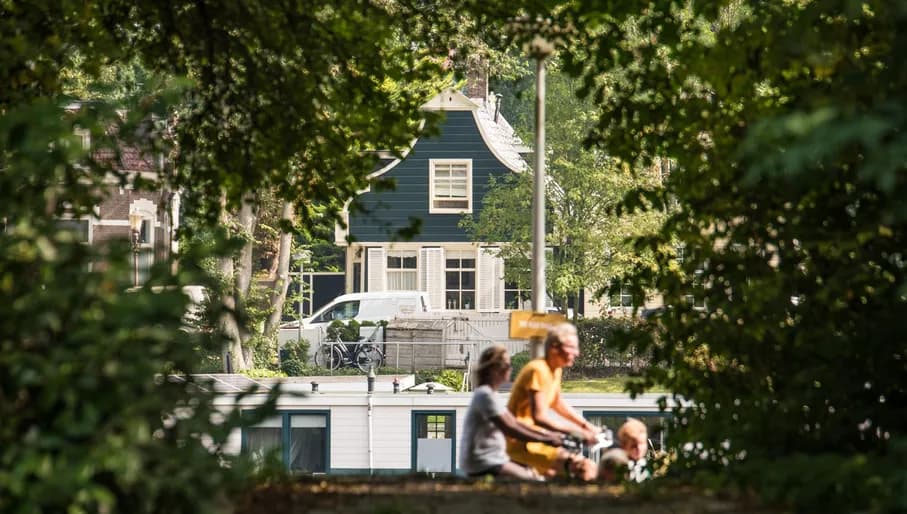
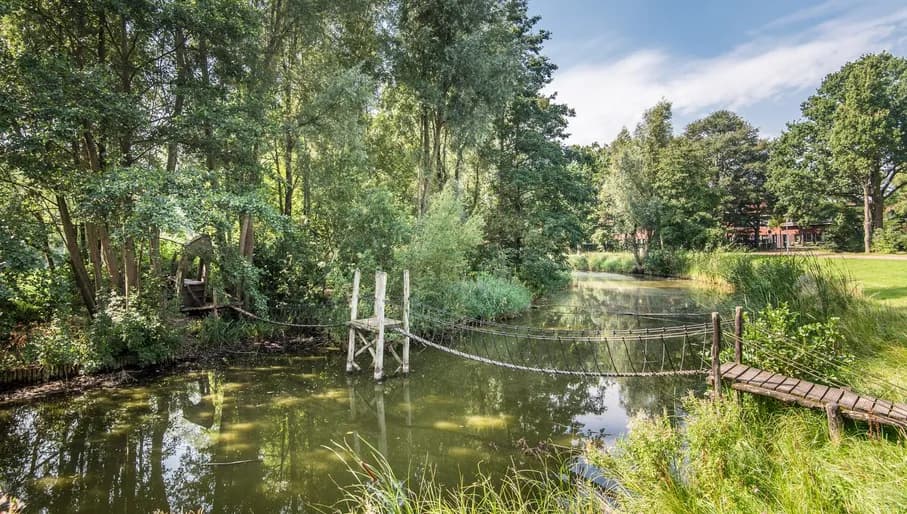
This vibrant green oasis in the heart of Amsterdam Noord is home to a lively mix of visitors, from the young and the old to locals and visitors alike. The park boasts four pavilions that host an entertaining line-up of concerts, performances and shows throughout the year.
What to do:
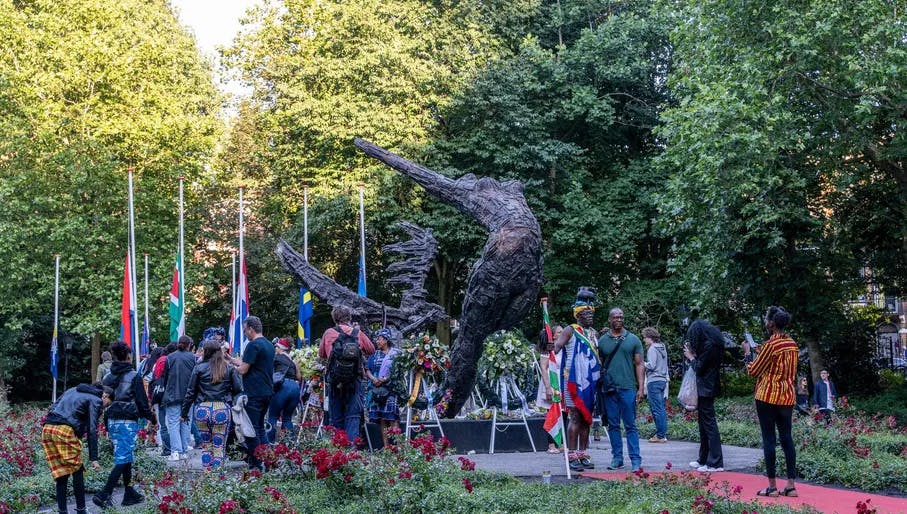
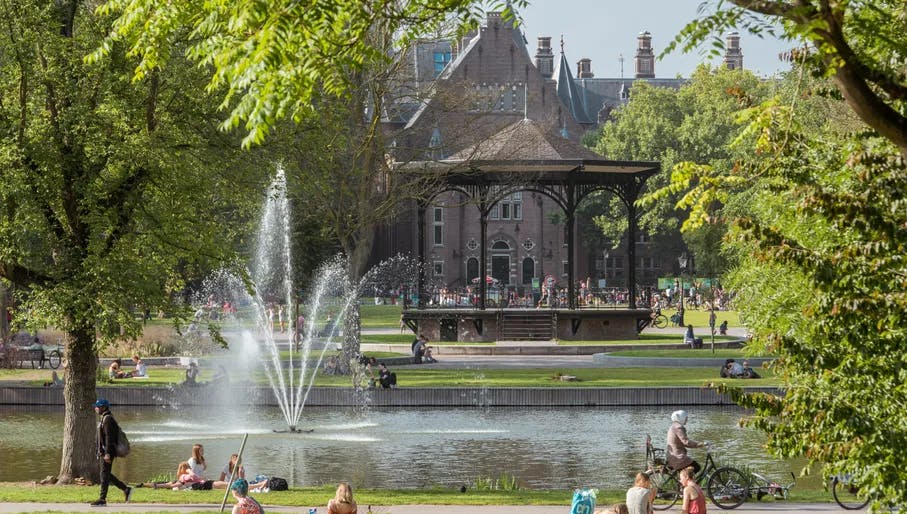
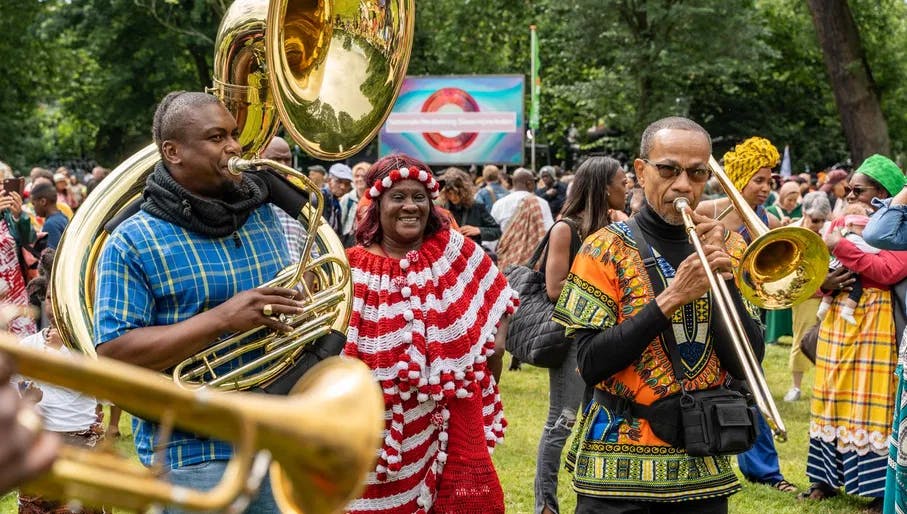
This large park is considered to be one of Amsterdam’s most multicultural parks, thanks to the diverse crowd it attracts. Alongside open green space filled with ponds and streams, a wading pool for children and plenty of walking paths, Oosterpark also hosts a variety of festivals throughout the summer, most notably Keti Koti in July.
What to do:
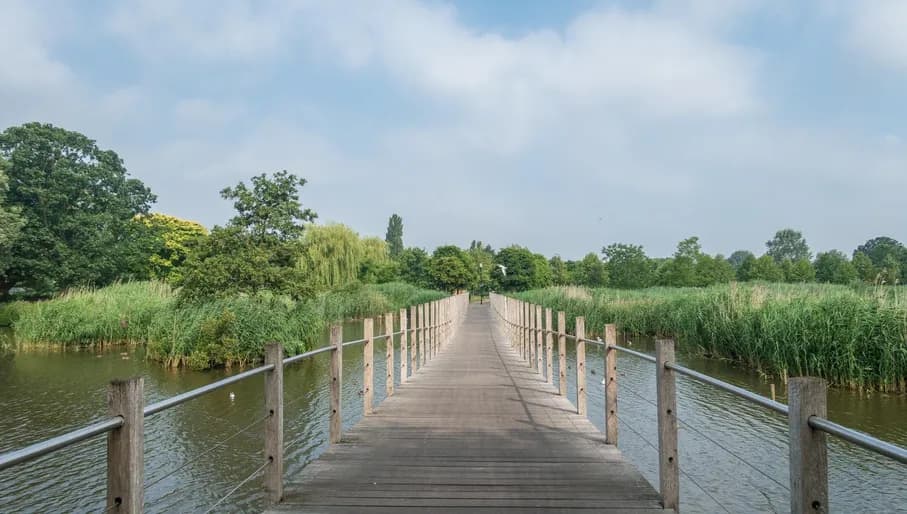
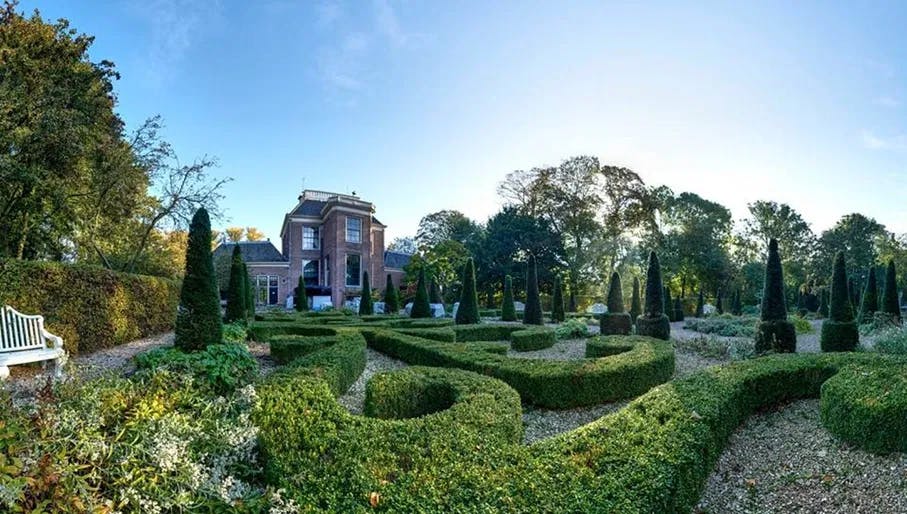
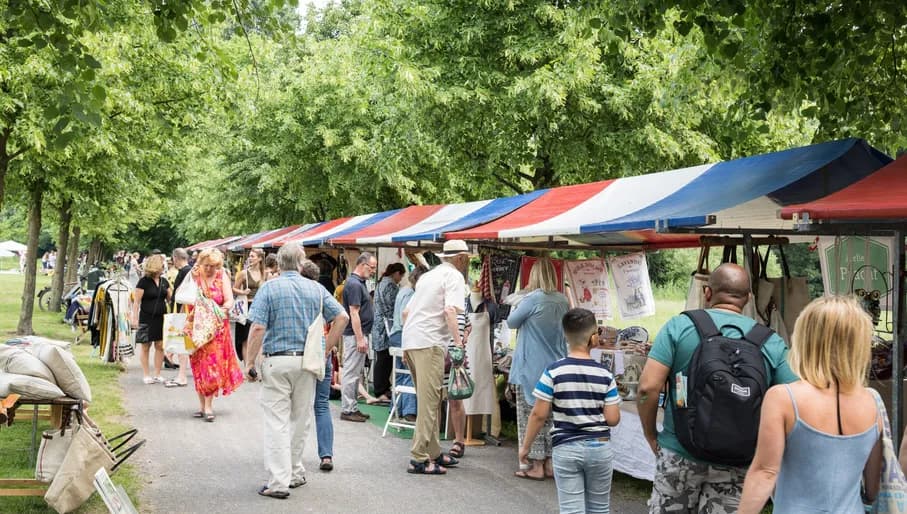
Built at the end of the 17th century, Park Frankendael in Watergraafsmeer is Amsterdam's only remaining country estate. There were more than 40 estates back then, but today, Park Frankendael, with its beautiful gardens, is all that stands.
What to do:
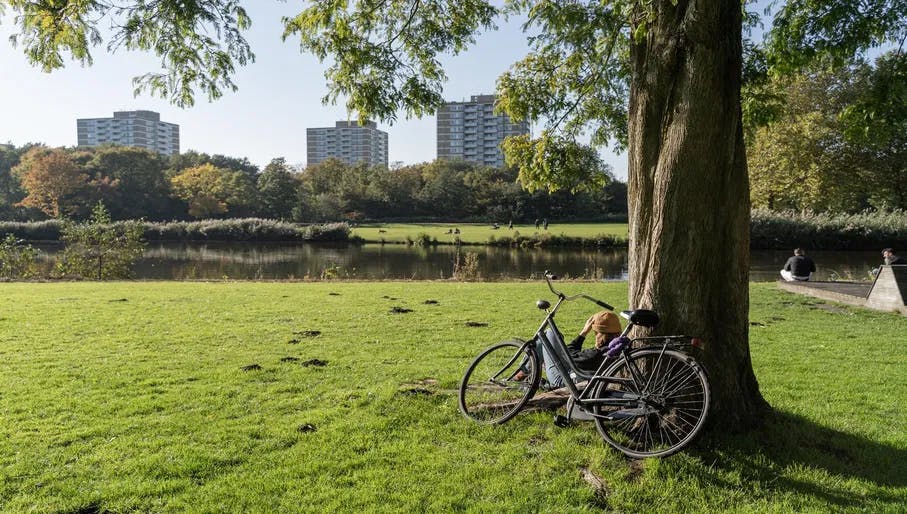

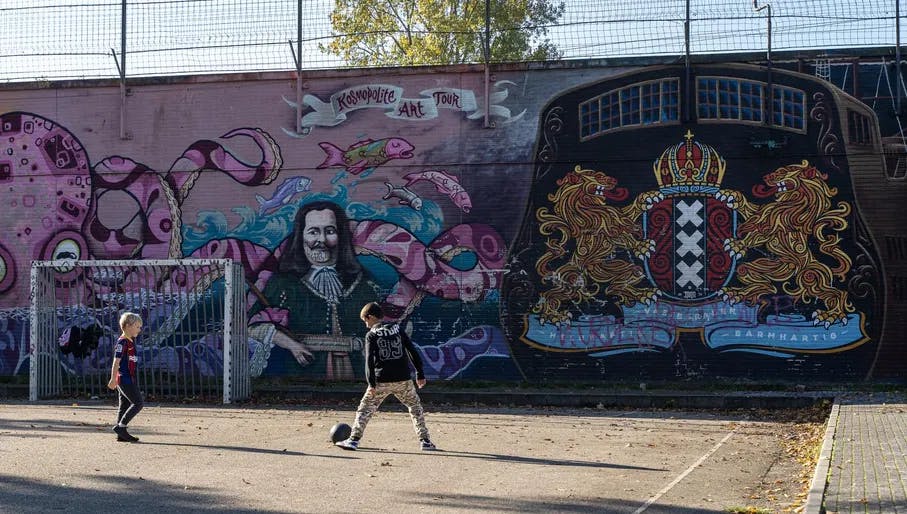
In the city’s west, Rembrandtpark is a quiet spot where you’ll find Amsterdam’s oldest petting zoo, De Uylenburg. Ponds, playgrounds and a crisscross of walking and bike paths make this park a great place to unwind.
What to do in Rembrandtpark:
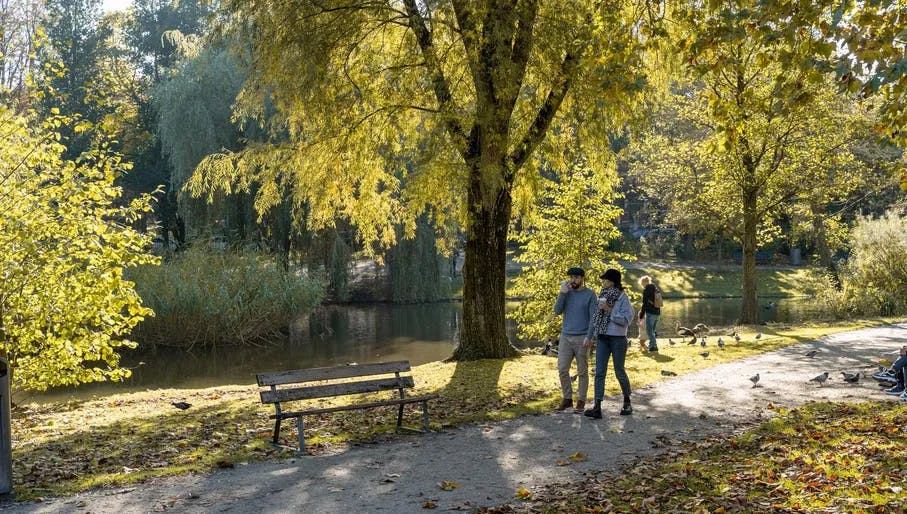
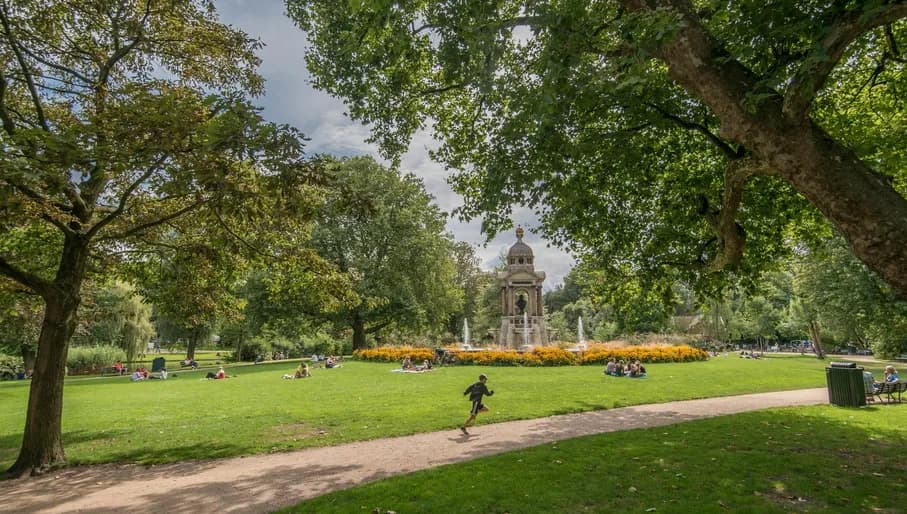
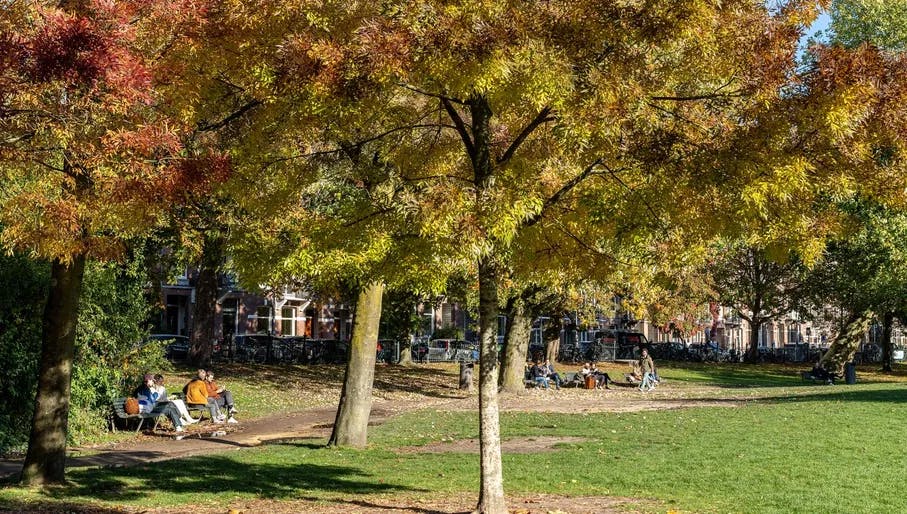
Named after Jewish doctor and urban planner Samuel Sarphati, Sarphatipark is a popular park in the hip De Pijp district in Amsterdam. Inspired by English styles, the site was initially earmarked for the construction of Centraal Station. During the German occupation, the park was renamed to Bollandpark. Today, it’s a vibrant green space that offers a welcome retreat from the nearby buzzy Albert Cuypmarkt.
What to do:
Fun fact: Dutch artist and theoretician Piet Mondriaan lived on the first floor at Sarphatipark 40-42.
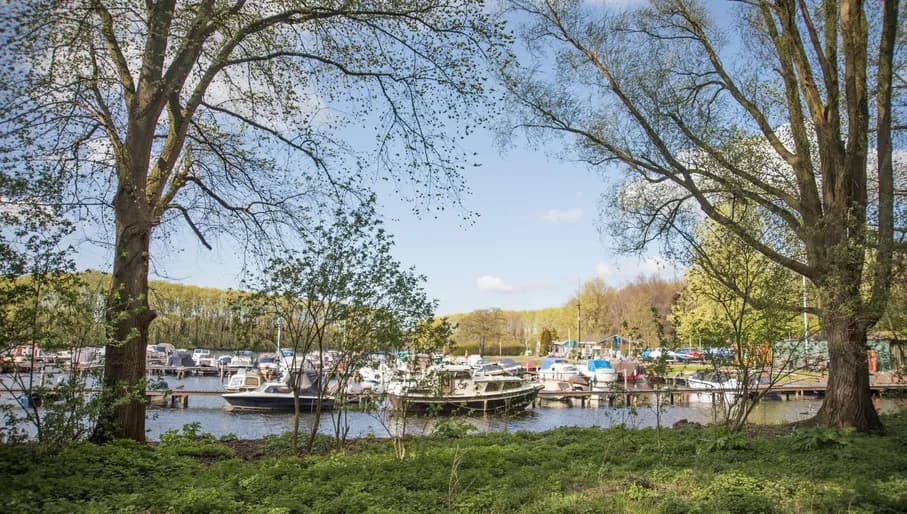
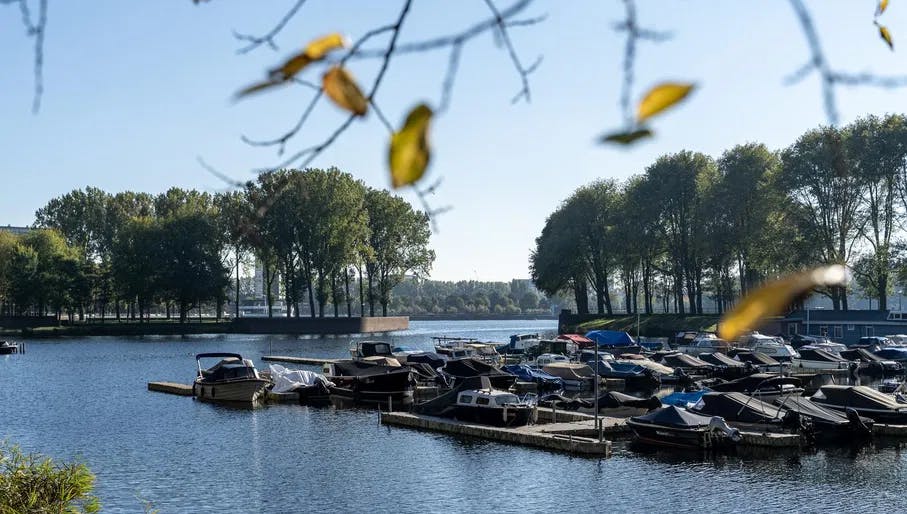
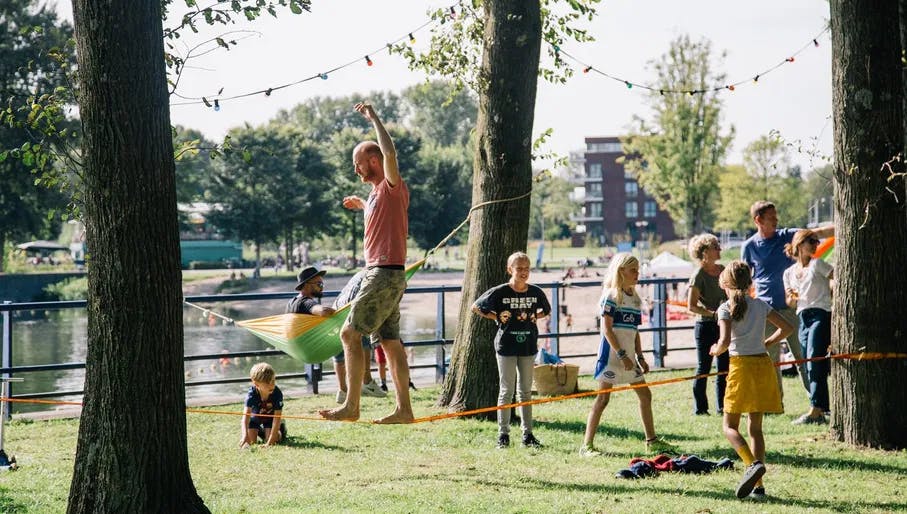
Sloterpark is one of the largest parks in Amsterdam and offers something for everyone, including a petting zoo, sunbathing areas, frisbee courses and endless green space for barbecuing, walking, jogging and relaxing. In the park's heart, you will find Sloterplas Lake, which boasts a large city beach and various designated swimming spots.
What to do:
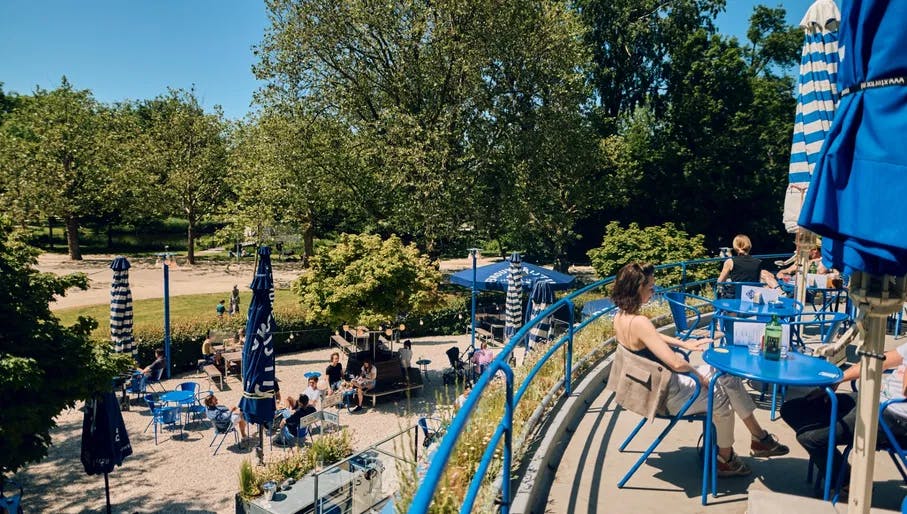
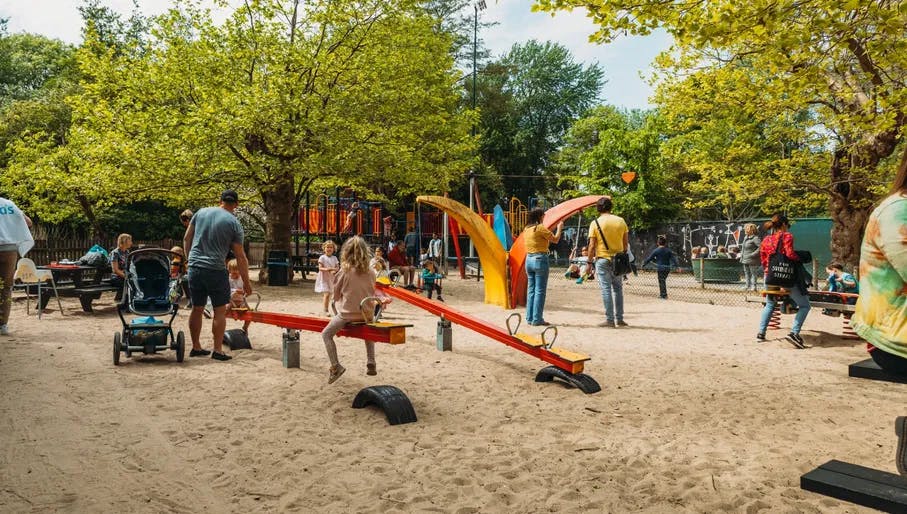
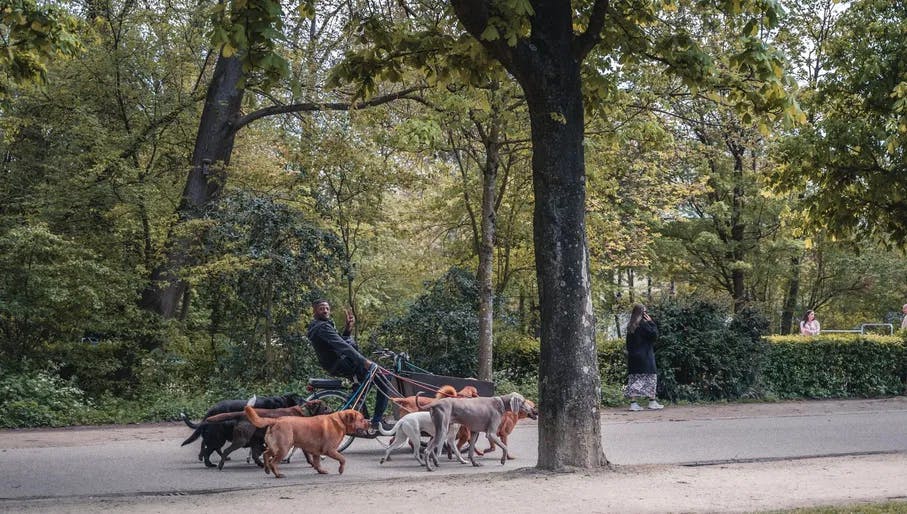
First opened in 1865, Vondelpark is Amsterdam’s most famous park thanks to its central location. It's the perfect place to relax, get fit, or sit and chill. In the summer, it’s the picnic and barbeque hotspot, and throughout the year, kids can play in areas just for them at Groot Melkhuis and Vondeltuin.
What to do:
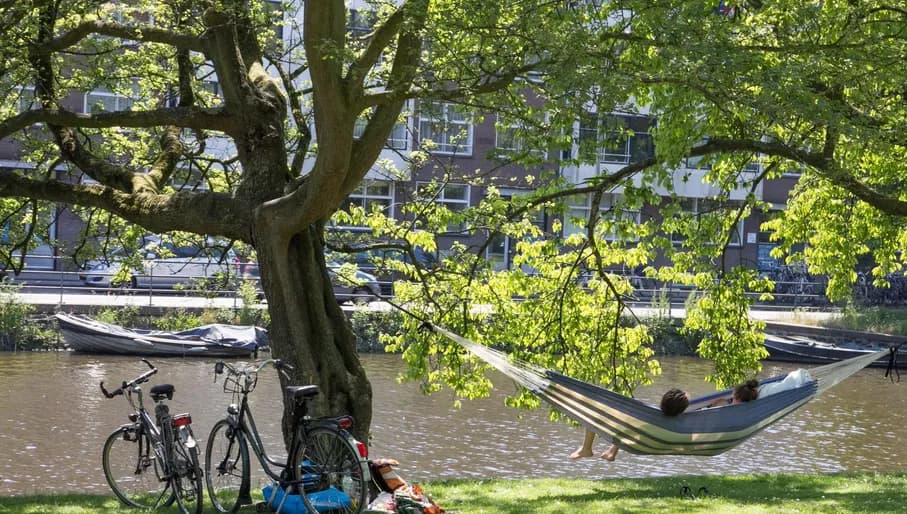
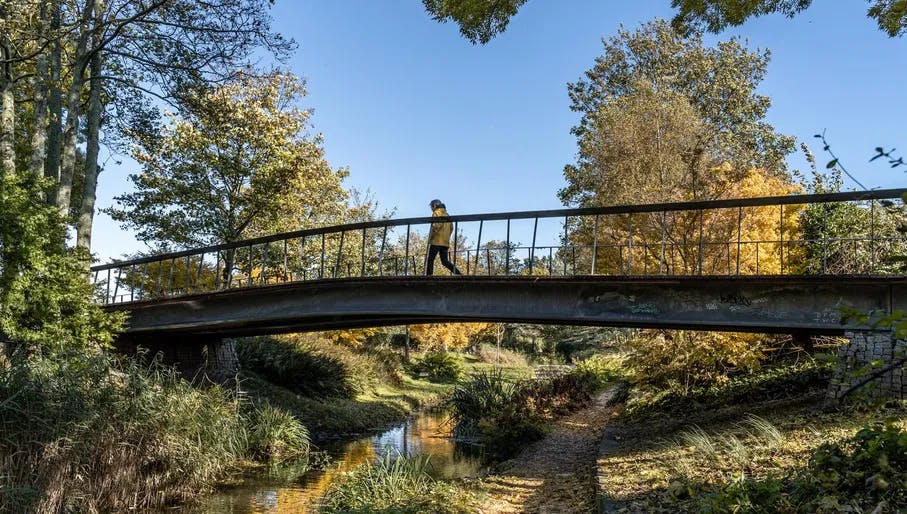
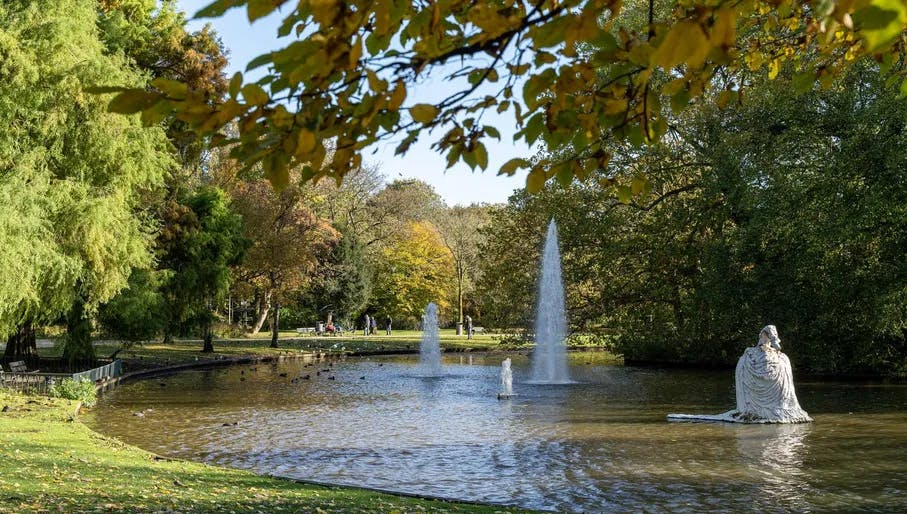
Following the demolition of the former gas works, Westerpark grew to become a vibrant urban area offering ample green space, restaurants, cafés and a cinema. There are also offices and spaces for creative people, and throughout the year, it hosts many events, including markets, festivals and exhibitions.
What to do: