Exhibitions
Vrij Denken. Hoe de ideeën van Luther en Erasmus de wereld verander(d)en'
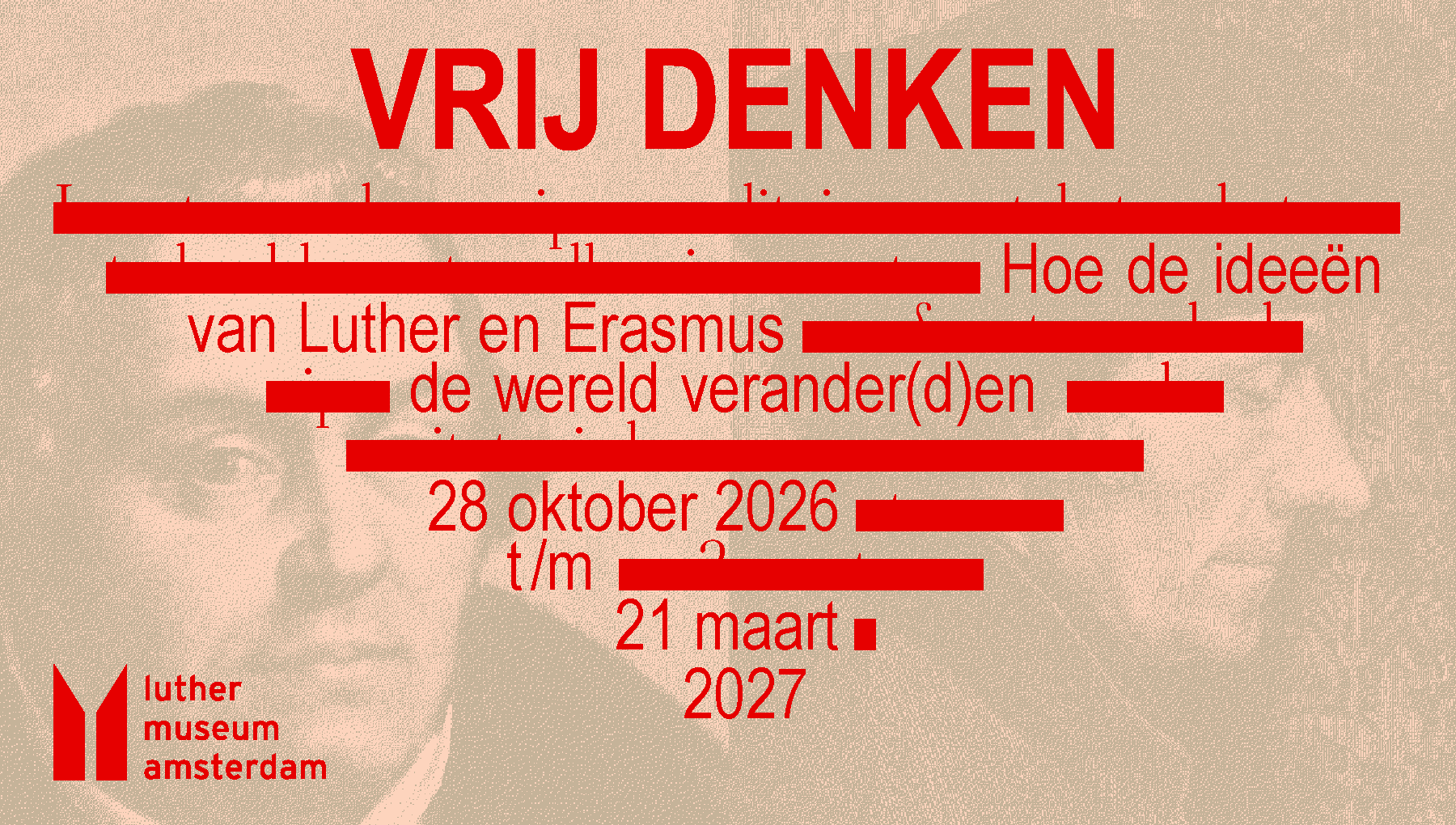
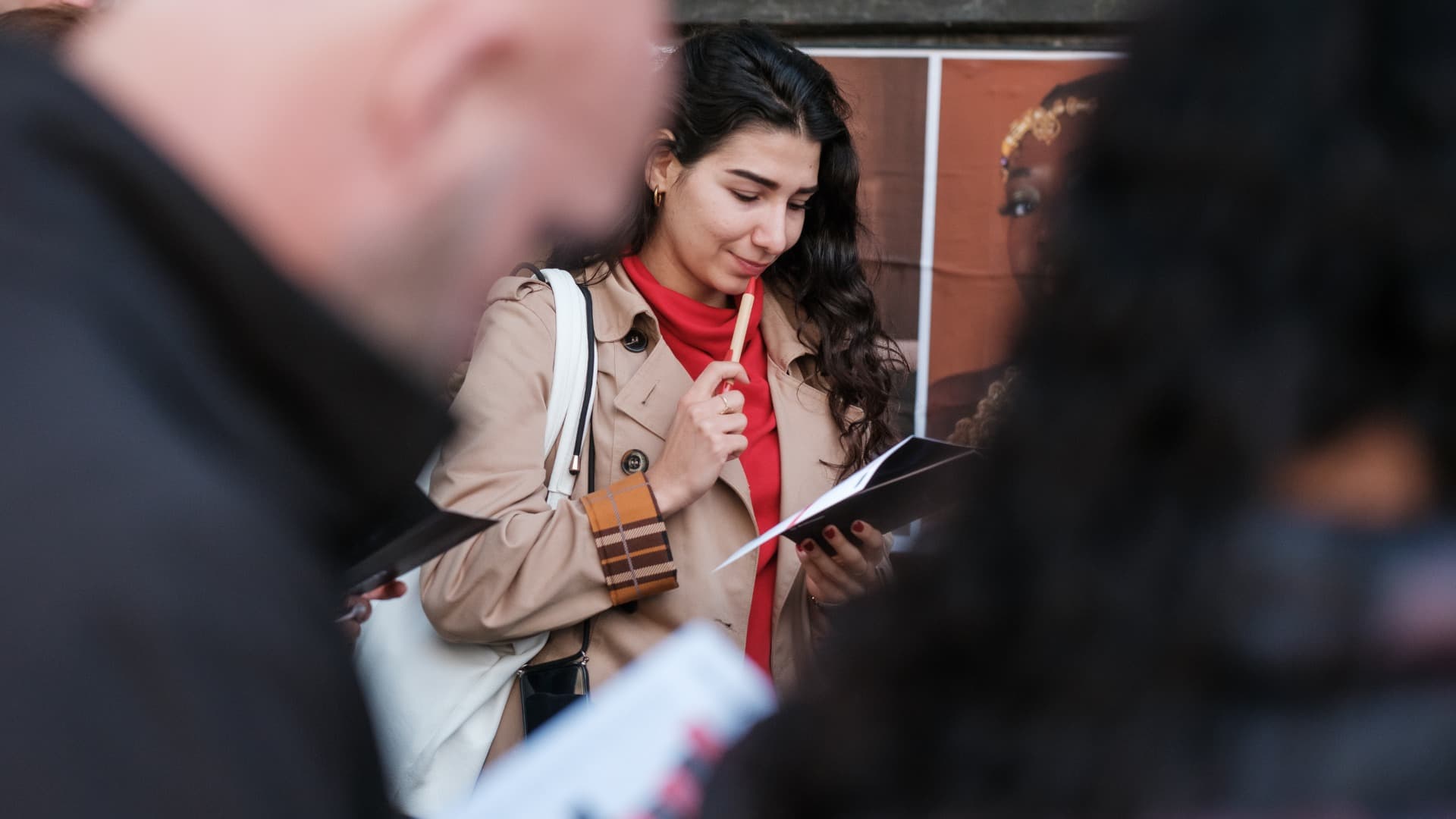
Opinions in the Netherlands seem to be becoming increasingly harsh and extreme, and the division between groups appears to be growing. Young people, too, are experiencing this polarization and are seeking connection. How can you take a stand without losing your ideals? This is the central theme of the exhibition Vrij Denken (Free Thinking). Discover how public debate on major themes took place 500 years ago. How do you remain in dialogue with one another, even when you are diametrically opposed?
Vrij Denken. Hoe de ideeën van Luther en Erasmus de wereld verander(d)en'
Dates and times
| Date | Time |
|---|---|
| Wednesday 28 October | Time: 11:00 - 17:00 |
| Thursday 29 October | Time: 11:00 - 17:00 |
| Friday 30 October | Time: 11:00 - 17:00 |
Accessibility
 General accessibility provisions and information
Present, available or allowed
- Service dog allowed

- Personal assistant

- Wheelchair accessible entrance

 Provisions for people with reduced mobility
Present, available or allowed
- Stairs with handrail

- Lift

- Accessible restroom

- Mobile payment

 Provisions for people who are blind or partially sighted
Present, available or allowed
- Sensory experience

- Audio description

- Accessible information

Not present, not available or not allowed
- Guide lines

- Hearing loop (t-coil or headphones)

- Sign language interpretation provided

- Closed captioning

- Open captioning

- Hidden disability Sunflower-keycord recognised here

- Low stimulus hours

- Material in Braille

- Passageways that are sufficiently wide