Exhibitions
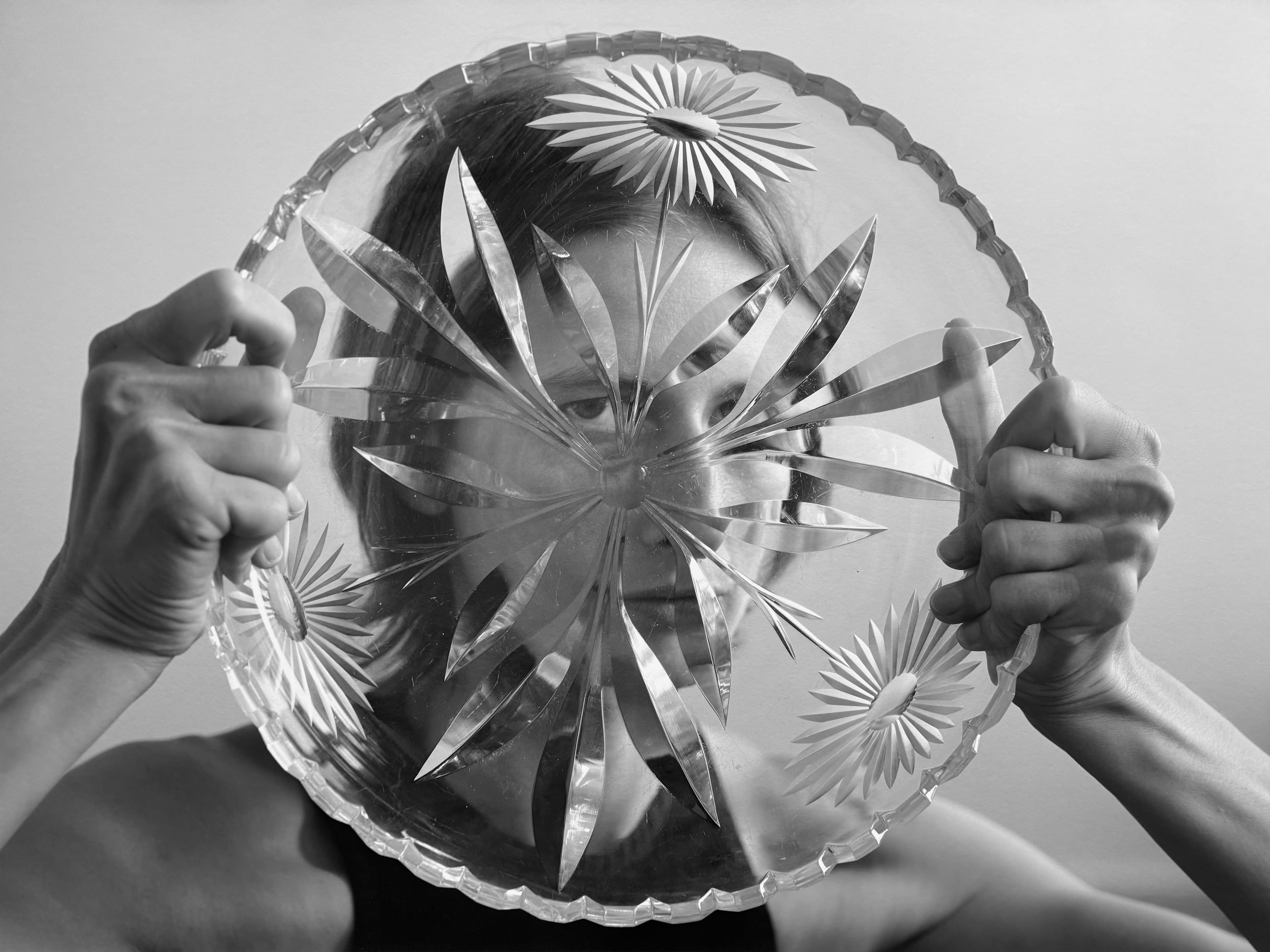
Maya Inès Touam - Belongings
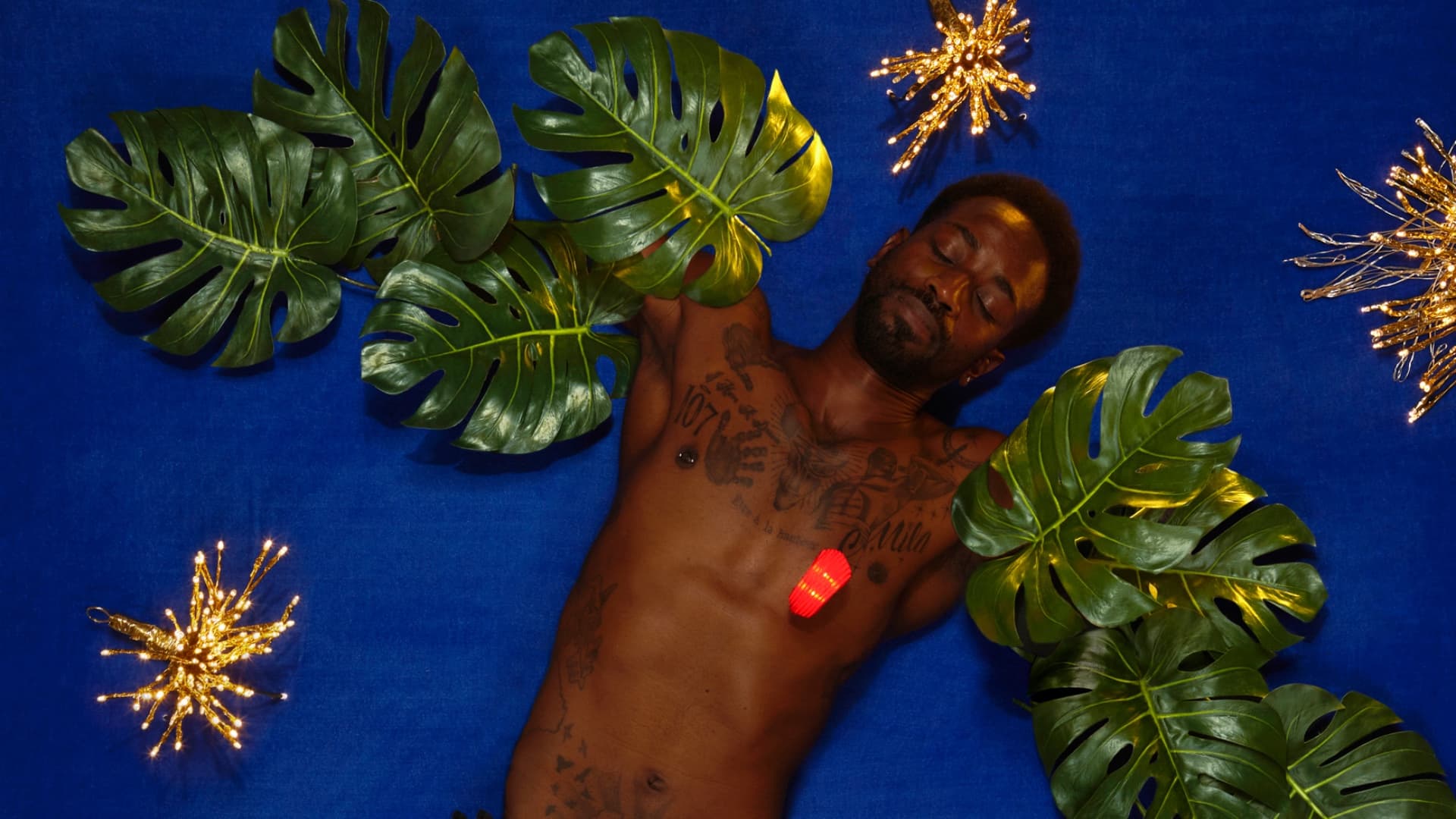
Image from Maya Inès Touam
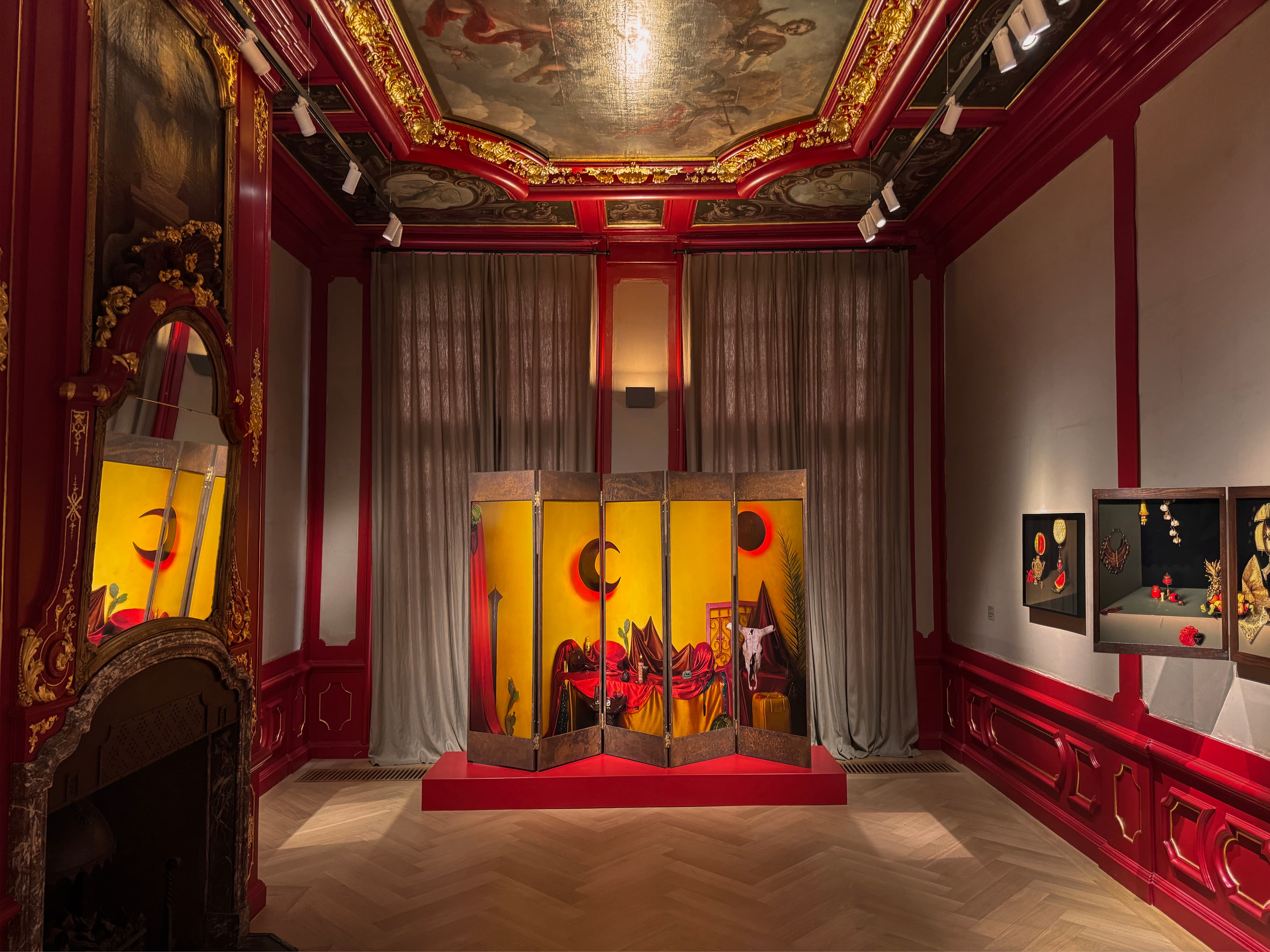
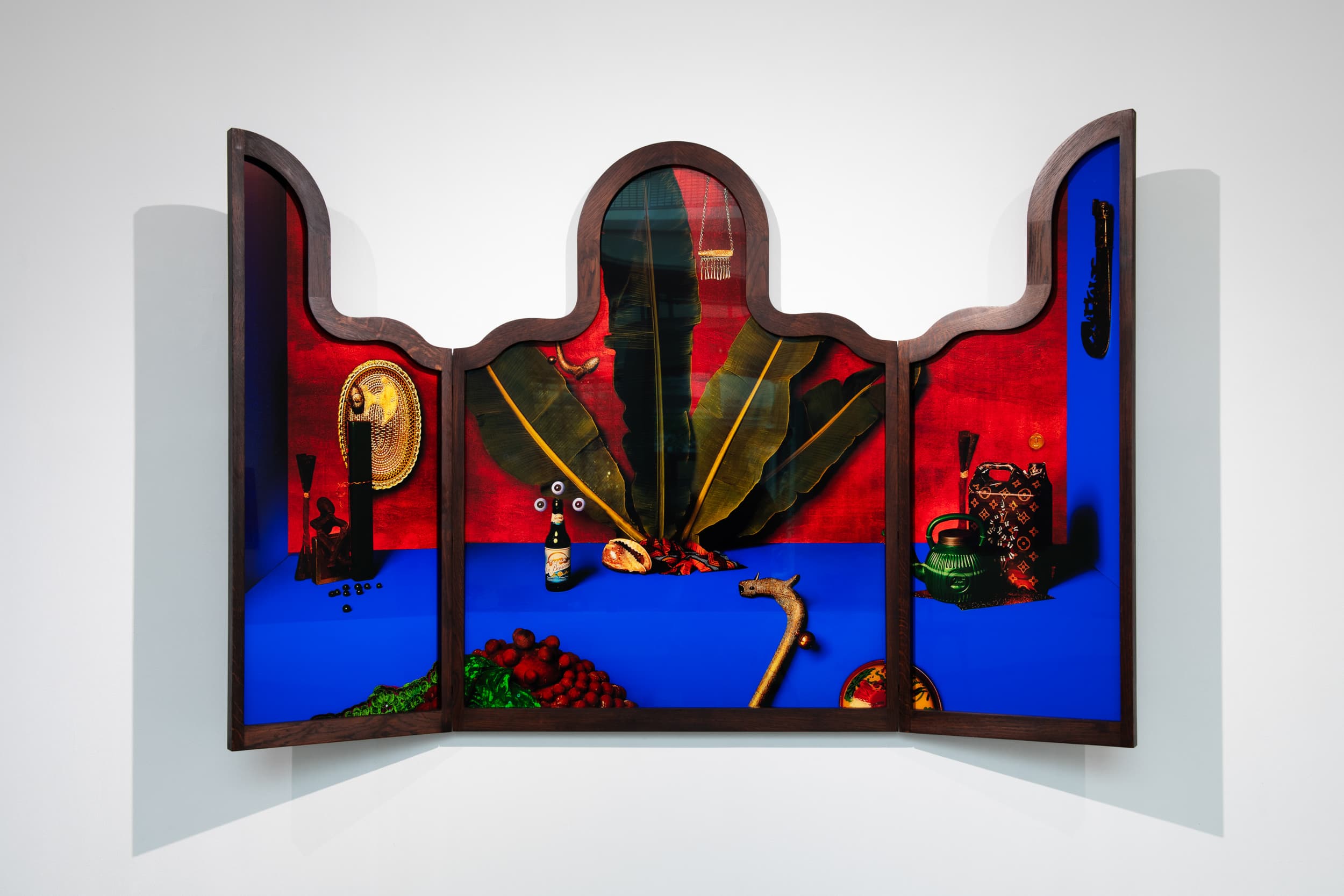
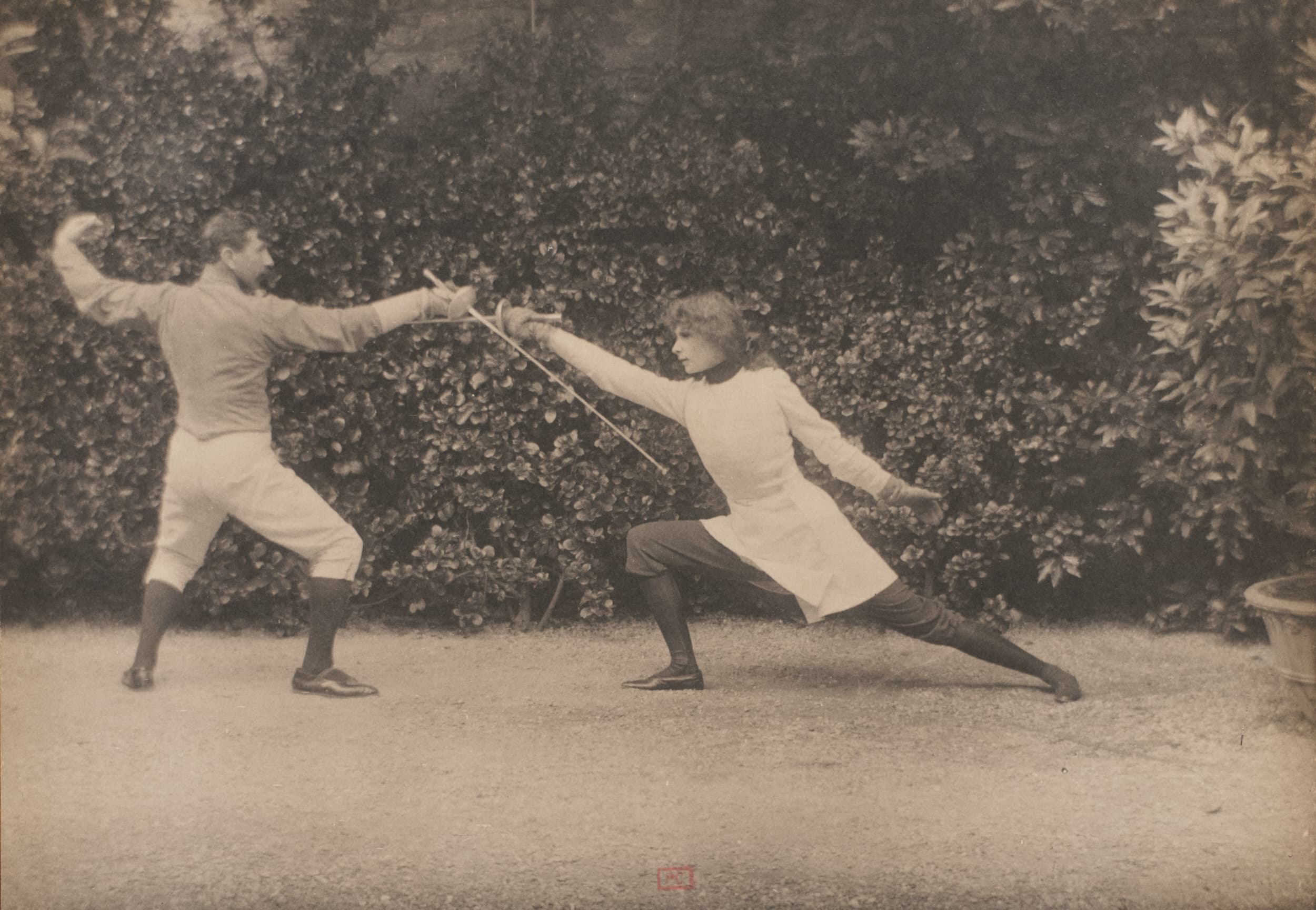
Image from Maya Inès Touam
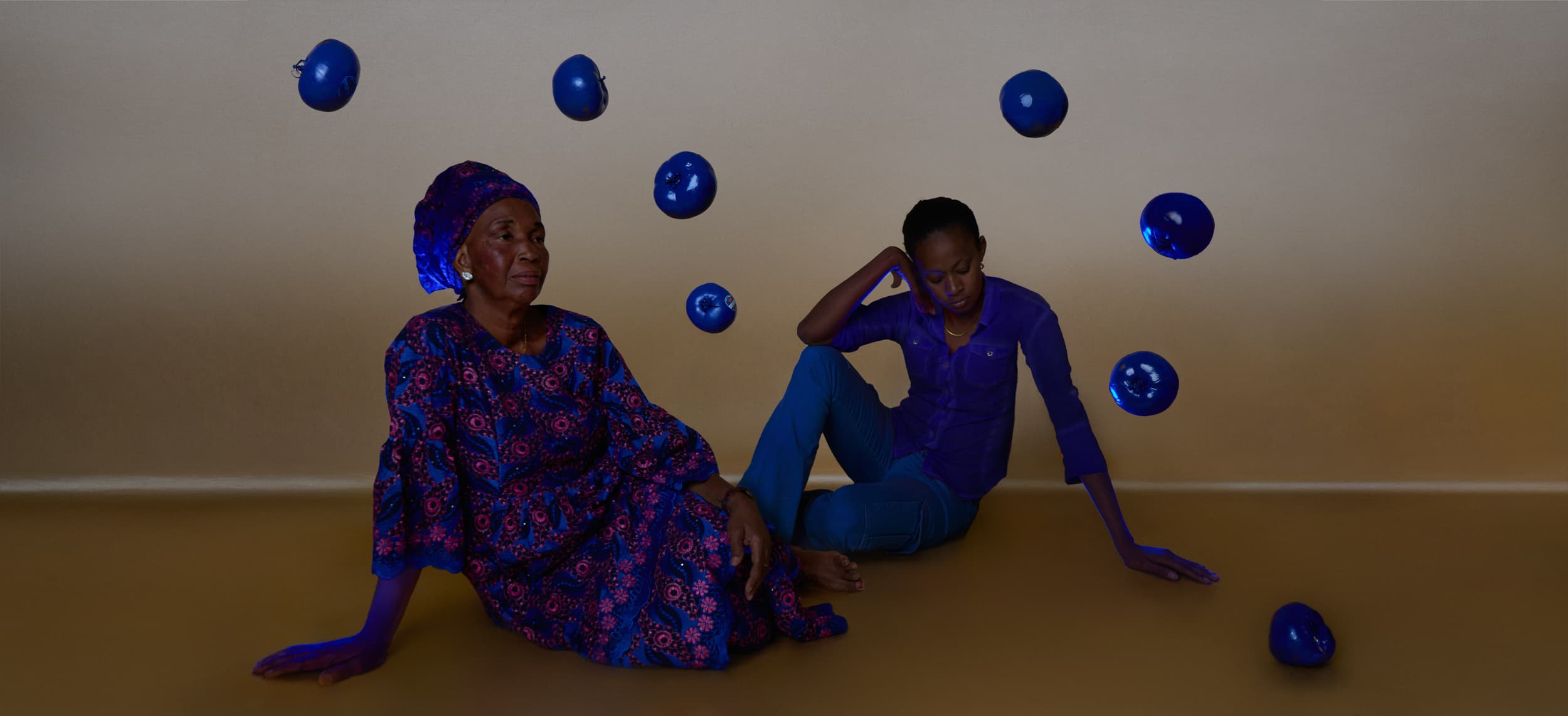
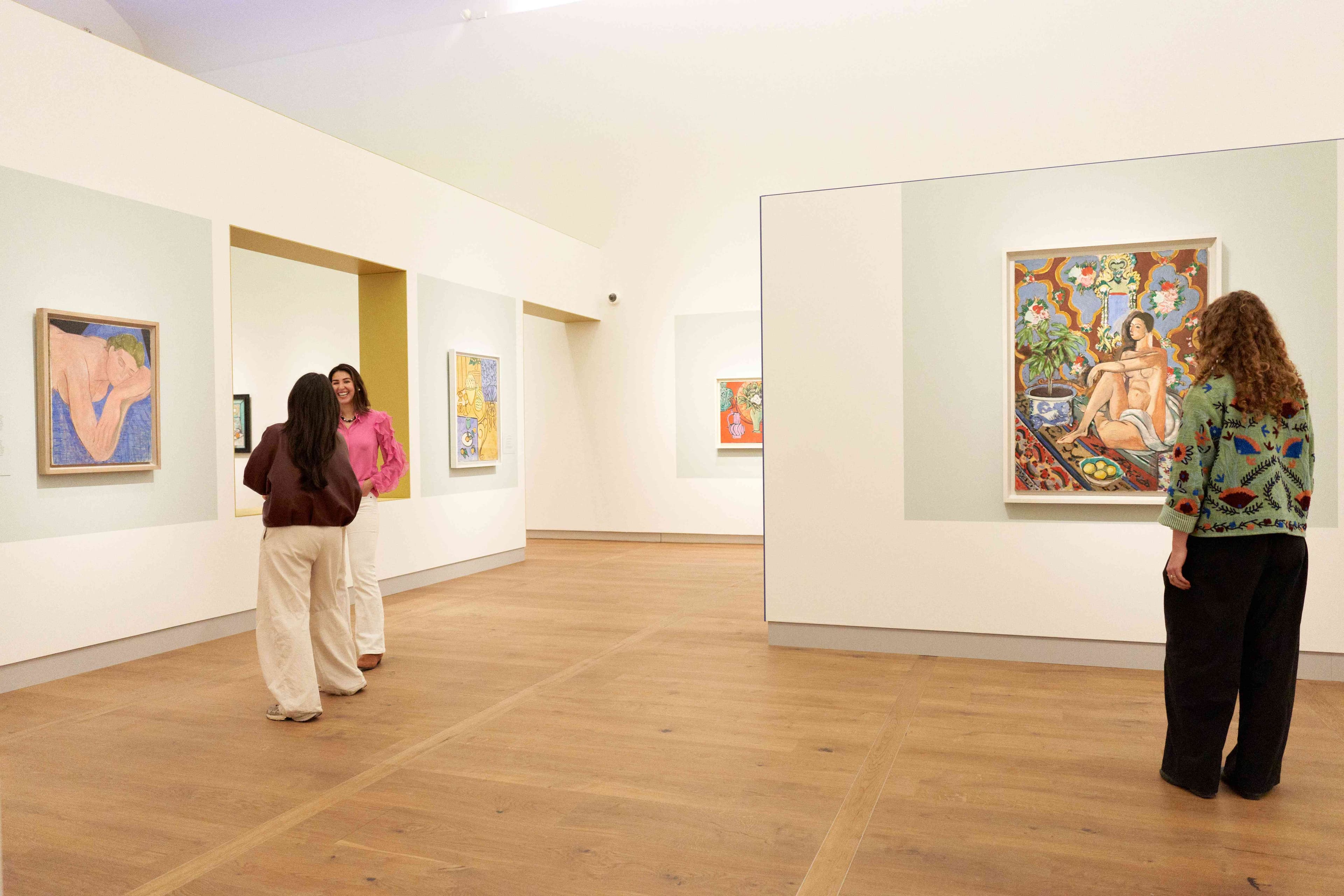
Image from Maya Inès Touam
Slide 1 of 6
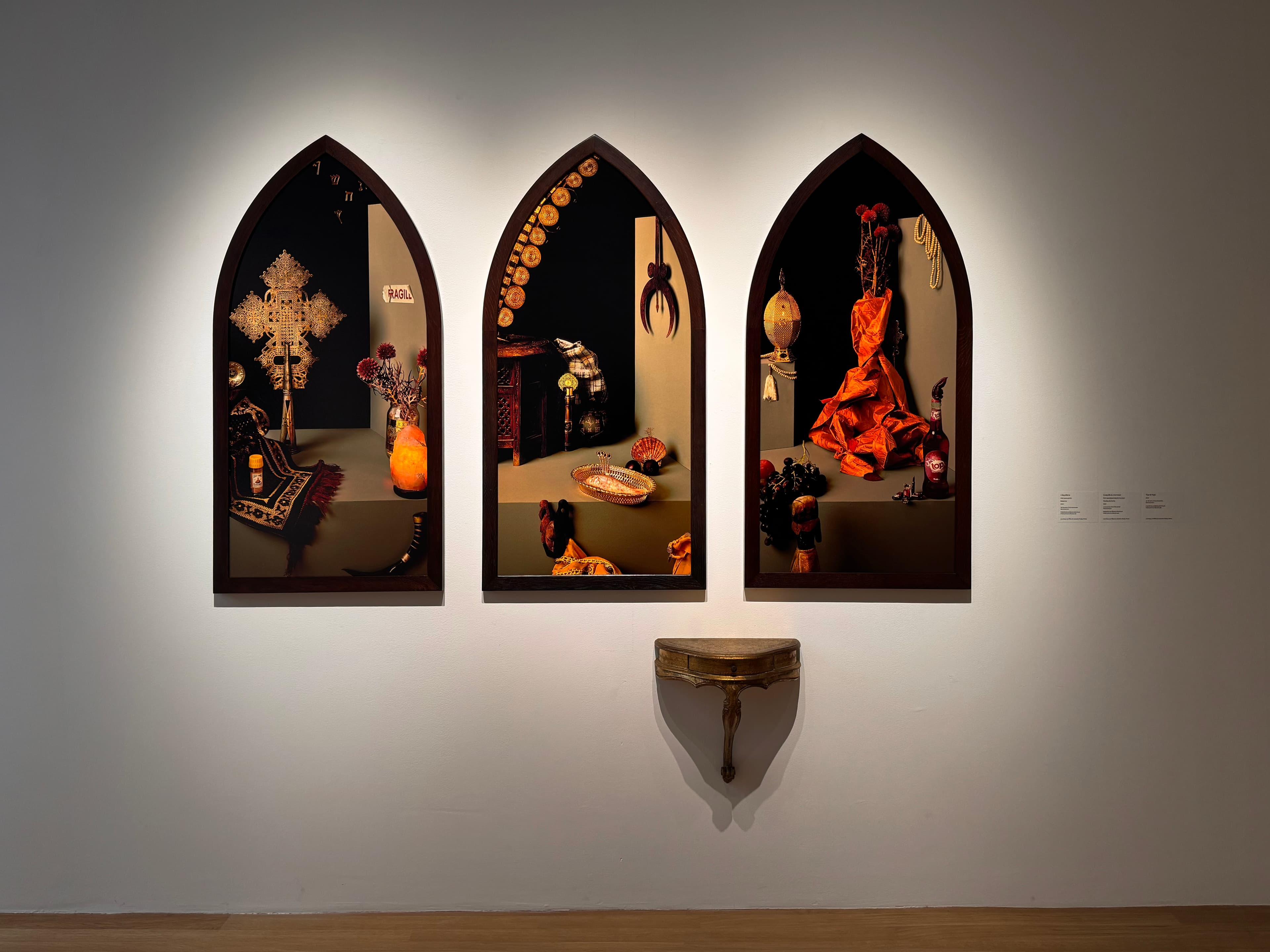
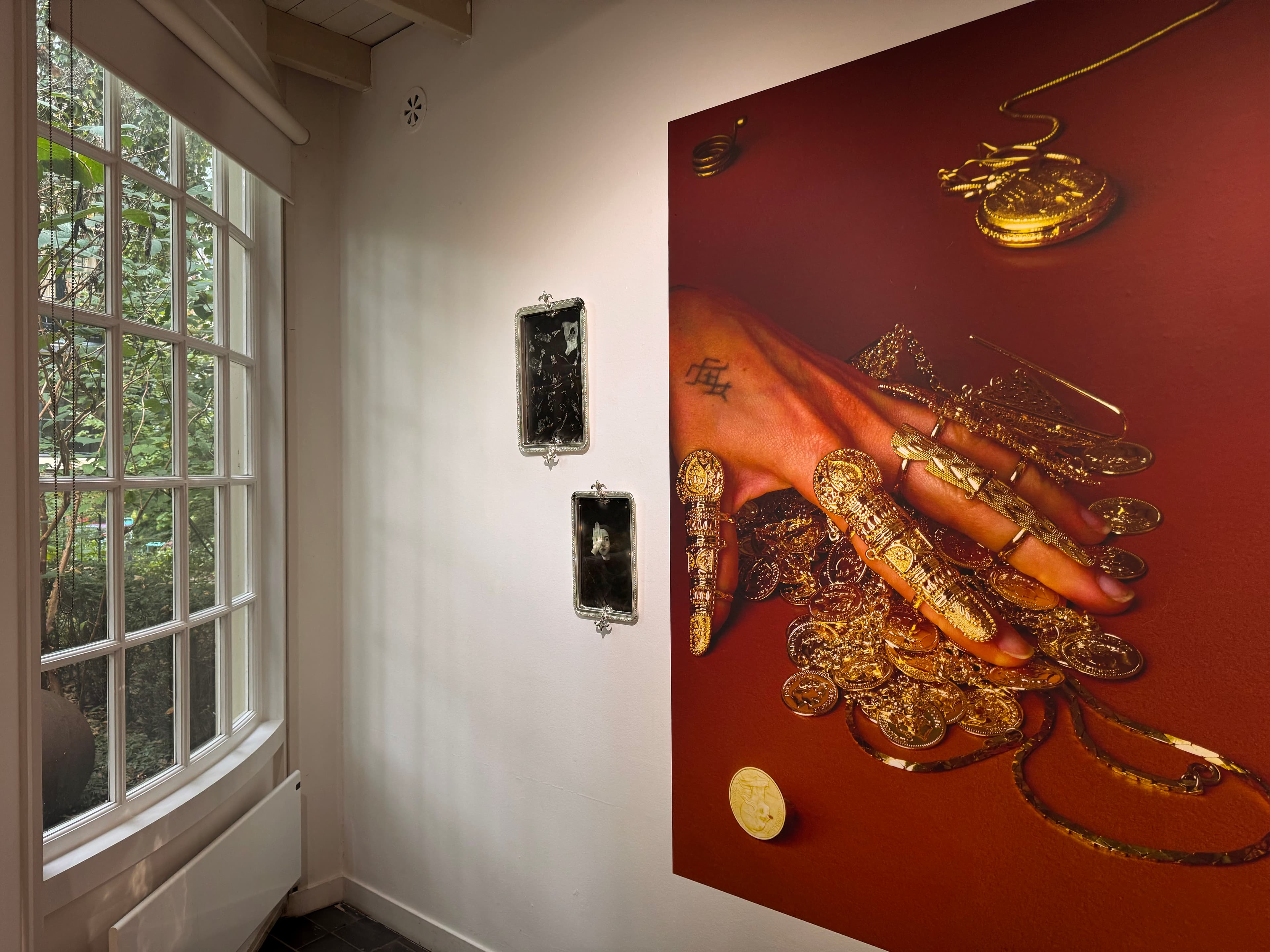
Huis Marseille will be showing Belongings (Ce qui nous appartient), the first solo exhibition in the Netherlands by the French-Algerian artist Maya Inès Touam. In recent years Touam has created remarkable, visually striking tableaus in which elements from different times, cultures, art movements and religions come together in a finely balanced way. Her compositions address contemporary themes that are close to the artist’s heart, allowing myths and masterpieces to find echoes in the present.
Maya Inès Touam - Belongings
Location
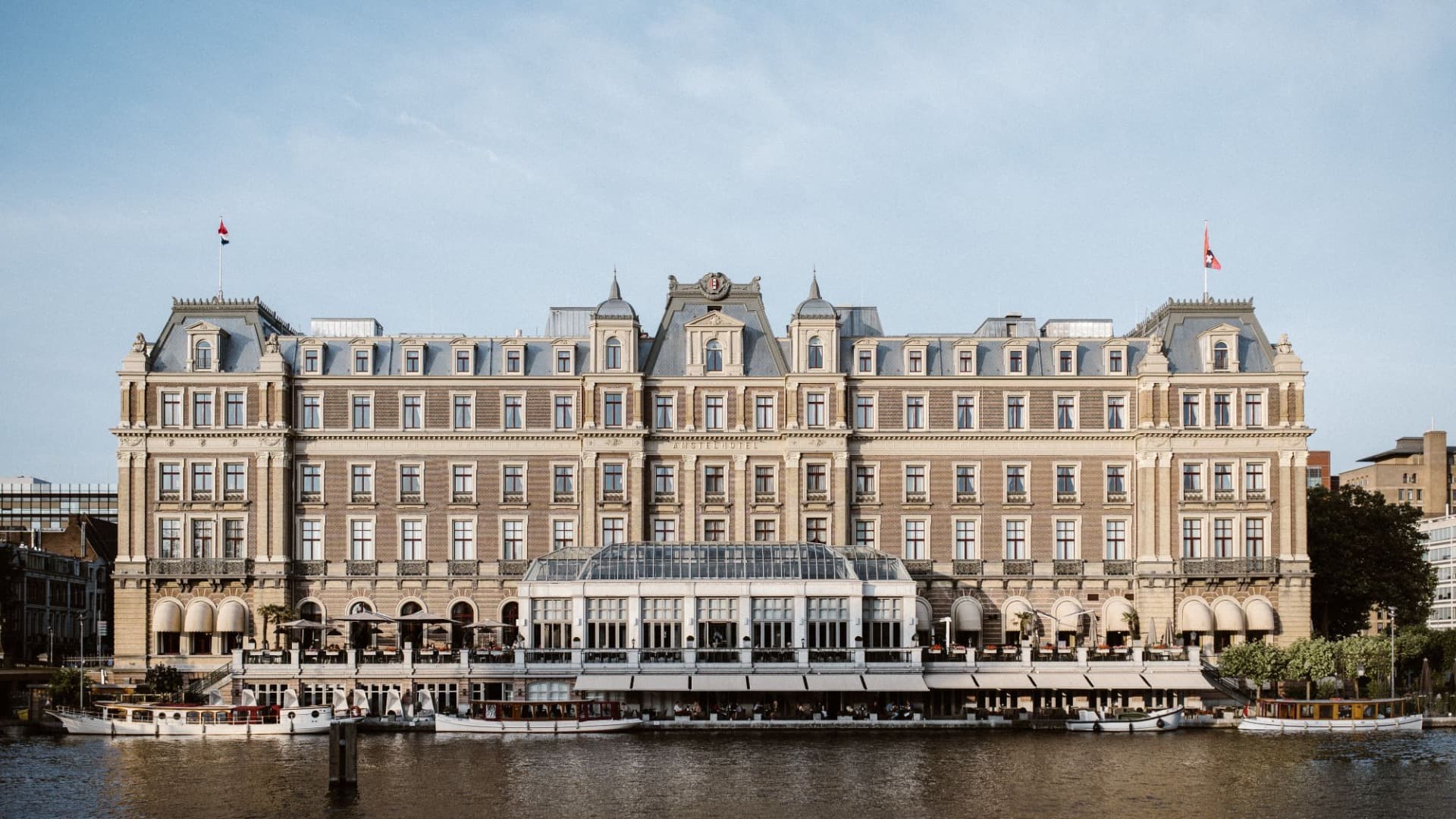
Huis Marseille, Museum voor Fotografie, Keizersgracht 401, 1016 EK Amsterdam
Show in Google MapsContact
Dates and times
| Date | Time |
|---|---|
| Monday 2 November | Time: 10:00 - 18:00 |
| Tuesday 3 November | Time: 10:00 - 18:00 |
| Wednesday 4 November | Time: 10:00 - 18:00 |
Accessibility
 General accessibility provisions and information
Present, available or allowed
- Service dog allowed

 Provisions for people with reduced mobility
Present, available or allowed
- Stairs with handrail

- Lift

 Provisions for people who are blind or partially sighted
Present, available or allowed
- Sensory experience

- Accessible information

Not present, not available or not allowed
- Personal assistant

- Guide lines

- Hearing loop (t-coil or headphones)

- Sign language interpretation provided

- Closed captioning

- Open captioning

- Hidden disability Sunflower-keycord recognised here

- Low stimulus hours

- Audio description

- Material in Braille

- Wheelchair accessible entrance

- Passageways that are sufficiently wide

- Accessible restroom

- Mobile payment