Exhibitions

Adolphe de Meyer - The Substance of a Venetian Dream
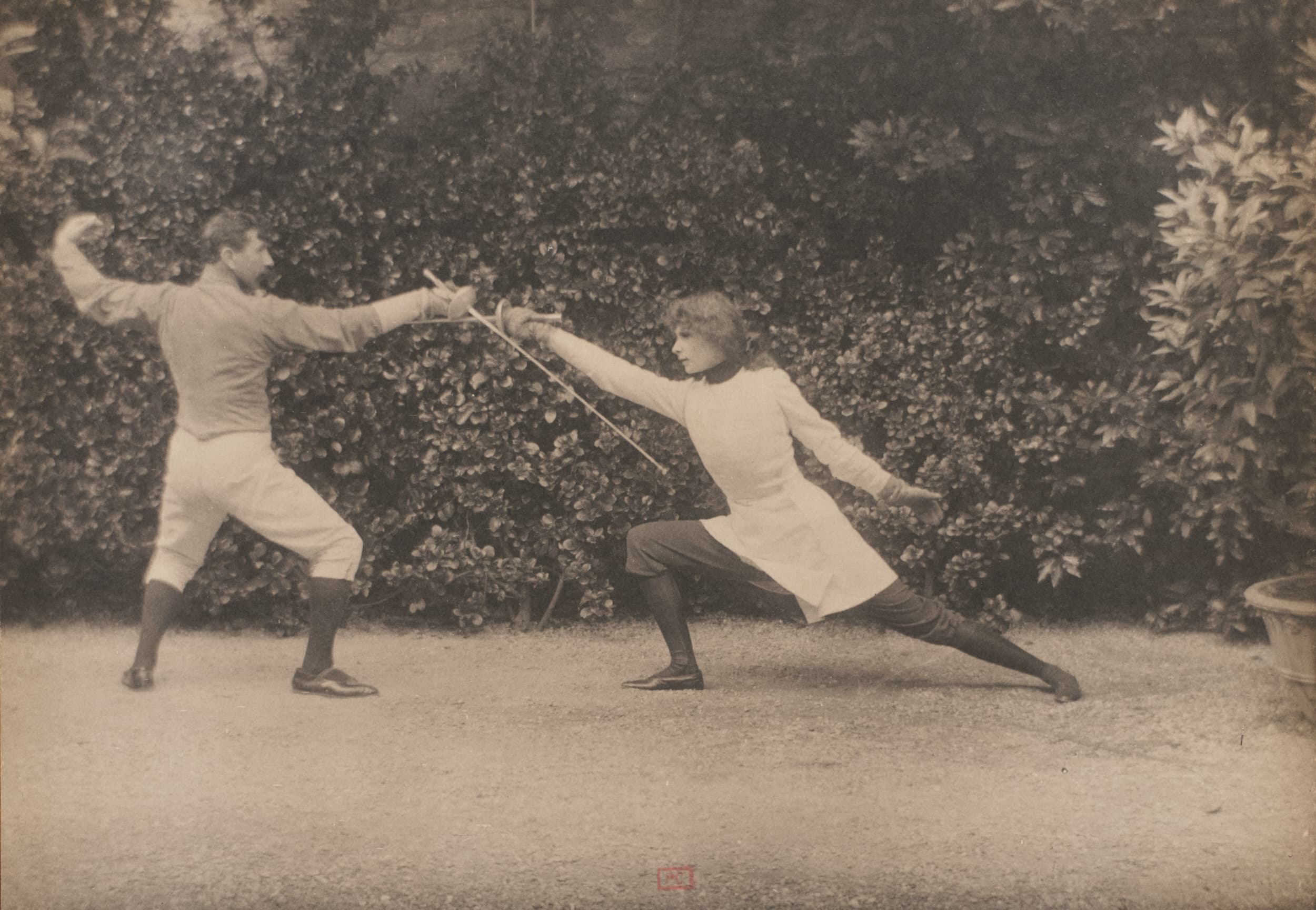
Le Grand Salut, location uncertain (potentially Venice), ca. 1910, courtesy of the Bibliothèque municipale de Tours
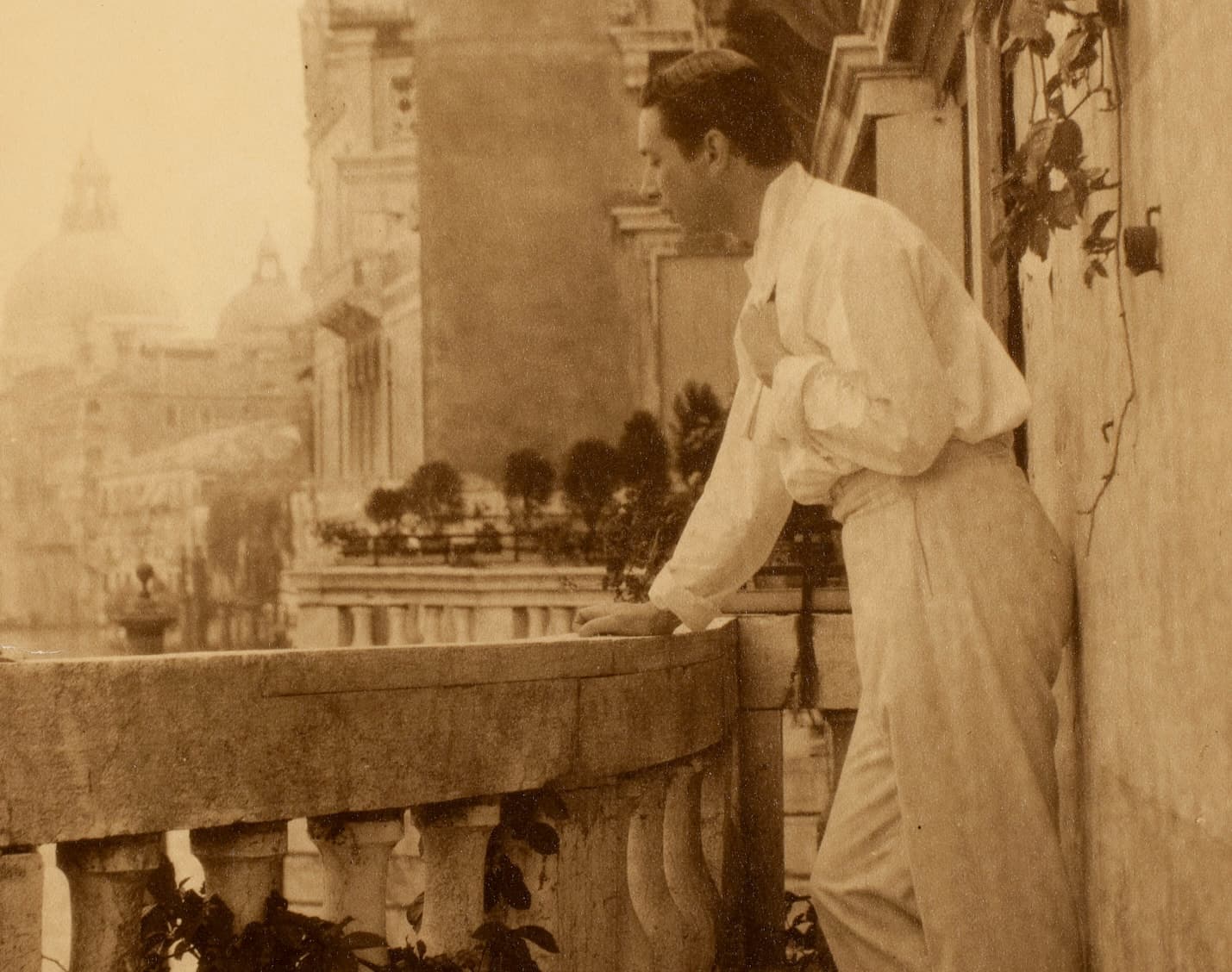
Adolphe de Meyer posing on a balcony, Palazzo Balbi-Valier, 1905 courtesy of the Bibliothèque municipale de Tours
Image from Attributed to Gertrude Käsebier
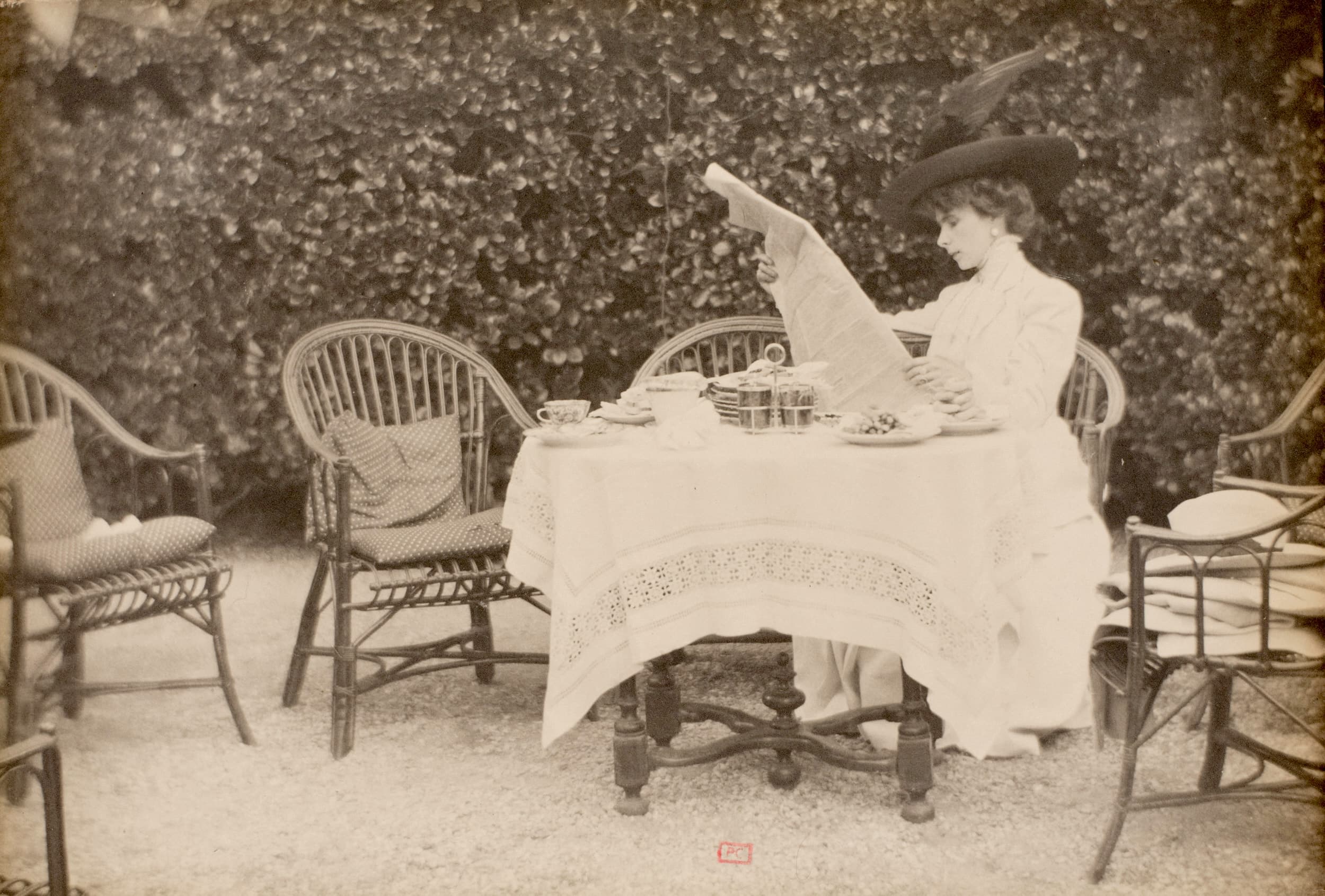
Olga de Meyer reading the paper in the garden of the Palazzo Balbi-Valier,ca.1905,courtesy oftheBibliothèquemunicipalede Tours
Image from Adolphe de Meyer
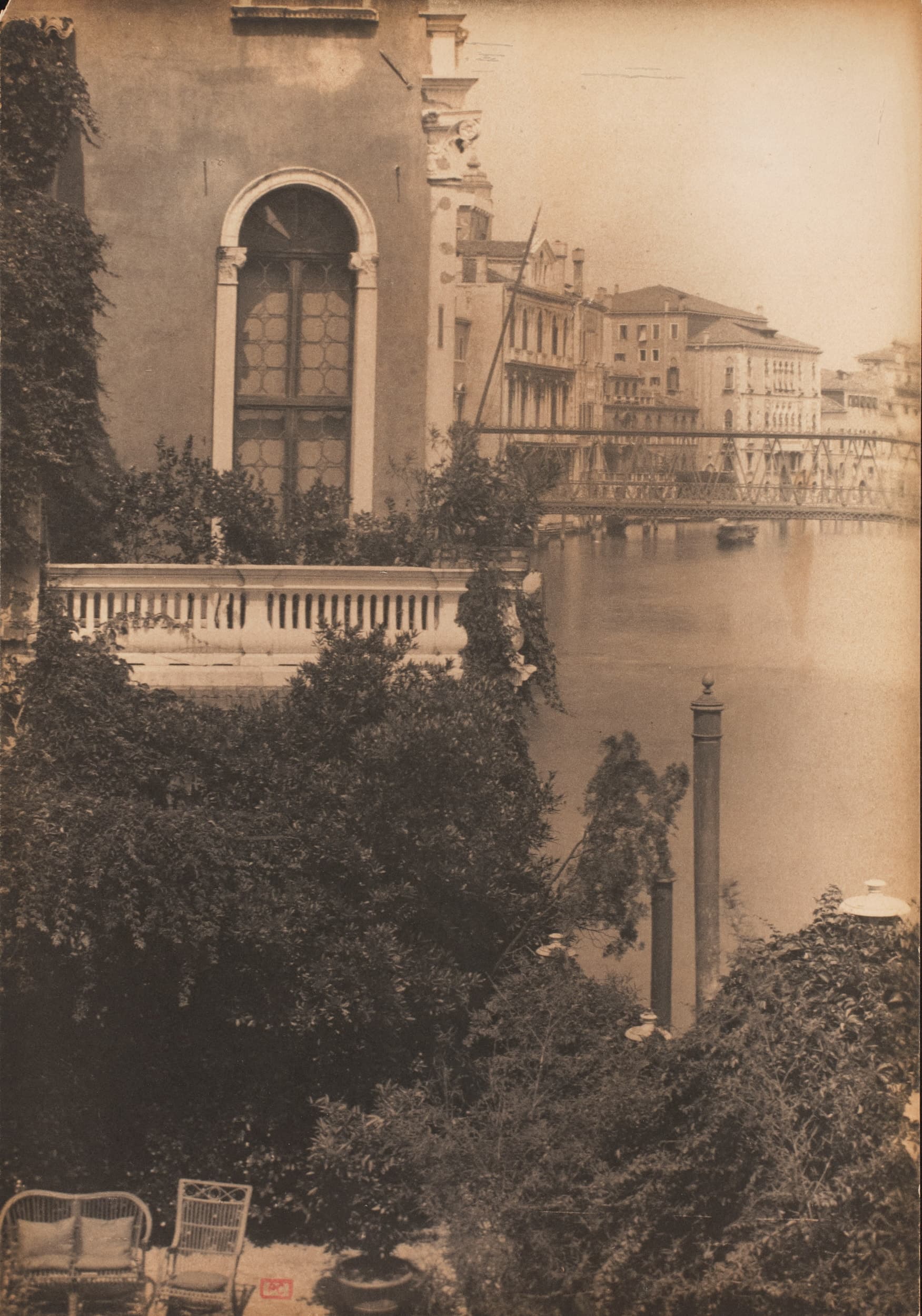
View of the garden from the Palazzo Balbi- Valier (side view of the Palazzo Contarini Dal Zaffo, also know as Contarini Polignac),ca.1904–1908, courtesyoftheBibliothèque municipaledeTours
Image from Attributed to Adolphe de Meyer
1/6
Slide 1 of 6

Huis Marseille presents a premiere of Adolphe de Meyer’s rediscovered collection of photographs of Venice. The Substance of a Venetian Dream is the first ever European museum exhibition devoted to the photographer Adolphe de Meyer (1868–1946). This follows the remarkable discovery in 2019 in the municipal library of Tours: a series of 75 photographs documenting his life and photographic work in Venice. This collection is being displayed in its entirety for the first time, and offers an exceptional glimpse into his personal and artistic world.

Adolphe de Meyer - The Substance of a Venetian Dream
Dates

Mon 2 Nov10:00 - 18:00
Tue 3 Nov10:00 - 18:00
Wed 4 Nov10:00 - 18:00
More dates

Location

Huis Marseille, Museum voor Fotografie, Keizersgracht 401, 1016 EK Amsterdam
Show in Google Maps

A pioneer of fashion photography

Adolphe de Meyer was born in Paris in 1868 and enjoyed a fascinating and ground-breaking career in both Europe and the United States. Historians recognise him today principally as a pictorialist photographer (a movement that approached photography as an art form), as a virtuoso portraitist, and above all as a fashion photographer. He was one of the first to elevate fashion photography to artistic heights, creating elegant images for the pages of Vogue, Vanity Fair and Harper’s Bazaar. It is less well known that he was also an interior decorator, designer, art collector, journalist and writer. He turned his whole life into a work of art, in which photography, clothing, interiors and stagings expressed a coherent artistic vision: that of a man continuously reinventing himself and his surroundings.

Globetrotter

His travels were a constant and invaluable source of inspiration, usually in the company of his wife and creative partner Olga. Japan was an early love, followed by China, India and South America. De Meyer made the world his field of experimentation, and he also proved able to apply the meticulous precision of his studio to the photographic work done outside his atelier. Despite a remarkably successful and influential career he was almost unknown when he died in Los Angeles in 1946.

A Venetian dream

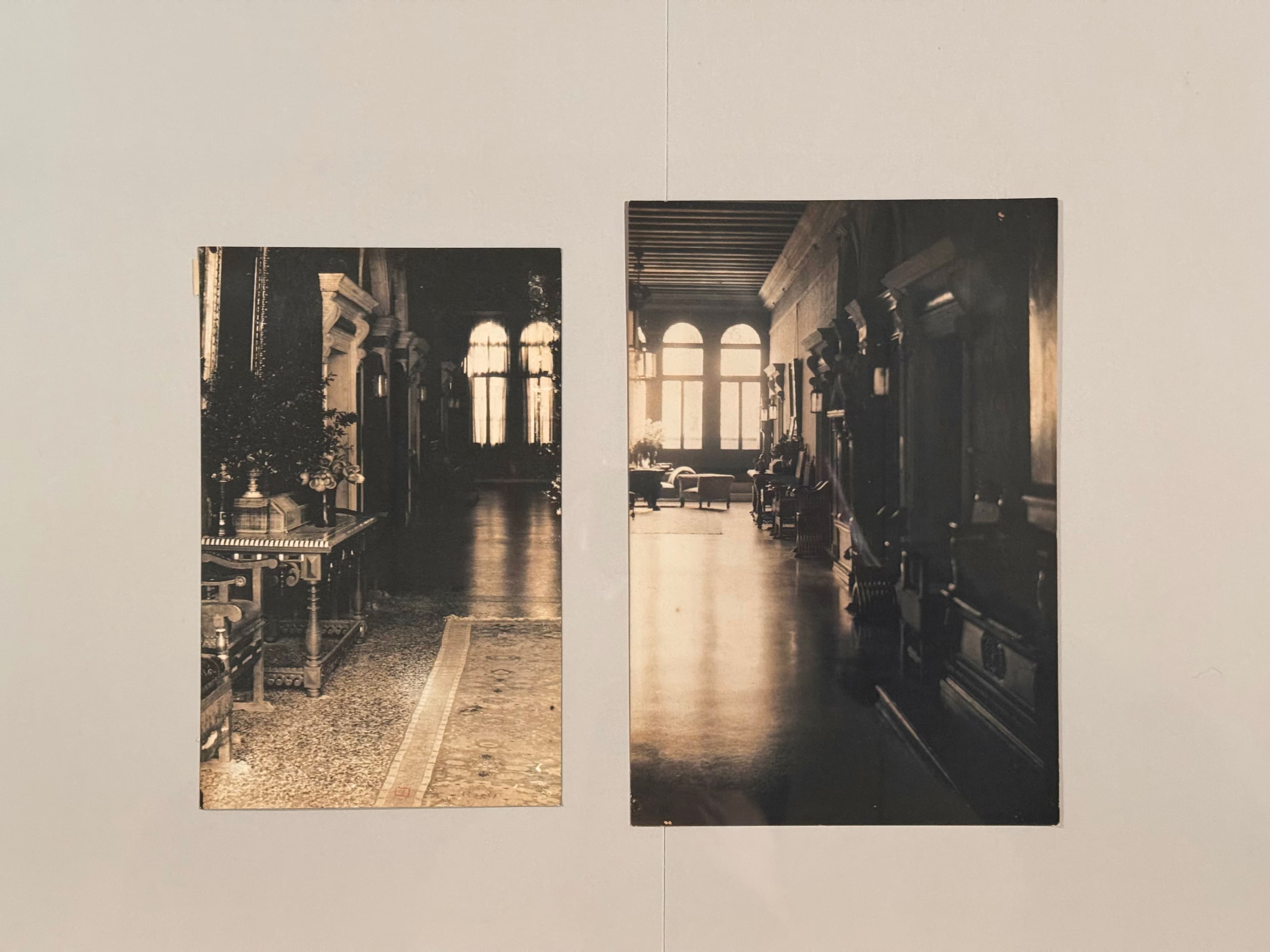
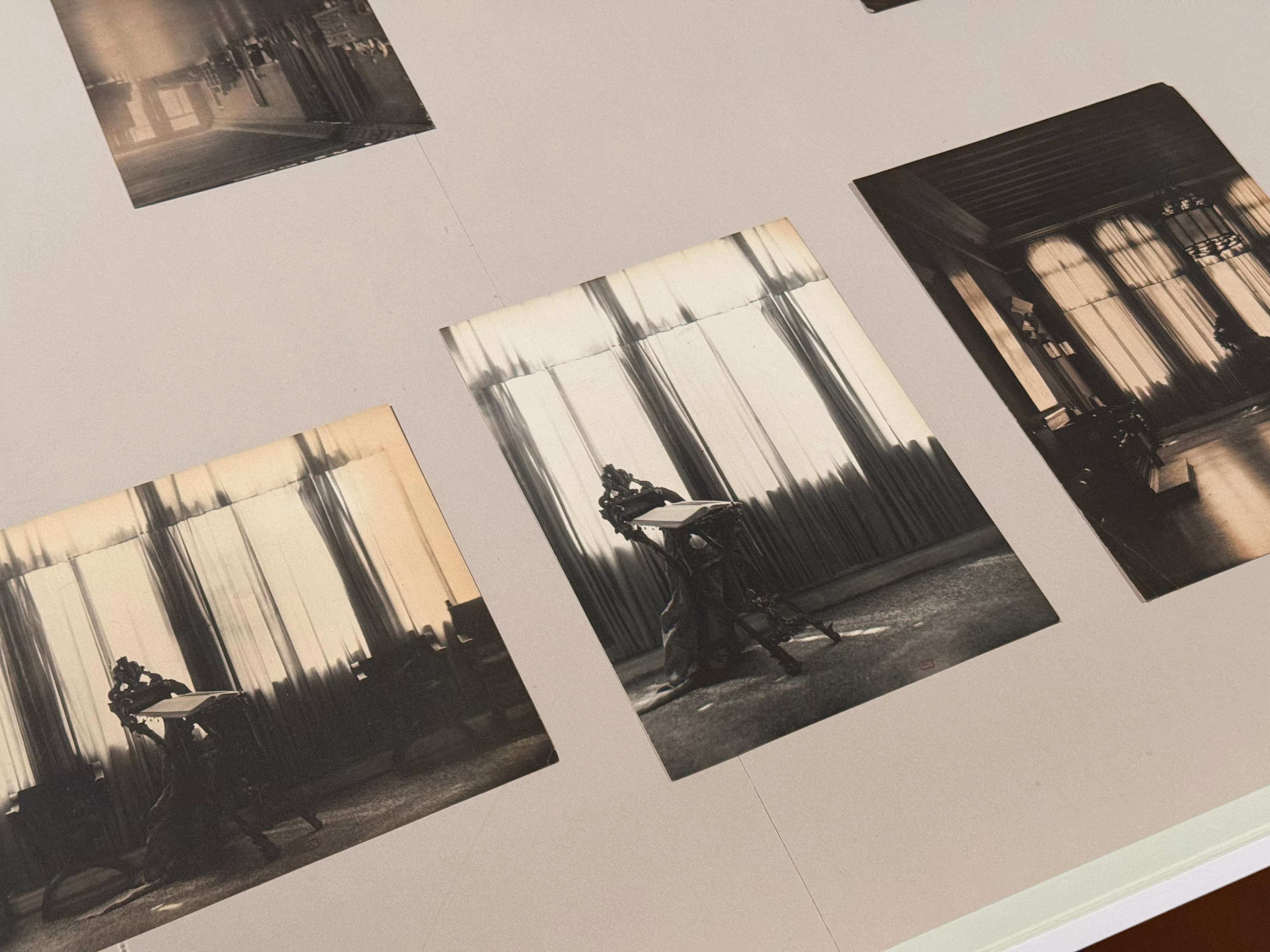
Venice had a special place in his heart. Between 1904 and 1908/09 Adolphe and Olga rented the Palazzo Balbi-Valier, an opulent 17th-century palace surrounded by gardens, that De Meyer transformed from a dilapidated building into a landmark attraction that was pointed out to tourists by tour guides and gondoliers. The Palazzo was a vibrant cultural centre, whose guests included the photographers Gertrude Käsebier and Frances Benjamin Johnston and the art collector Isabella Gardner; De Meyer also invited Auguste Rodin to come and work there. Palazzo Balbi-Valier was first and foremost an extension of his studio, where he experimented with light, staging, and early colour photography, developing an aesthetic that would strongly influence his work and fashion vision.

Through eight different themes the exhibition explores his life, work, artistic network, and the many facets of his work, from fashion photography and interior design to art collection, as well as his special relationship with Olga. Visitors will have a rare opportunity to discover some of the secrets behind this ground-breaking fashion photographer, as well as the city that fired his imagination throughout his life.

Dates and times

DateTime
Monday 2 NovemberTime: 10:00 - 18:00
Tuesday 3 NovemberTime: 10:00 - 18:00
Wednesday 4 NovemberTime: 10:00 - 18:00

Accessibility

General accessibility provisions and information

Present, available or allowed

  • Service dog allowed

Provisions for people with reduced mobility

Present, available or allowed

  • Stairs with handrail
  • Lift

Provisions for people who are blind or partially sighted

Present, available or allowed

  • Sensory experience
  • Accessible information

Not present, not available or not allowed

  • Personal assistant
  • Guide lines
  • Hearing loop (t-coil or headphones)
  • Sign language interpretation provided
  • Closed captioning
  • Open captioning
  • Hidden disability Sunflower-keycord recognised here
  • Low stimulus hours
  • Audio description
  • Material in Braille
  • Wheelchair accessible entrance
  • Passageways that are sufficiently wide
  • Accessible restroom
  • Mobile payment

Similar in Amsterdam

Others also read