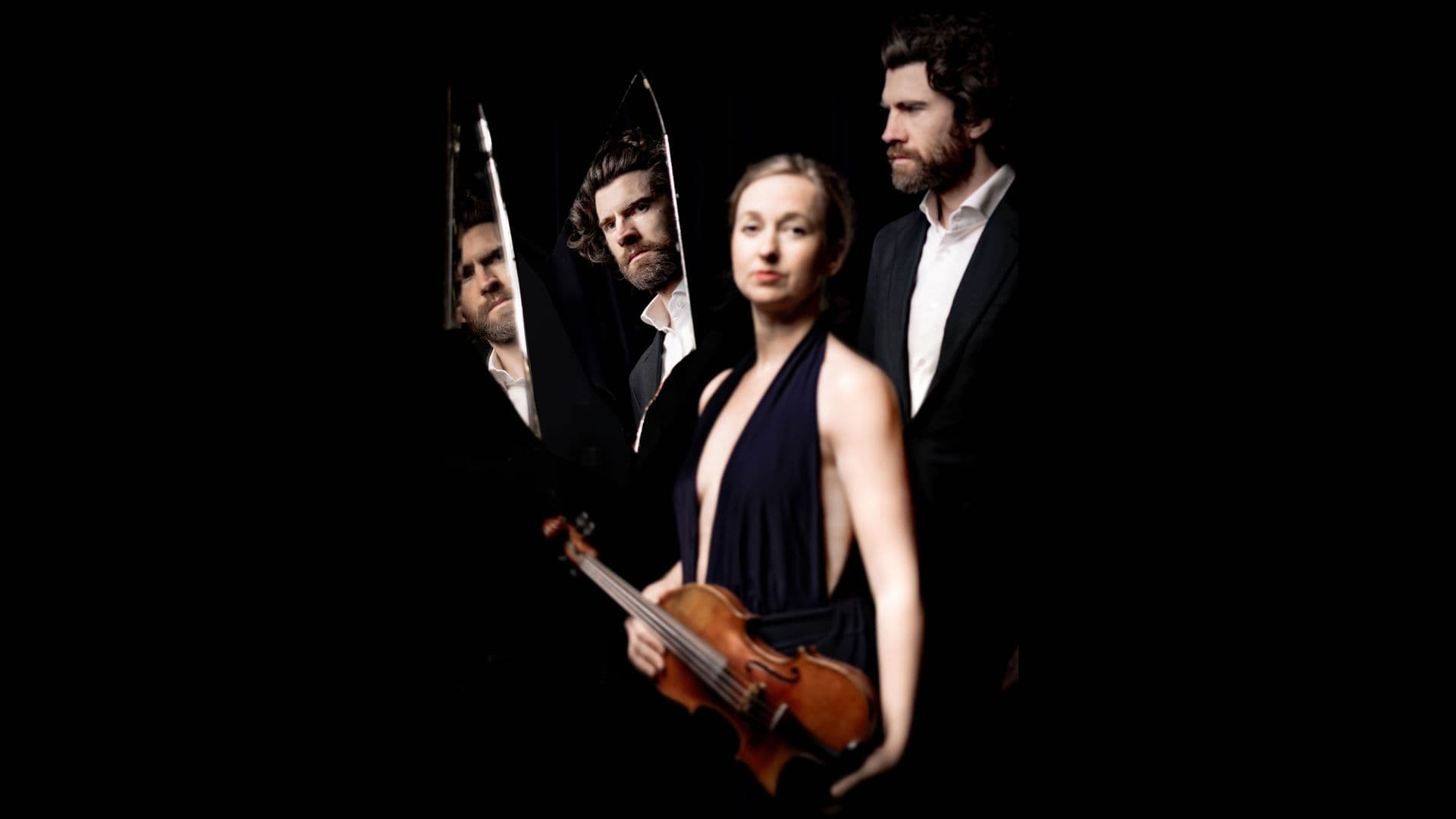
Kreutzersonate is a compelling music theatre performance about a jealous husband who, blinded by suspicion and wounded pride, recounts the murder of his wife. But he is not alone: his story is propelled by the music connected to Tolstoy's famous novella Kreutzersonate, on which this performance is based. The female string quartet Ragazze Quartet performs the music: Beethoven's Kreutzersonate for violin and piano from 1803 plays a central role in Tolstoy's novella; the story itself inspired composer Leoš Janáček to write his poignant Eerste Strijkkwartet (Kreutzer Sonata).
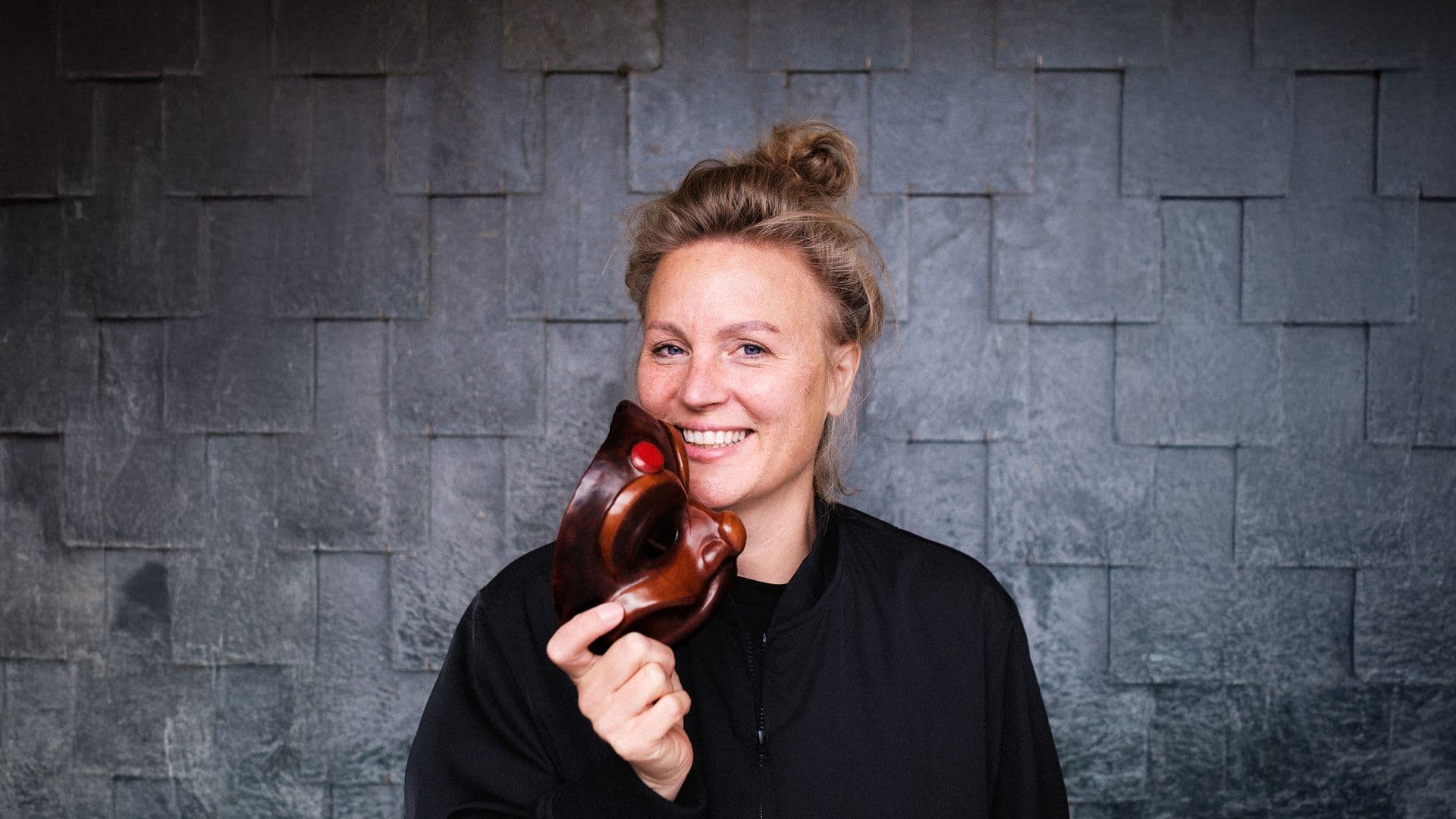
Inspired by two novels by Tolstoy's wife Sofia Tolstaja, which she wrote in response to her husband's story, the quartet gives voice to the female perspective. Actor Benja Bruijning and the Ragazze Quartet perform a layered production about love, power, art, and destruction in a time when femicide is still painfully relevant.
Actor Benja Bruijning plays the role of the jealous husband from Tolstoy's Kreutzersonate (1889). A man who murdered his wife, blinded by suspicion and wounded pride. He relives the story of his marriage, in which the happy honeymoon period quickly turns into a volatile, toxic prison. When a violinist enters his wife's life – with whom she plays music – the story moves inevitably towards the fatal conclusion: the moment of the murder. In a ruthless account, he tries to explain – and perhaps even justify – his act.
In a time when femicide is still a harrowing reality, the uncompromising examination of lust, suspicion, and infidelity in Tolstoy's novella remains painfully relevant. So where is the voice of the nameless murdered woman in Tolstoy's story? In response to her husband's novella, Sofia Tolstaja (Tolstoy's wife) wrote two novels in which she sheds her own light on unhappy marriages with jealous husbands, from the woman's perspective. She wrote the novels in 1893 and 1910, but they were not published until 1994 and 2010. Based on these two works, the Ragazze Quartet gives voice to the woman in this fateful story about love, disappointment, and jealousy.
Benja Bruijning’s monologue is interwoven with relevant music, played by the Ragazze Quartet. In 1923, composer Leoš Janáček wrote his poignant Eerste Strijkkwartet called Kreutzer Sonata, which he directly inspired by Tolstoy's novella. When writing this string quartet, Janáček imagined the “poor woman [from the novella], tormented and exhausted”. The string quartet interprets the psychological drama, full of moments of conflict and passion, ending in a poignant climax. The Ragazze Quartet brings this music to life, as the beating heart of the performance.
Beethoven's Kreutzersonate for violin and piano from 1803 plays a central role in Tolstoy's novella, but especially as the work that the jealous protagonist's wife rehearses with the violinist who arouses his jealousy. “A terrible thing, that sonata. Especially that first movement. And in general, music is a terrible thing. What is it about? I don't understand it,” says the protagonist. In addition to the central work by Janáček, parts of Beethoven's sonata for violin and piano are incorporated into the performance in an arrangement for string quartet.

 General accessibility provisions and information


 Provisions for people with reduced mobility


 Provisions for people who are blind or partially sighted

 Provisions for people who require low sensory environments