Exploring Art and History
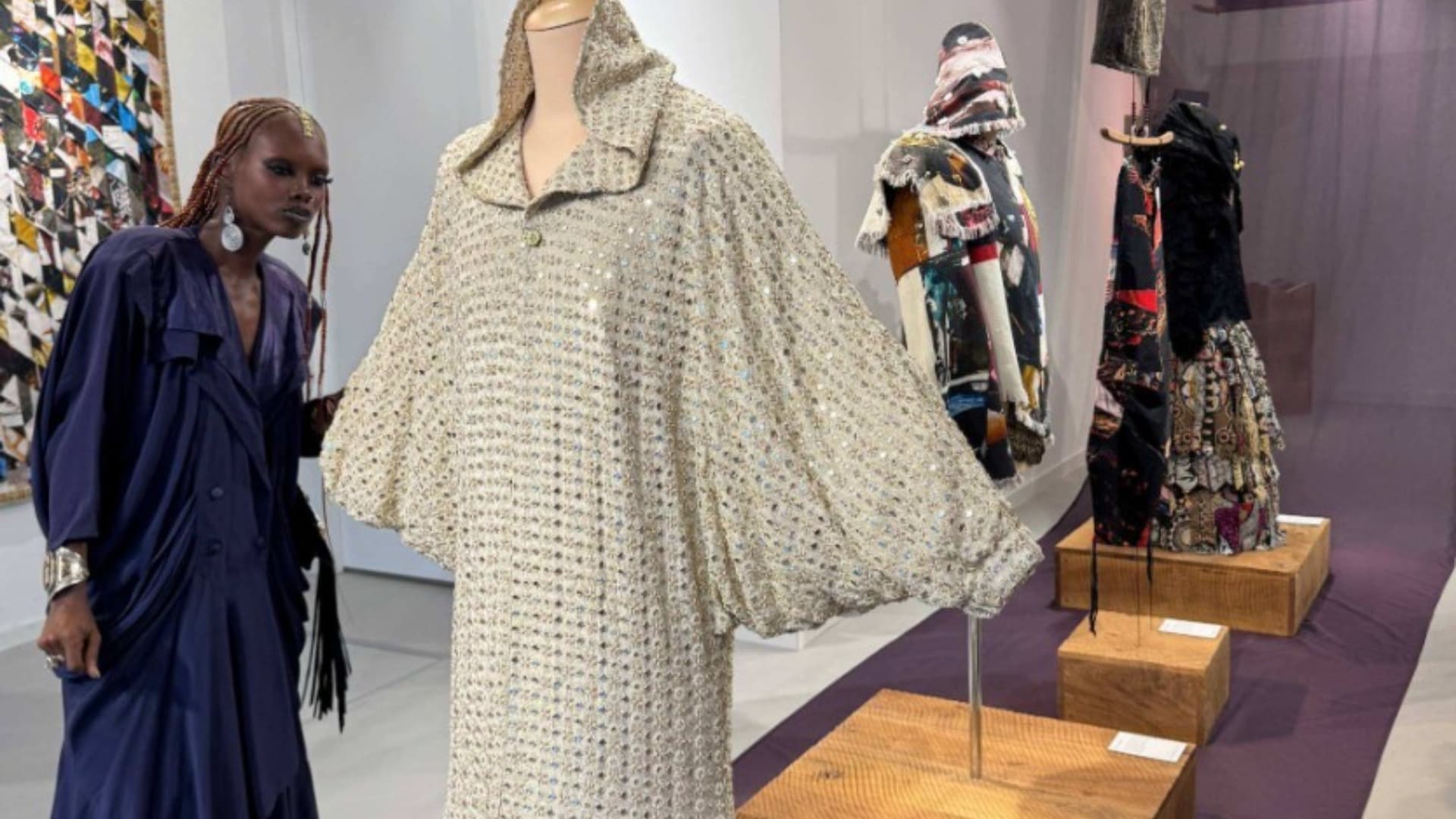
The Upon Us After exhibition brings together the works of Amra Khan, Naira Mushtaq, and Sehr Jalil. This exhibition considers how objects live beyond their original purpose or context. It explores the "object of translation," examining how various items become vessels that carry histories through time, place, and memory. You will discover how these artists interpret the past.
The Dynamic Nature of History
This exhibition shows history not as something fixed, but as a continuous process of translation. Objects gain new meanings and lose old ones as they move through generations, geographies, and power systems. They serve as witnesses to both personal and collective histories, holding traces of what is remembered, altered, or erased. This translation is not only about language but also about material, culture, and politics.
Memory Through Material Culture
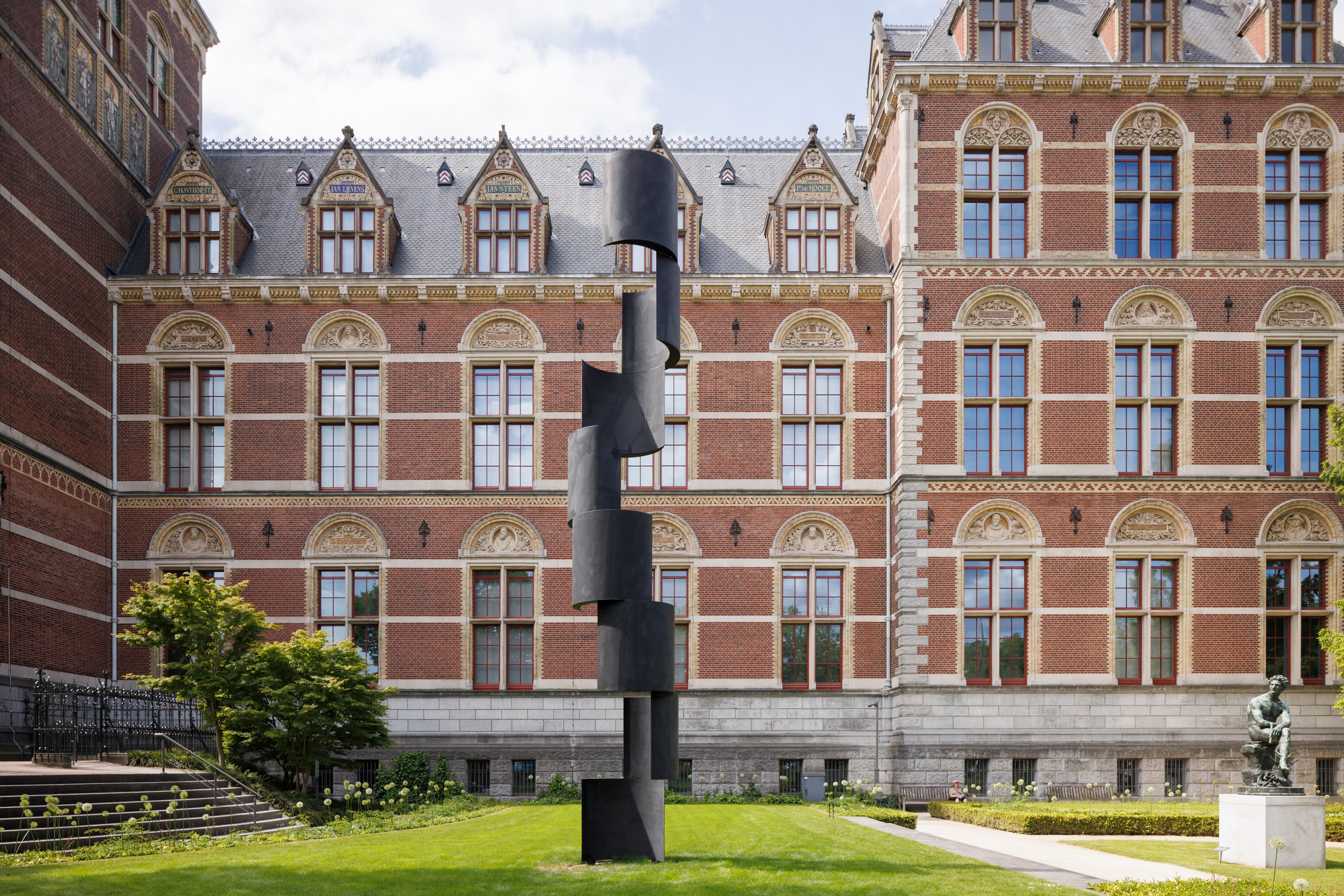
In Upon Us After, material culture helps preserve memory. Objects, images, and spaces are not just old remnants but active storytellers, constantly reinterpreted. Monuments lose their certainty, archives reveal gaps, and everyday items become important for lived experiences, inheritance, and belonging. You will see how these elements combine to form a rich narrative.
Artists and Their Perspectives
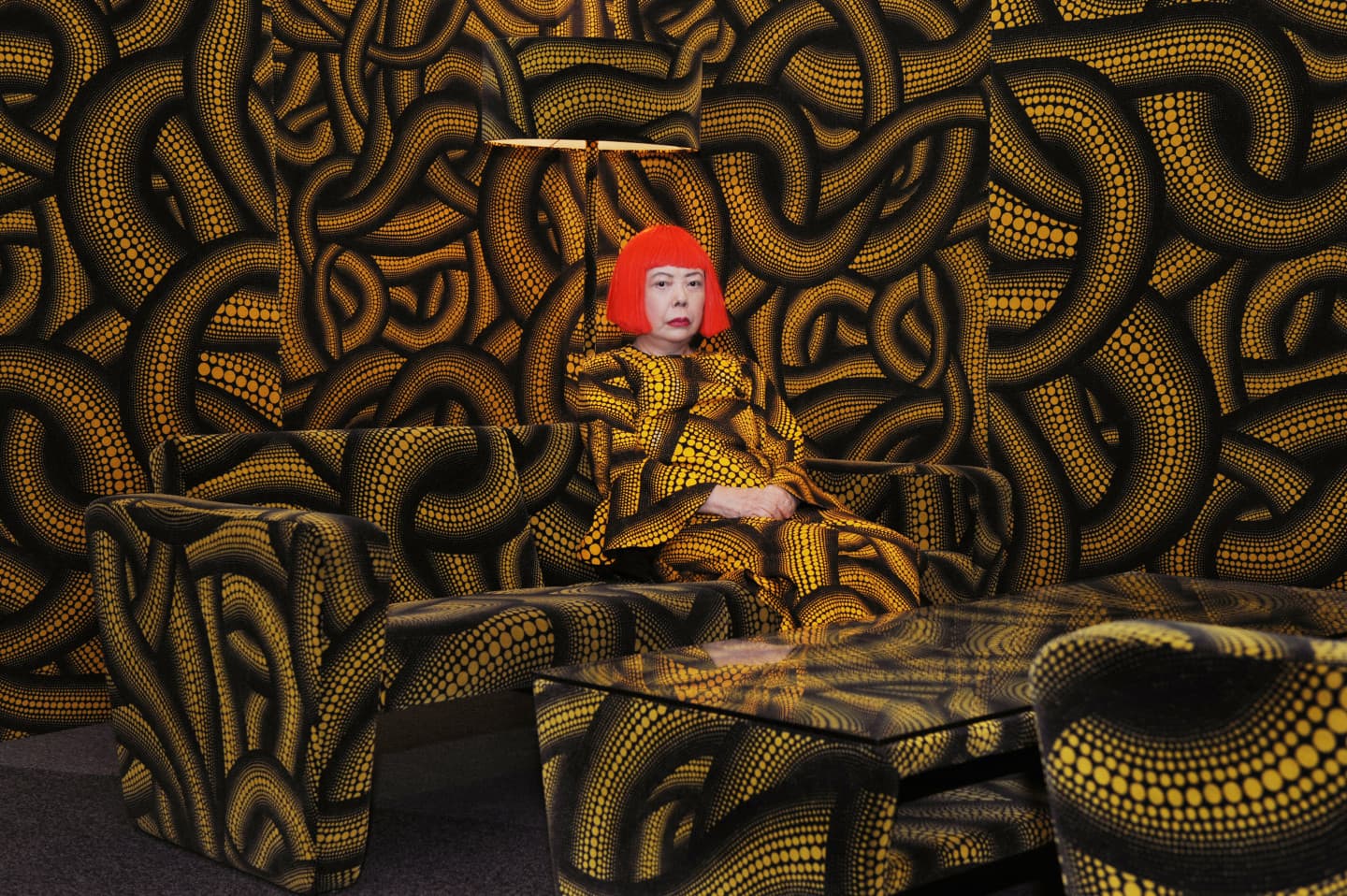
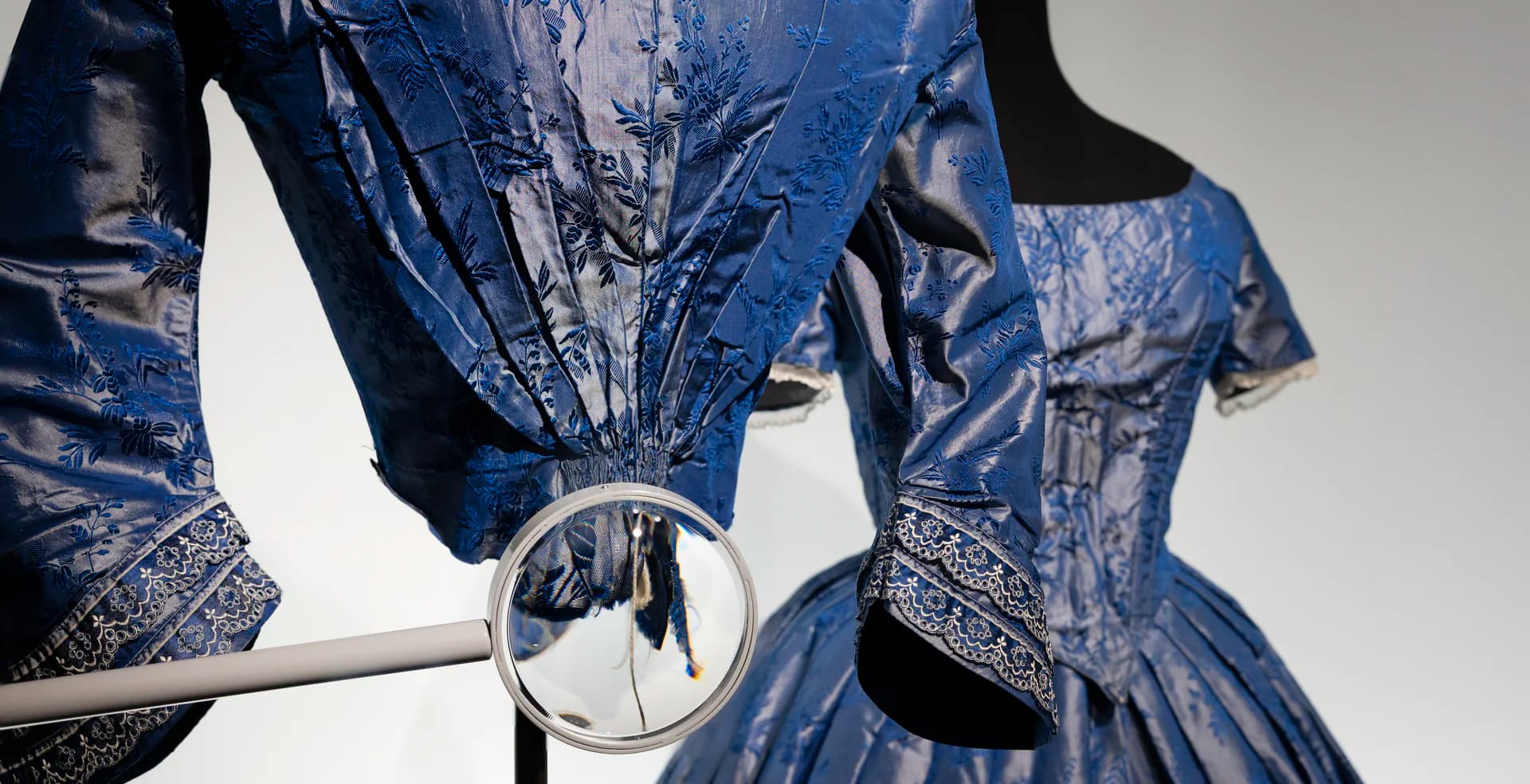
Amra Khan uses devotional artifacts, textiles, and repurposed materials to show how beliefs and identities are woven into material culture. Naira Mushtaq works with political imagery and monuments, revealing the instability of official stories. Sehr Jalil focuses on family archives and domestic spaces, viewing memory as a living structure rebuilt through care and storytelling. Her work shows the ancestral home as a shifting place of memory.