Exhibitions
Free exhibition: Carel Visser in the Rijksmuseum gardens
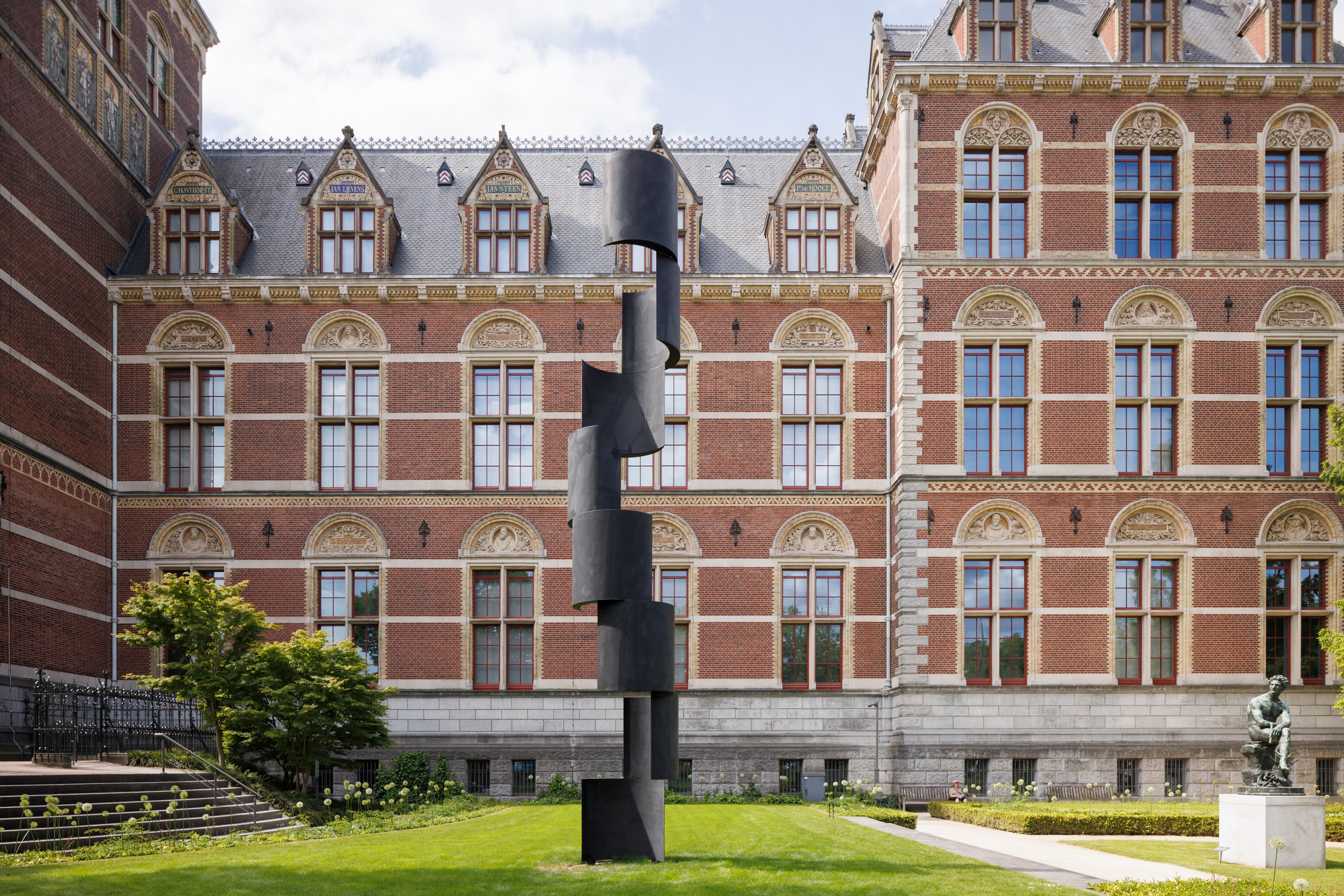
In the Rijksmuseum Gardens, you will discover thirteen monumental sculptures of iron and bronze by Carel Visser. These sculptures, some up to 8 meters tall, come from various collections and are now on display together for the first time. A unique opportunity to experience the work of this Dutch artist.
Free exhibition: Carel Visser in the Rijksmuseum gardens
Dates and times
| Date | Time |
|---|---|
| Tuesday 30 June | Time: 09:00 - 18:00 |
| Tuesday 30 June | Time: 09:00 - 18:00 |
Accessibility
 General accessibility provisions and information
Present, available or allowed
- Service dog allowed

- Personal assistant

- Wheelchair accessible entrance

 Provisions for people with reduced mobility
Present, available or allowed
- Stairs with handrail

- Lift

- Passageways that are sufficiently wide

- Accessible restroom

- Mobile payment

 Provisions for people who are blind or partially sighted
Present, available or allowed
- Guide lines

- Sensory experience

- Audio description

- Accessible information

 Provisions for people who are deaf or hard of hearing
Present, available or allowed
- Hearing loop (t-coil or headphones)

- Sign language interpretation provided

- Closed captioning

- Open captioning

 Provisions for people who require low sensory environments
Present, available or allowed
- Hidden disability Sunflower-keycord recognised here

- Low stimulus hours

Not present, not available or not allowed
- Material in Braille