Everything you need to know about day-to-day life in the Netherlands
23 September 2025
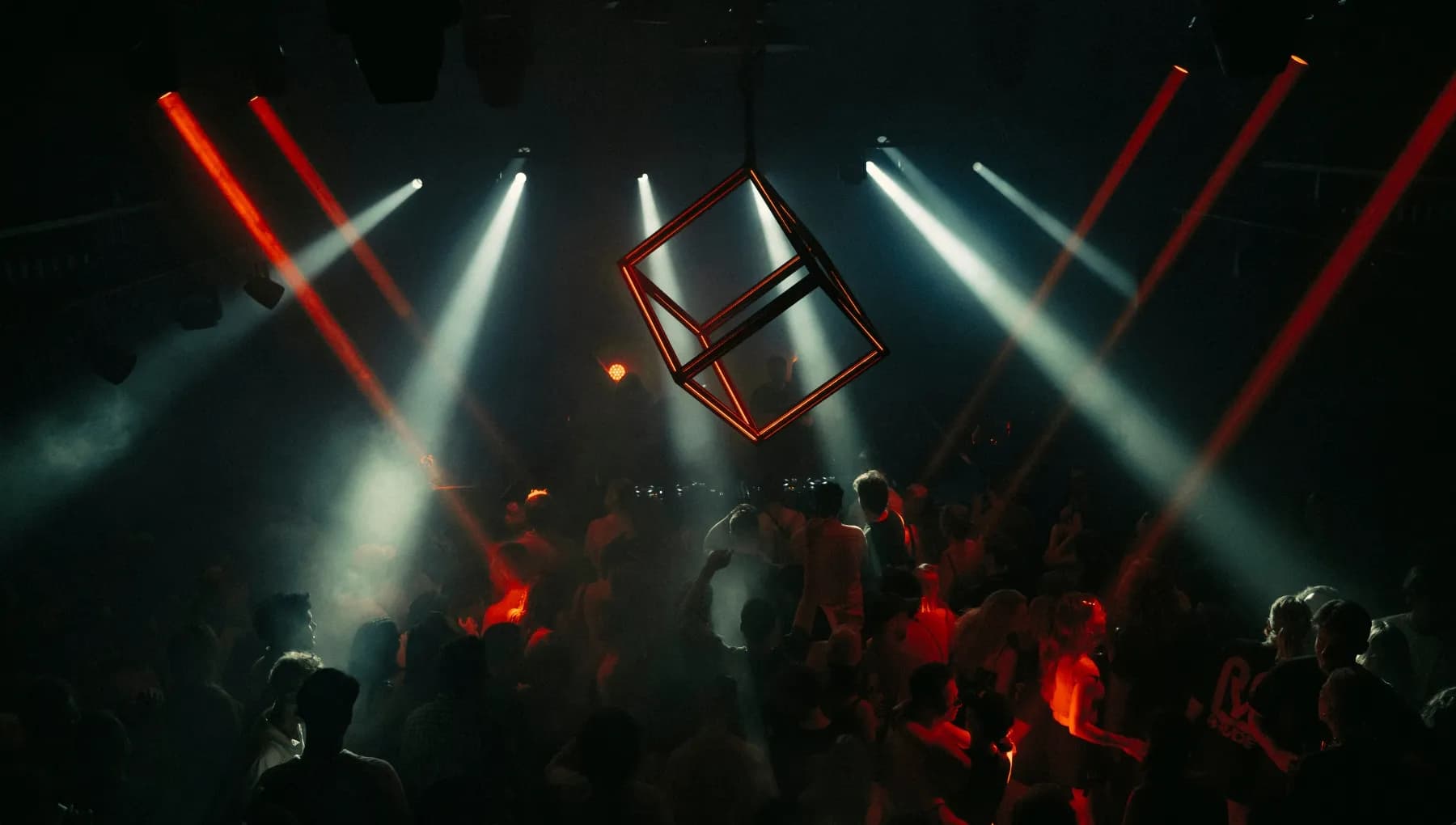

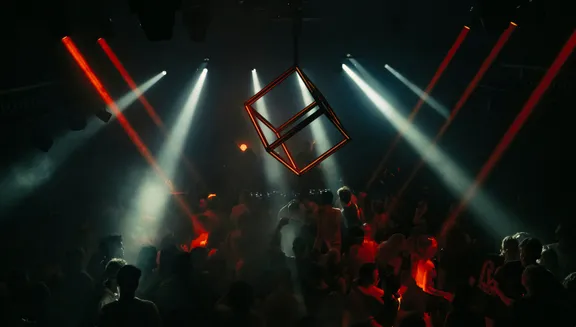
There's almost too much choice in Amsterdam. You’ll find some of the best clubs here, as well as LGBTQI+ clubbing options and where to go for sober nightlife too. Plus, you’ll find great smaller music venues for intimate gigs, karaoke bars and listening bars for a low-key night out.

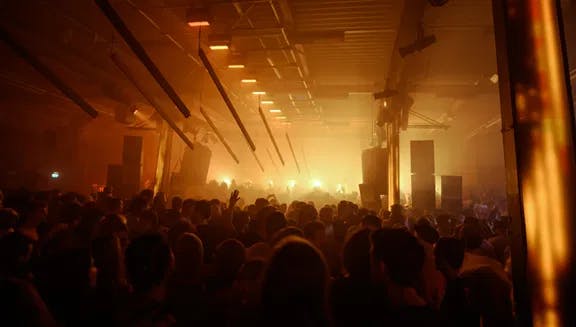
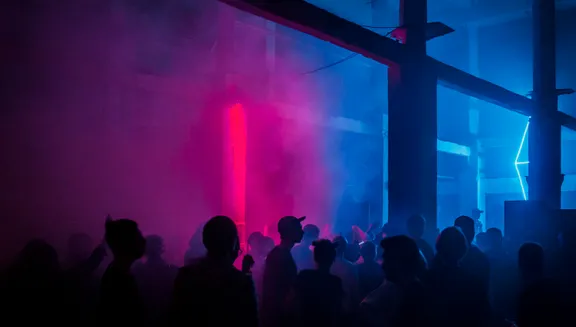
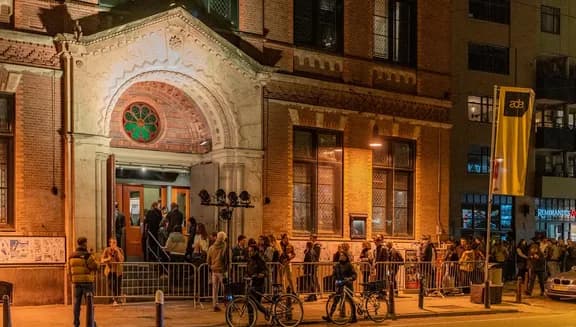
Amsterdam is a global hub for techno and electronic music and at most clubs, this is what you’ll find. The capital hosts ADE (Amsterdam Dance Event), a yearly event that brings together the world’s biggest and emerging electronic names for a five-day programme of parties, workshops and sets. But the city has plenty more to offer beyond this genre, with everything from jazz to reggae.
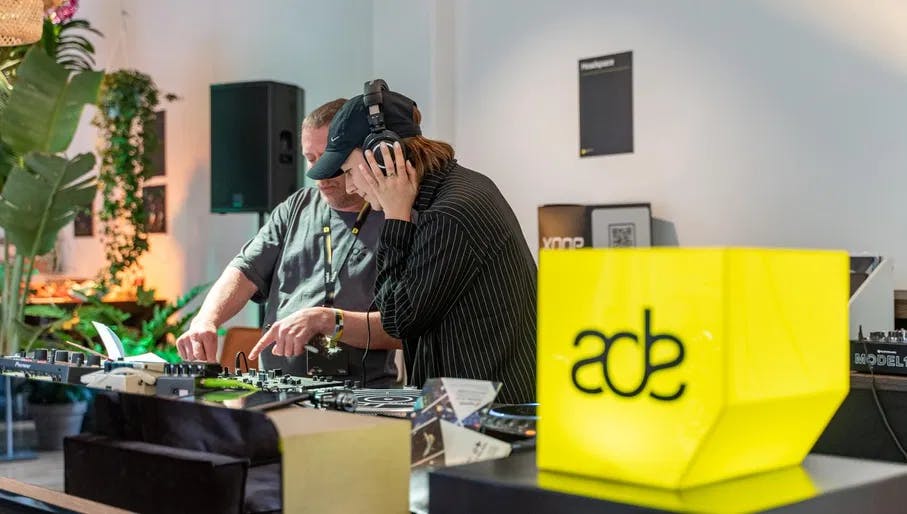
Our concert & clubbing guide is published monthly with some of the best parties and gigs on offer that month, while our clubbing & nightlife section is always up to date. Alternatively, check out our What’s On agenda, the websites of some of the city’s best venues or places like Resident Advisor for an in-depth calendar of upcoming parties. Otherwise check Reddit – it’s always a good resource.
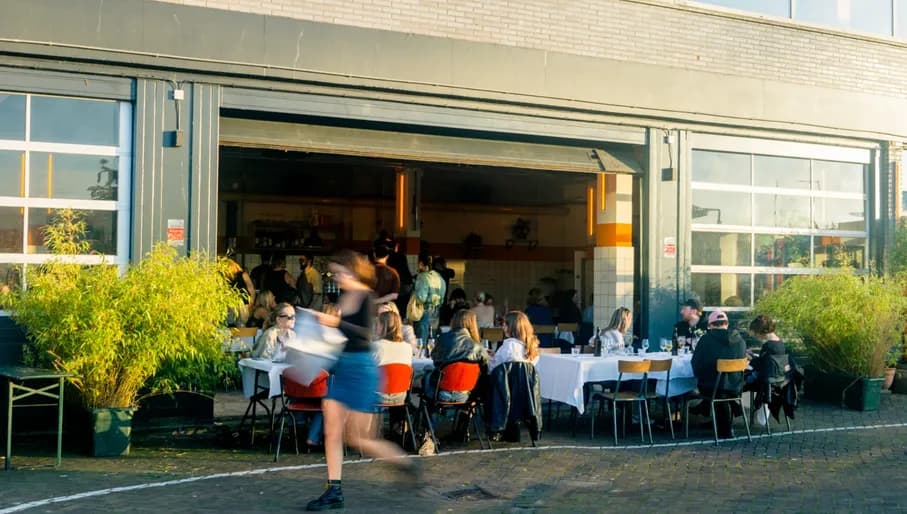
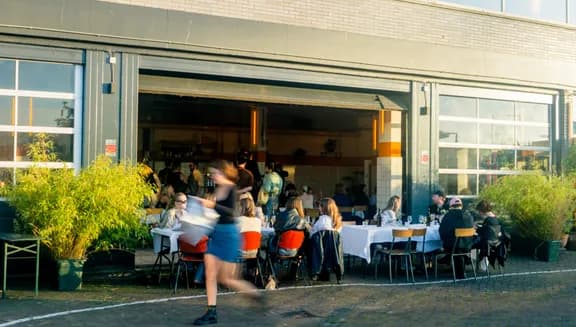
In Amsterdam, you’ll find it all. If you want a more classic night at a bar/restaurant with a dancefloor, this guide to dinner and dancing in Amsterdam has you covered, which includes a number of daytime venues that will sate your appetite. There are plenty of daytime parties too, though these tend to be bigger in the summertime when the weather is nicer – check out places like Thuishaven, Der Hintergarten and Lofi.
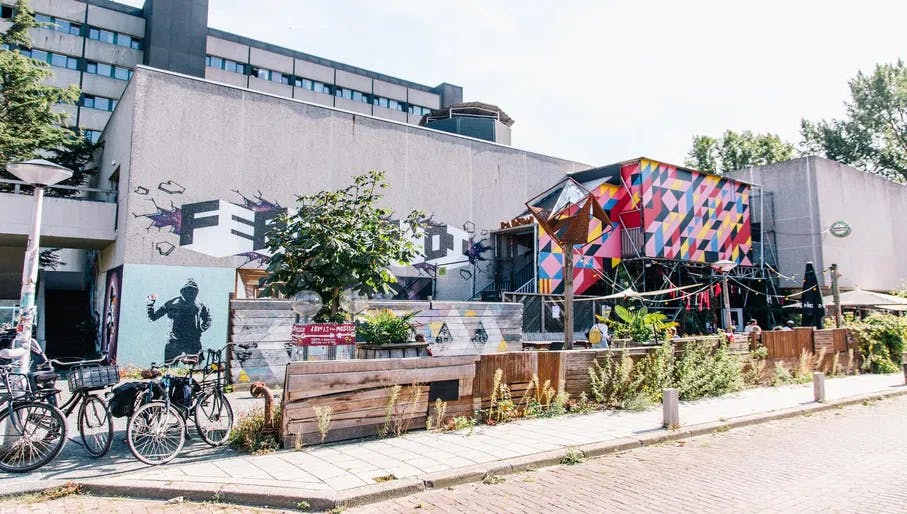
Compared to other cities where partygoers make a beeline for a venue week after week, going out here is much more about the party than just the location. Places like Reguliersdwarsstraat – the gay street – has options for drinks and dancing, while venues like RADION and Garage Noord, for example, have a very curated programme. So it’s always worth looking up what party is on that night to see if it’s a fit.
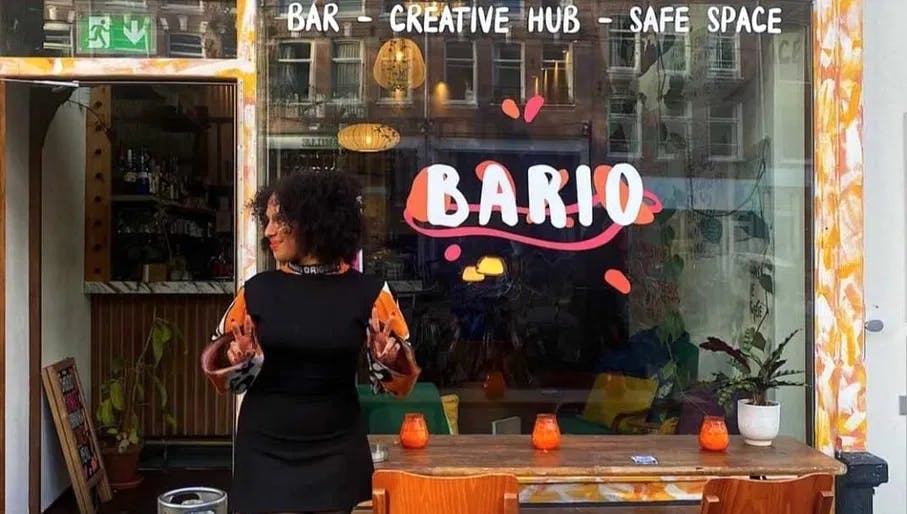
Safe spaces can mean a lot of things, but namely, that these are areas where safety is prioritised. That often caters to specific groups and demographics, like women, people of colour and the LGBTQI+ community. It’s essentially about fostering an atmosphere of tolerance, safety and consent – where there’s no room for discrimination of any kind. No place can be 100 per cent safe, but many clubs make an active effort to be aware of this. Most clubs have awareness teams whose job is to ensure the parties remain safe for all. Feel free to speak to them at any moment in the night if you have questions or feel unsafe, whether that’s from people around you or from substances you’ve taken.
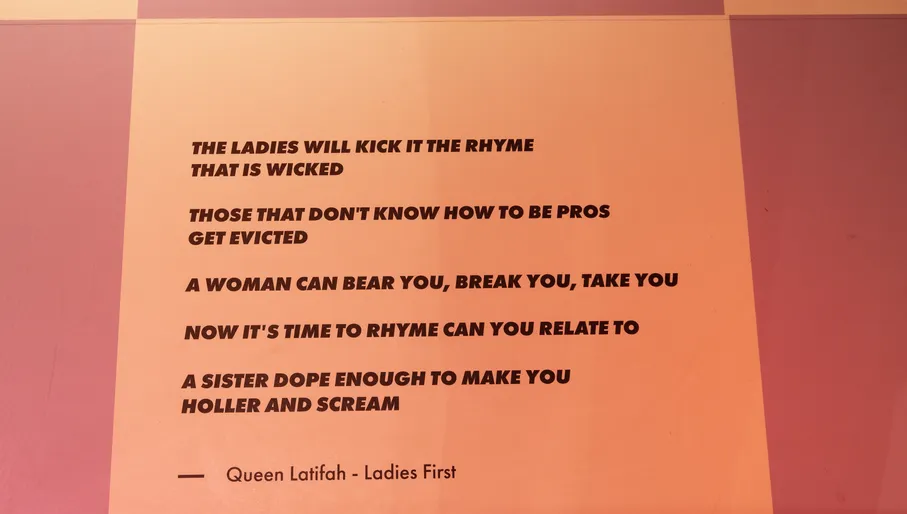
Respect policies are exactly what they sound like – rules that foster a sense of respect. These often include: respecting personal space, asking for consent, no violence and no discrimination of any kind (racism, homophobia, transphobia etc.). Expect door policies too – that means questions about how much you know about a space, the music and the kind of party you’re after – to gauge whether you know what to expect and what the club can expect from you too. The reason so many clubs have these policies in place is because so many spaces are often not safe for certain individuals and it’s about attracting people who share those values. So if you’re a large group, there’s a good chance you’ll be asked at the door or potentially turned away if too rowdy.

Going out anywhere requires sense and caution, no matter how many rules and procedures are in place. The City of Amsterdam has a number of resources, including its night mayor site and care network, which in collaboration with a number of collectives, promotes tolerance, prevention, and safety when going out. For the LGBTQI+ community, have a read of our dedicated article.
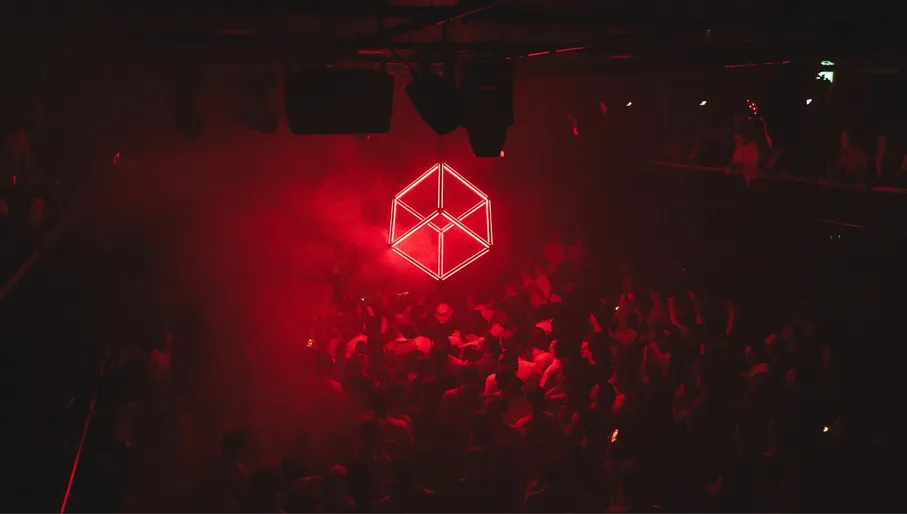
Every club has its own policy, so respect it. Many clubs will put stickers over your phone camera to ensure that everyone feels free from being monitored. If a CEO wants to wear fetish gear and dance to techno all morning, they should be allowed to without being photographed. It’s also a great way to be in the moment and off your phones.
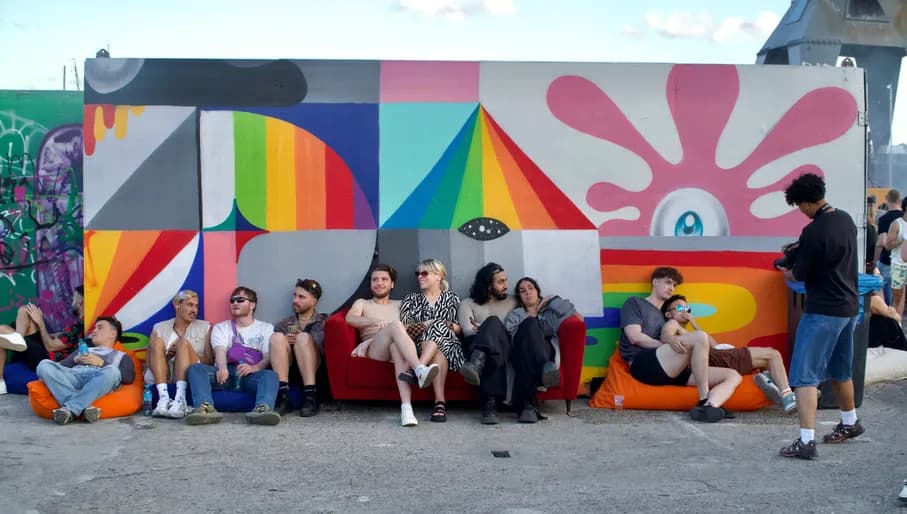
Your first point of call is always the venue’s website. However, for smaller more boutique parties, tickets may be advertised via a party’s social media profile, the venue’s or sold on a specific mailing list. One very important detail is when to buy tickets. The Dutch are notorious for their organisational skills, so tickets for major events and festivals like ADE often sell out fast (sometimes on the day of release). Luckily, sites like TicketSwap allow for reselling, so don’t despair if the party you want to go to is sold out – somebody out there will probably want to sell, you just need to act fast.
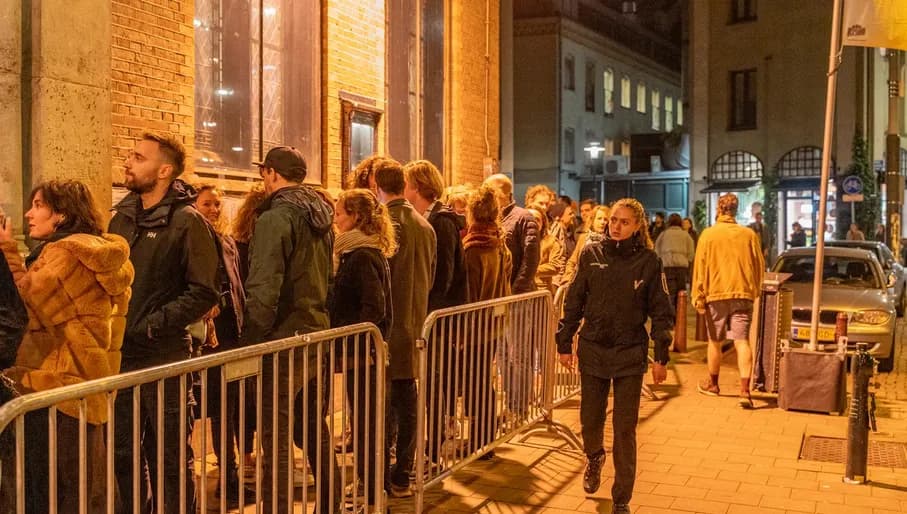
It really depends on the party. In Amsterdam, bars often close between 01:00-03:00 and most parties start at 23:00-00:00, but most people don’t start heading out until after midnight at the earliest. Depending on the size of the event though, it’s worth going early when doors open and skipping the queue. Always factor in that there might be a queue so even if you arrive at 01:00, for popular events, you could be in line for an hour minimum. Parties get busy around 03:00am and end anywhere between 05:00-09:00. But if it’s a weekender party – which often runs from Friday night to Monday morning or Saturday to Monday morning – times vary. Sundays are big days for parties, especially for events that go on for longer than a day, so if you want to be with the locals, it’s often a good decision to go then.

Every neighbourhood has something to offer – we have custom guides for the major ones, including Noord, Oost, West, Nieuw-West, and Centrum.

The drinking age in the Netherlands is 18, so that’s often a good benchmark for bars and clubs too. As for parties, the age limit varies; most if not all will be 18+, some specify ages 21+ and others even specify 25+. Some parties have a cap on age too, like at certain LGBTQI+ events, to foster a sense of kinship and comfort. Be sure to read the house rules of every party to get a sense of what you can expect. If you’re younger and want to go out, our student nightlife guide might help, and places like Paradiso and Melkweg even organise parties for those in school in a safe and controlled environment.

Again, always read the house rules. At your average bar and club, the dress code is pretty informal, so there’s nothing much to consider. And other than exclusive clubs, the dress code is always more casual and expressive. Amsterdam isn’t Berlin, but what you wear still matters. When in doubt, wear black, and avoid simple jeans, sneakers and high heels (if only because you’re not going to want to spend hours dancing to techno in these). For more free-spirited parties, especially though in the queer community, the rules will specify what is and isn’t allowed.
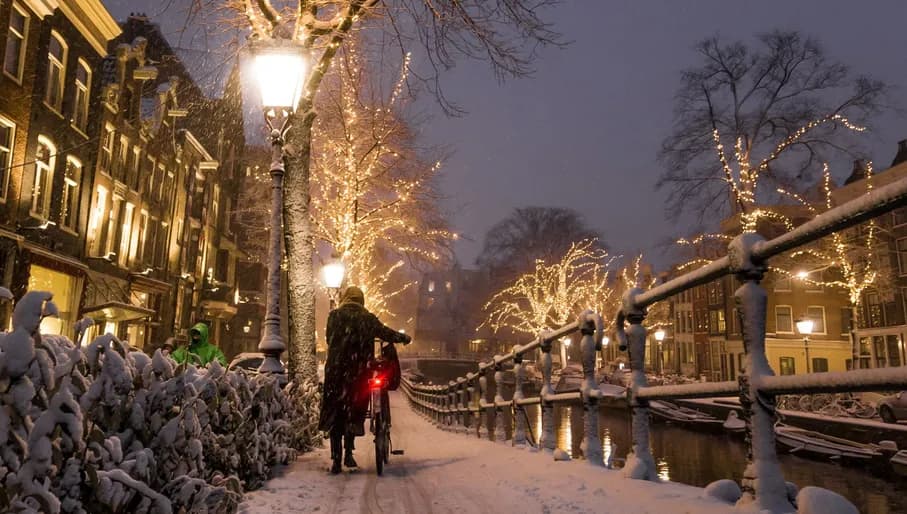
This is a dilemma for many an Amsterdammer, but clubs are aware you need to stay warm while biking. As long as you can show you have an outfit underneath your waterproof jacket and gloves or in your bag to change into, most parties will have no issue with your layered-up look. Every venue has decent-sized lockers on offer too, so you can store your outerwear and change into your partywear for the rest of the night.

Ear safety is key. You only get one set of eardrums, so protect them. You’ll find cheap spongy options at local drugstores and supermarkets, as well as at the clubs themselves. But it’s worth investing in a more permanent and reusable pair – Albert Heijn sells Alpine earbuds, which are Dutch-made and specifically for parties. Aim for at least 19db noise reduction, with 21db being the sweet spot.

While we’re not here to teach you what to do and what not to do, there are a few things to know. The drinking and drug culture in Amsterdam is like any other major city, though more relaxed, courtesy of institutions like coffee shops – you can find a summary of the rules here. The Dutch capital takes a more liberal approach to drug culture, meaning attitudes towards drugs are more geared to making it safer rather than criminalising it. That means that if you come into contact with drugs, you can submit them for testing to check the quality and what’s in them – you can do this via the GGD Public Health Service or places like the Jellinek clinic. Some quick rules are to avoid buying from street dealers and always test your drugs when you can. When you’re out, drink plenty of water (but not too much as some drugs can risk overhydration) and try to avoid combining alcohol and drugs.
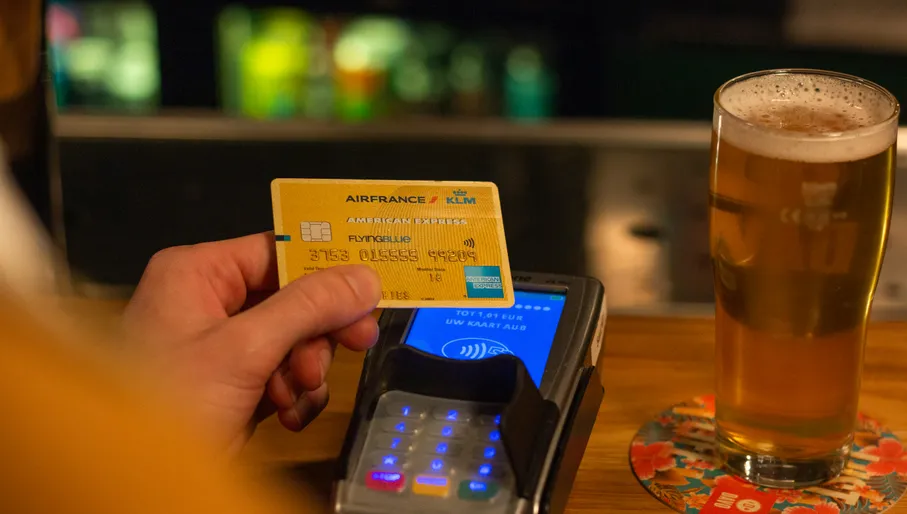
Amsterdam is generally tricky when it comes to card payments, as most people in the Netherlands have what’s called a pinpas (usually a Maestro debit), and many vendors won’t accept Visa or Mastercard. When you’re going out, while a lot of venues have got better at accepting Visa, Mastercard and even AMEX, it’s worth taking out some cash just in case. If you have a Maestro card, you should be fine. Some clubs operate with drink tokens, so you may only need to pay one lump sum at the start of your night.
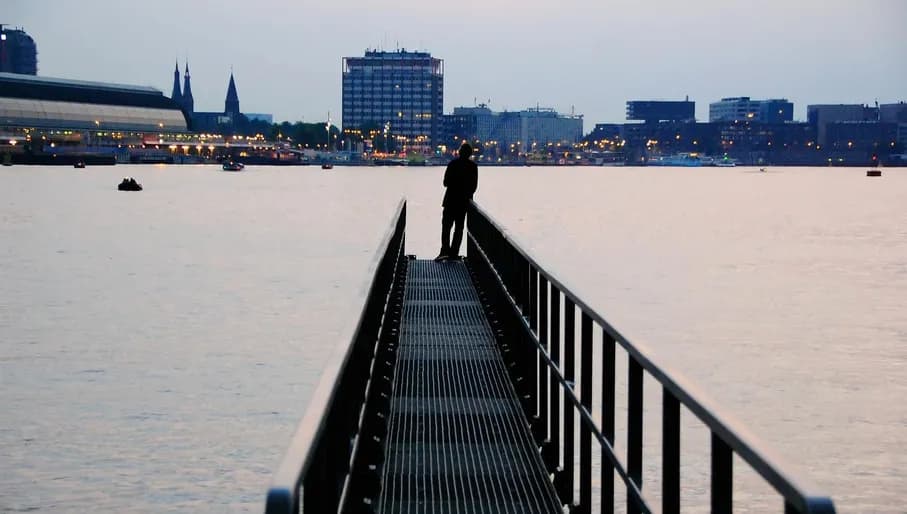
Most Amsterdammers will cycle, no matter the weather. If you’re visiting and want to bike, most streets are well-lit and bike lanes are accessible at all hours. Make sure you have lights on your bikes as you could get fined anywhere from €50 and if you need to look up where you’re going, do this when you’ve stopped. Using your phone on your bike could get you fined €170 and try not to cycle drunk if you can. If you don’t want to cycle, there are plenty of after-hours public transport options – check NS for trains, GVB for trams, ferries and buses or 9292. Ferries run all night, so don’t fear if you’re staying in Noord. Otherwise, you can always call a cab – the usual ride-hailing apps are all available in Amsterdam.
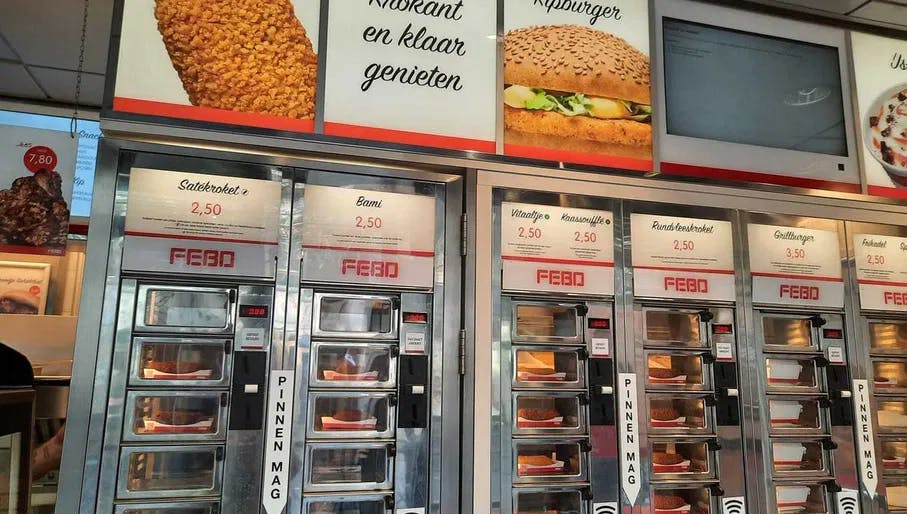
We have you covered there. There aren’t tons of late-night eats, but if you’re looking for food before you go out, have a read of our late-night food article. Otherwise, our night out guides per neighbourhood all include a late-night eatery.