Stage
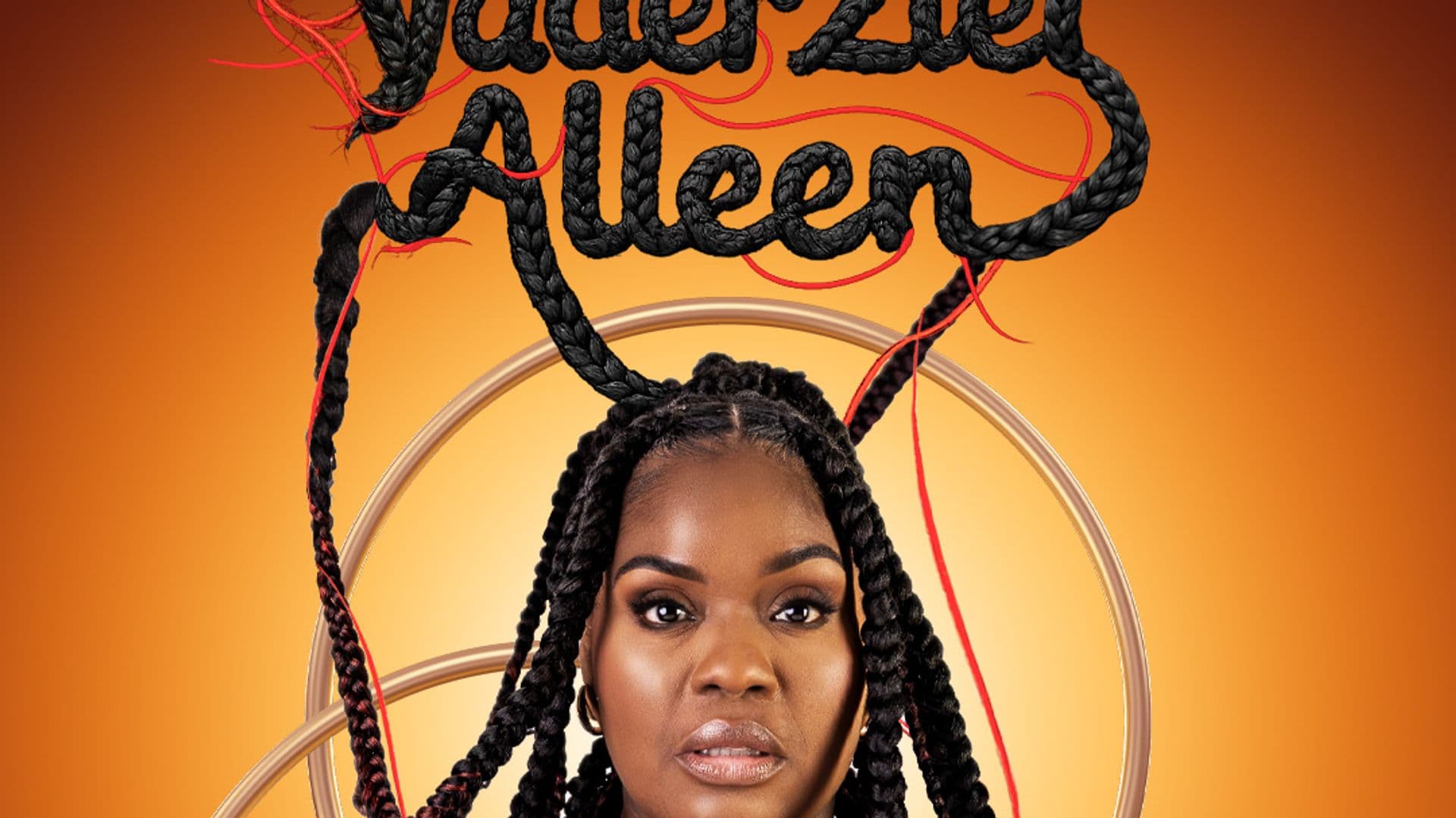
Tula . Verse II : Sœurité
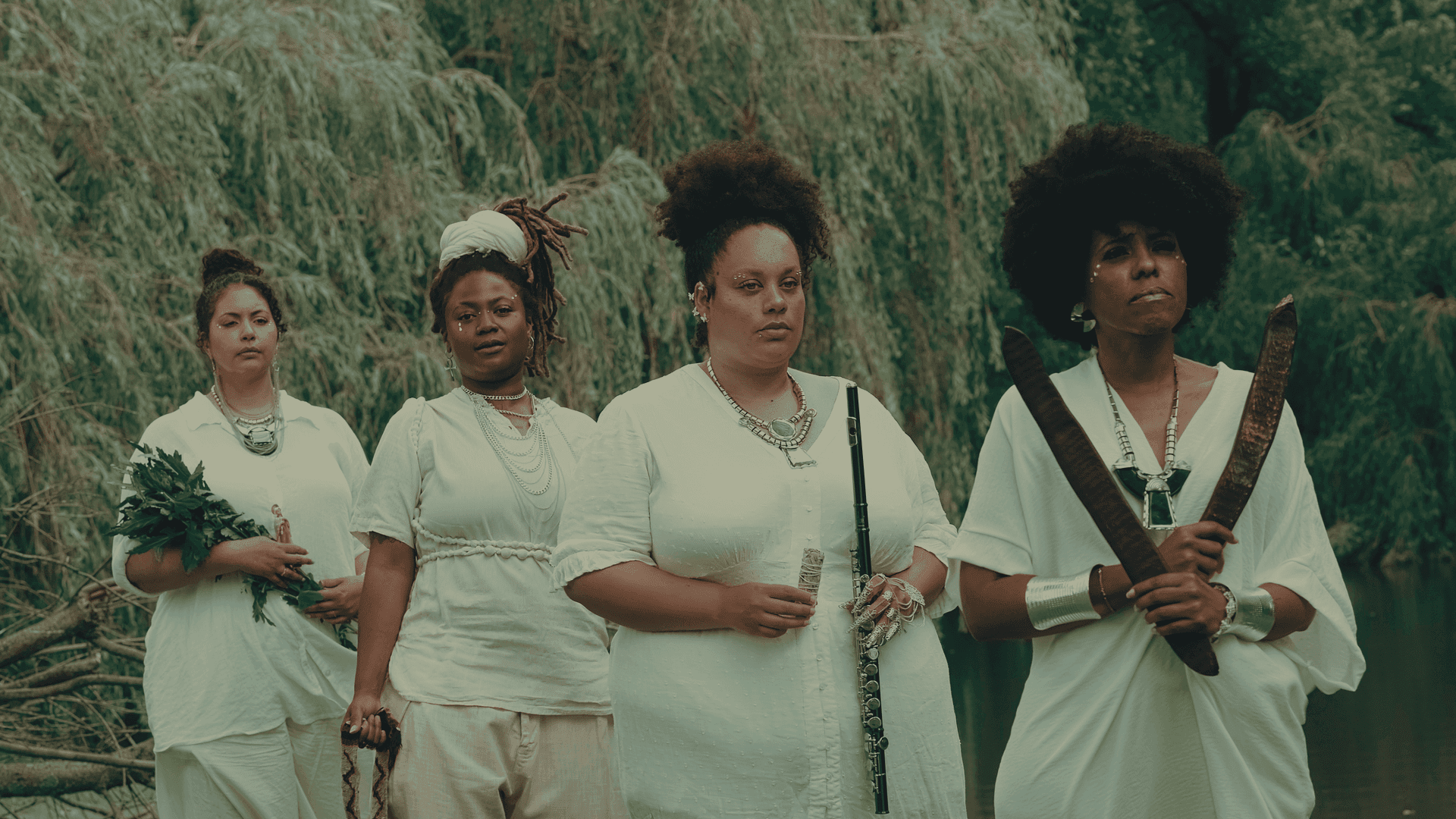
Tula.Verse is an Afrofuturist retelling of the story of the Curaçaoan resistance (named after freedom fighter Tula) by means of music, spoken word, theatre and visual art. Creator Vernon Chatlein invites you to question the archives and existing narratives by exploring the echoes of the Caribbean uprisings against the colonial regime together. A performance by Vernon Chatlein/Quinsy Gario/Amber Nijman/Rachel Rumai.
Tula . Verse II : Sœurité
Dates
Wed 21 Oct20:30 - 22:00
Accessibility
 General accessibility provisions and information
Present, available or allowed
- Personal assistant

- Wheelchair accessible entrance

 Provisions for people with reduced mobility
Present, available or allowed
- Stairs with handrail

- Lift

- Passageways that are sufficiently wide

- Accessible restroom

- Mobile payment

 Provisions for people who are blind or partially sighted
Present, available or allowed
- Sensory experience

 Provisions for people who require low sensory environments
Present, available or allowed
- Low stimulus hours

Not present, not available or not allowed
- Service dog allowed

- Guide lines

- Hearing loop (t-coil or headphones)

- Sign language interpretation provided

- Closed captioning

- Open captioning

- Hidden disability Sunflower-keycord recognised here

- Audio description

- Accessible information

- Material in Braille