Stage
How Diversity And Inclusion Came Under Attack
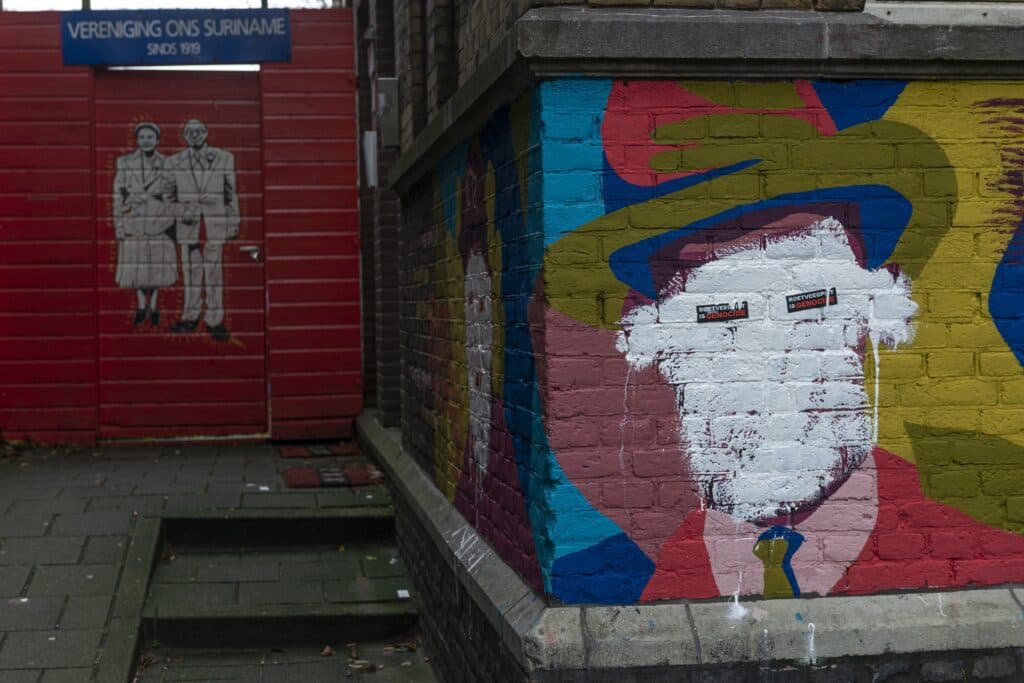
Diversity, equity, and inclusion (DEI) policies are under fire from both sides of the political spectre: efforts are dismissed as ‘woke’ on the right and as a corporate checklist substituting real change on the left. How have these principles of diversity become so politicized? This debate will take place at De Balie and the language of this debate is English.
How Diversity And Inclusion Came Under Attack
Dates
Thu 22 Oct19:30 - 21:30
Contact
Accessibility
 General accessibility provisions and information
Present, available or allowed
- Service dog allowed

- Personal assistant

- Wheelchair accessible entrance

 Provisions for people with reduced mobility
Present, available or allowed
- Lift

- Accessible restroom

- Mobile payment

Not present, not available or not allowed
- Guide lines

- Hearing loop (t-coil or headphones)

- Sign language interpretation provided

- Closed captioning

- Open captioning

- Hidden disability Sunflower-keycord recognised here

- Low stimulus hours

- Sensory experience

- Audio description

- Accessible information

- Material in Braille

- Stairs with handrail

- Passageways that are sufficiently wide