See You On The Dance Floor
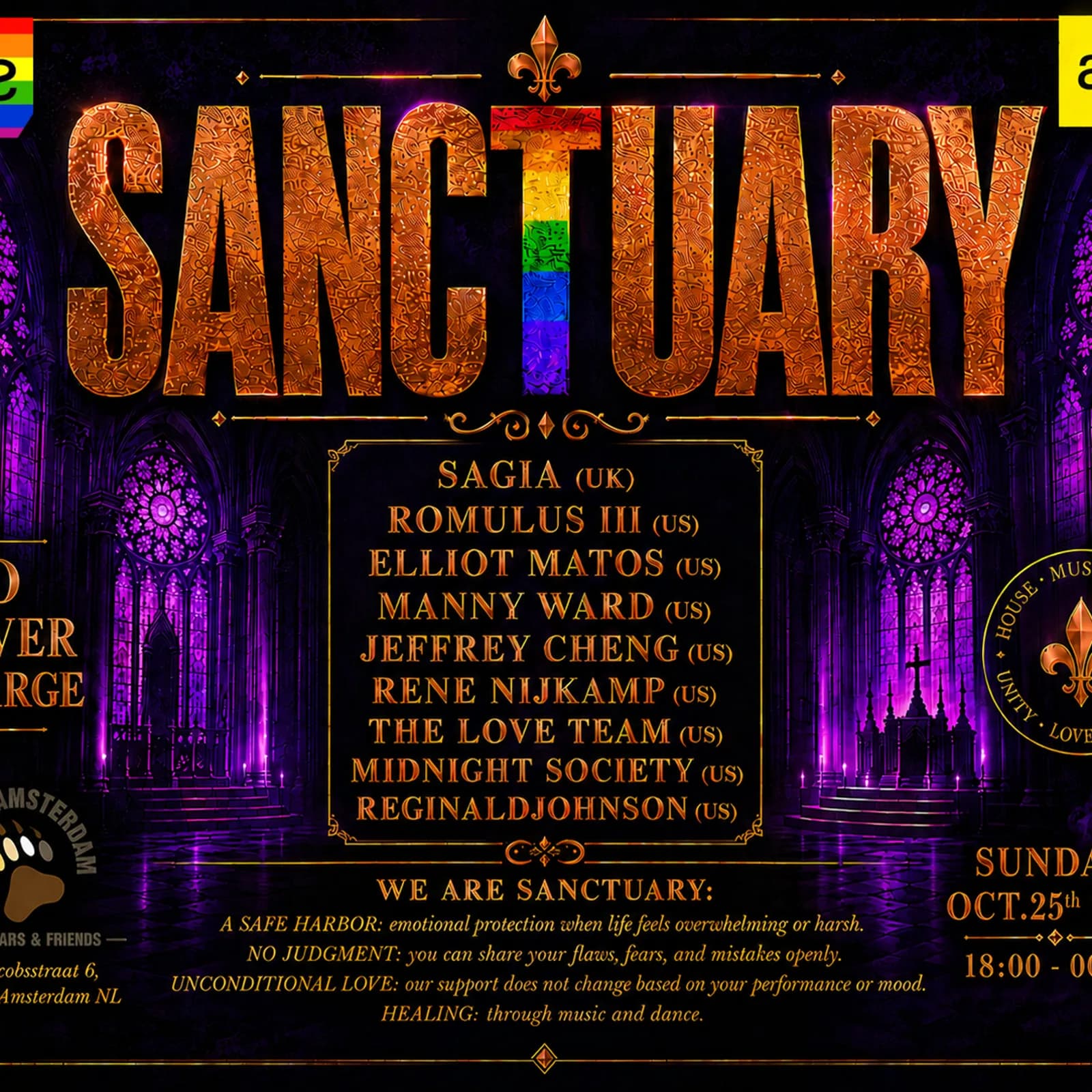
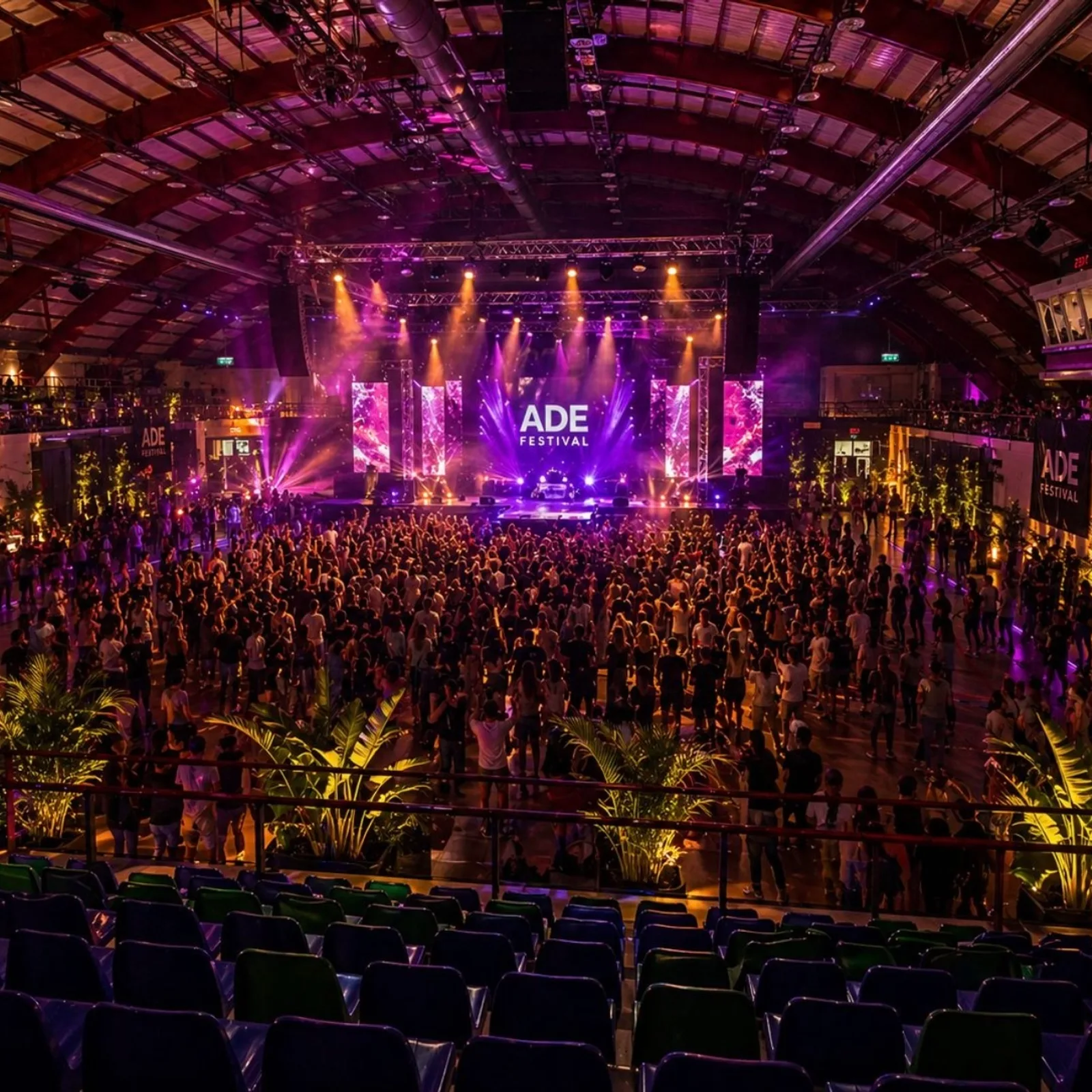
SANCTUARY is more than an ADE club night. It is a social impact platform using music as a vehicle for connection, inclusion, cultural exchange, and emotional wellbeing. Music + inclusion + community + cultural exchange + emotional safety creates an experience where thedance floor becomes a place for meaningful human connection.
To understand how house music shaped dance culture, we have to understand the communities that created it.In the late 1970s and early 1980s, the United States entered the HIV/AIDS crisis. On June 5, 1981, the CDC reported the first five cases of what would become known as AIDS.
Government inaction, misinformation, stigma, and discrimination allowed the epidemic to devastate communities particularly Black, Latino, queer, and poor communities.During this time, clubs like The Loft, The Warehouse, Paradise Garage, and The ClubHouse became more than places to dance. They became SANCTUARIES.
Frankie Knuckles once described The Warehouse as a church for people who had fallen from grace. And for many queer people, the dance floor offered something the outside world often denied them: freedom, connection, and joy. These clubs also became places of care and activism.
In Washington, D.C., The ClubHouse supported Black queer people living with HIV/AIDS, providing practical assistance such as food and transportation to medical appointments. In New York, the ballroom community was devastated by AIDS but responded by organizing around awareness, testing, prevention, and mutual aid.
And in April 1982, Paradise Garage held Showers, an AIDS benefit organized by Michael Brody and Larry Levan that raised substantial funds for the Gay Men's Health Crisis.This history is essential because house music did not develop in isolation. It emerged from Black and Latino queer communities that created spaces where people could gather, dance, and survive together.
As many of these clubs eventually closed due to AIDS, stigma, policing, and financial pressures, house music traveled especially to Europe and the United Kingdom where it became a global force in club culture. But, its foundation remained the same: Community.When institutions failed, communities cared for one another.
When people were isolated, the dance floor brought them together. House music is more than a genre. It is the sound of resilience, resistance, and collective joy. A Space To Be, A Place To Belong.We Are SANCTUARY