Exhibitions
Yumna Al-Arashi - Body as Resistance
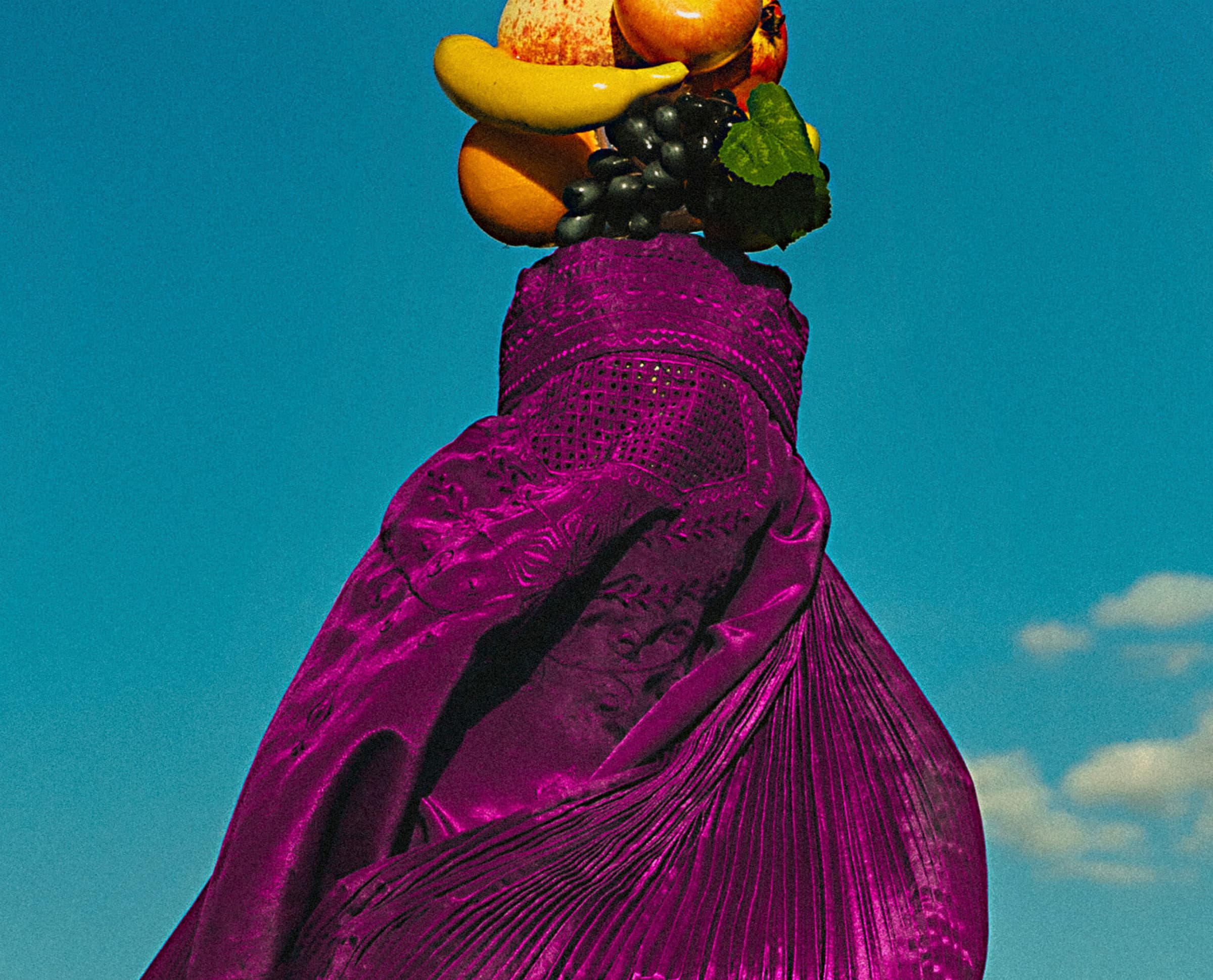
Image from © Yumna Al-Arashi
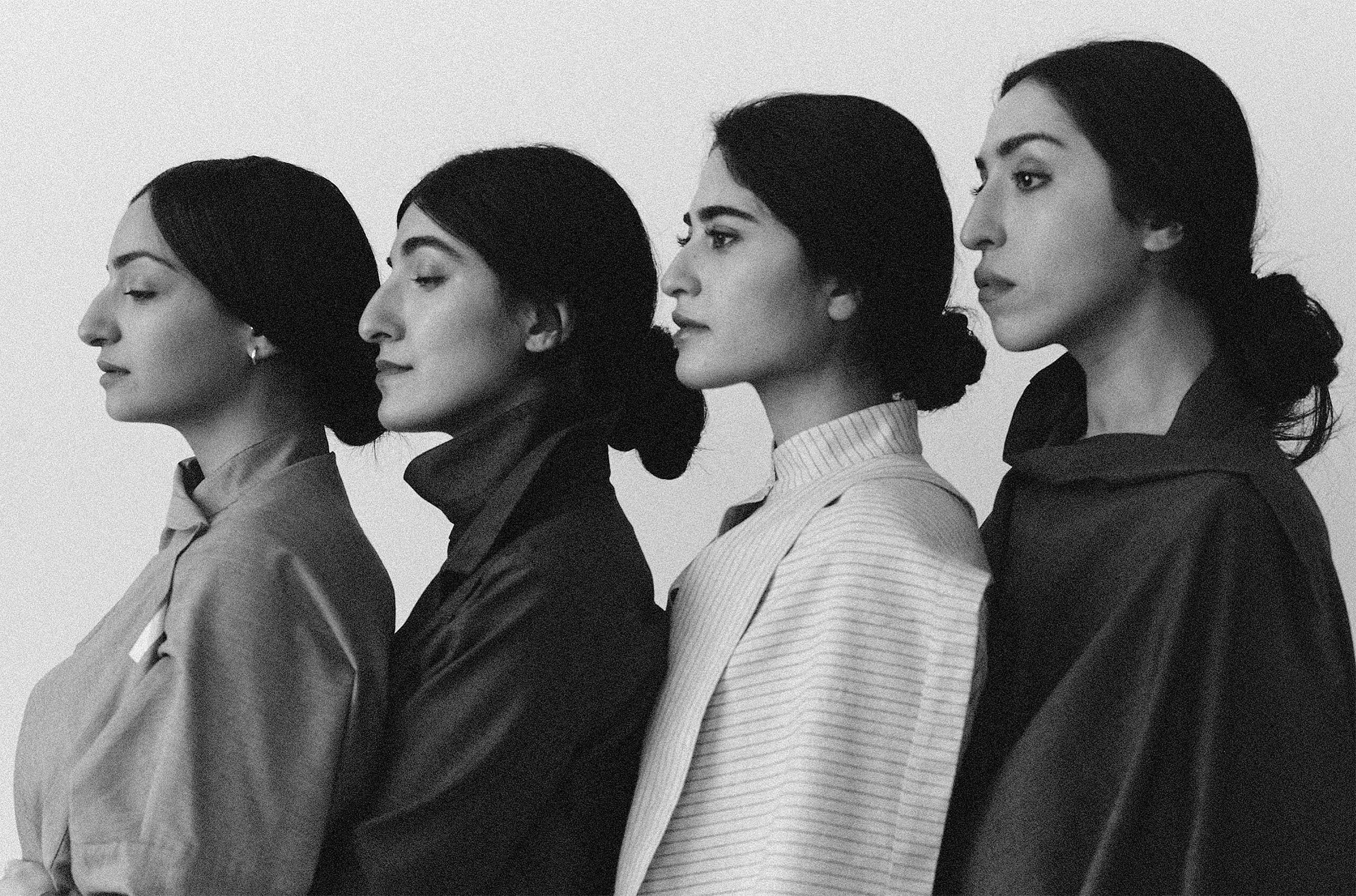
Image from © Yumna Al-Arashi
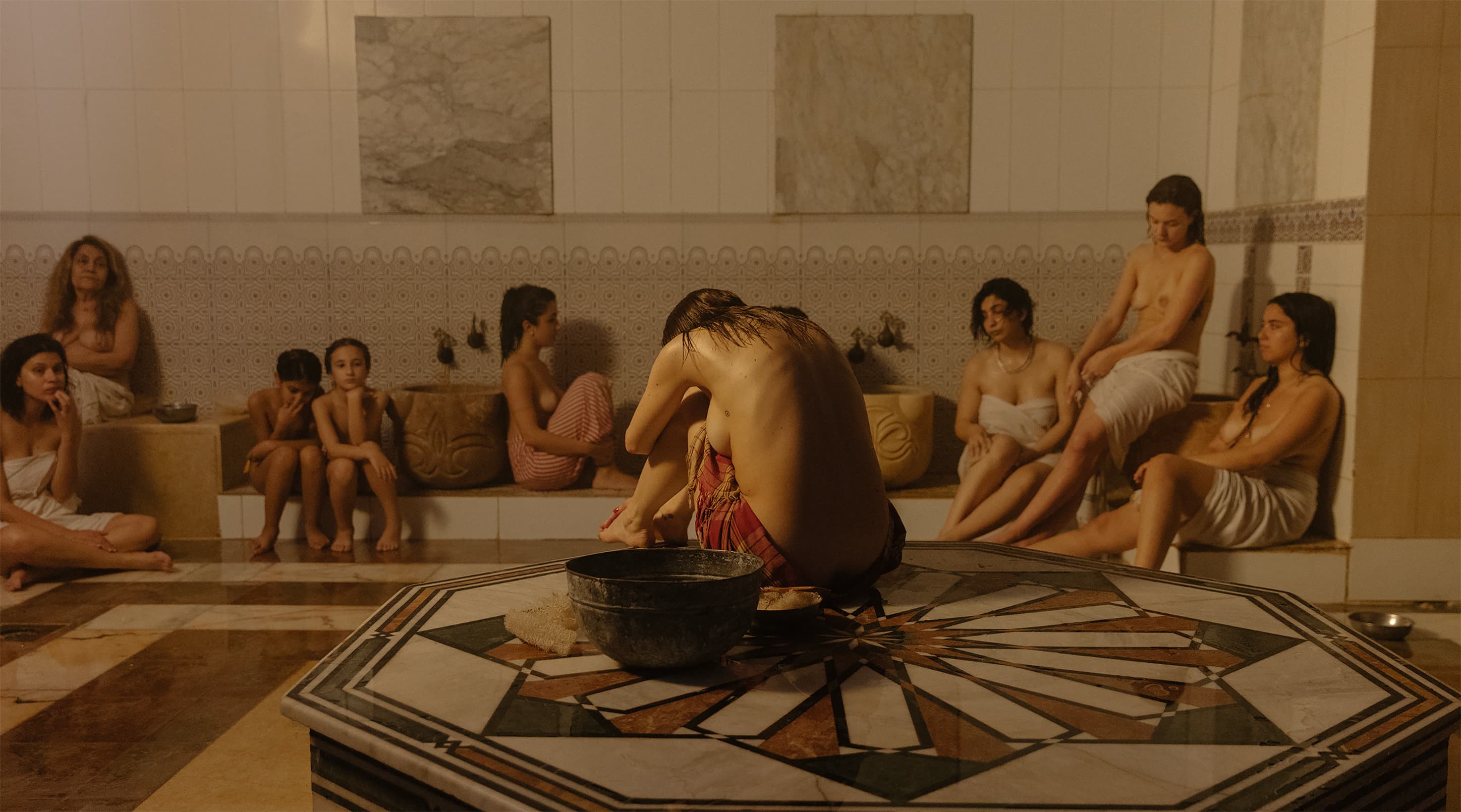
Image from © Yumna Al-Arashi
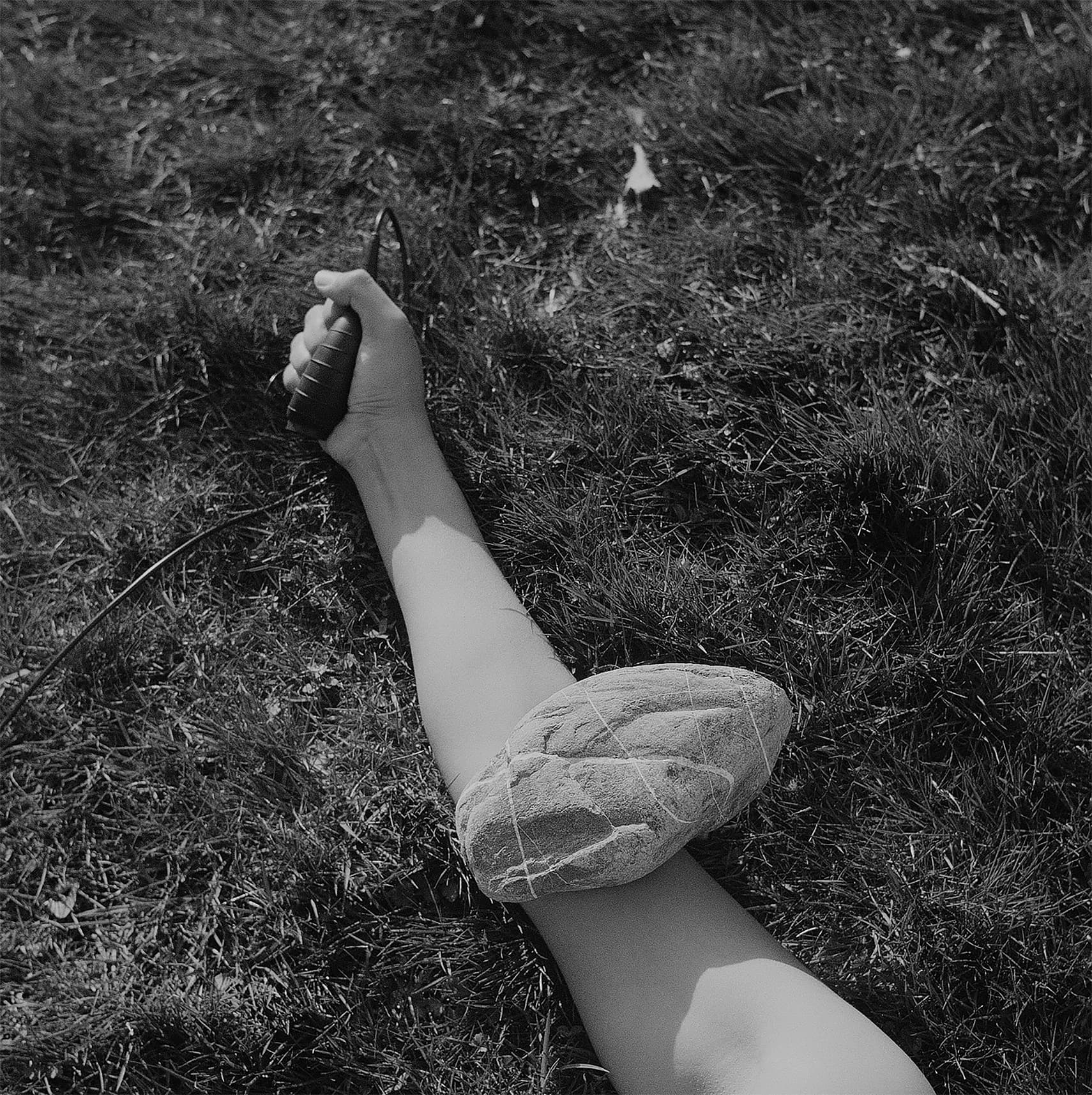
Image from © Yumna Al-Arashi
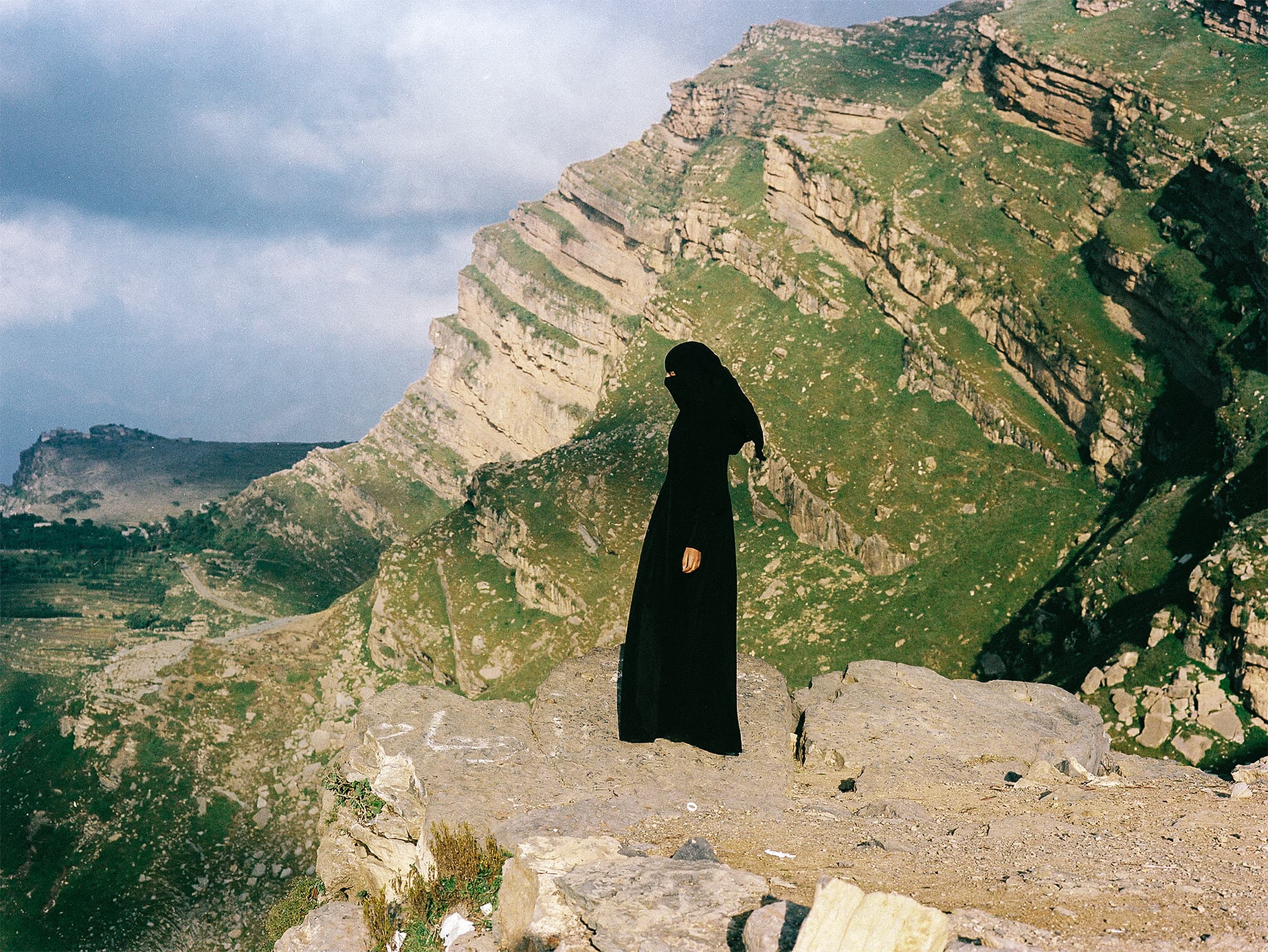
Image from © Yumna Al-Arashi
Slide 1 of 5
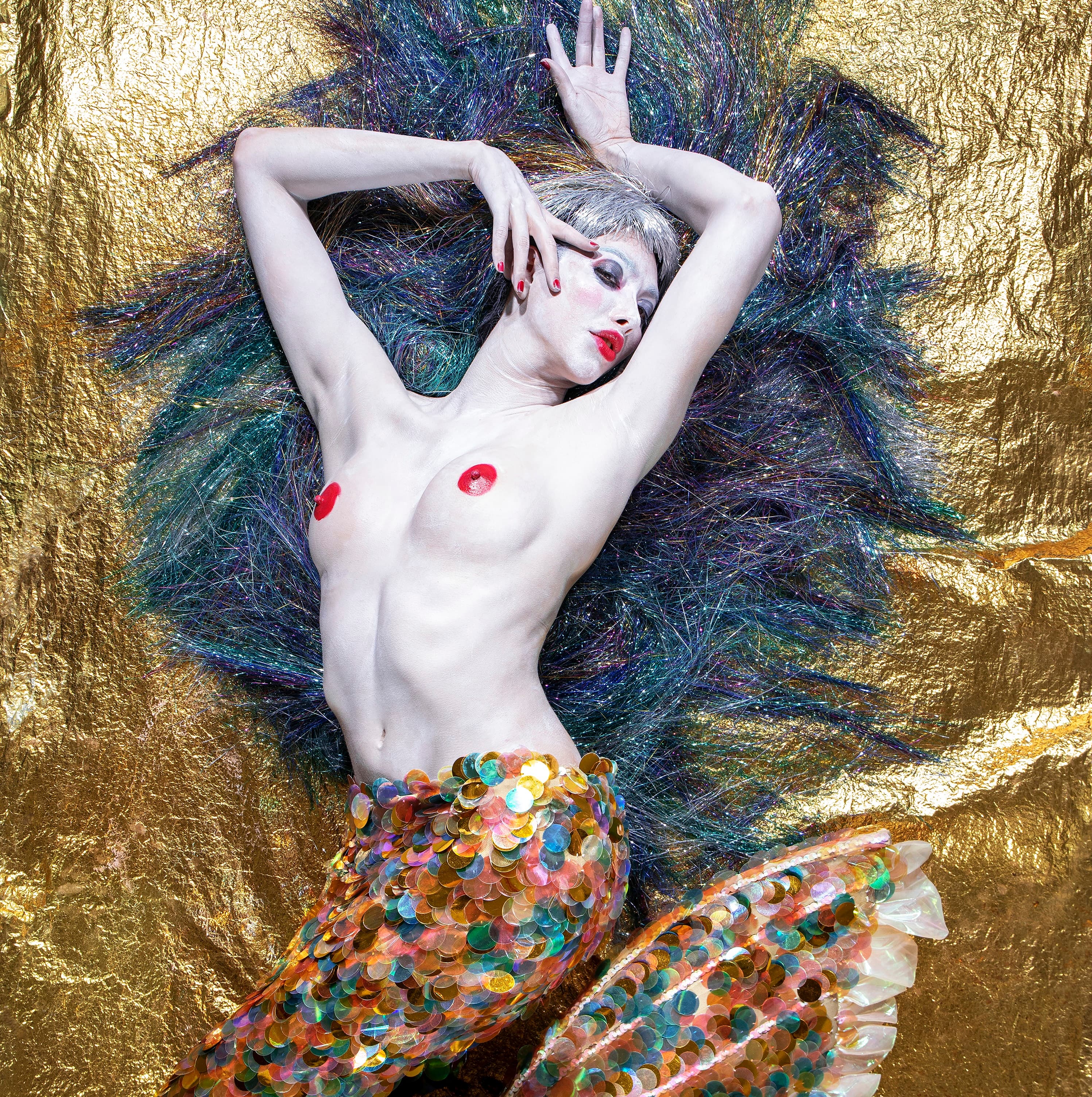
Huis Marseille presents the first solo museum exhibition of Yemeni-Egyptian-American artist Yumna Al-Arashi (born 1988, Washington, DC). In "Body as Resistance," Al-Arashi uses a variety of media photography, installation, book, and sculpture to resist the oppression and stereotyping of women she observes worldwide. She focuses on the way the Arab world is portrayed, examines the legacy of colonialism in our thinking, and considers matriarchal traditions that have almost been forgotten. Al-Arashi's work shifts effortlessly between registers: it is sometimes playful and provocative, then poetic, militant, or angry and more often, it is all of these simultaneously.
Yumna Al-Arashi - Body as Resistance
Location
Huis Marseille, Museum voor Fotografie, Keizersgracht 401, 1016 EK Amsterdam
Show in Google MapsDates and times
| Date | Time |
|---|---|
| Tuesday 14 April | Time: 10:00 - 18:00 |
| Wednesday 15 April | Time: 10:00 - 18:00 |
| Thursday 16 April | Time: 10:00 - 21:00 |
Accessibility
 General accessibility provisions and information
Present, available or allowed
- Service dog allowed

 Provisions for people with reduced mobility
Present, available or allowed
- Stairs with handrail

- Lift

 Provisions for people who are blind or partially sighted
Present, available or allowed
- Sensory experience

- Accessible information

Not present, not available or not allowed
- Personal assistant

- Guide lines

- Hearing loop (t-coil or headphones)

- Sign language interpretation provided

- Closed captioning

- Open captioning

- Hidden disability Sunflower-keycord recognised here

- Low stimulus hours

- Audio description

- Material in Braille

- Wheelchair accessible entrance

- Passageways that are sufficiently wide

- Accessible restroom

- Mobile payment