Exhibitions
Designed World - Through the Eyes of Tata Ronkholz (1940–1997)
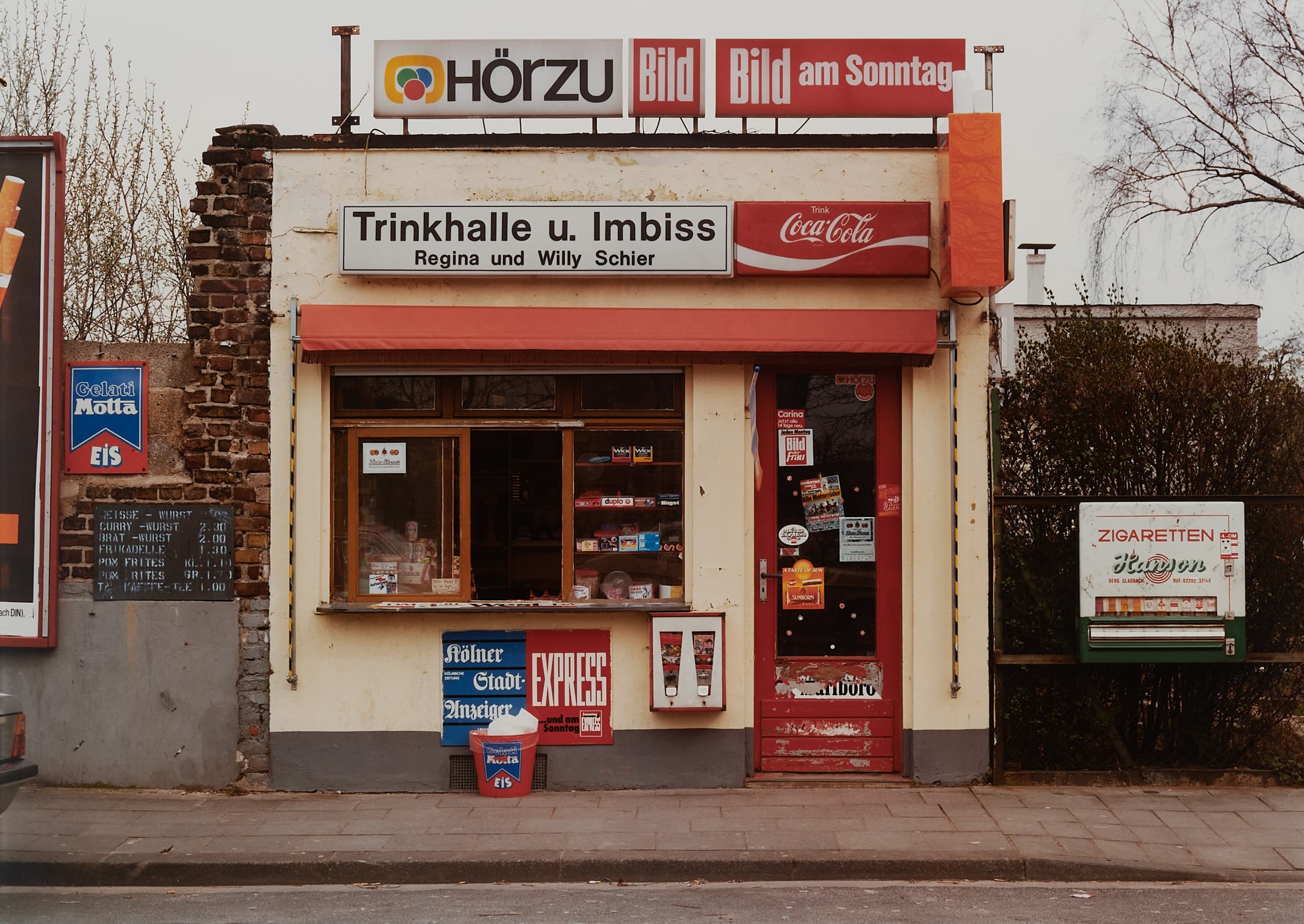
Image from © VAN HAM Art Estate: Tata Ronkholz, 2025
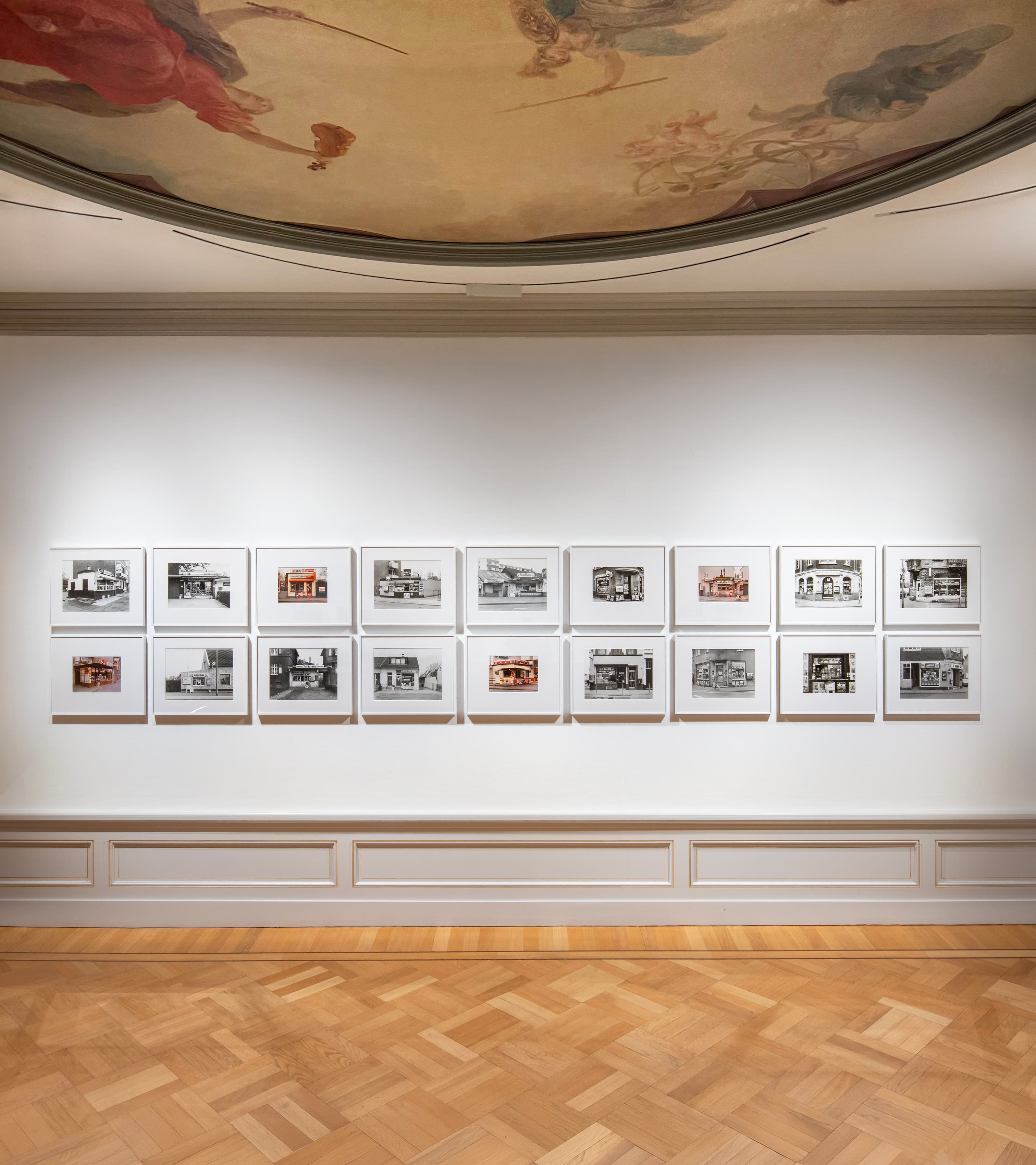
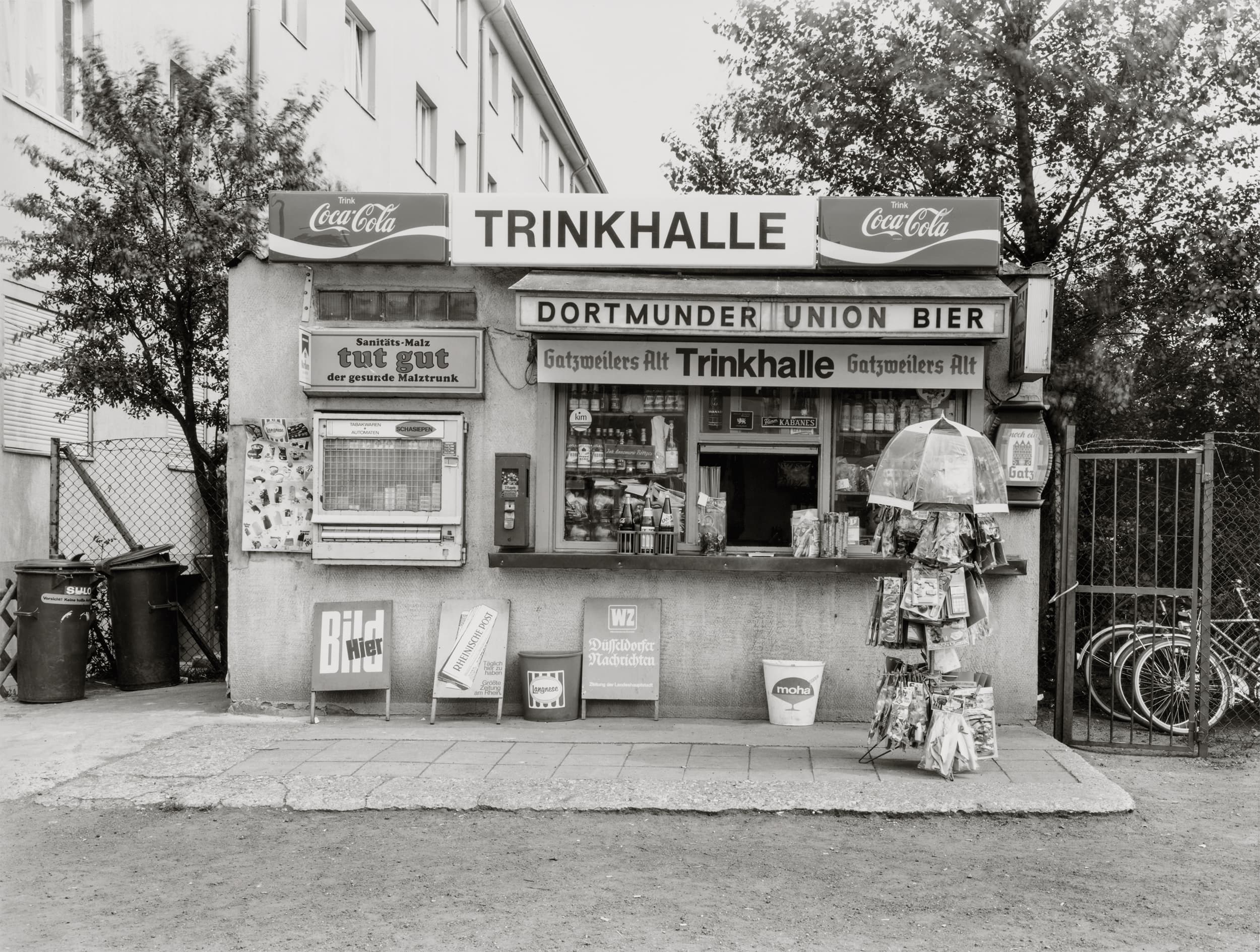
Image from © VAN HAM Art Estate: Tata Ronkholz, 2025
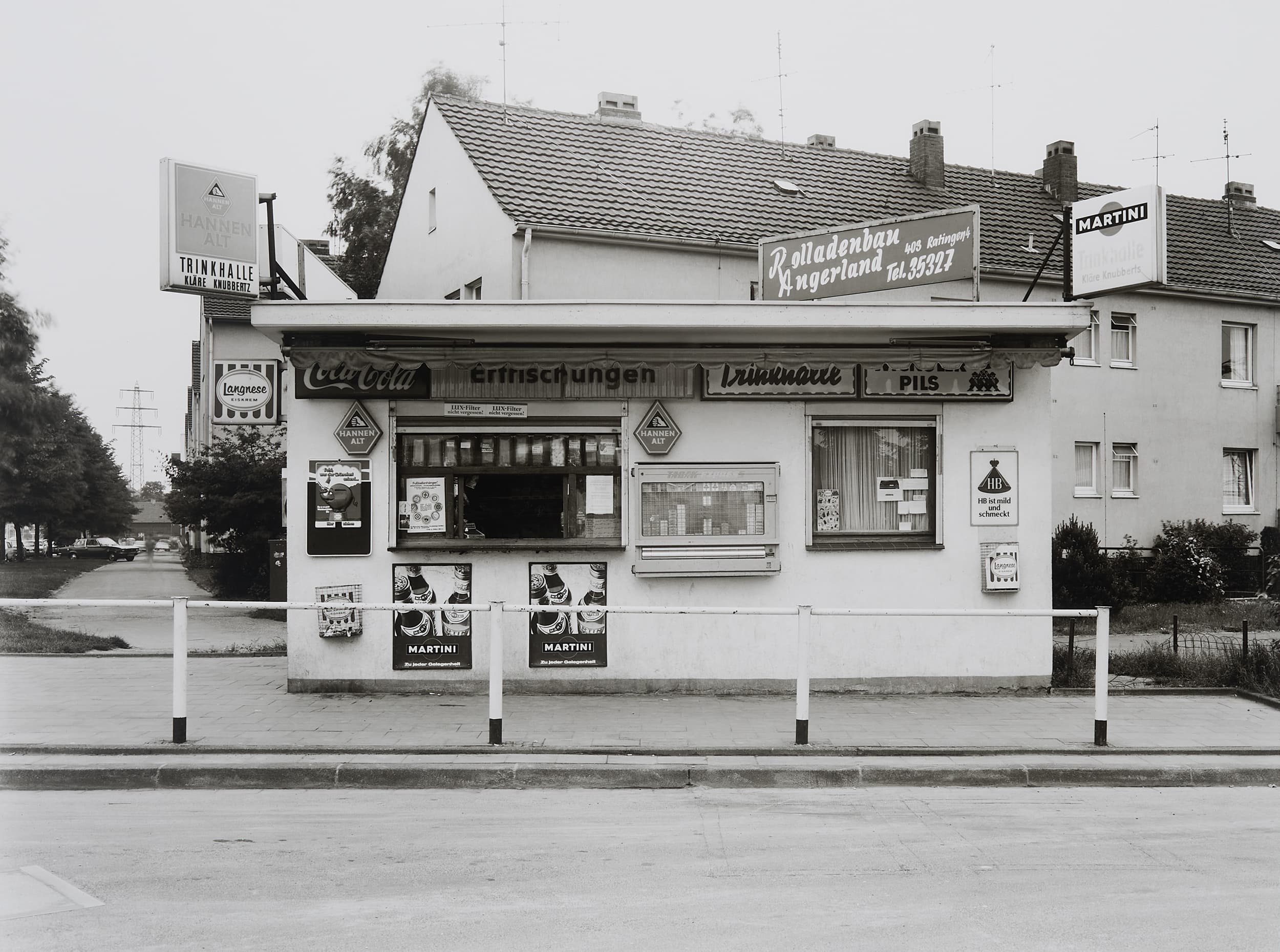

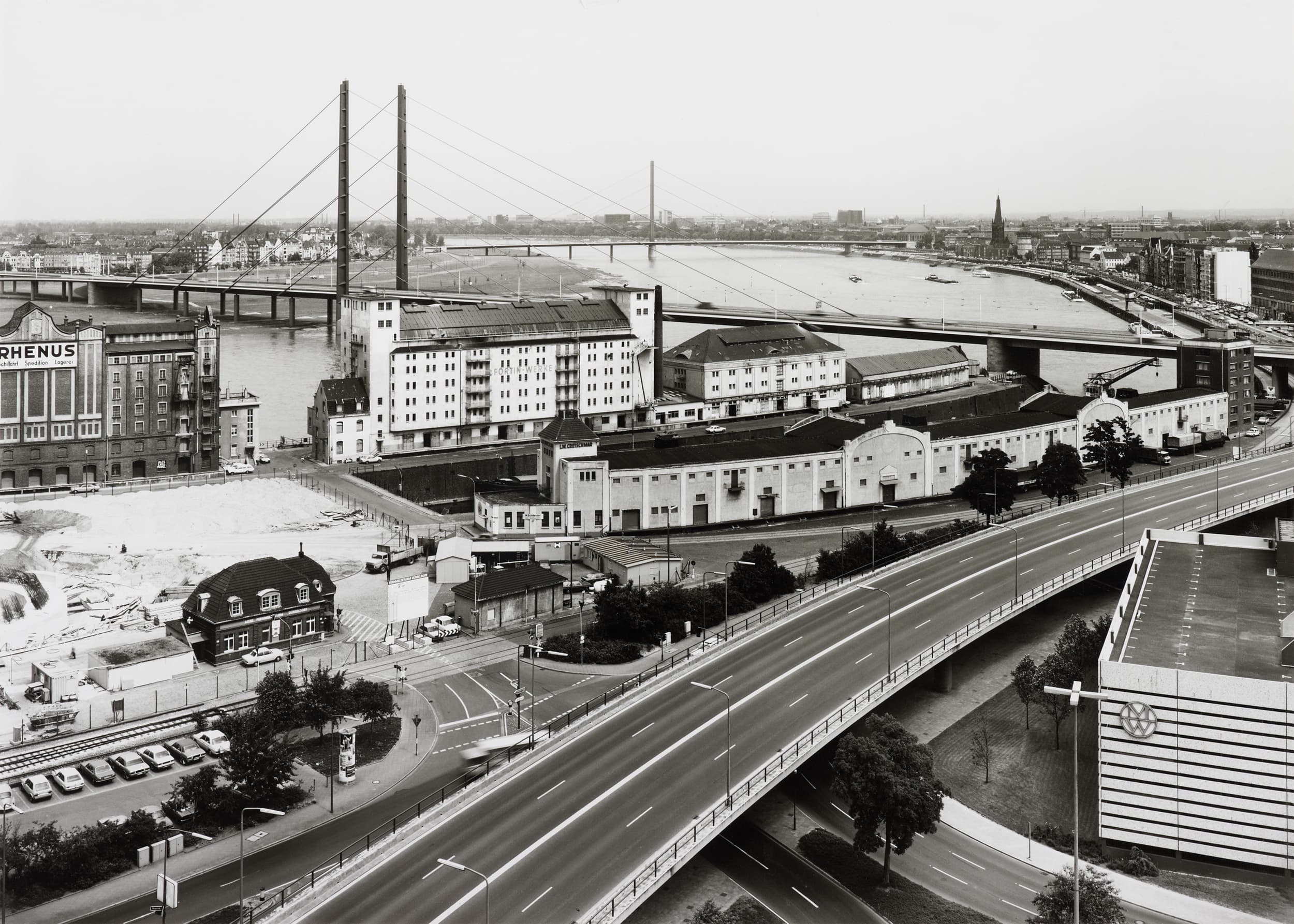
Image from © Thomas Struth
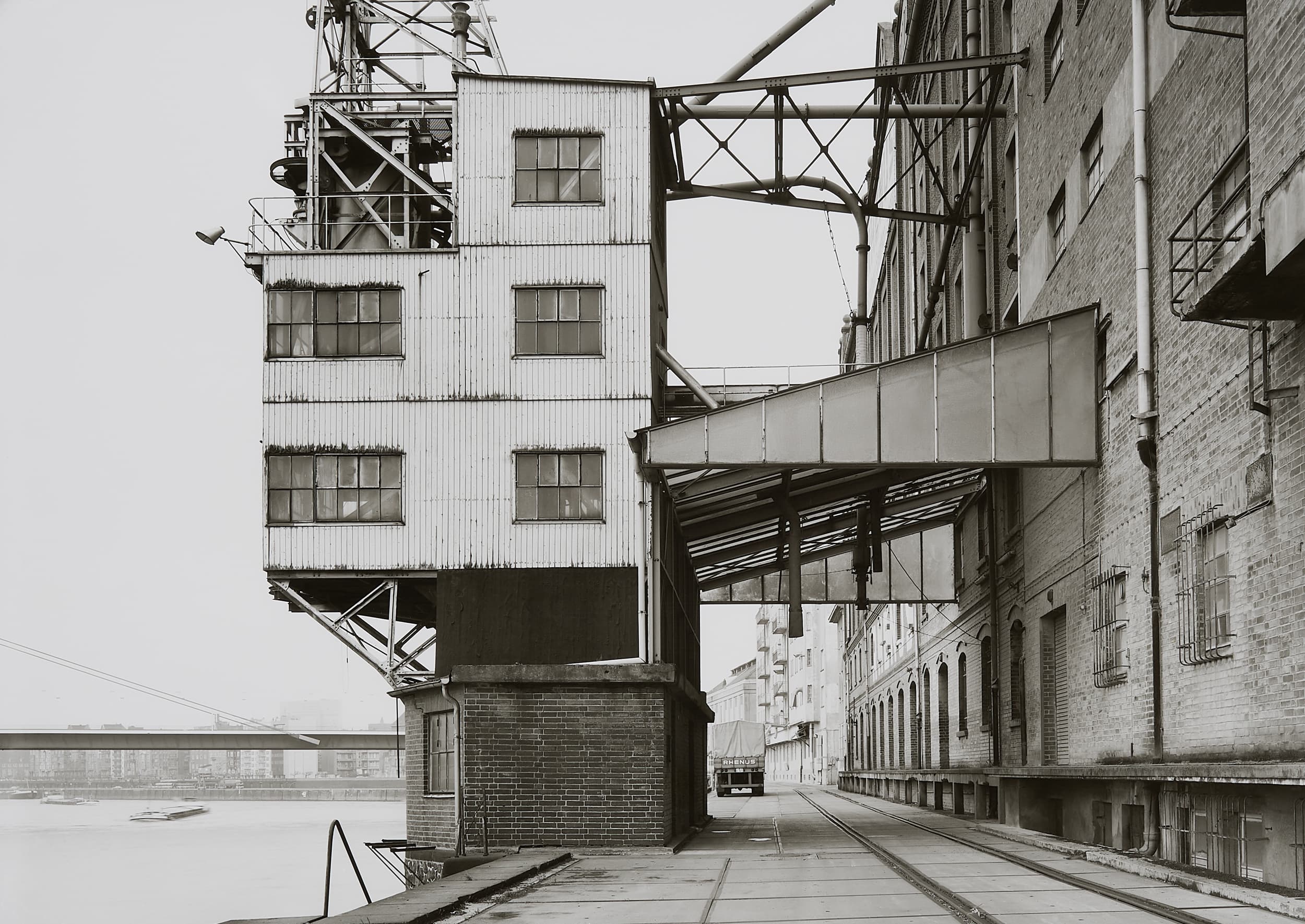
Image from © VAN HAM Art Estate: Tata Ronkholz, 2025
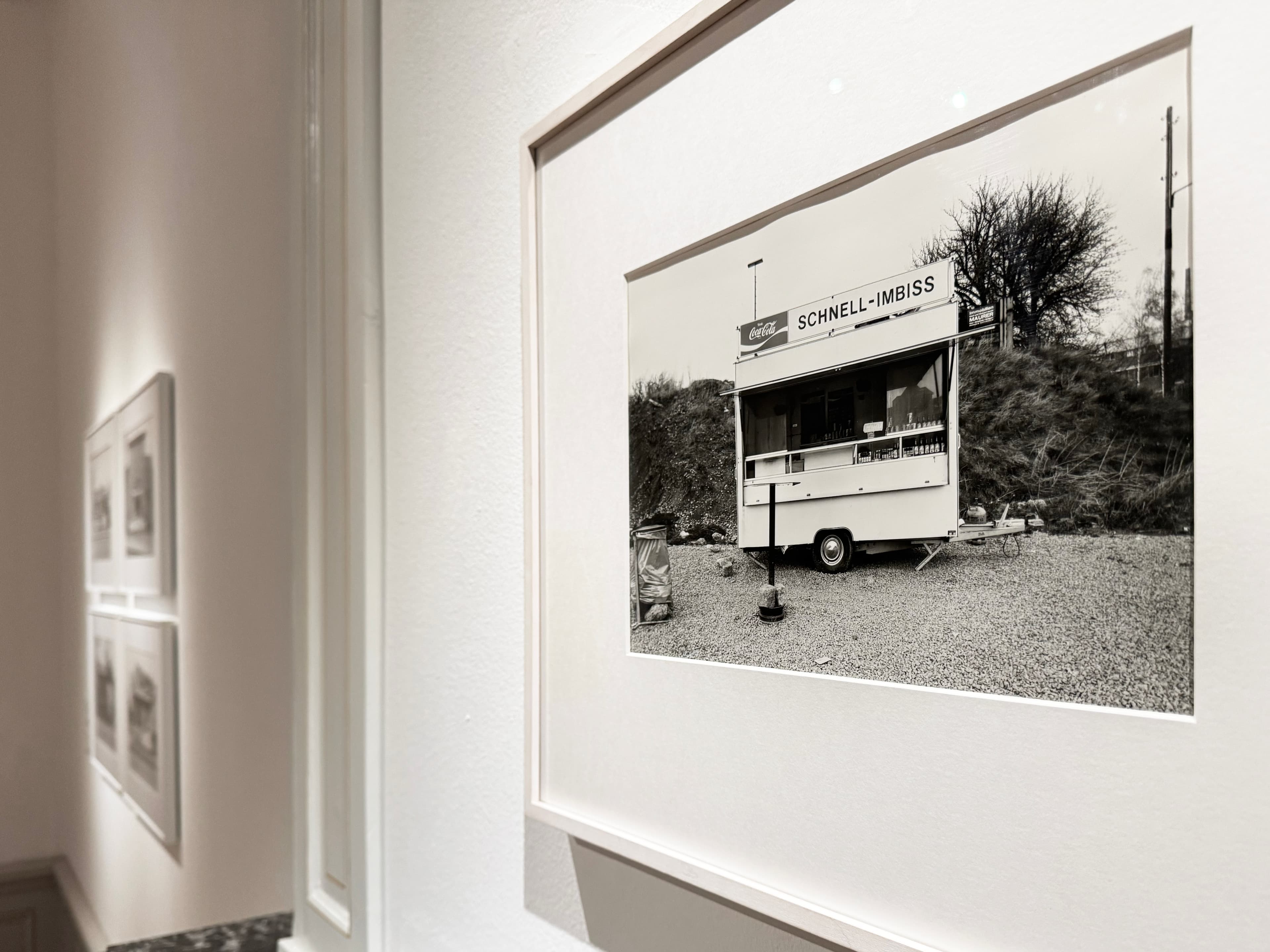
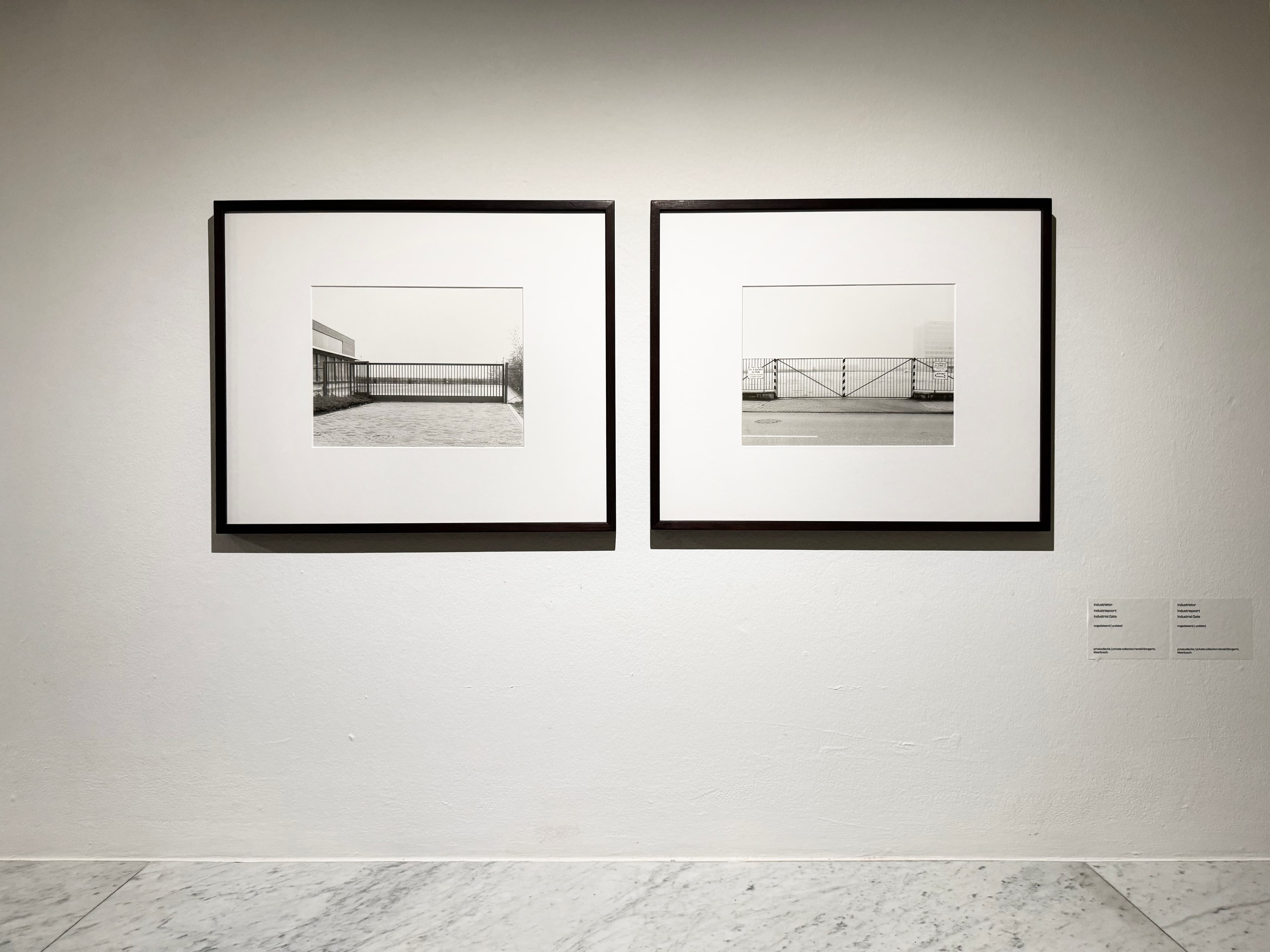
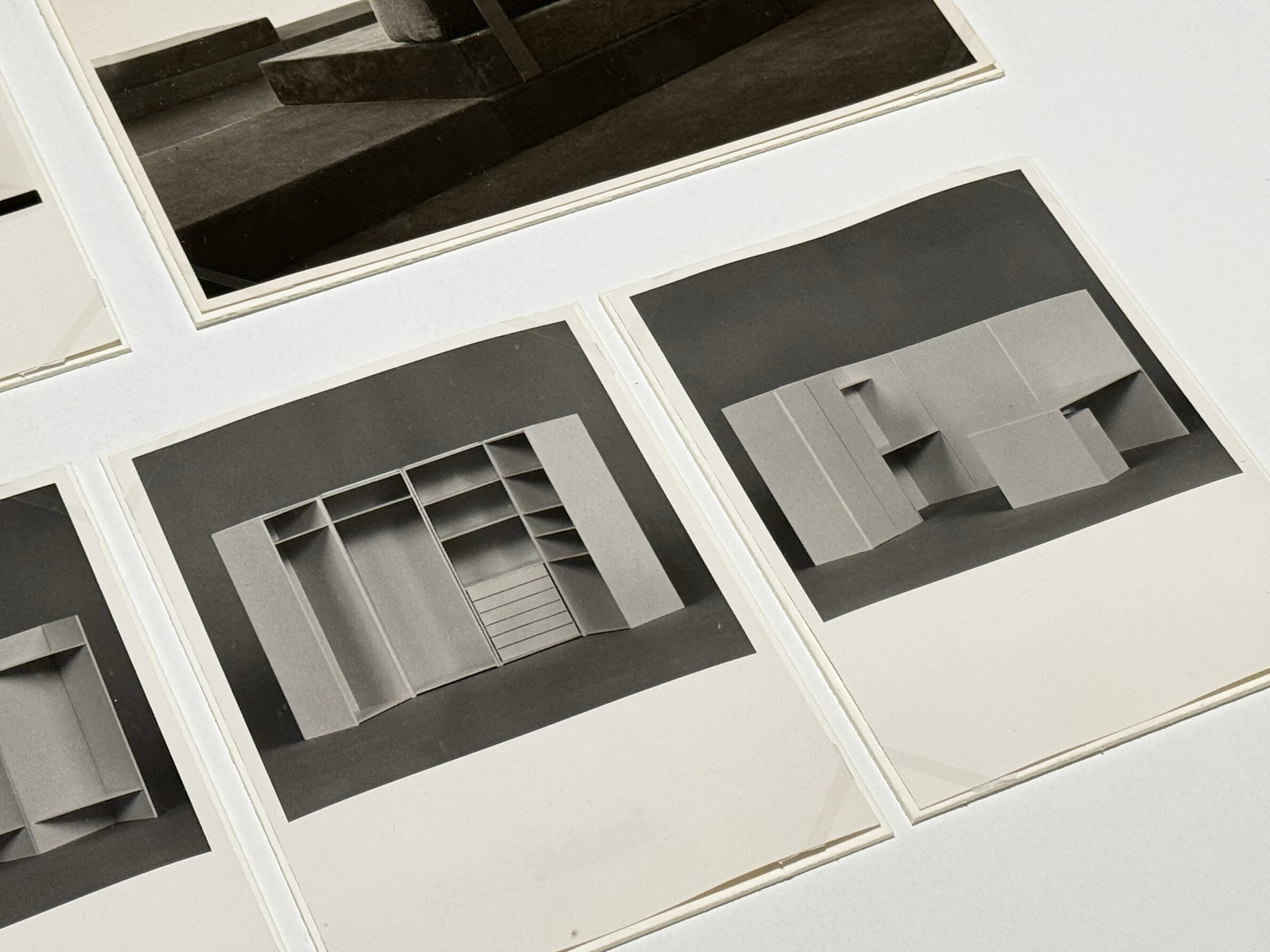
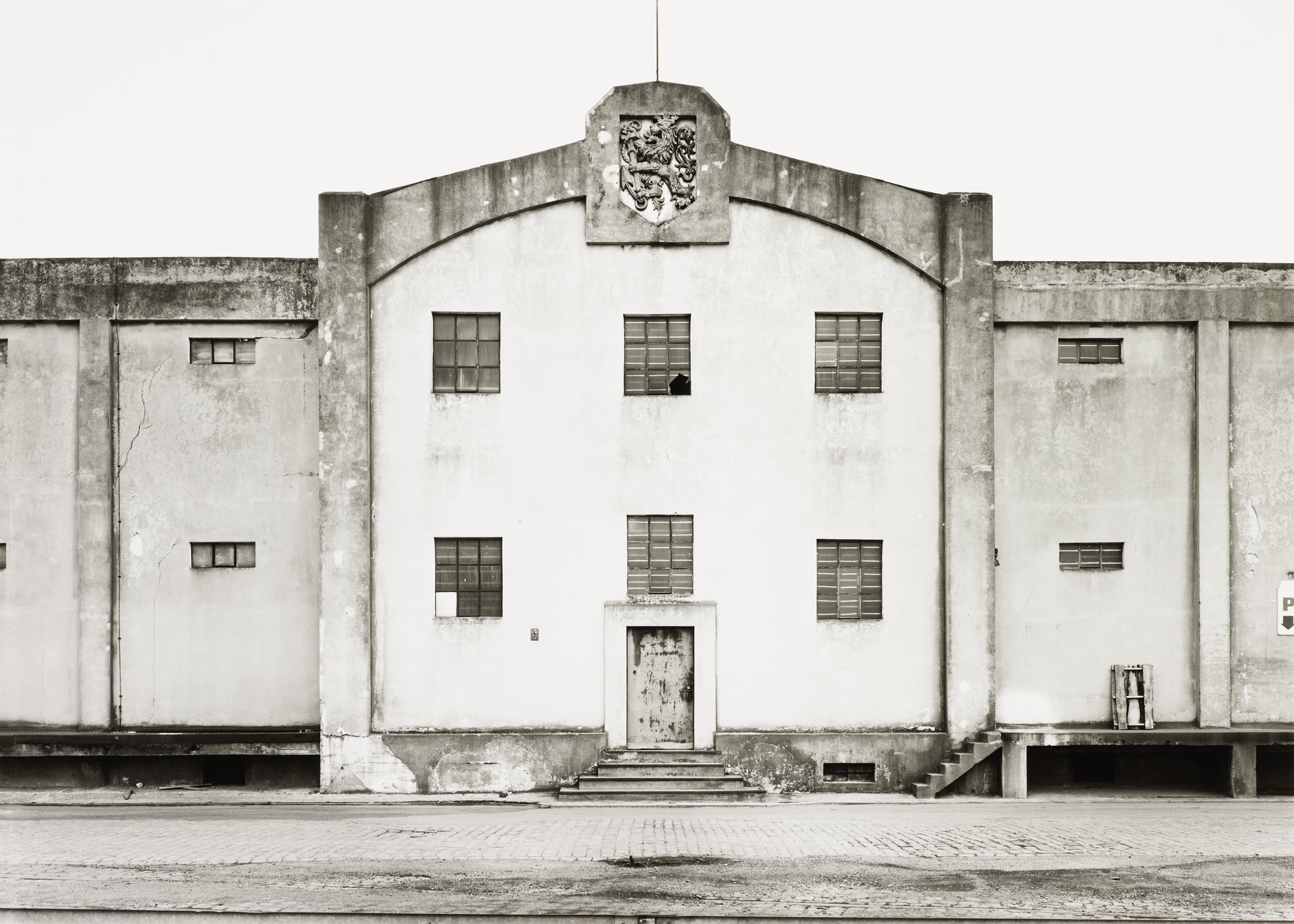
Slide 1 of 11
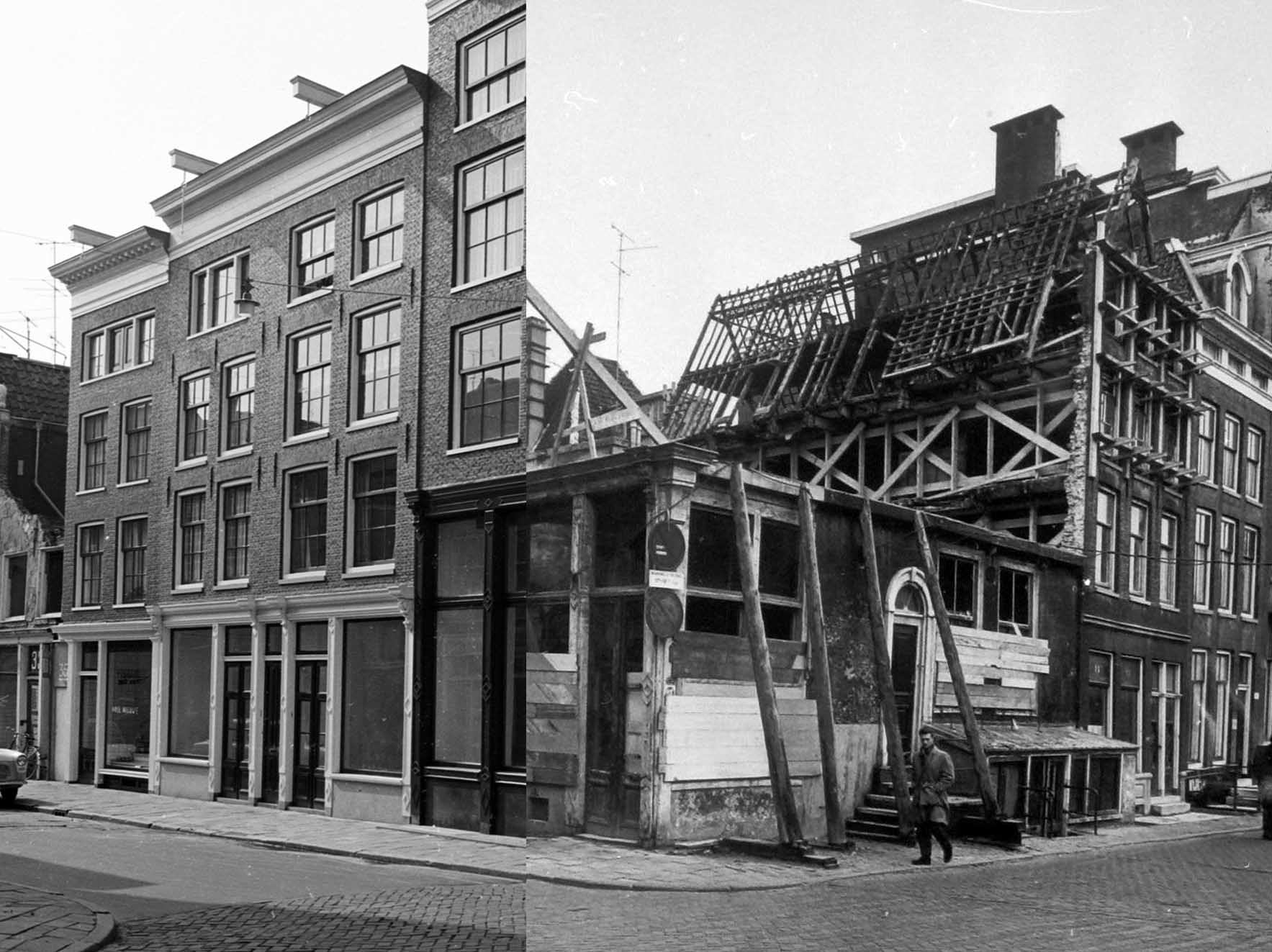
Tata Ronkholz was one of the first students in Bernd and Hilla Becher’s famous photography class at the Kunstakademie Düsseldorf. Her fellow students included Candida Höfer, Axel Hütte, Thomas Ruff and Thomas Struth, all of whom became artists of world renown. Oddly enough Tata Ronkholz’ work is only now receiving the same international acclaim. The retrospective Designed World: Through the Eyes of Tata Ronkholz (1940–1997) at Huis Marseille is the first large-scale tribute to this many-sided artist.
Designed World - Through the Eyes of Tata Ronkholz (1940–1997)
Location
Huis Marseille, Museum voor Fotografie, Keizersgracht 401, 1016 EK Amsterdam
Show in Google MapsDates and times
| Date | Time |
|---|---|
| Wednesday 10 June | Time: 10:00 - 18:00 |
| Thursday 11 June | Time: 10:00 - 21:00 |
| Friday 12 June | Time: 10:00 - 18:00 |
Accessibility
 General accessibility provisions and information
Present, available or allowed
- Service dog allowed

 Provisions for people with reduced mobility
Present, available or allowed
- Stairs with handrail

- Lift

 Provisions for people who are blind or partially sighted
Present, available or allowed
- Sensory experience

- Accessible information

Not present, not available or not allowed
- Personal assistant

- Guide lines

- Hearing loop (t-coil or headphones)

- Sign language interpretation provided

- Closed captioning

- Open captioning

- Hidden disability Sunflower-keycord recognised here

- Low stimulus hours

- Audio description

- Material in Braille

- Wheelchair accessible entrance

- Passageways that are sufficiently wide

- Accessible restroom

- Mobile payment