
Concerts
De weg naar Bach: ontwikkeling van de sonate
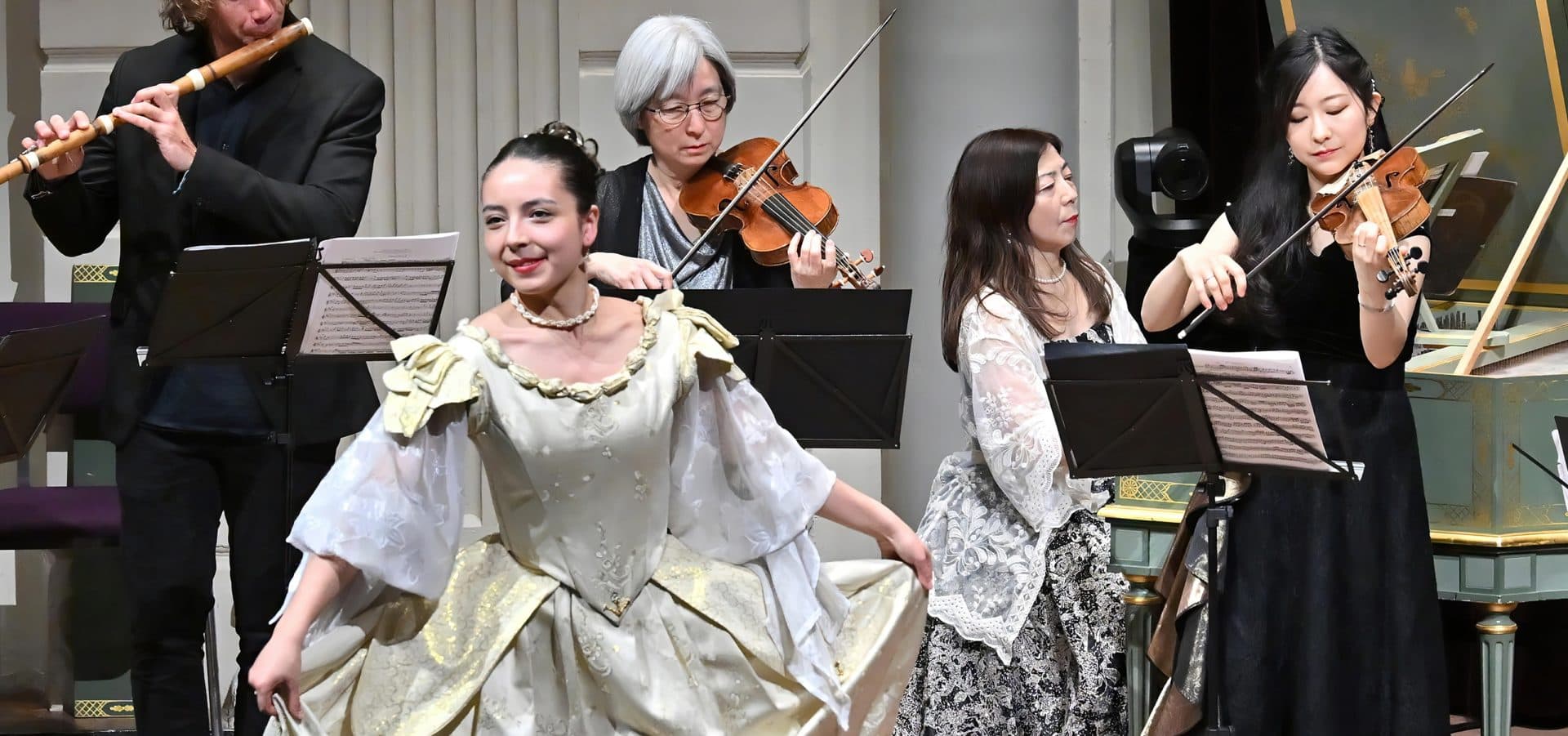
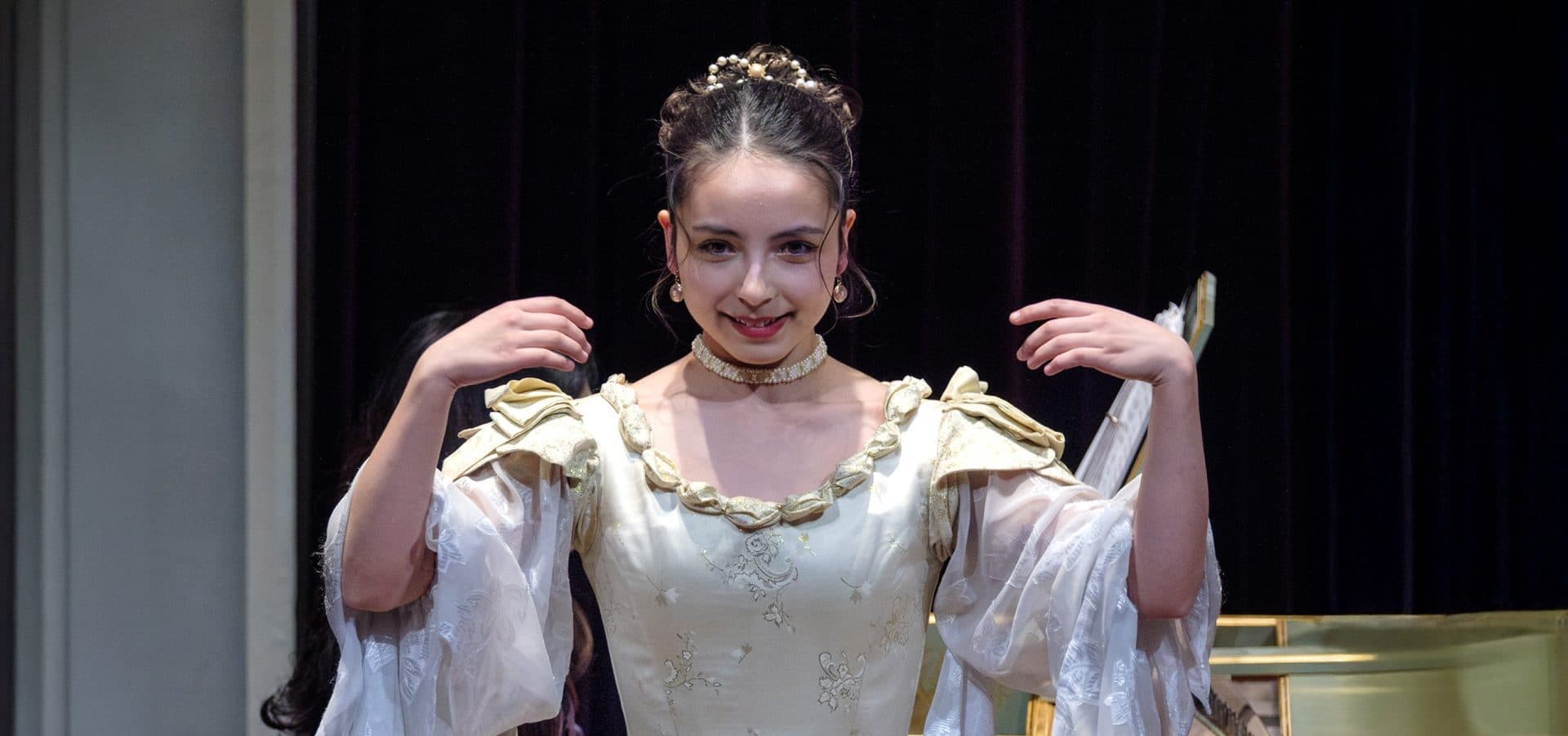
Slide 1 of 2
Baroque violinist Sayuri Yamagata and harpsichordist Noriko Amano lead Pearls in Baroque in sparkling performances of sonatas from Rosenmüller to Bach. The sonata, originating in Italy, spread throughout Europe in the second half of the seventeenth century. This program traces the path along which Baroque instrumental music came to full bloom.
De weg naar Bach: ontwikkeling van de sonate
Dates
Sun 29 Nov14:15 - 16:35
Contact
Accessibility
 General accessibility provisions and information
Present, available or allowed
- Service dog allowed

- Personal assistant

- Wheelchair accessible entrance

 Provisions for people with reduced mobility
Present, available or allowed
- Stairs with handrail

- Lift

- Passageways that are sufficiently wide

- Accessible restroom

- Mobile payment

 Provisions for people who are blind or partially sighted
Present, available or allowed
- Sensory experience

 Provisions for people who are deaf or hard of hearing
Present, available or allowed
- Hearing loop (t-coil or headphones)

Not present, not available or not allowed
- Guide lines

- Sign language interpretation provided

- Closed captioning

- Open captioning

- Hidden disability Sunflower-keycord recognised here

- Low stimulus hours

- Audio description

- Accessible information

- Material in Braille
