The Nightwatch Lives! ARTIS-Micropia


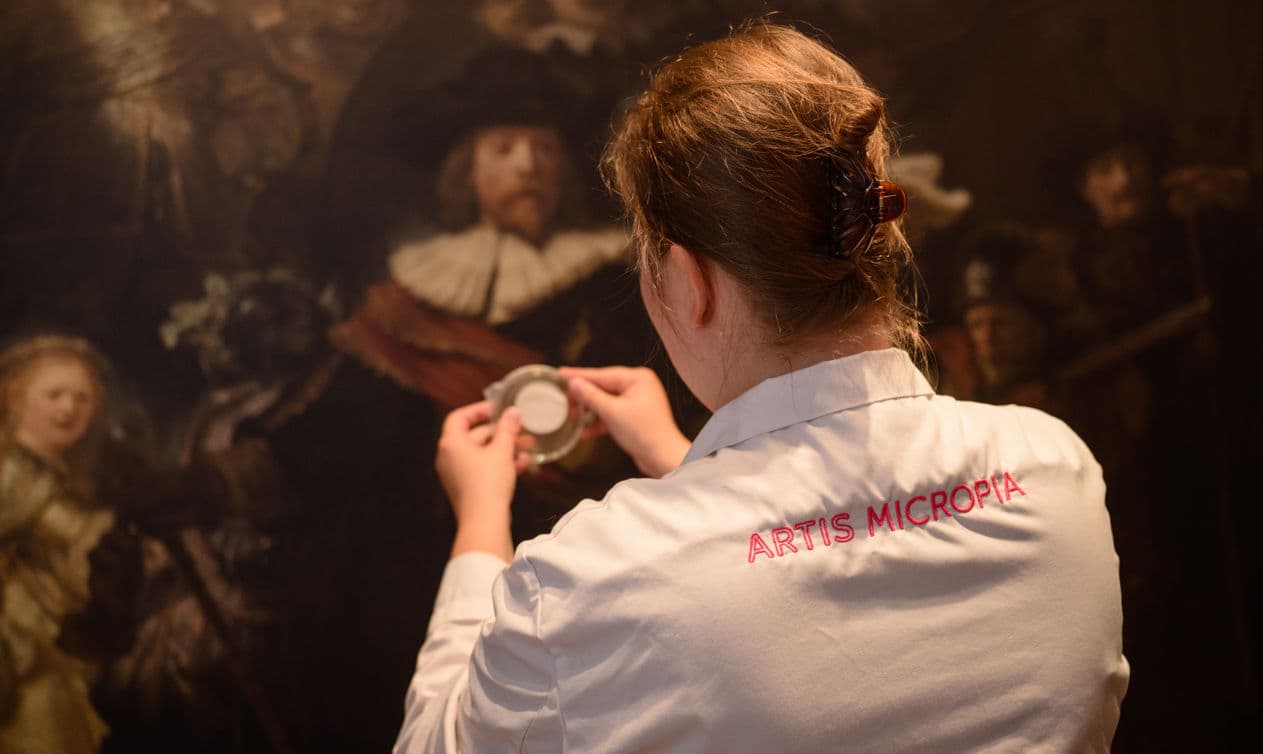
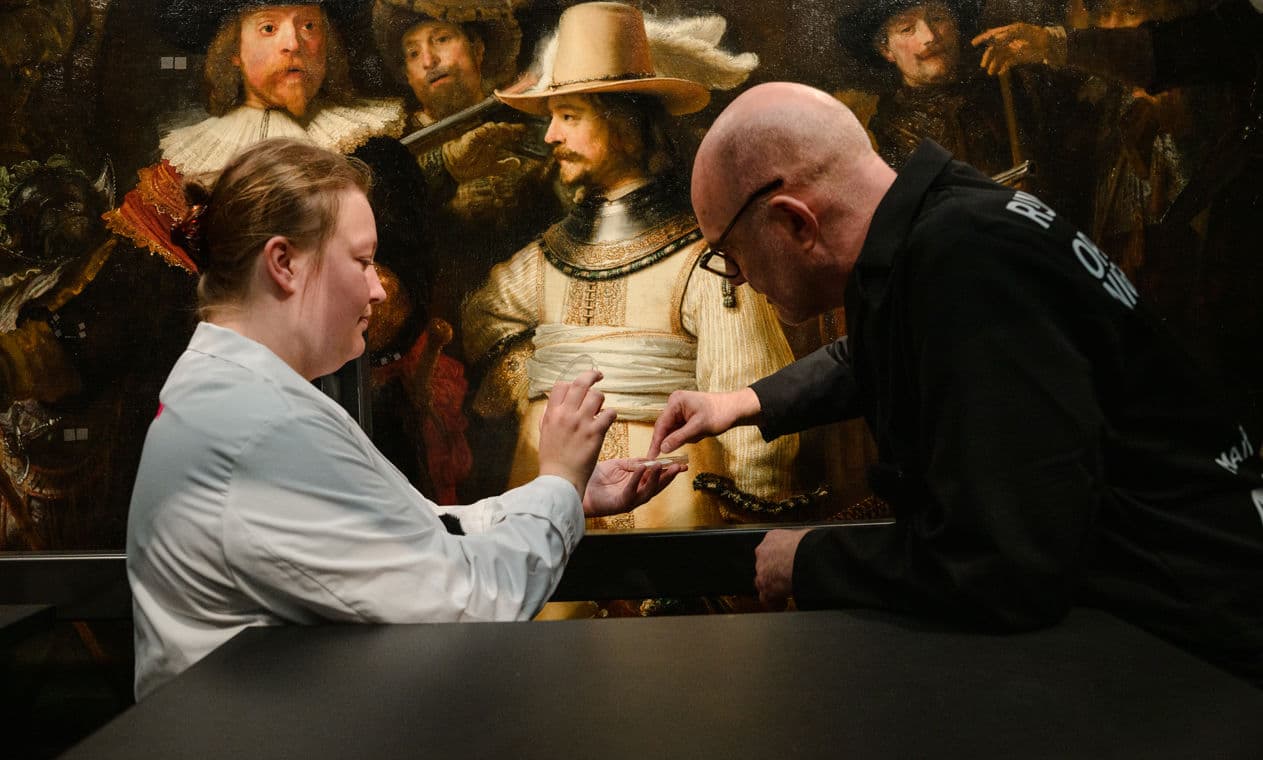
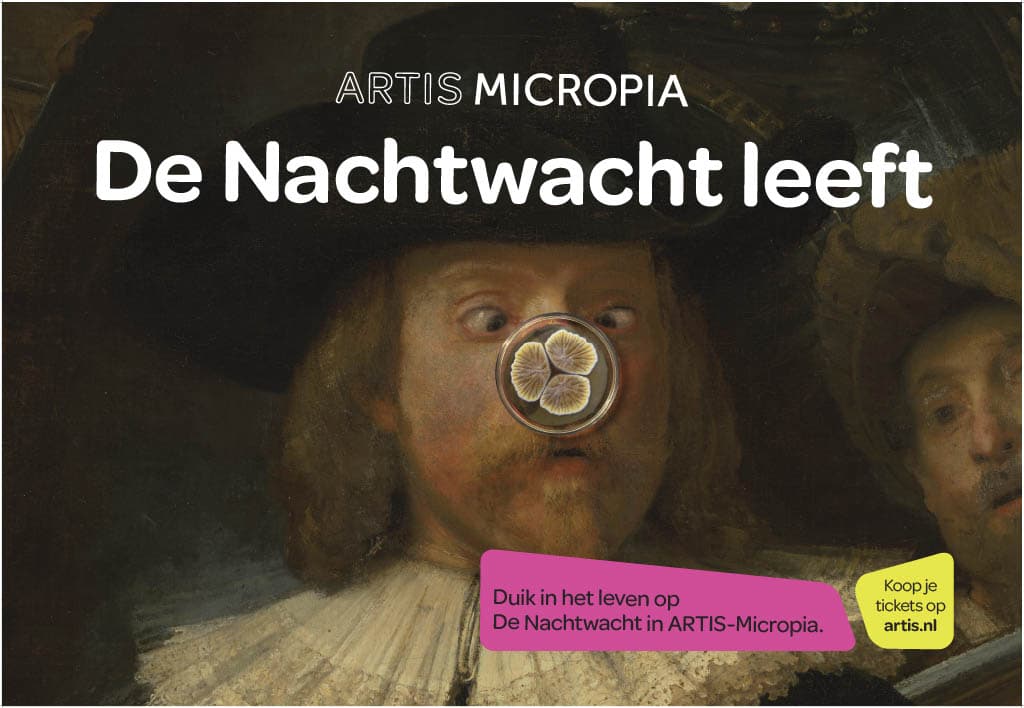
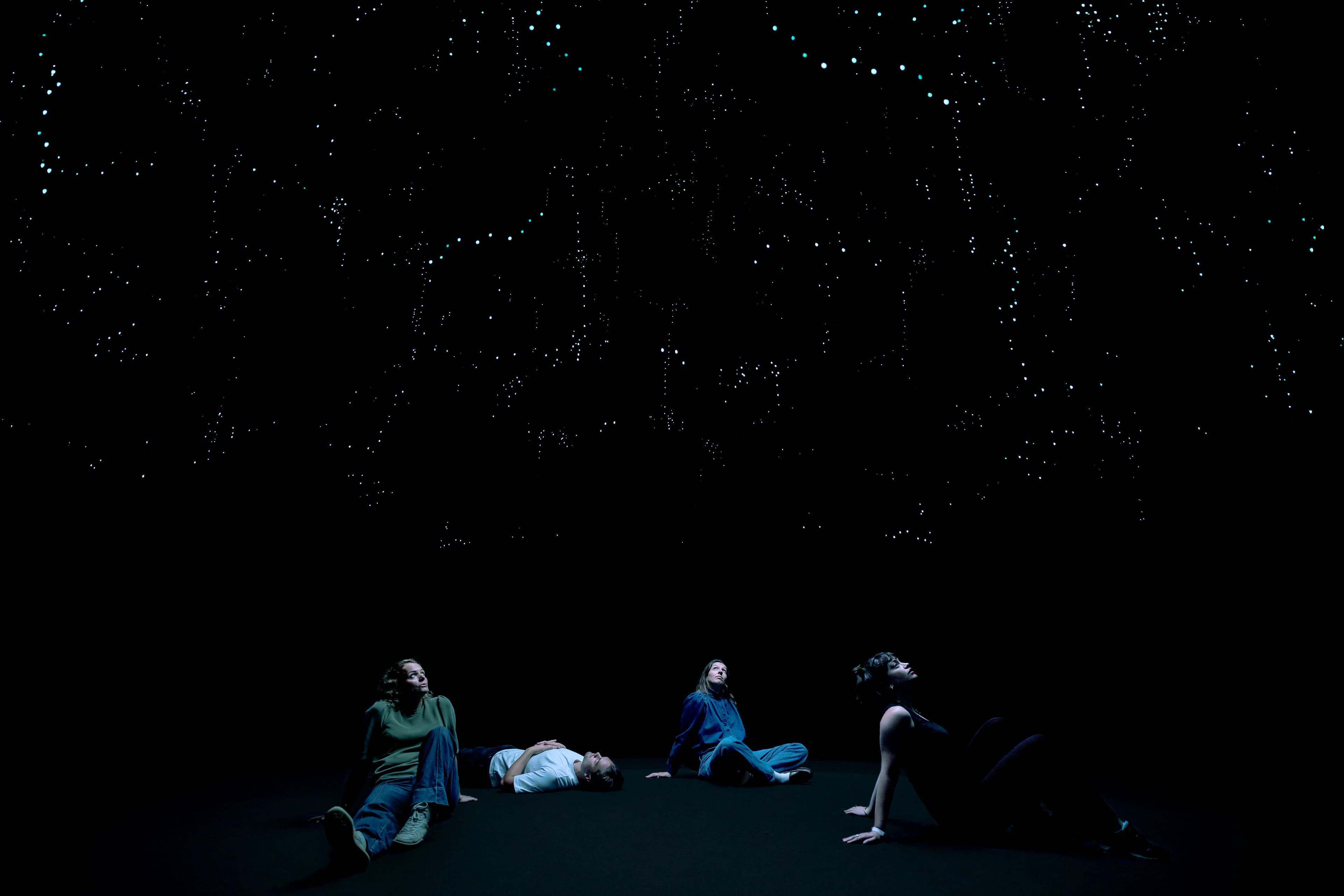
ARTIS and the Rijksmuseum are collaborating together to visualize the invisible life on the world famous 'Night Watch'. From 11 November, 'The Nightwatch Lives' can be seen at ARTIS-Micropia. This installation, centered around a life-size reproduction of Rembrandt's 'Night Watch', shows which microorganisms microscopically live on the painting.
The Nightwatch Lives! ARTIS-Micropia
Uncovering the hidden world
Eline van Bloois, microbiologist at ARTIS-Micropia: “Microbes are all around us, but we're used to not seeing them. The fact that we can now make the microbiome of 'The Night Watch' visible is really unique. The contrast between the smallest life on earth and this enormous artwork already sparks the imagination. It shows in a surprising way that even a masterpiece that is preserved as carefully as 'The Night Watch' is constantly in contact with living microbes.”
The largest restoration project of Rembrandt's masterpiece
Katrien Keune, Head of Science Rijksmuseum: "Operation Night Watch is the largest research and restoration project of Rembrandt's masterpiece ever. Thanks to research on macro-and micro level, the Rijksmuseum has learned much more about how Rembrandt painted 'The Night Watch' and what the condition of the painting is. Thanks to the unique knowledge of ARTIS-Micropia, we will soon also know which microorganisms live on 'The Night Watch'.”
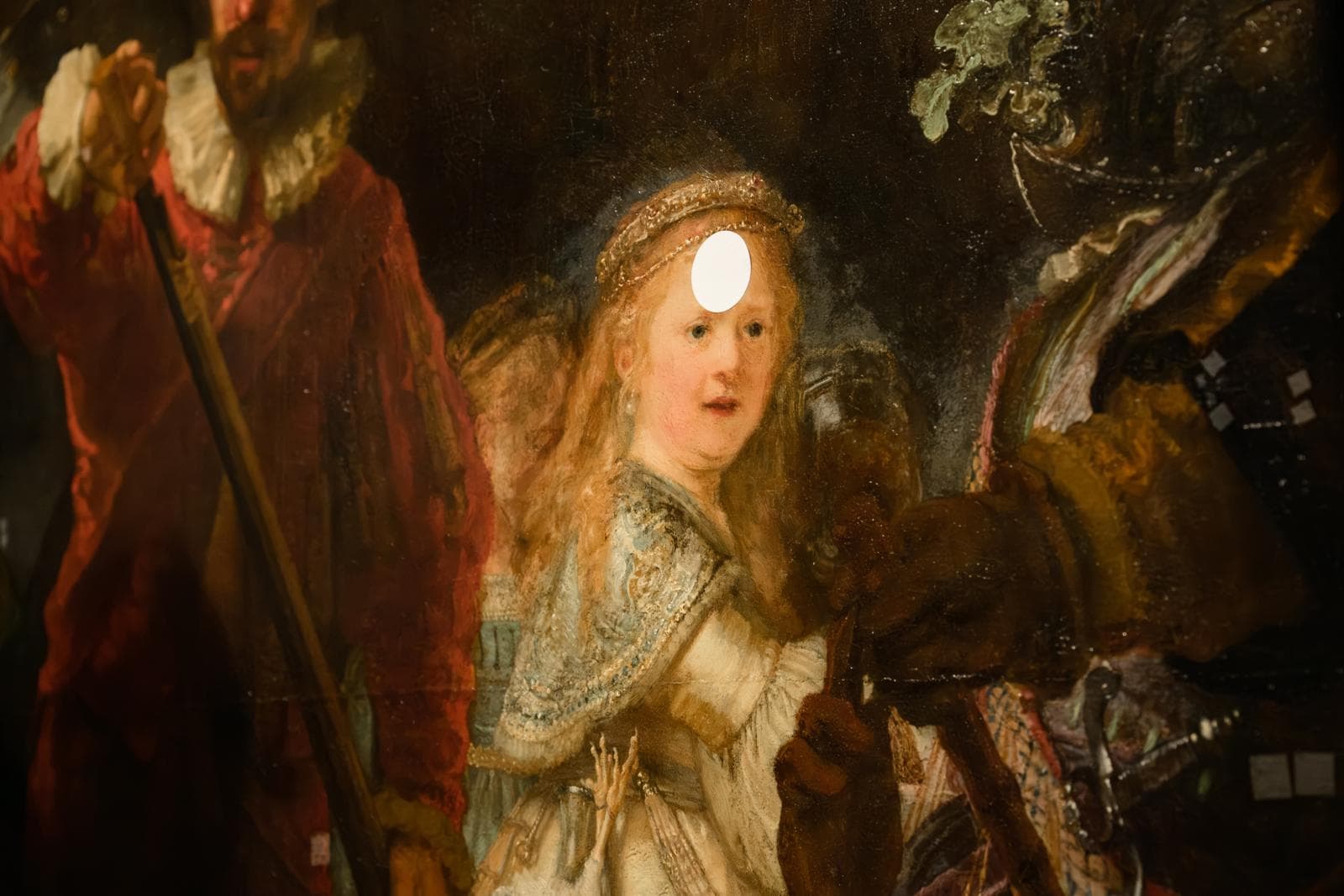
Which bacteria are growing on 'the girl' and on 'the dog'?
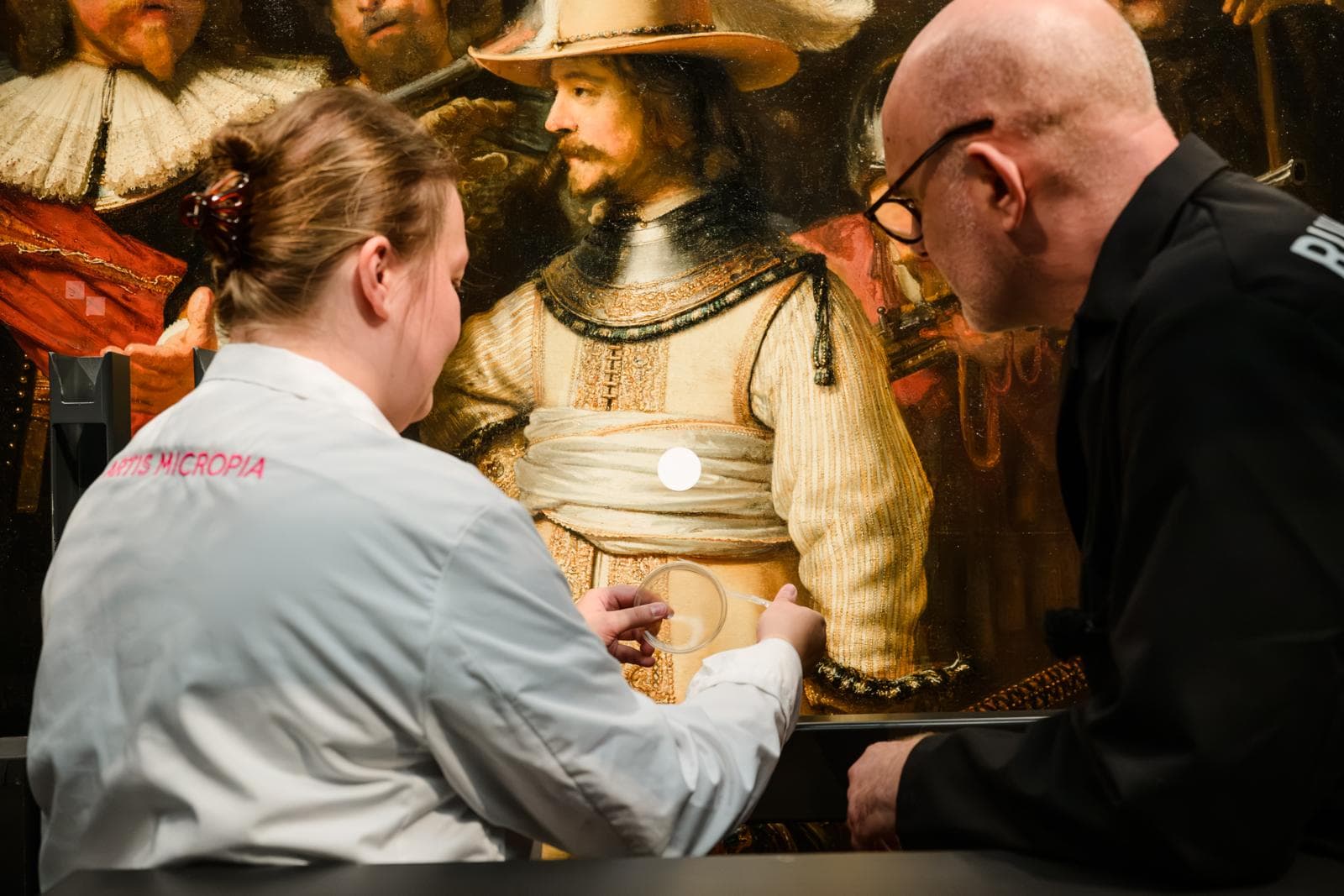
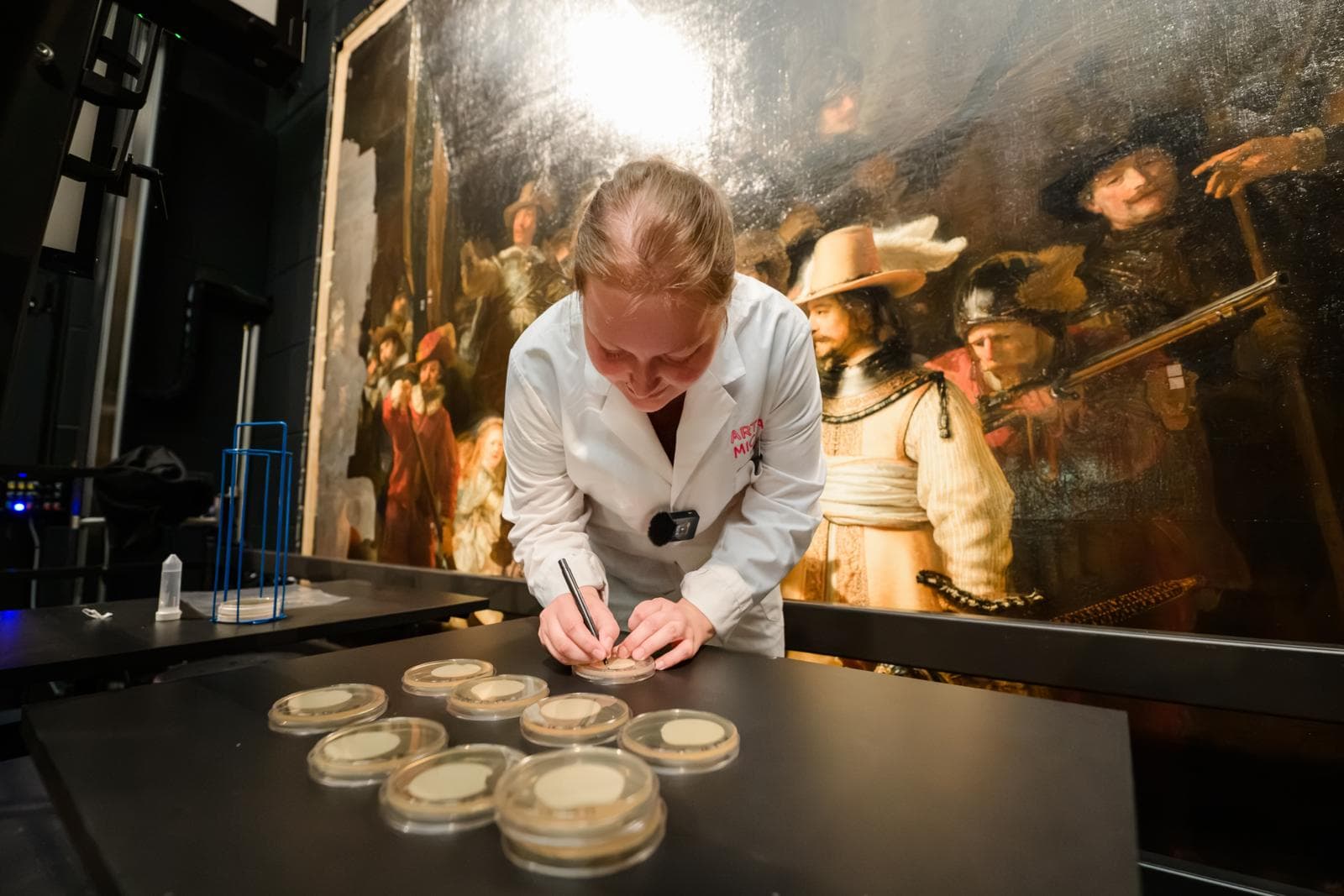
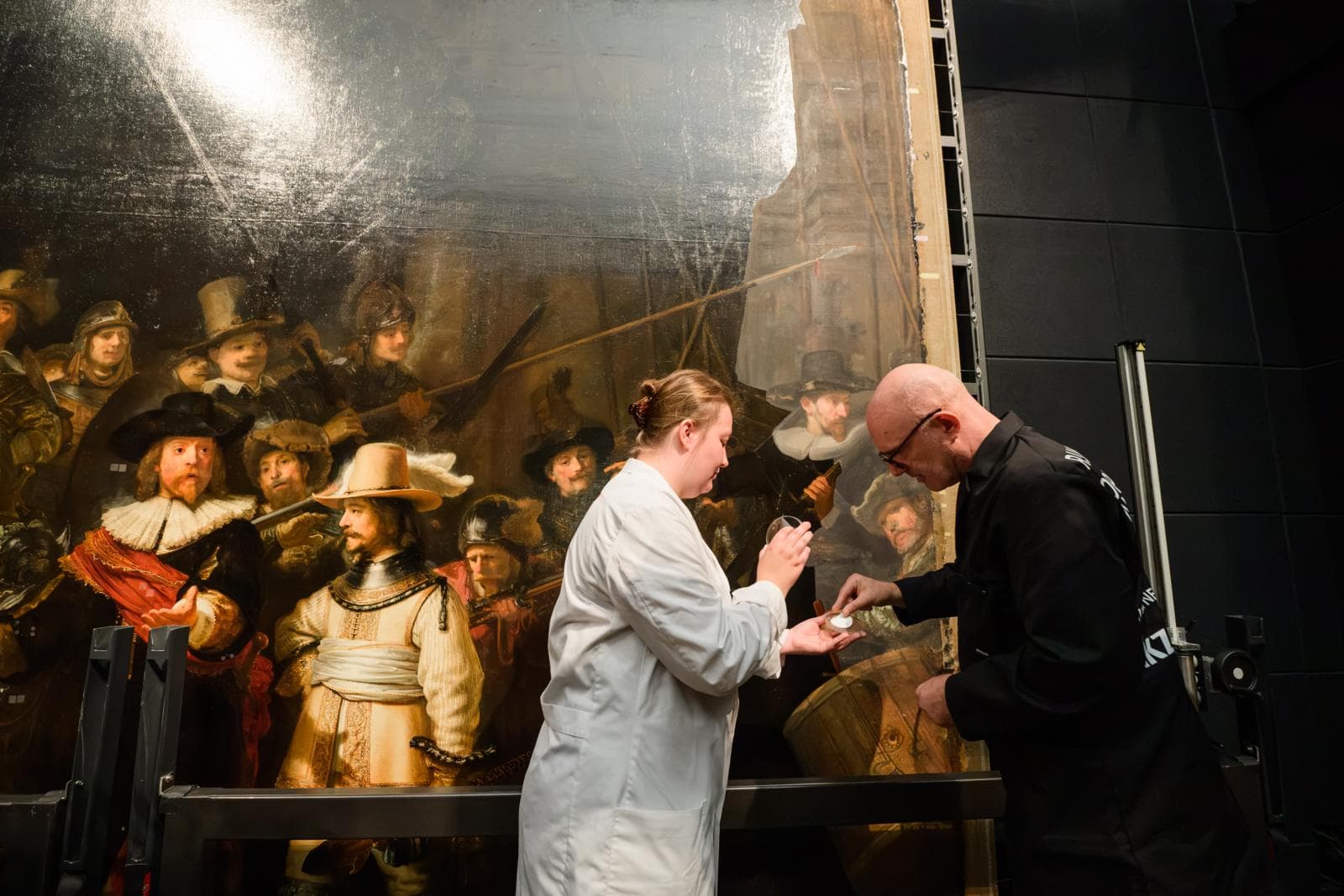
For the research on these micro-organisms, a lab technician from ARTIS-Micropia, together with curators from the Rijksmuseum, samples will be taken from different sections on 'The Night Watch' for six months, from parts both with and without a varnish layer. In the laboratory of Micropia, the samples are put into culture and subsequently identified by an external laboratory.
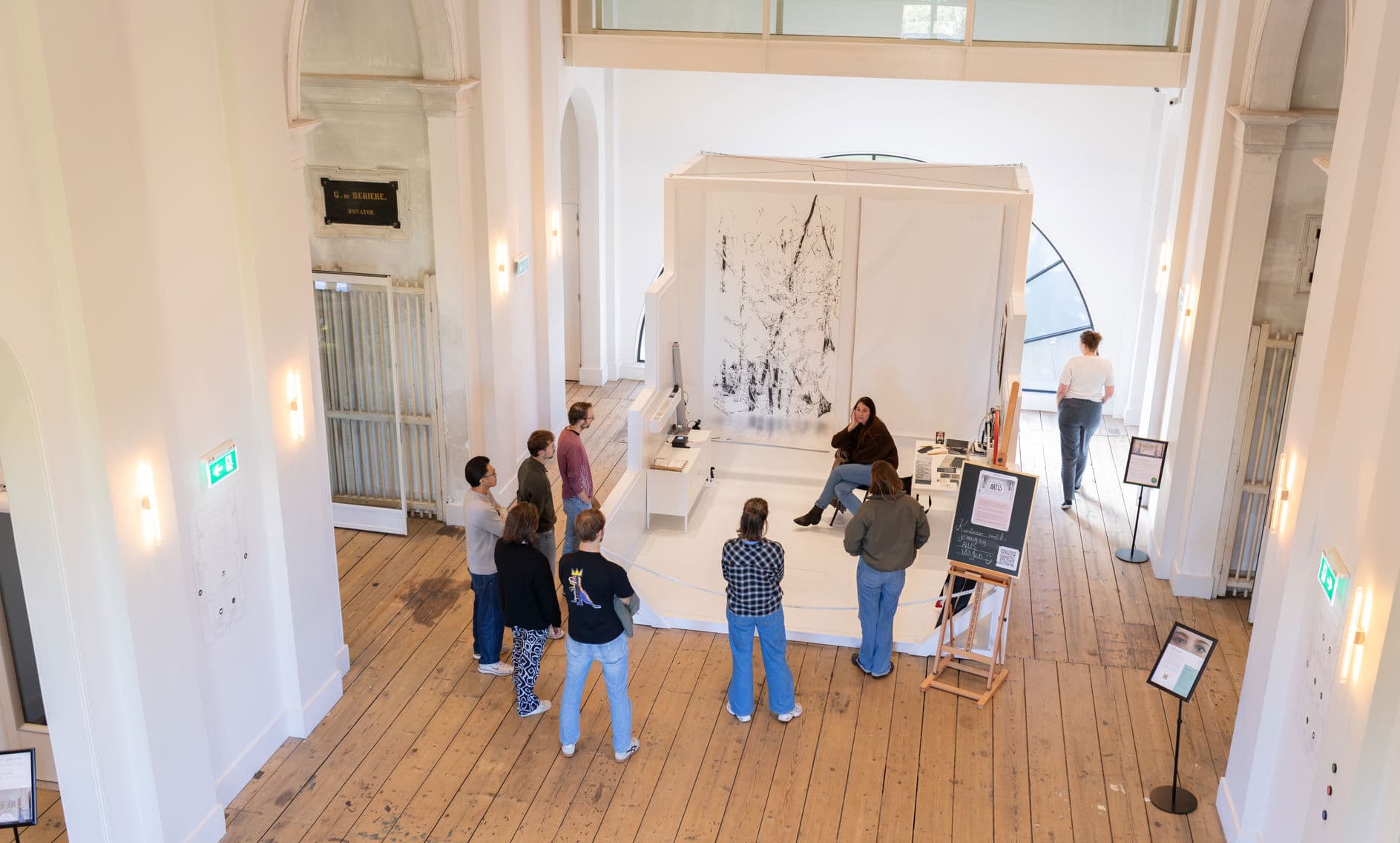
Do the same bacteria grow on 'The Night Watch' as, for example, on your fridge at home? And do more microbes grow on 'the girl' than on 'the dog', for example? From 11 November, visitors can view the first results of the research in ARTIS-Micropia. As more samples are taken, the installation will also continue to grow.
More and more results will be presented on the life-size reproduction. In addition, we give visitors a glimpse into the culturing process.
Operation Night Watch
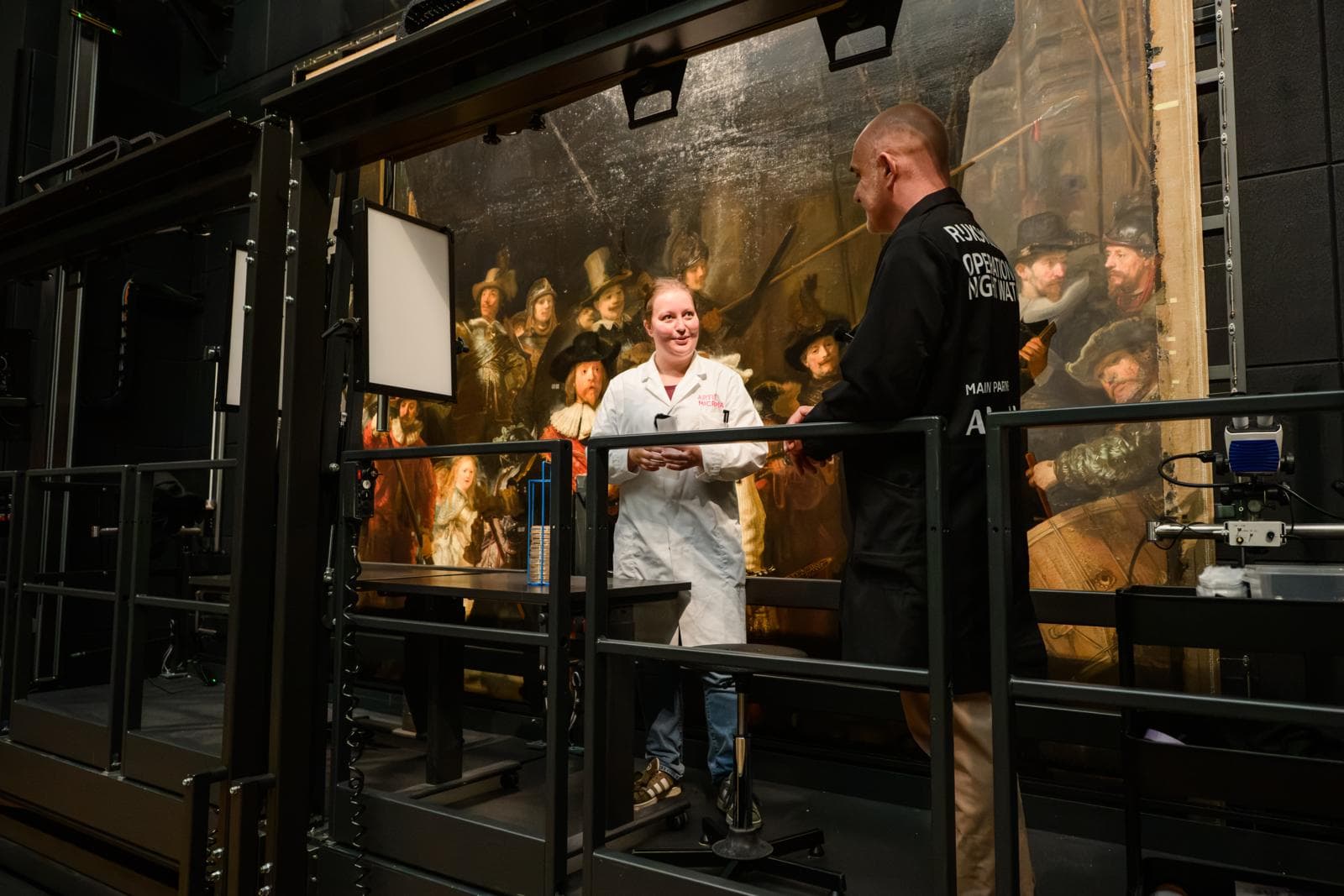
'The Night Watch' is Rembrandt's most famous painting. It shows the citizens of Amsterdam protecting the city. The painting is almost 400 years old and deserves the best care possible, so that people can continue to enjoy it in the future. That is why the Rijksmuseum started Operation Night Watch in 2019, the largest and most extensive research and restoration project of Rembrandt's most famous work ever. It takes place in front of the eyes of the public, in a specially designed glass room in the Eregalerij of the Rijksmuseum. The painting has been examined with the most advanced research techniques. In the meantime, the restorers are working on removing the yellowed varnish that was applied in the 1970s.
'The Night Watch Lives!' can be seen in ARTIS-Micropia from 11 November 2026.
Accessibility
General accessibility provisions and information
Present, available or allowed
- Service dog allowed
- Wheelchair accessible entrance
Provisions for people with reduced mobility
Present, available or allowed
- Stairs with handrail
- Lift
- Accessible restroom
Provisions for people who are blind or partially sighted
Present, available or allowed
- Sensory experience
Provisions for people who require low sensory environments
Present, available or allowed
- Hidden disability Sunflower-keycord recognised here
Not present, not available or not allowed
- Personal assistant
- Guide lines
- Hearing loop (t-coil or headphones)
- Sign language interpretation provided
- Closed captioning
- Open captioning
- Low stimulus hours
- Audio description
- Accessible information
- Material in Braille
- Passageways that are sufficiently wide
- Mobile payment