Concerts
Pianotrio’s van Dvořák en Ravel door Trio Pantoum
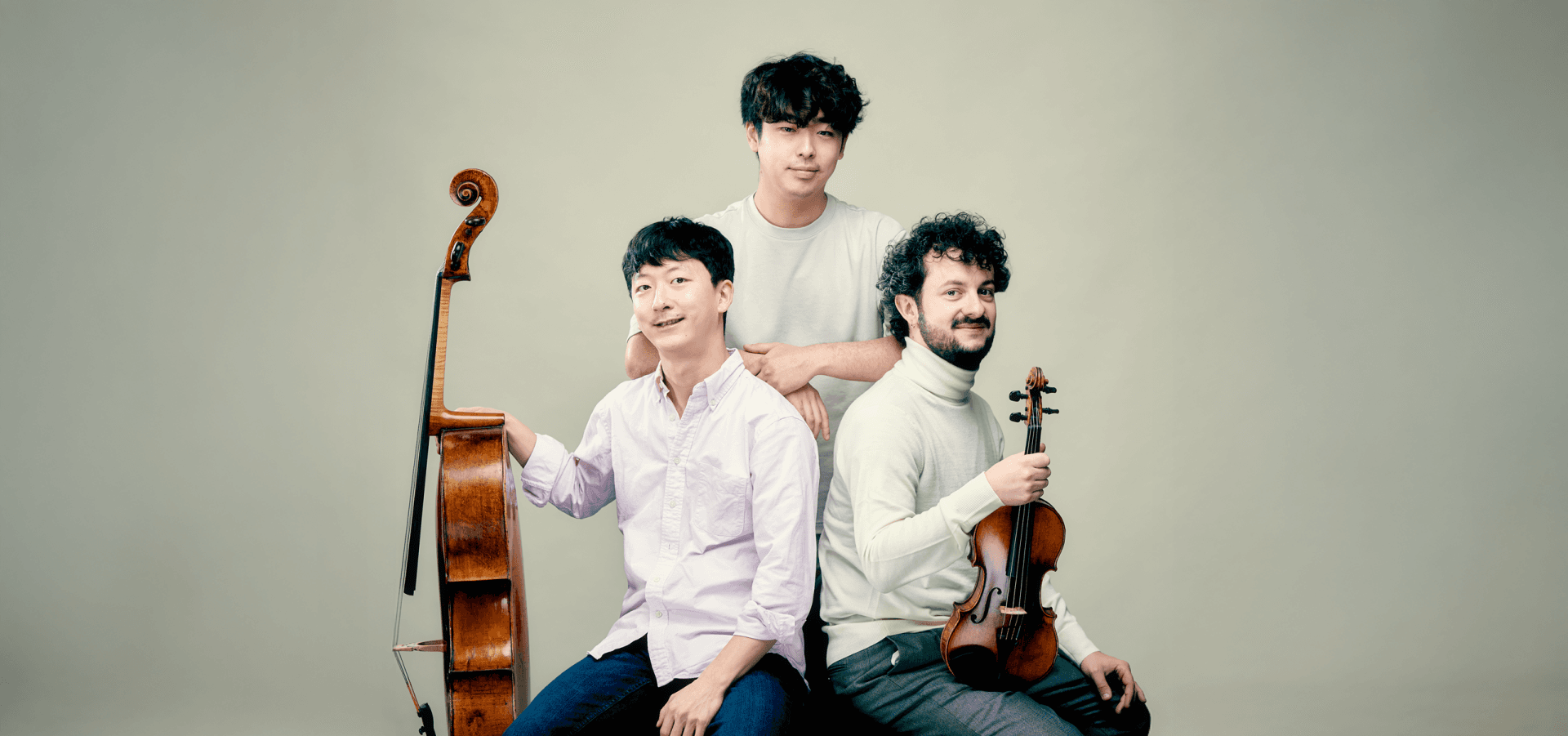
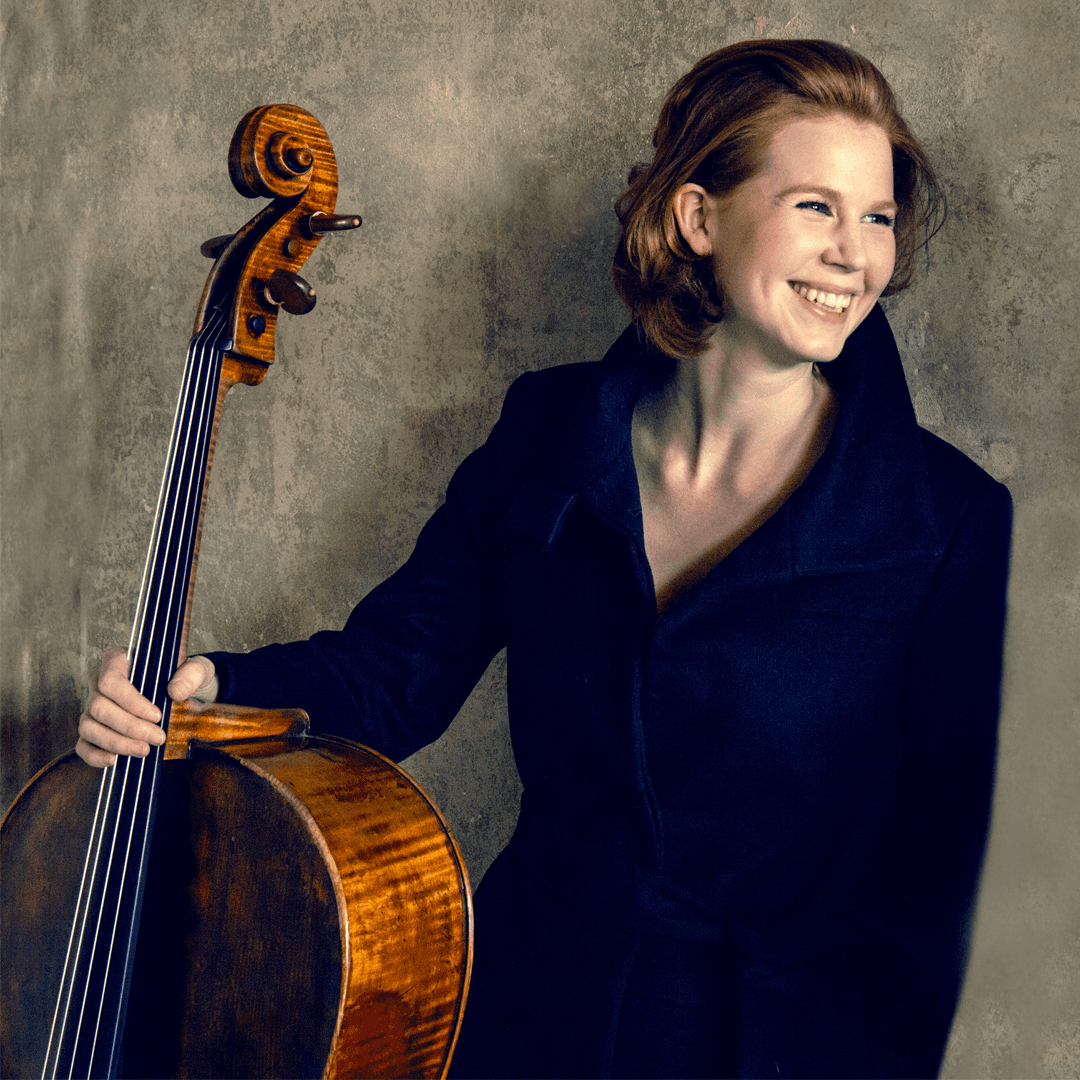
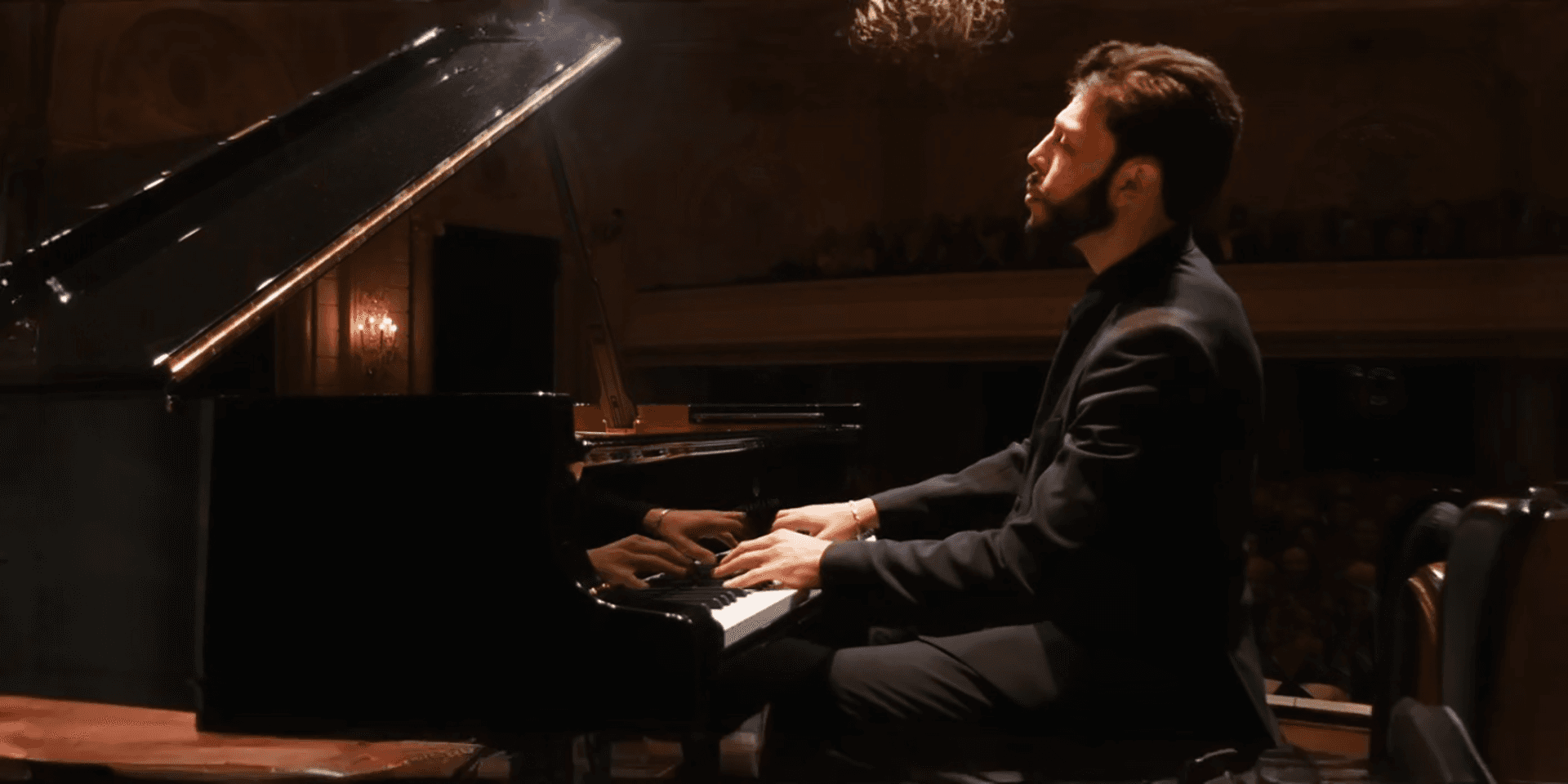
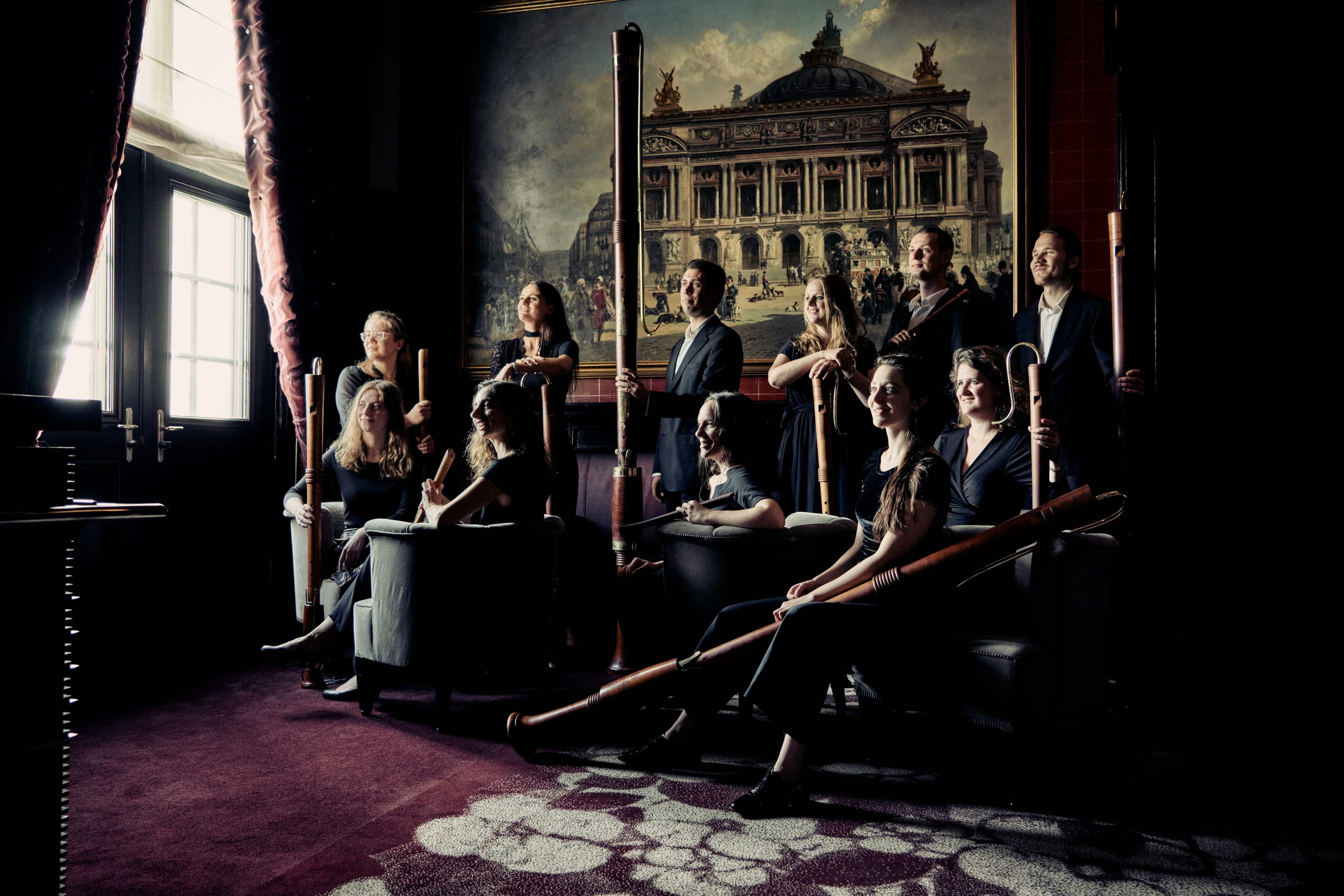
Trio Pantoum made a deep impression last year during a lunch concert in the Kleine Zaal. Now, the band plays Dvořák's 'Dumky' trio, full of nostalgic laments and rousing folk dances. At least equally appealing is Ravel's spectacular Piano Trio, a colorful collection of Basque music, Malaysian poetry, and exotic sounds. The name Trio Pantoum refers to the attractive and playful second movement of Ravel's trio.
Pianotrio’s van Dvořák en Ravel door Trio Pantoum
Dates
Fri 10 Jul20:00 - 21:55
Accessibility
 General accessibility provisions and information
Present, available or allowed
- Service dog allowed

- Personal assistant

- Wheelchair accessible entrance

 Provisions for people with reduced mobility
Present, available or allowed
- Stairs with handrail

- Lift

- Passageways that are sufficiently wide

- Accessible restroom

- Mobile payment

 Provisions for people who are blind or partially sighted
Present, available or allowed
- Sensory experience

 Provisions for people who are deaf or hard of hearing
Present, available or allowed
- Hearing loop (t-coil or headphones)

Not present, not available or not allowed
- Guide lines

- Sign language interpretation provided

- Closed captioning

- Open captioning

- Hidden disability Sunflower-keycord recognised here

- Low stimulus hours

- Audio description

- Accessible information

- Material in Braille