A great fighter for civil rights and equality
Josephine Baker, born in 1906 in Saint Louis, Missouri, grew up in poverty in a society characterized by racism and segregation. As a young girl, she developed a passion for dance and theater, which eventually led her to Paris. There, she achieved international stardom, best known for her revolutionary performances, such as the famous Danse Sauvage with its iconic banana skirt. Her success in France marked a breakthrough at a time when Black artists rarely received recognition.
Besides her artistic career, Baker was a passionate activist. During World War II, she joined the French Resistance. She used her celebrity to smuggle classified information and worked as a spy for the Allies. Her courage and dedication in the fight against Nazi Germany were later recognized with several honors. In 2021, she was interred in the Paris Panthéon, amid much honor, becoming the first Black woman to be buried there.
After the war, Baker continued her commitment to civil rights and equality. She adopted twelve children from various countries, her so-called "rainbow family," to put her ideals of world peace and equality into practice. She fought against racism, both in the United States and in Europe. In 1963, she marched with Martin Luther King Jr. in the March on Washington, where she also spoke.
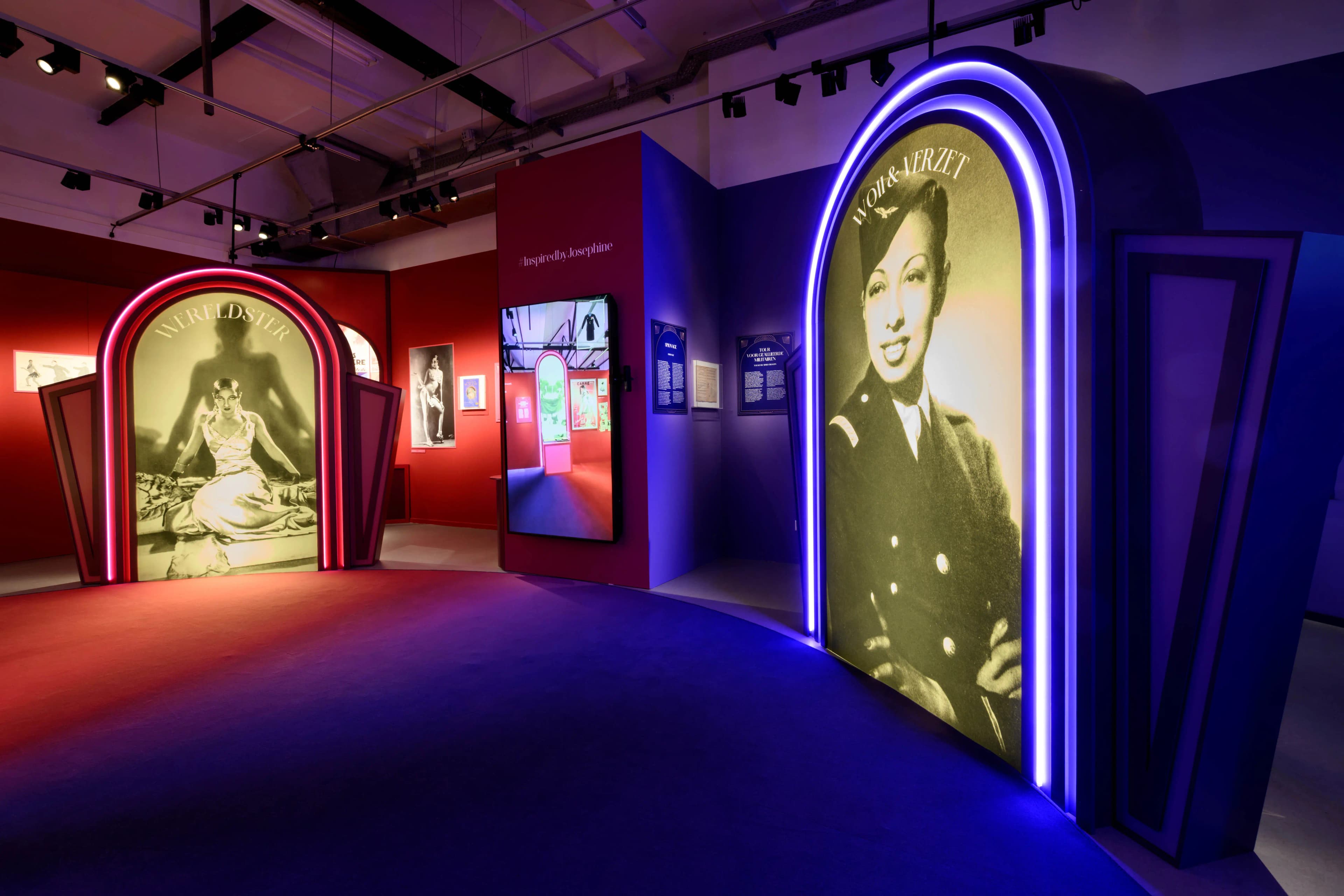
The exhibition at the Resistance Museum offers an overview of Josephine Baker's multifaceted life and legacy. It highlights her childhood in America, her artistic triumphs in Paris, her contribution to the resistance during World War II, and her enduring influence as a champion of equal rights. It also explores her rainbow family and her special bond with the Netherlands.
Finally, the exhibition pays special attention to the significant influence Josephine Baker has had on subsequent generations. Her iconic appearance and confident charisma remain a significant source of inspiration for fashion and pop culture to this day.
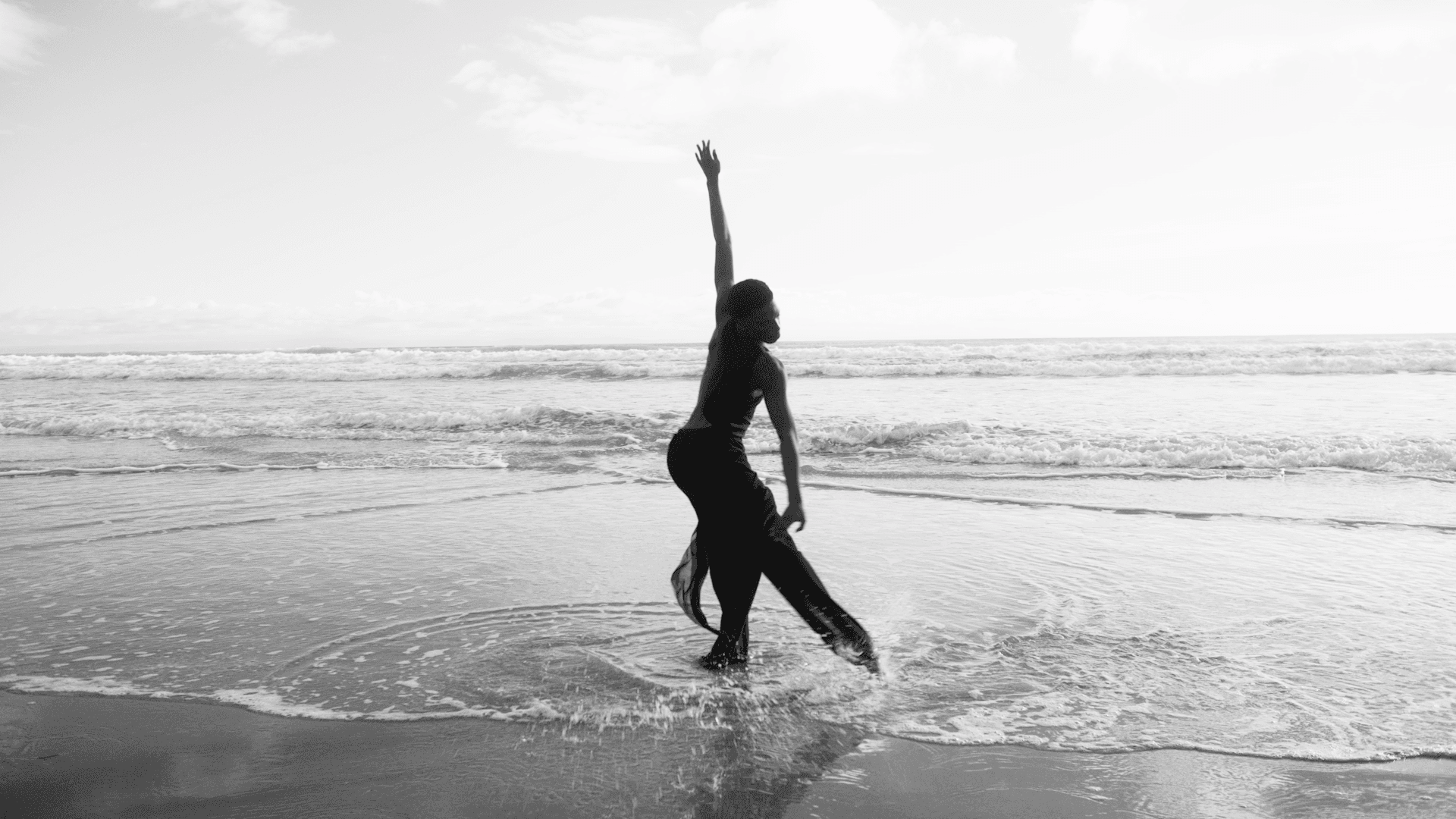
Global stars like Beyoncé, Madonna, and Diana Ross were directly inspired by her. Jean Paul Gaultier, Prada, and Dior have reflected her bold style in their designs. The exhibition also features work by Dutch dancer/choreographer Sedrig Verwoert and artist/fashion designer Lissa Brandon, whose creations were influenced by Baker's unique vision and legacy.