
Concerts
Karina Canellakis & Barbara Hannigan met Barber, Ives & Stravinsky
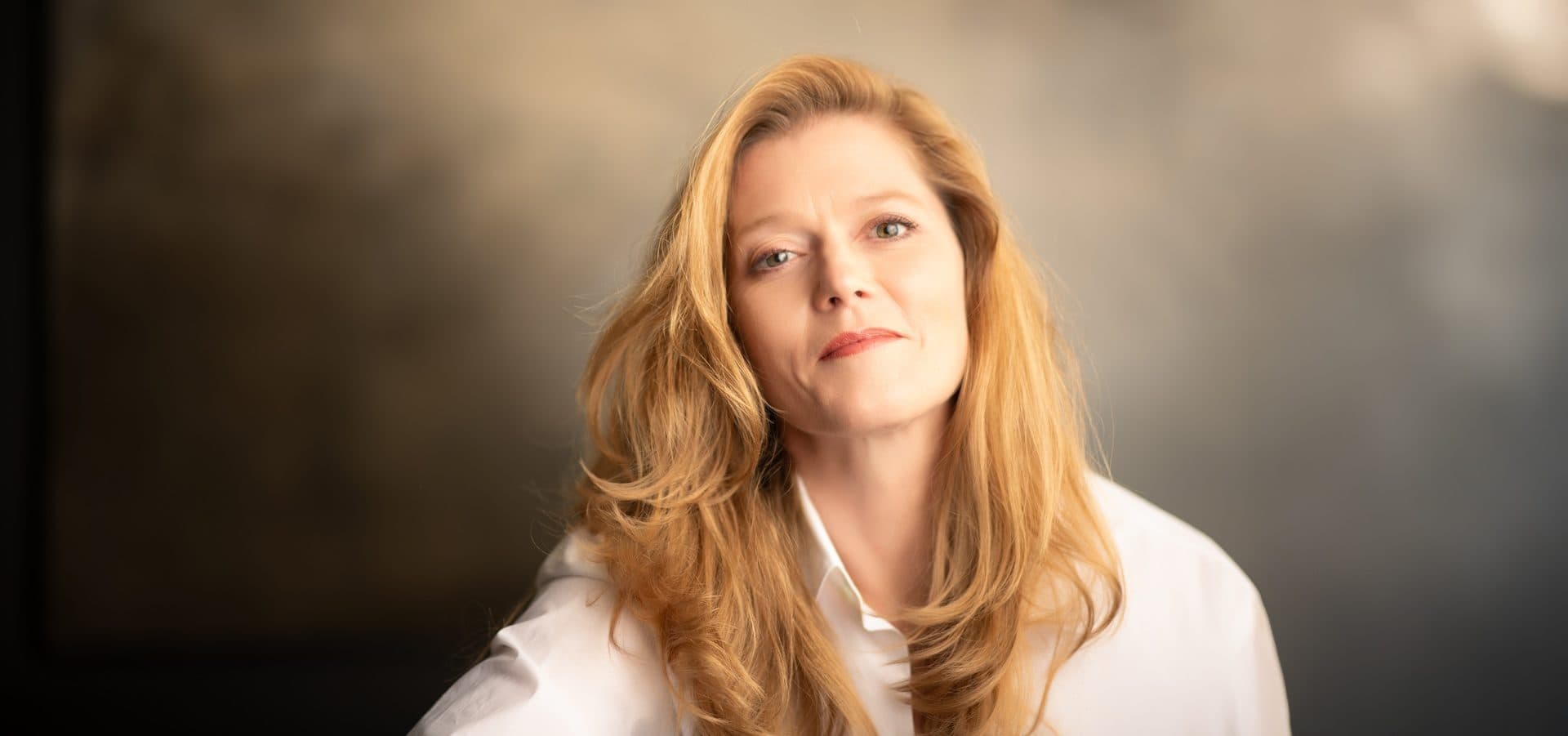
An all-American program with Karina Canellakis conducting the Radio Philharmonic Orchestra and Canadian star soprano Barbara Hannigan.
Karina Canellakis & Barbara Hannigan met Barber, Ives & Stravinsky
Dates
Sat 6 Feb14:15 - 16:05
Contact
Accessibility
 General accessibility provisions and information
Present, available or allowed
- Service dog allowed

- Personal assistant

- Wheelchair accessible entrance

 Provisions for people with reduced mobility
Present, available or allowed
- Stairs with handrail

- Lift

- Passageways that are sufficiently wide

- Accessible restroom

- Mobile payment

 Provisions for people who are blind or partially sighted
Present, available or allowed
- Sensory experience

 Provisions for people who are deaf or hard of hearing
Present, available or allowed
- Hearing loop (t-coil or headphones)

Not present, not available or not allowed
- Guide lines

- Sign language interpretation provided

- Closed captioning

- Open captioning

- Hidden disability Sunflower-keycord recognised here

- Low stimulus hours

- Audio description

- Accessible information

- Material in Braille
