Concerts
Beethoven! Ronald Brautigam speelt o.a. de 'Pathétique' en 'Mondschein'
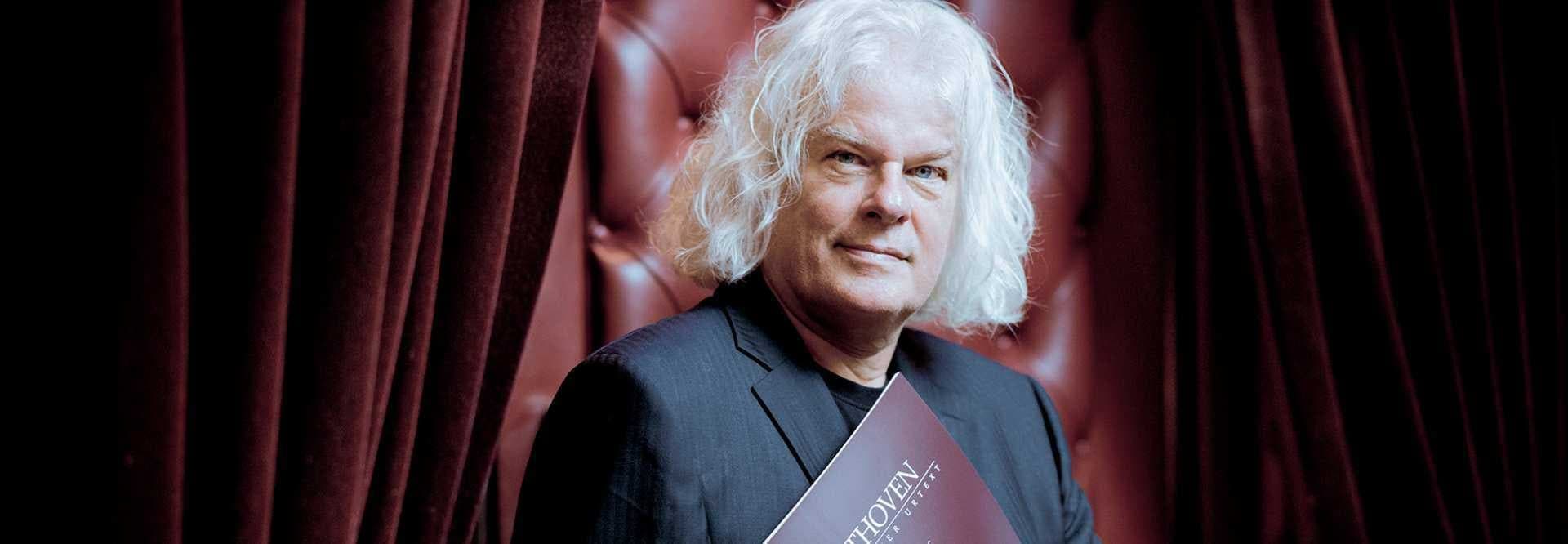
With numerous performances at the Concertgebouw, Ronald Brautigam, awarded the Concertgebouw Medal in 2024, is a fixture at the Museumplein. For three afternoons in the Small Hall, he devotes himself to Beethoven's works for piano, which he calls 'the bible for pianists'. From the energetic First Sonata to the famous Pathétique and Mondschein: Brautigam makes early Beethoven sparkle on a fortepiano. Beethoven's genius through the eyes and ears of a master pianist.
Beethoven! Ronald Brautigam speelt o.a. de 'Pathétique' en 'Mondschein'
Dates
Sun 25 Oct14:15 - 16:20
Contact
Accessibility
 General accessibility provisions and information
Present, available or allowed
- Service dog allowed

- Personal assistant

- Wheelchair accessible entrance

 Provisions for people with reduced mobility
Present, available or allowed
- Stairs with handrail

- Lift

- Passageways that are sufficiently wide

- Accessible restroom

- Mobile payment

 Provisions for people who are blind or partially sighted
Present, available or allowed
- Sensory experience

 Provisions for people who are deaf or hard of hearing
Present, available or allowed
- Hearing loop (t-coil or headphones)

Not present, not available or not allowed
- Guide lines

- Sign language interpretation provided

- Closed captioning

- Open captioning

- Hidden disability Sunflower-keycord recognised here

- Low stimulus hours

- Audio description

- Accessible information

- Material in Braille