Unmissable day trips from Amsterdam
23 June 2026
As seen in the Spring 2026 edition of the I amsterdam Magazine
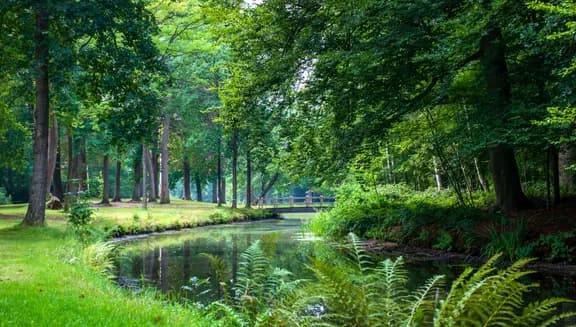
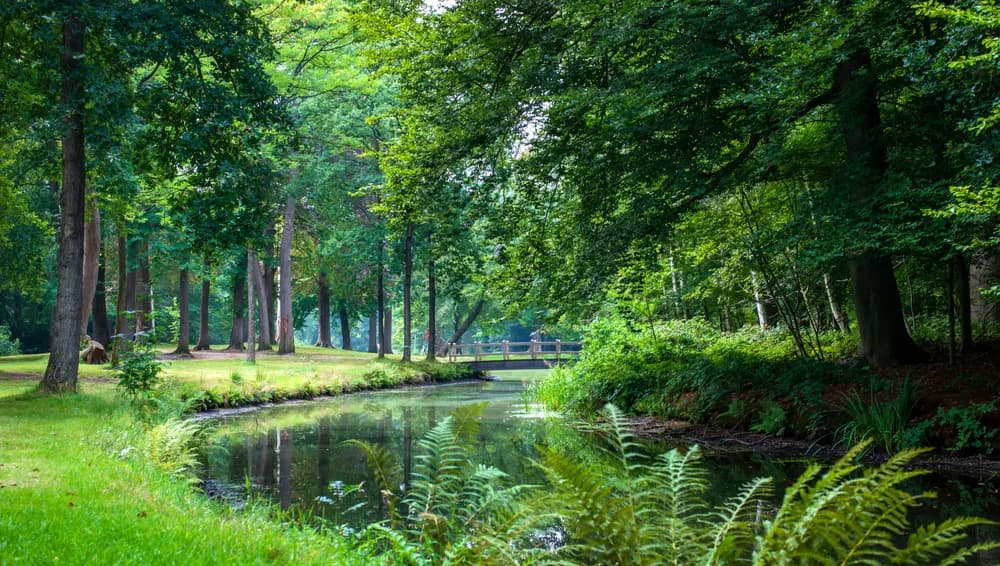
A curl of pathway leads into a sweep of emerald green. The still waters of a pond emerge, reflecting the deep purples and browns of the branches that frame it overhead. And on every side greenery. Tall, structured pines make way for spindly, delicate firs, neighboured by the sheltering embrace of great cedar trees that grow next to even greater redwoods. Such a cluster of evergreen trees is unusual in the Netherlands, but this is Pinetum Bildenstein, one of the country’s most unique botanical gardens and home to one of the largest, if not the largest, collections of conifers on the planet.
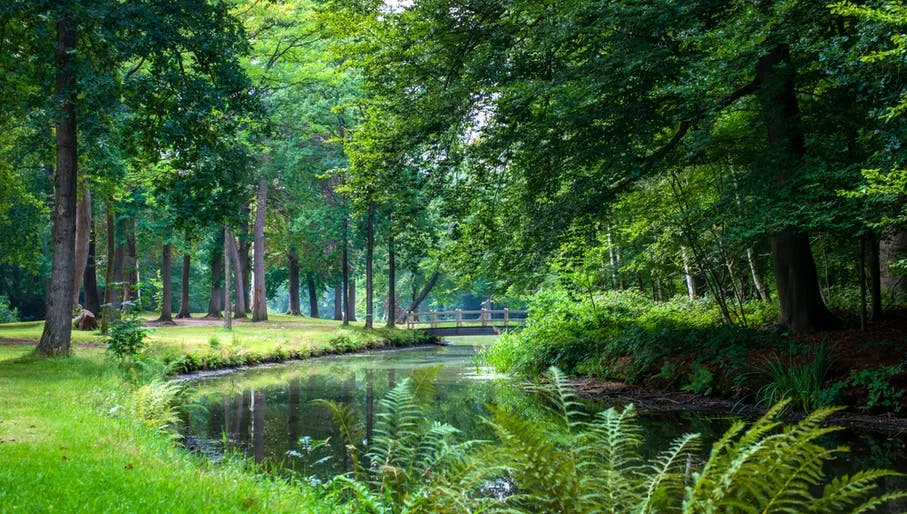
Located in Hilversum, Pinetum Bildenstein is a maze of pathways spun under a canopy of evergreen, a vision sure to inspire any literary or gothic-minded person. Here you’ll find all the aforementioned classics of the confider family – pines, firs and cedars – and rarer variations, like the Wollemia (known for its two-layered leaf structure), which was thought to be extinct up until 1994. Many of the plants here belong to the Dutch National Plant Collection, a living archive of plants in the Netherlands.

It’s a beautiful place and yet it’s just one example of the many gardens around Amsterdam that are lesser-known but filled with wonder. Think the Heemparken in Amstelveen, like Dr Jac P Thijssepark – named after a schoolteacher who believed in learning about nature by being in it – which are wild parks built to roam through and respect, where wildness leads over human hands. Or head to the many estates scattered around the region where English landscape-style attitudes – which favour snaking, meandering paths over symmetry and order – prevail. Or even the many hofjes, which play host to courtyard gardens once meant only to be observed from the window by the women who lived in the surrounding buildings.
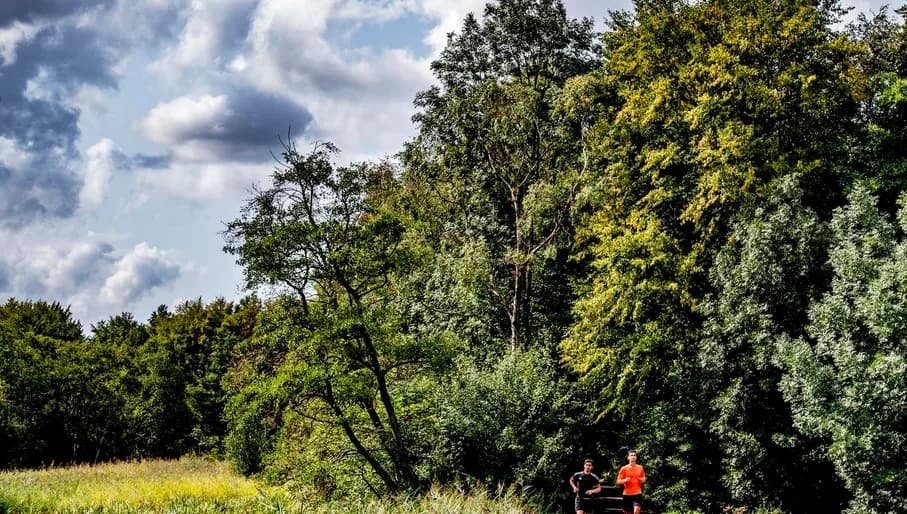
Many of the gardens in the area represent something unique, whether it be history, conservation, or a distinct character. Above all, though, it’s beauty that lives at the heart of each, and there’s few better reasons to visit than that.
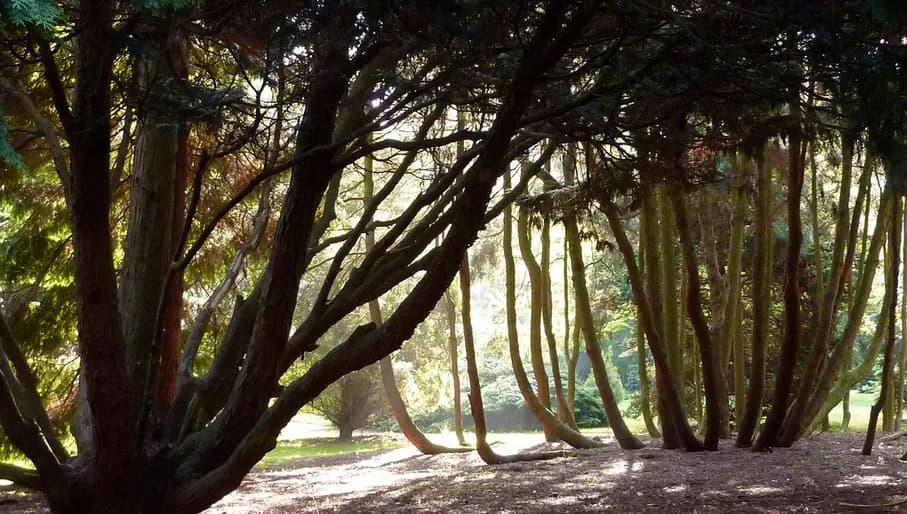
Home to one of the world’s largest collections of conifers, the garden was specifically designed to give the impression of infinity and a constant sense of surprise.
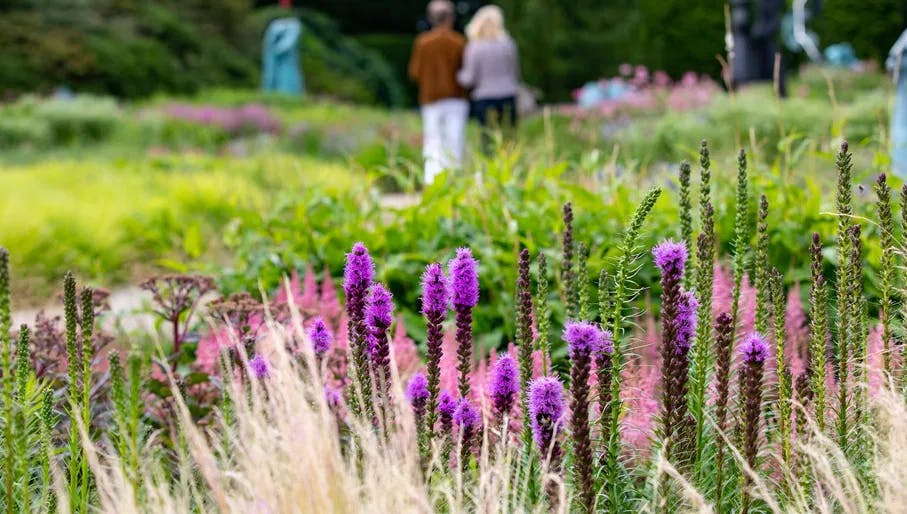
Designed by renowned landscape architect Piet Oudolf – of New York’s iconic High Line – the free sculpture garden at Singer Laren features works by contemporary Dutch artists, including Guido Geelen, Maria Roosen and Famke van Wijk.
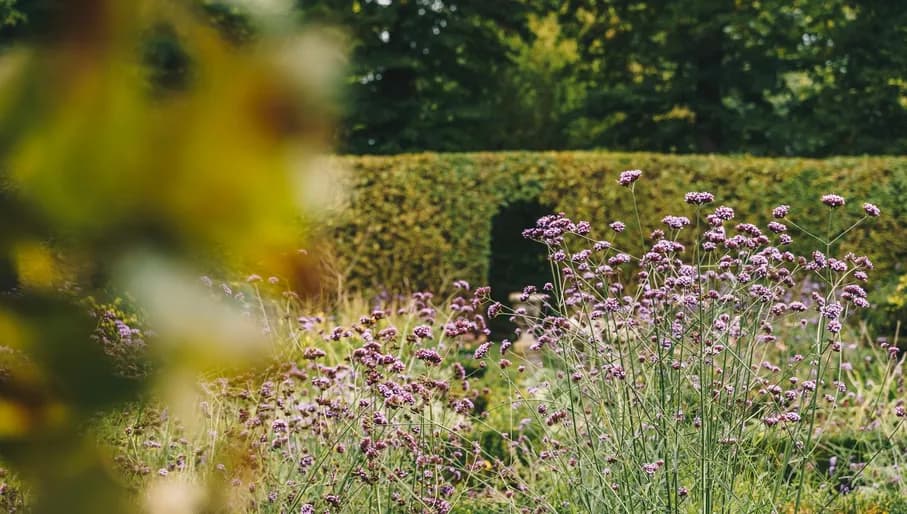
Designed by Henri van Sypesteyn, this historical garden is cut by hornbeams and chestnut trees, with areas over 100 years old, home to an orchard, a maze and the largest Katsura tree in the Netherlands.
Meander through Dr. Jac. P. Thijssepark and De Brakke – the latter being the oldest botanical garden in the Netherlands – past hundreds of native, rare species.

A castle that’s 700+ years old, Muiderslot’s gardens are still used to grow vegetables and herbs, tended to by volunteers who explain the use of these veggies and herbs for medicine, dyes and decoration.

A botanical garden that neighbours an animal park, this tropical collection features carnivorous plants and giant water lilies.

Home to a flower museum, these gardens take you through horticultural history, from lilac culture to a flower auction every Sunday from mid-April onwards.

Bask in the spring sunshine in this garden as you sip on coffee and indulge in freshly baked pastries.
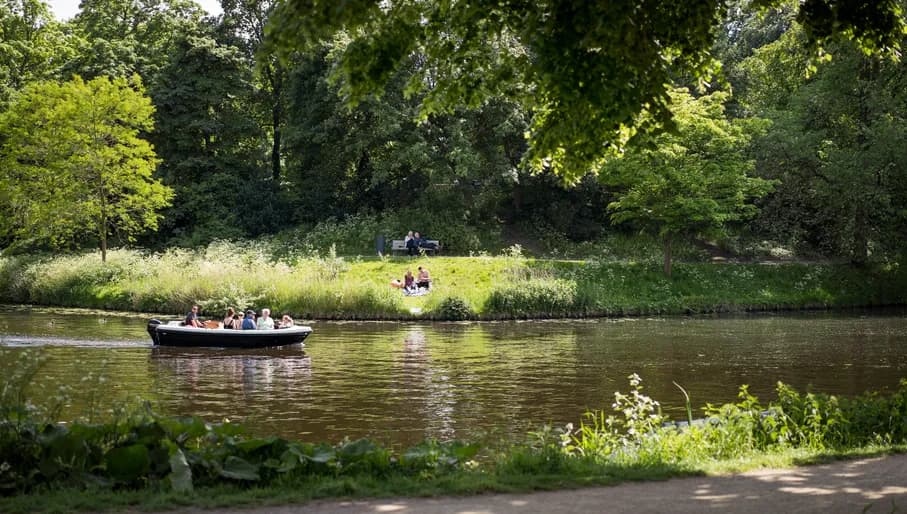
Grab a Haarlem-brewed beer and sit on the sloping banks of this green hideout beloved by locals.