Musicians
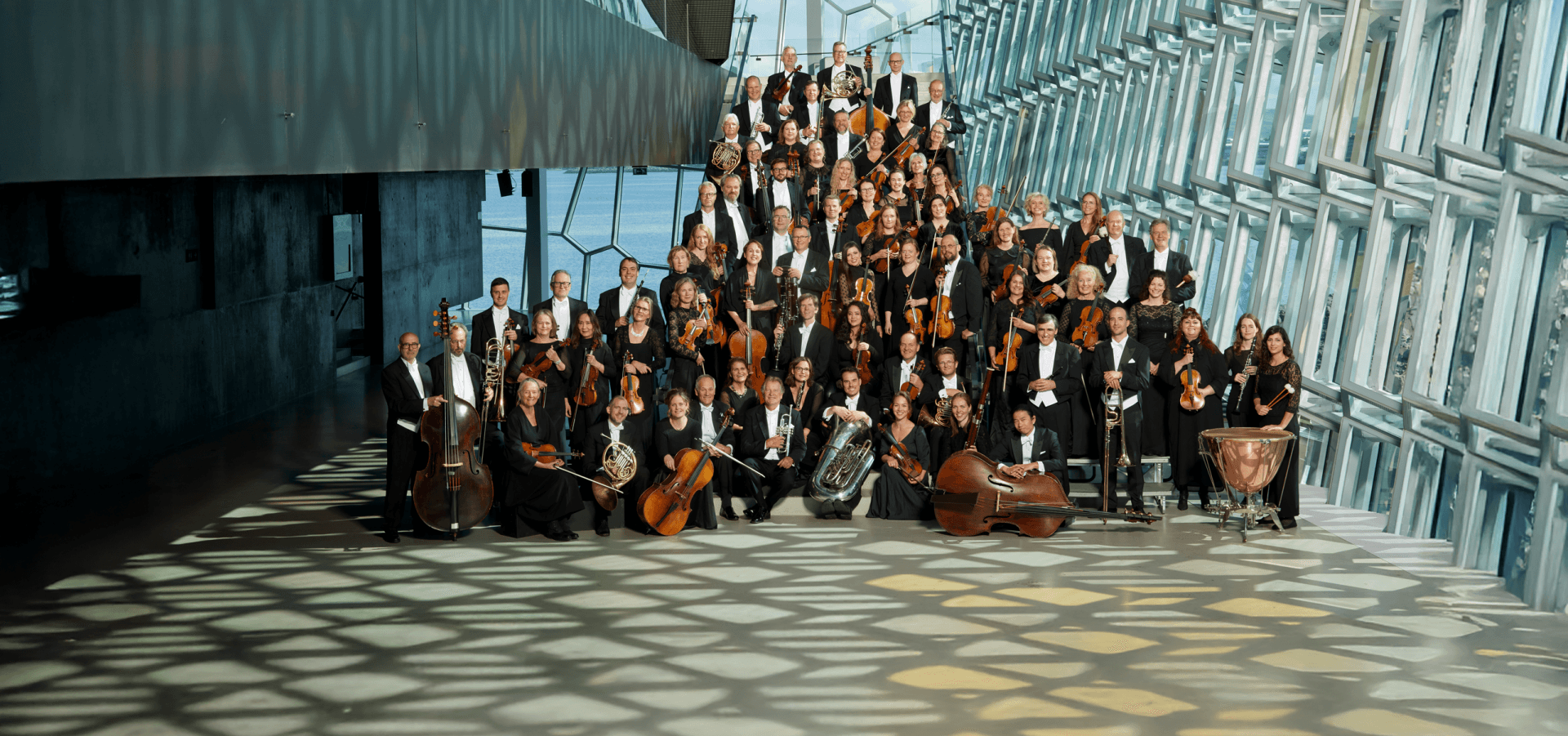
This year, the ‘Elsrijk Chamber Music Concerts’ feature well-known musicians with a connection to Amstelveen. Eveline Kraayenhof, originally from Amstelveen, received her first cello lessons from Lieke and Yke Viersen at the Amstelveen music school. Like many of their students, Eveline also studied at the Amsterdam Conservatory and developed into an excellent cellist who found her place in the Radio Philharmonic Orchestra. Eveline enjoys playing chamber music, including with the ROCTET.
Program
Ottolino Respighi (Bologna, 1879-1936): Doppio Quartetto in D minor. P27 (1900).
Respighi wrote this work when he was 22, in 1901. He was a pupil of Rimsky-Korsakov in St. Petersburg and of Max Bruch in Berlin, among others. His Russian roots are clearly evident in his music. In this octet, we hear music by a young composer who has interwoven himself with the musical tradition of around 1900. Respighi is not an innovator like Stravinsky, for example, but allows us to enjoy beautiful harmonic sounds immensely.
Frederick Delius (Bradford, 1862-1934): Song of Summer.
Delius lived during the same period as Respighi. He was a music lover through and through but was pushed into the wool trade by his parents. Naturally, blood is thicker than water, and music gradually took over his life. In 1886, in Leipzig, he came into contact with Mendelssohn, Brahms, Tchaikovsky, Wagner, and Grieg. In Paris, he became acquainted with the French Impressionists and the musicians Fauré and Debussy. Delius became a true eclecticist. He took the best from every style.
Like Respighi, he became a man of musical enjoyment. He wrote his ‘Song of Summer’ in 1918, which was originally titled: ‘Poem of Life and Love’. There is no mention of a world war in his music; on the contrary. His music is full of pleasure and beauty. For several decades now, as music lovers, we have once again allowed ourselves to fully partake in it: Enjoyment to the fullest!
Max Bruch (Cologne, 1838-1920): String Octet opus posthumus in B-flat major (1920).
Bruch was a true Romantic. He was 30 to 40 years older than the previous two composers, but wrote his String Octet at an advanced age, around the same time (around 1920) as the previous two pieces. Bruch, too, is characterized by a conservative line of composition. He saw nothing in modernists like Wagner and Liszt, let alone Schoenberg. But that does not detract from the beauty of his music; on the contrary. Many of his works have become a lasting part of the musical tradition. This work for String Octet is also beautiful Romantic music. Almost an anachronism in 1920, so soon after the First World War.