From personal experience: What is it like to relocate to Amsterdam?
30 September 2025
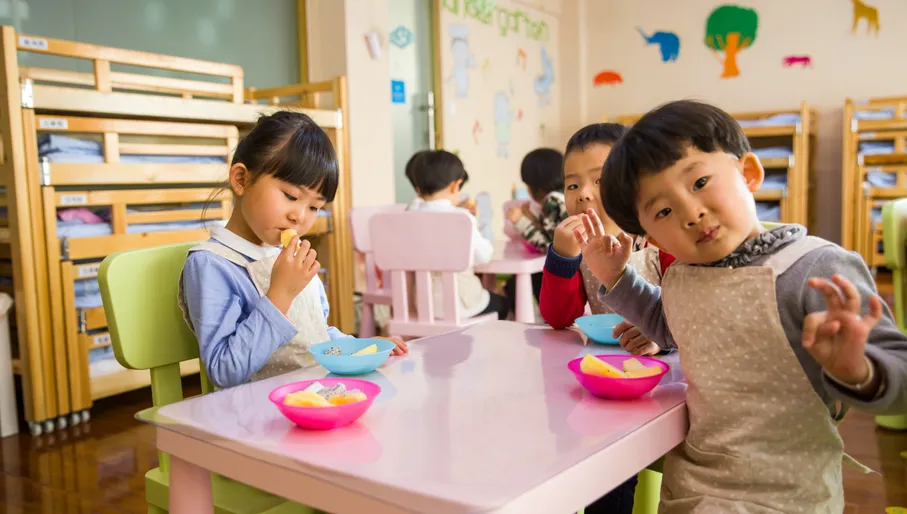
If you have a baby or toddler, it’s a good idea to find them a place in a nursery or other daycare facility, where they will be immersed in Dutch language and culture from day one. If your child is four or five, they can go straight into Dutch primary education (unless you choose a bilingual or international school.) And if they are between six and 12 years old and don’t speak Dutch yet, they will join so-called newcomers’ classes for primary-school children.
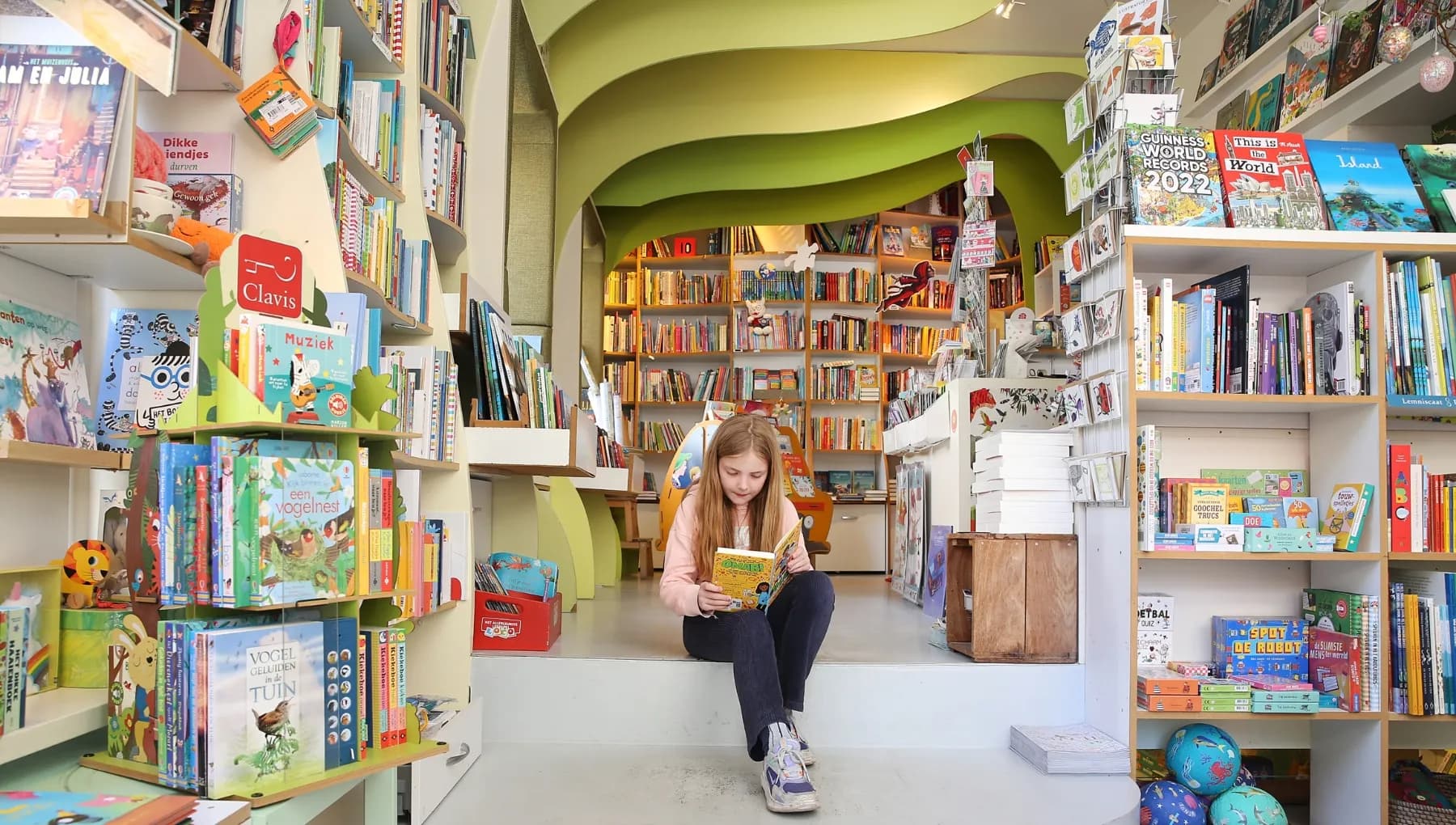
At all these places, they will come into contact with a wealth of Dutch children’s literature, and it’s always worth asking your child’s teacher for tips for books suited to their comprehension and reading levels. Having the same books at home that they are already familiar with from daycare or school will really boost their understanding and connection to the language.
It’s always a good idea to start with the classics. And in the Netherlands, that means Dick Bruna. The Dutch children’s book writer and illustrator is best known as the creator of Nijntje, a simply drawn rabbit who you might know as Miffy. There is a wealth of picture books by Bruna, and they usually feature simple and short rhymes – perfect for the youngest. There is also a wide range of picture dictionaries (beeldwoordenboek) and ABC books – by Bruna as well as other illustrators – that would make for a great start for little Dutch learners. If you are still a Dutch learner yourself, you can use your phone to make sure you get the pronunciation right when you are reading these to your child – and this way, everyone benefits.
Another lovely classic picture book, albeit for parents with slightly more advanced Dutch skills, is Kan ik er ook nog bij by Loek Koopmans, a retelling of a Russian fairy tale about animals helping an old man who’s lost his glove in the woods.
One of the best reading resources for fledgling readers is the Vos en Haas series. Grouped into different reading levels – Ik lees als uil for beginners, Ik lees als vos for intermediate and Ik lees als haas for advanced readers – the books can work just as well for primary-school-age Dutch learners. Dolfje Weerwolfje is another much-loved series. There are nearly 30 books of the stories about a little werewolf, so if your little one becomes a Dolfje fan like generations of children before, you are sure to have reading material for quite some time.
Sanne Rooseboom’s Ministerie van oplossingen (‘Ministry of solutions’) series is a huge favourite for older primary-school children. The books tell the story of 11-year-old Nina, who discovers a secret society helping people in difficult situations. For older children, Anna Woltz is a writer to look out for. Gips, Evi, Nick en ik and Mijn bijzonder rare week met Tess come particularly recommended.
Keep in mind that reading ages are always just an approximation, and it will be dependent on your child’s reading level and Dutch skills what works for them. A bit of trial and error may be needed. In addition to getting books they know from daycare or school, look for Dutch translations of books your kids already love in their native language, so they can compare and contrast their favourites in different languages. And finally, don’t forget your local library, which will always make for a great afternoon out with the kids and likely result in a proper haul of great new reading materials.