Who are the companies driving the repair and textile transition in Amsterdam?
24 November 2025
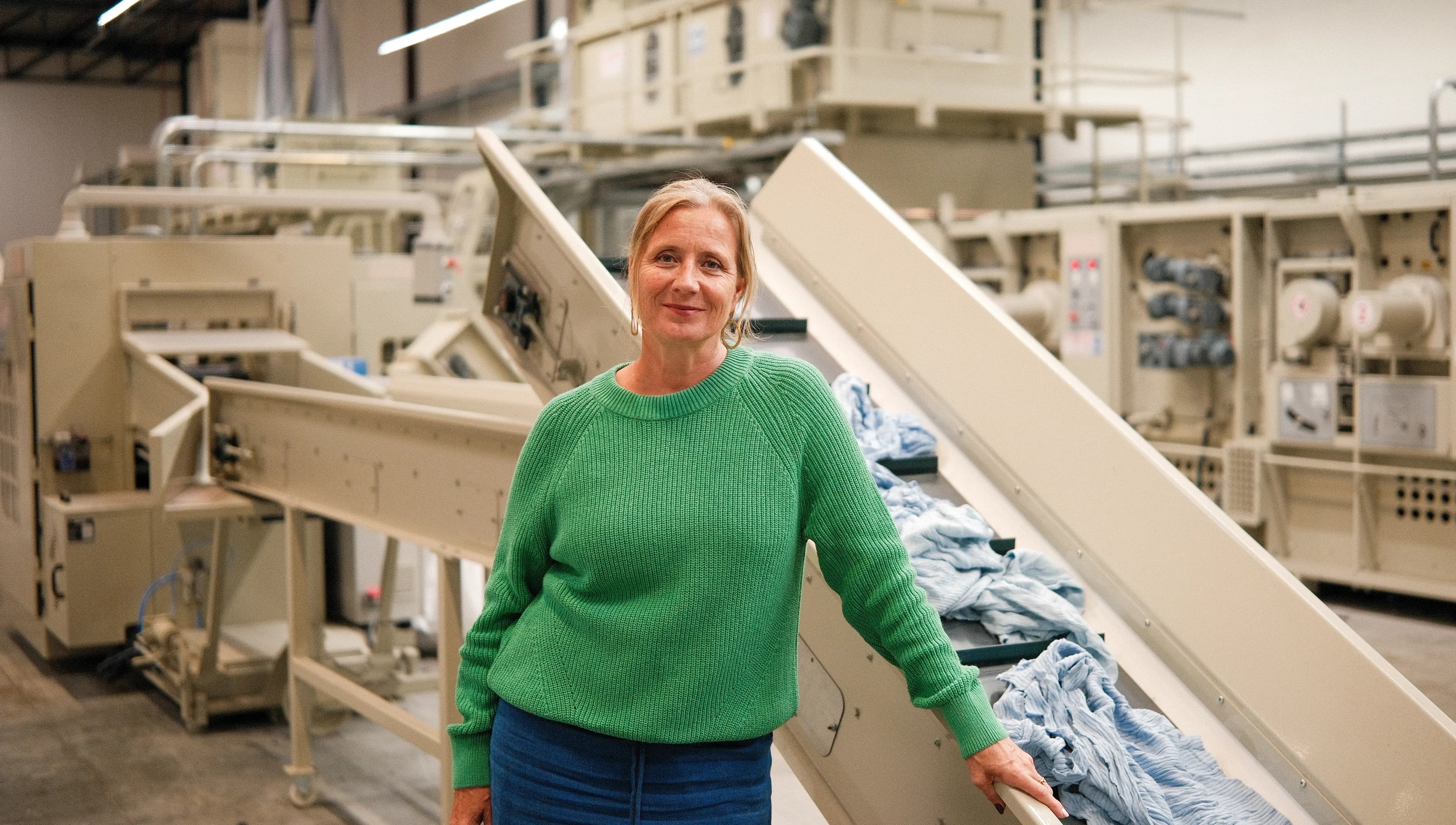
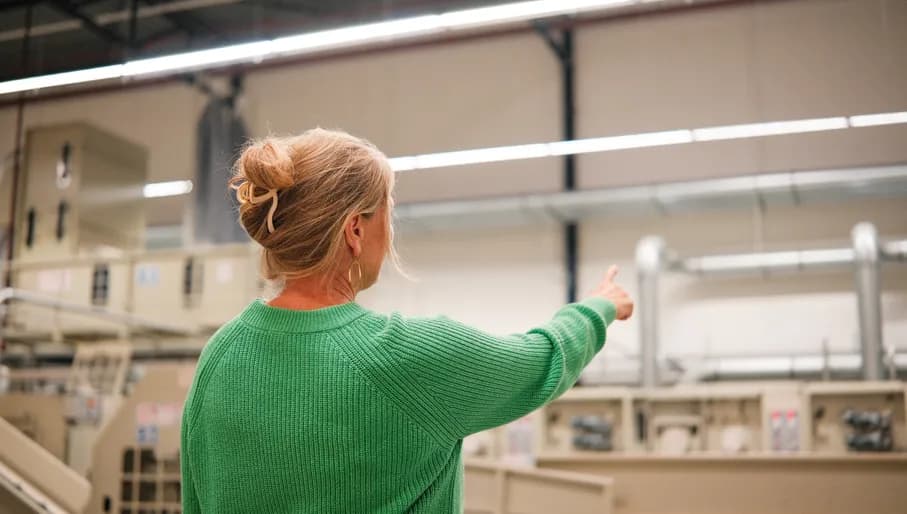
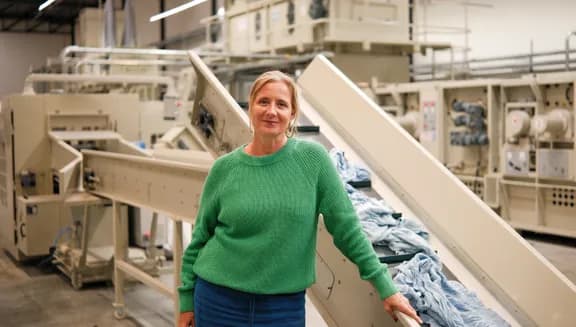
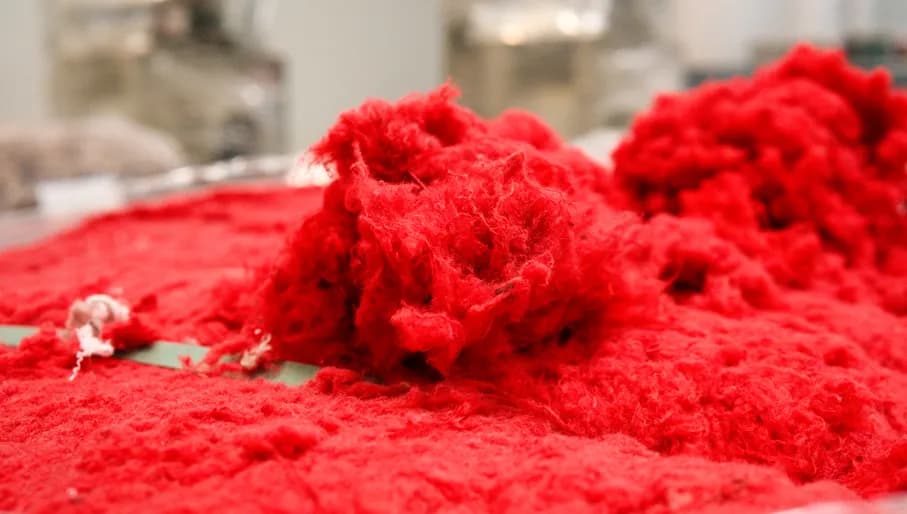
Most people wouldn’t look at a pile of old jumpers and see the future of fashion. But Ellen does. Mensink is working to flip the fashion system from the inside out. From the Brightfiber factory in the city's western docklands, her team takes discarded garments and transforms them into fine fibres, ready to be spun into brand-new yarns. It’s circularity in action.
Mensink’s journey into circular textiles wasn’t a straight line. For over two decades, she worked at the intersection of sustainability and innovation across health care, energy and food systems, always advising and strategising. But something was missing.
“I felt like a jack of all trades and a master of none,” she says. “I was always telling other people what to do, but never actually doing it myself.”
That all changed after the Rana Plaza disaster in 2013, Bangladesh, when over 1,100 garment workers were killed in a collapsed factory in Bangladesh. For Mensink, it was a tipping point.
“No one wants to wear a T-shirt that costs someone their life,” she says. “But we do, because it happens far away, out of sight. And I wanted to change that. I wanted to bring the system closer and make people care again.”
She began experimenting with wool as part of a sustainable agriculture project, even raising sheep. That early curiosity eventually turned into a bold concept: a clothing label where each item could be traced all the way back to the sheep it came from.
I thought, what if we could reconnect people to what they wear? Make it local, personal, tangible.
That label became Loop.a.life, one of the Netherlands’ early pioneers in circular fashion. It gained traction quickly, but eventually folded, not because there was no market, but because scaling an ethical brand in a fast-fashion world remains an uphill climb.
It’s hard to stand out when there’s so much greenwashing. But I learned so much. And I knew I had to go bigger.
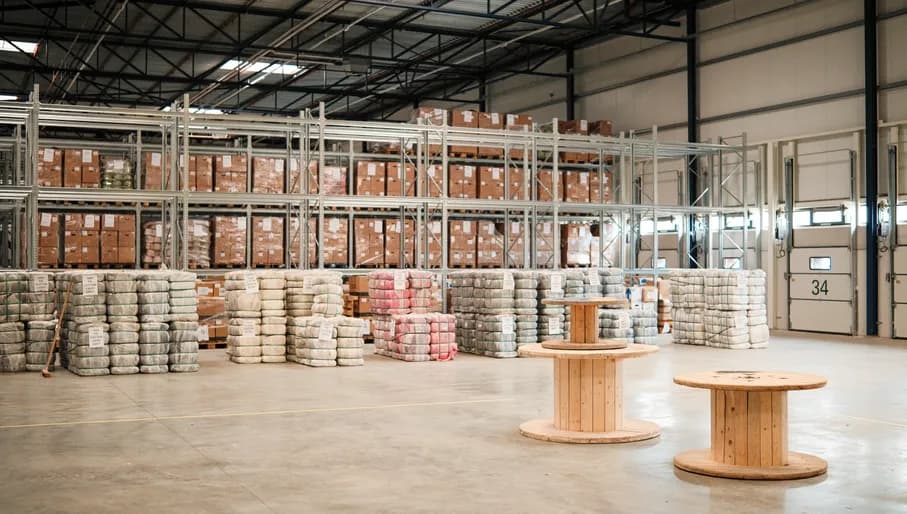
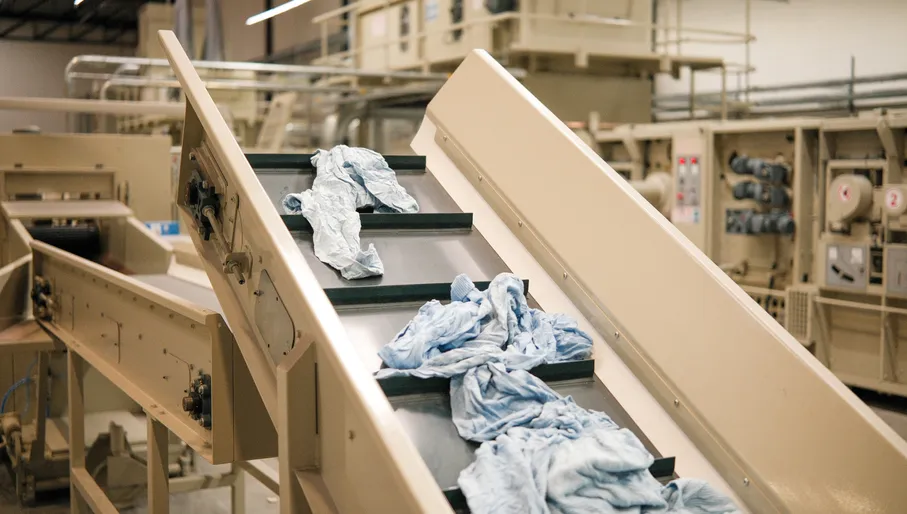
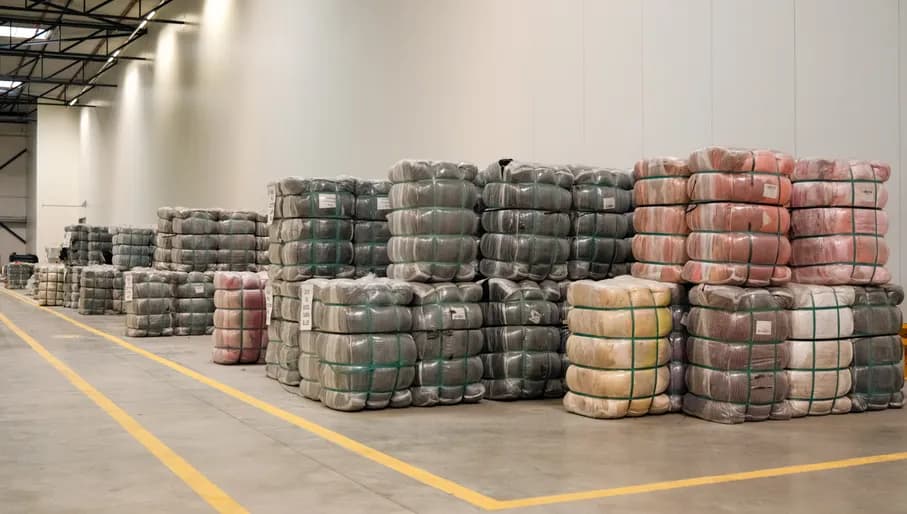
While still running her brand, Mensink had already started laying the groundwork for something more ambitious: a fully circular factory focused not on industrial scraps or recycled bottles, but post-consumer textile waste, the real elephant in the room.
It took some years to get the infrastructure in place. Eventually, the stars aligned, and Brightfiber opened its doors in 2025, complete with an automated sorting machine, a cleaning system to strip out zippers and buttons, and a custom-built fibering line to transform old clothes into high-grade fibres.
When asked what the mission is, Mensink replied:
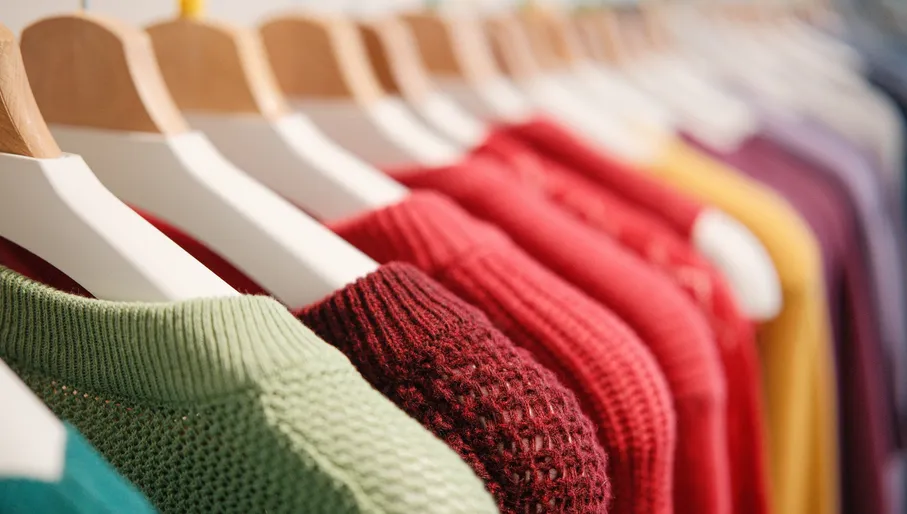
We make old sweaters into new sweaters. And we do it as close to home as possible. Most brands don’t understand fibres, yarns and fabric development. They just want good-looking, circular products. We take care of the complexity behind that.
The company has developed a fully circular, local “clothing‑to‑clothing” recycling solution that transforms local discarded garments into premium raw material, all within a closed‑loop system in Europe and Turkey.
So why base it all in Amsterdam? For Mensink, the answer is layered, but the overall sentiment is that Amsterdam provides an innovation hotbed for companies like Brightfiber to grow.
Amsterdam is a creative city. It attracts international talent, designers, and brands. And we’re only 10 minutes from Schiphol, so global partners can visit easily. Plus, we have strong local networks with Amsterdam Fashion Institute (AMFI), Patagonia, the Regionale Ontwikkelings Maatschappijen (ROM), and the City of Amsterdam. We’re all working together.
Brightfiber recently received public funding to help upcycle all post-consumer textiles collected in the Amsterdam Metropolitan Area, a clear vote of confidence from local authorities.
And while she’s proud to be rooted in the city, she’s also thinking bigger.
The goal is to replicate this model. Amsterdam can be the blueprint for circular textile hubs elsewhere. But we have to start producing here, not sending waste across the globe and not outsourcing our environmental problems.
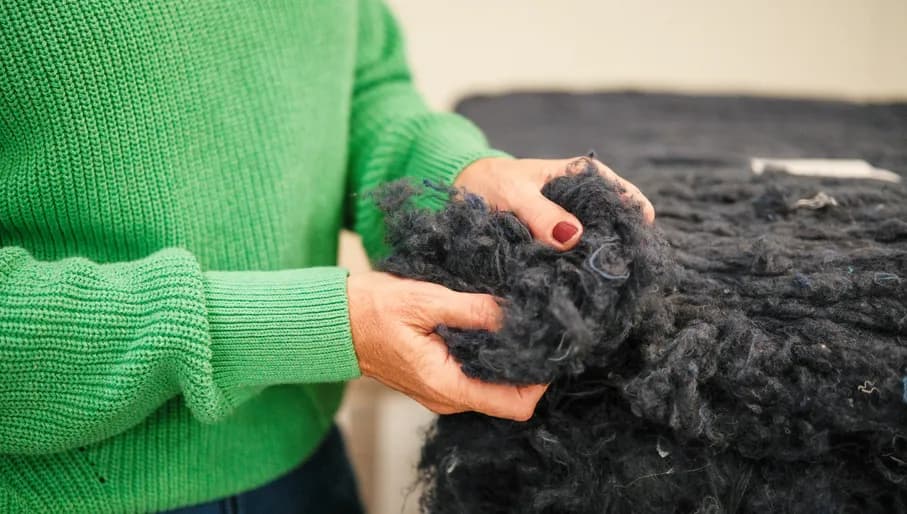
Unlike many in the industry, Brightfiber isn’t cherry-picking the easiest bits. Mensink is adamant that system change only comes from engaging with the messy, mixed, imperfect waste streams that dominate today’s textile bins.
We want to upcycle the leftover materials that are now considered 'waste’ up to 90%, or even more. But we’re honest. We’re not there yet. We’re still learning what the true byproduct is. Anyone who says they’re already zero-waste isn’t telling the full story.
Transparency is part of what makes Brightfiber stand out. The team doesn’t just recycle. They invite others interested in the industry to come and see how it’s done, like a kind of circular campus.
We say: come to the factory. Ask your questions. Touch the fibres. See it for yourself.
When asked what keeps her going, Mensink replies, “I’ve had many moments, watching the factory open, seeing ministers from textile countries reach out to us. But really, it’s when someone visits the factory and says, ‘Oh, I get it now. I want to be part of this.’ That’s when I know we’re making a difference.”
Brightfiber isn’t asking if circular fashion is possible; they’re asking the industry who’s ready to build it with them. As Mensink puts it: “Stop talking, start walking. No more pilots. It’s time to do the work."