How Brightfiber is closing the textile loop by manufacturing circular textiles in Amsterdam
16 September 2025
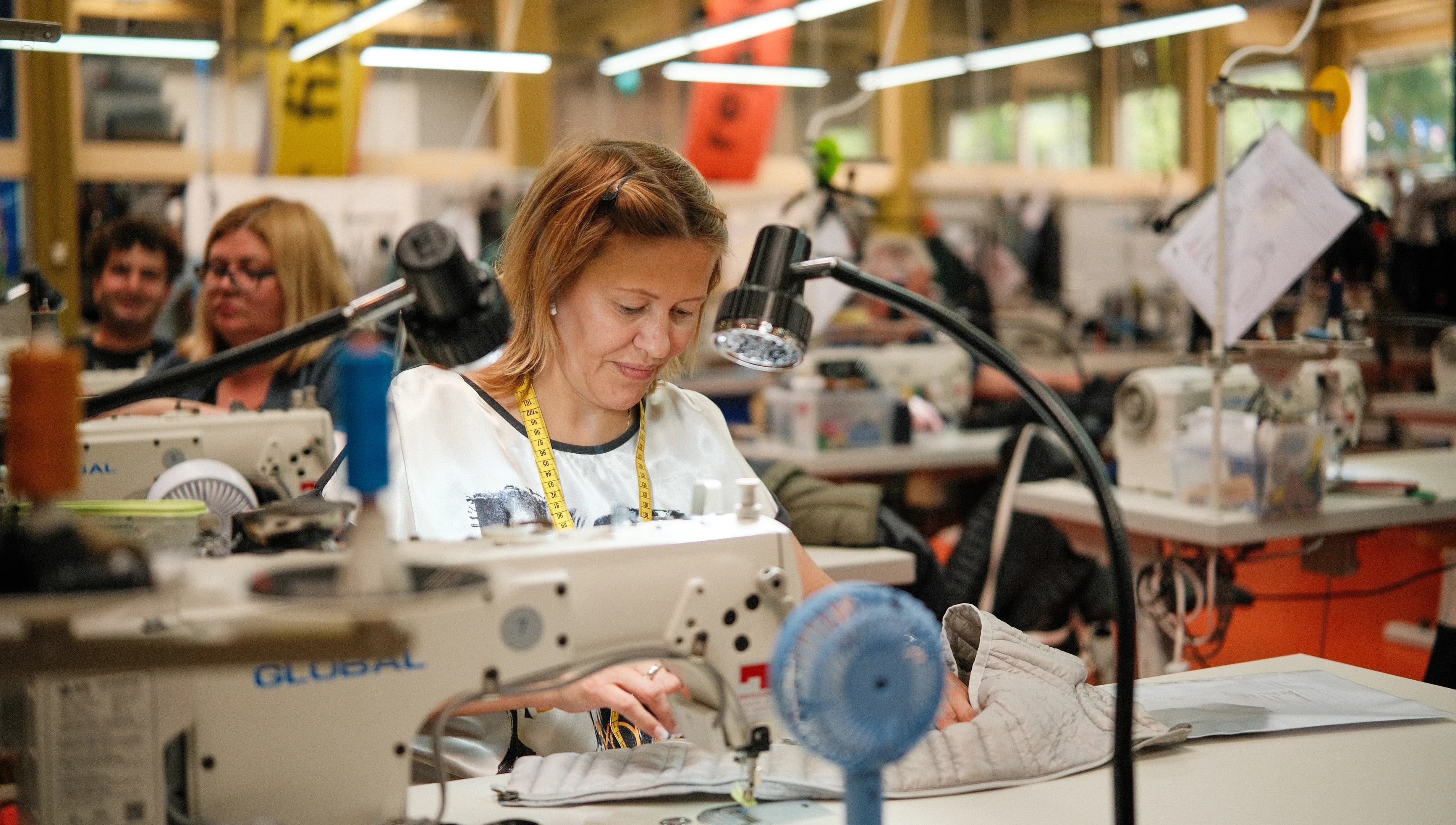
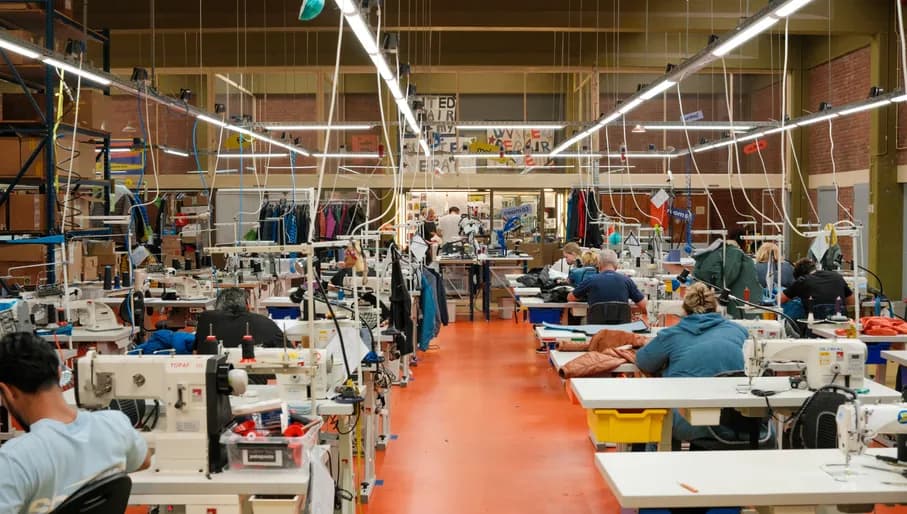
The United Repair Centre tackles fashion waste by making clothing repair scalable, accessible, and socially inclusive. A forward-thinking social enterprise offering professional clothing repair services for fashion brands such as Patagonia and Lululemon. Based in Amsterdam-West, URC extends the life of garments while providing fair-wage employment opportunities for refugees and newcomers to the city.
Their solution: Professional garment repairs for fashion brands and consumers via B2B partner brands’ repair services. URC actively promote ‘repair culture’ and local job creation.
MUD Jeans is confronting the environmental impact of the fashion industry by using circular economy principles to reduce waste, conserve water, and promote sustainable denim production. The Amsterdam-based circular denim label operates on a ‘Lease A Jeans’ model. Customers can rent jeans, repair them for free, and return them for recycling. By designing jeans for durability and recyclability, MUD Jeans helps reduce textile waste and promotes sustainable fashion consumption within the city. Also, they’re B Corp certified.
Their solution: Both purchase and monthly rental options, with up to 40 % post-consumer recycled denim, free repairs, and a drop-off point at their flagship store to return old jeans for recycling.
A digital platform connecting Amsterdam residents and businesses with local tailors for garment repairs and alterations. Mended tackles the problem of high clothing waste by making garment repairs accessible and convenient, reducing the need to discard worn items. They promote the use of existing skills in neighbourhood workshops, reducing textile waste and supporting local employment.
Their solution: A digital platform offering garment repair and alteration services via local tailors, available to both consumers and brands.
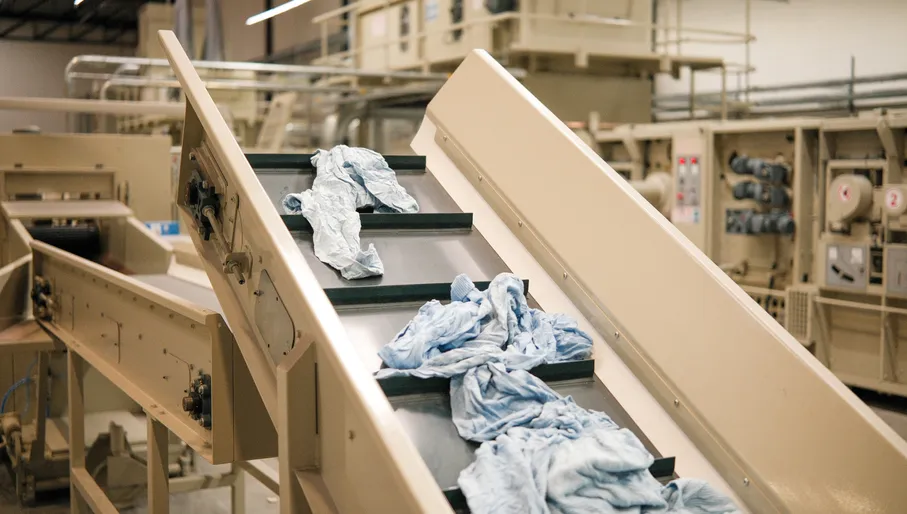
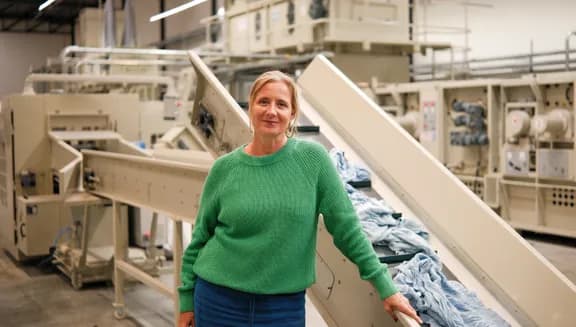
Brightfiber Textiles is tackling the growing environmental and systemic problem of post-consumer textile waste, particularly the vast volumes of discarded clothing. Located in the Western Port Area, the company addresses this problem by operating the world’s first locally based, fully closed-loop fibre-to-fibre recycling factory in Amsterdam, which processes up to 2.5 million kilograms per year of regional textile waste.
Their solution: Processes post-consumer textiles into premium recycled yarns and fabrics, supplied to fashion and interior brands, not yet direct-to-consumer.
An innovative Amsterdam startup offering free door-to-door collection of unwanted textiles, small electronics, and toys for reuse and recycling. Byewaste addresses the fragmented and inefficient textile system, where valuable materials slip through the cracks due to ineffective collection. They help reduce domestic textile waste and promote convenient circular habits for Amsterdam households.
Their solution: Provides a free, door-to-door collection service for unwanted textiles and small household items from Amsterdam residents.
Similarly to Amsterdam’s Repair Café Network, Mediamatic is fighting the throw-away culture. Hosted at Mediamatic Biotoop in Amsterdam, this public workshop series invites people to bring broken garments for repair and upcycling under the guidance of local volunteers. It combines culture, creativity, and sustainability to strengthen the city’s repair culture.
Their solution: Regular public workshops where skilled volunteers guide participants in mending clothes, bags, and other fabric items.
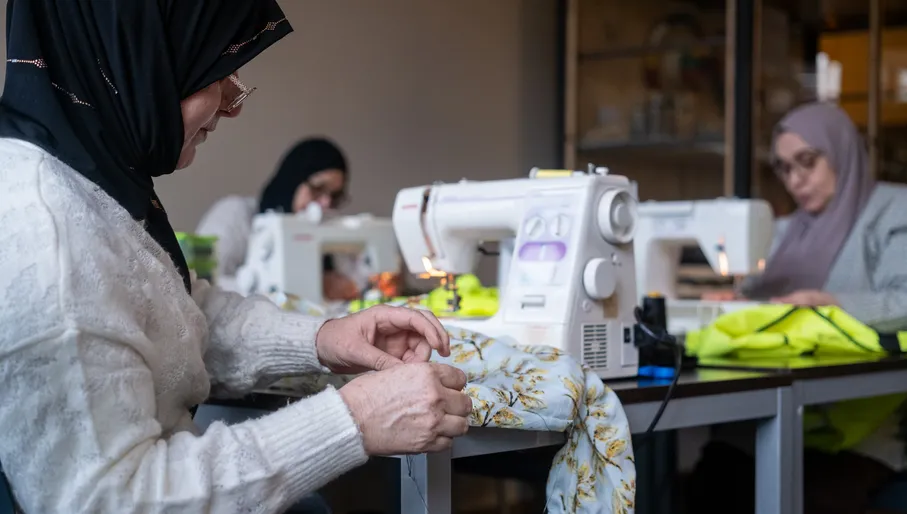
Repair Café Amsterdam is fighting throw-away culture by helping people repair items instead of discarding them. By offering grassroots repair meetups where volunteers help residents fix broken clothing, electronics, and household items. Amsterdam’s Repair Cafés reduce waste, encourage sharing of skills, and build social cohesion through circular community initiatives.
Their solution: Free community repair services for textiles, electronics and household items at public meetups.
A sustainable sewing café and workshop space in Amsterdam offering courses in clothing repair, upcycling, and sustainable design. De Steek is responding to the decline of textile craftsmanship and the environmental impact of fast fashion. They empower citizens to mend and create their own clothing, creating community engagement in circular practices.
Their solution: Run sewing workshops, repair classes, and sell sustainable fabrics and sewing patterns to consumers.
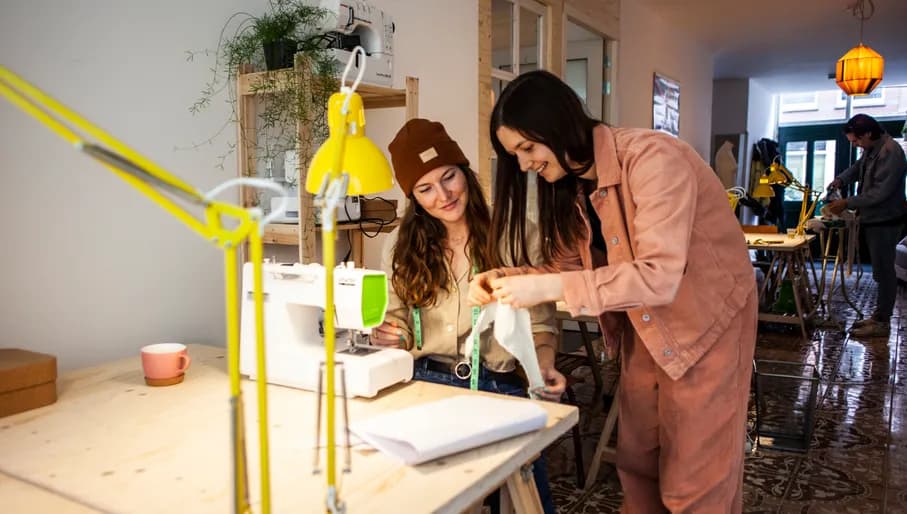
The TextileHUB in Amsterdam is a collaborative space driving circular innovation in the textile industry. It brings together designers, researchers, and startups to develop sustainable materials, reduce waste, and promote recycling. The hub addresses a fragmented and inefficient textile system, where valuable materials are lost due to poor collection, limited recycling, lack of transparency, and the gap between sustainable design and scalable circular solutions.
Their solution: Collaboration is key. They offer a shared workspace, innovation support, and matchmaking opportunities to accelerate circular textile solutions through collective efforts between designers, researchers, and industry.