In order to drive a car in the Netherlands you’ll need to be over 18 years of age, carry a valid driving licence and have third-party insurance. Before you hit the road, read up on licences, insurance and rental in the Netherlands.
Is my foreign driving licence valid in the Netherlands?
As an international resident in the Netherlands, you can use your current (foreign) driving licence for a certain period of time, after which you will be required to obtain a Dutch driving licence (rijbewijs).
Licences issued by EU and EFTA countries are valid in the Netherlands for 10 or 15 years from the date of issue. If this driving licence is about to expire while you are living in the Netherlands, you will need to exchange it for a Dutch driving licence (see below).
For all other countries (including the Netherlands Antilles and Aruba), foreign driving licences are valid for six months (185 days) from the date you register at your local municipality.
It takes around two weeks to exchange your driving licence for a Dutch driving licence. You can do so only if you meet all of the following conditions:
You live in the Netherlands and are registered with your local municipality
You are from the EU, the EEA, Switzerland or are from a country with a special agreement or you have been awarded the 30% ruling
You have a valid residence permit (not required if you are a citizen of the EU, EEA or Switzerland)
Your current driving licence is valid
Your current driving licence, if issued in a country outside the EU, was issued after being a resident of that country for at least 185 days.
If you do not meet these conditions, when your licence expires you will need to take a standard theory and practical test at the Central Office for Motor Vehicle Driver Testing (CBR) (website in Dutch). It is possible to do this in English.
Owning, taxing and insuring a car in the Netherlands
All cars must be registered with the Department of Road Transport (RDW), and are subject to motor vehicle tax (or bpm), with some exceptions. When driving, you must have the following with you at all times: a valid driving licence, vehicle registration (kentekenbewijs), a certificate of ownership (tenaamstellingsbewijs) and proof of third-party insurance (WA-verzekering).
This insurance is required if you have your own car, motorbike or moped while living in the Netherlands. It protects you from legal liability, insuring against any damage you may cause with your vehicle. It does not, however, cover damage to your own vehicle. For this, you can supplement your third-party insurance with all-risk cover (cascodekking), which insures the car itself but not its contents.
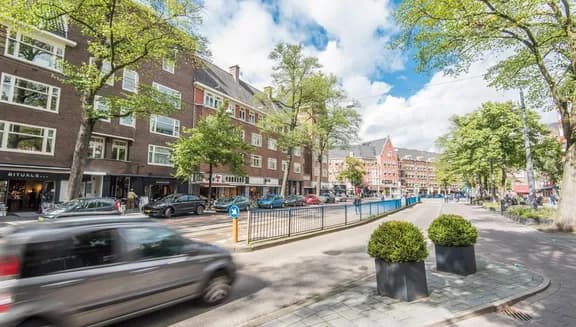
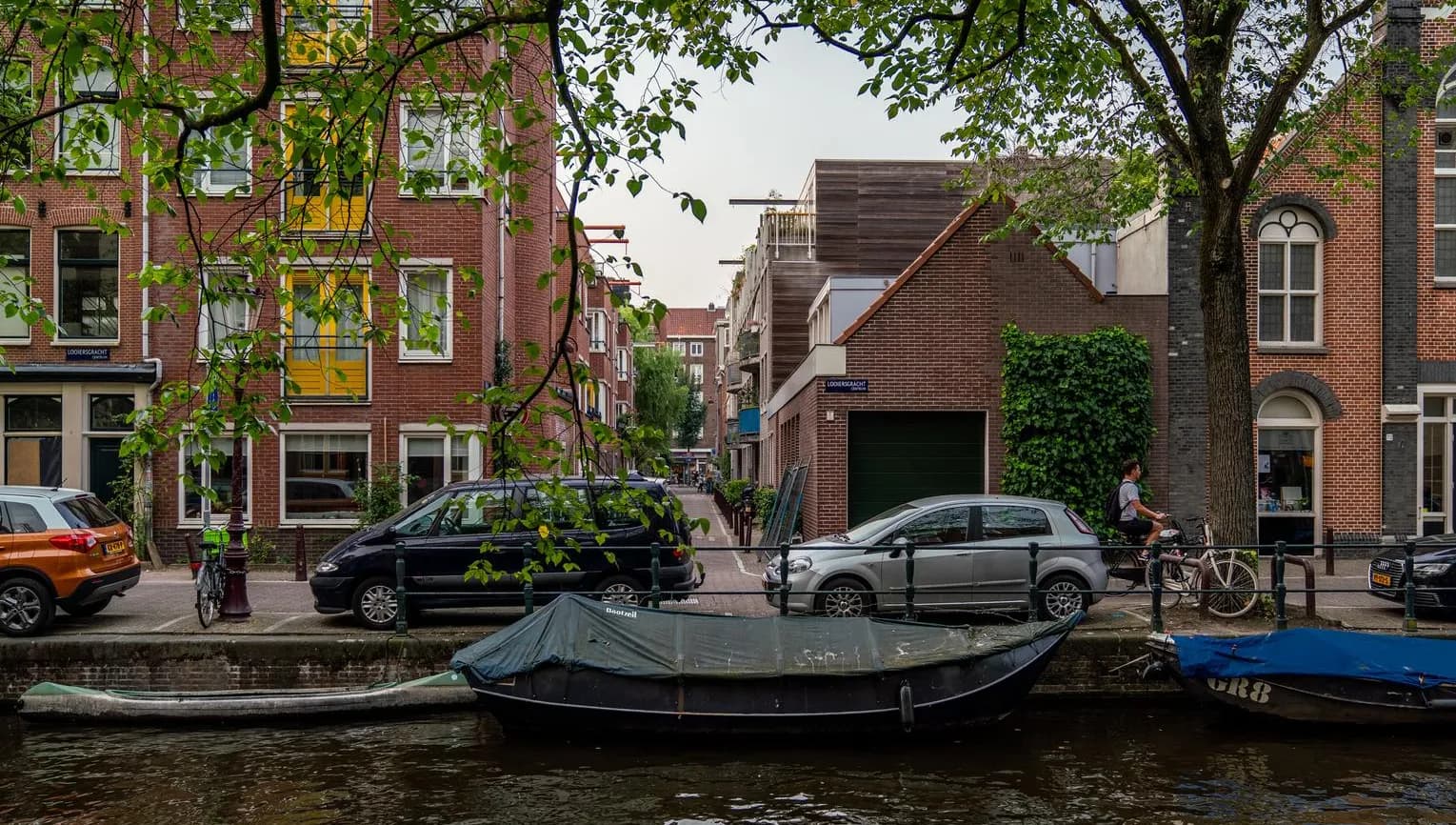
In general, Amsterdam is a charming, laid-back city. But driving a car through its beautiful city centre can be stressful for even the most experienced driver. Watch out for narrow streets and heavy traffic – not just cars and public transport, but also the many cyclists who rule the road.
Parking in the city can be very expensive, unless using one of several Park & Ride facilities on the outskirts of the city. More conveniently, if you have an electric car, there are hundreds of charging points across the city.
When you adjust to driving in the Netherlands, keep in mind that road traffic signs and regulations can differ from those in other countries. Here is a brochure highlighting the most important Dutch traffic rules and unique traffic signs, available in English and in Dutch.
There are many traditional car hire companies in the Amsterdam Area. However, in case you only need a vehicle for a short time, you may want to consider one of many shared mobility services. From subscriptions to pay-per-use options, these can often be cheaper and faster to arrange for short-term use.