LGBTQI+ history walking route
4 April 2025
Youngsters were forbidden by their parents to come to this area. There used to be a playground on the site of the He Hua Temple, which was full of heroin needles and other filth. A lot has changed, but much has also remained the same. The fun and community connection are still there. Many residents and entrepreneurs have been there for years, which creates a bond. You always say hello to each other.
Polo Chan
The first Chinese settled in the city around 1911, favouring the area of the Nieuwmarkt and the Zeedijk. Many of them started restaurants and gambling dens. In the 1970s and 1980s, the neighbourhood developed such a bad reputation that postmen didn’t dare deliver the mail. In the mid-1980s, NV Zeedijk, a collaboration between the municipality and other parties, started purchasing, refurbishing, and renting out properties in the area. The Chinese neighbourhood is now frequented by both Amsterdammers and tourists. Ready to discover the neighbourhood yourself? Chan recommends the best spots.
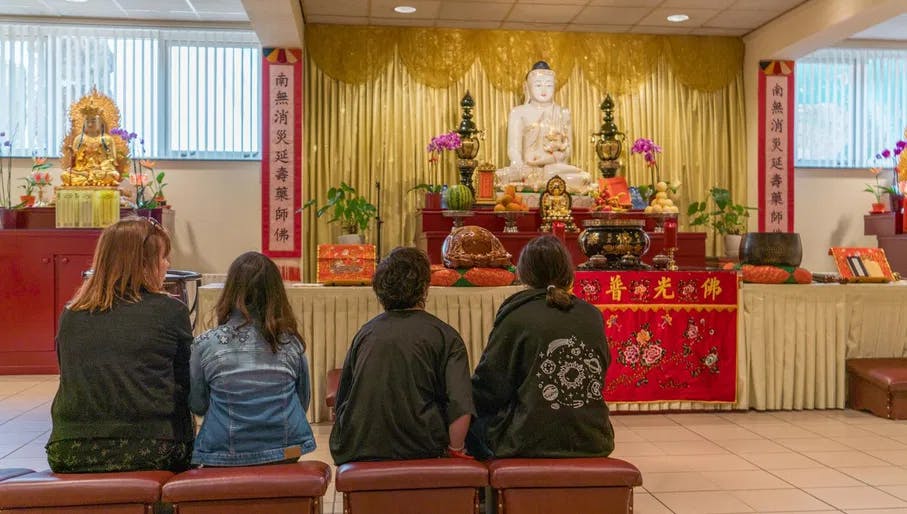
Opened in 2000 by Queen Beatrix, He Hua Temple is the largest temple built in the traditional Chinese palace style in Europe.
Because Nam Kee is opposite it, we are often asked if people could visit the temple. You can always go inside the temple.
Polo Chan
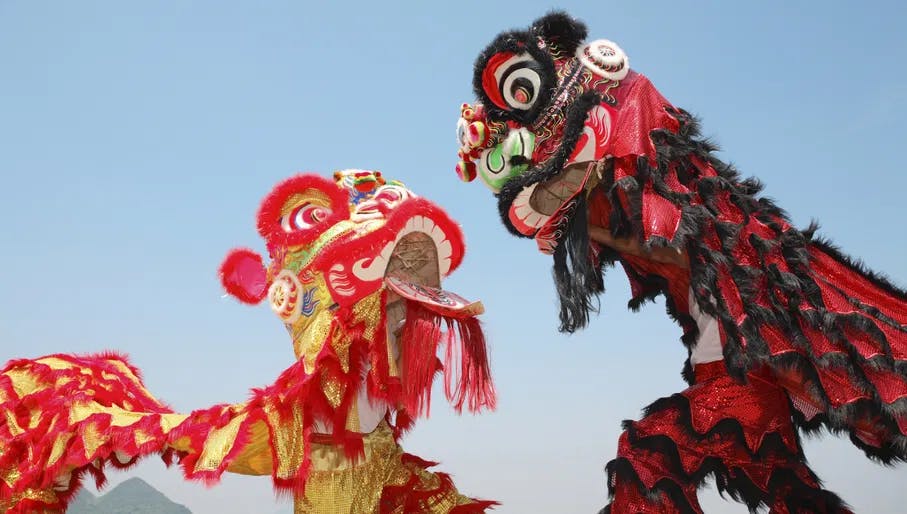
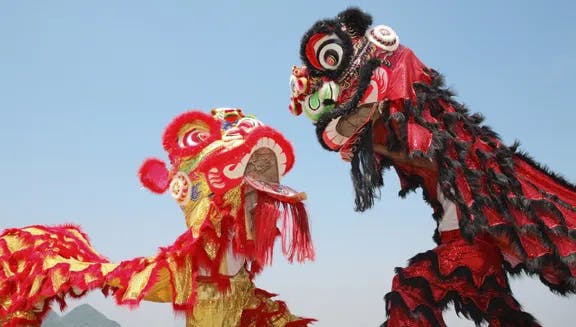
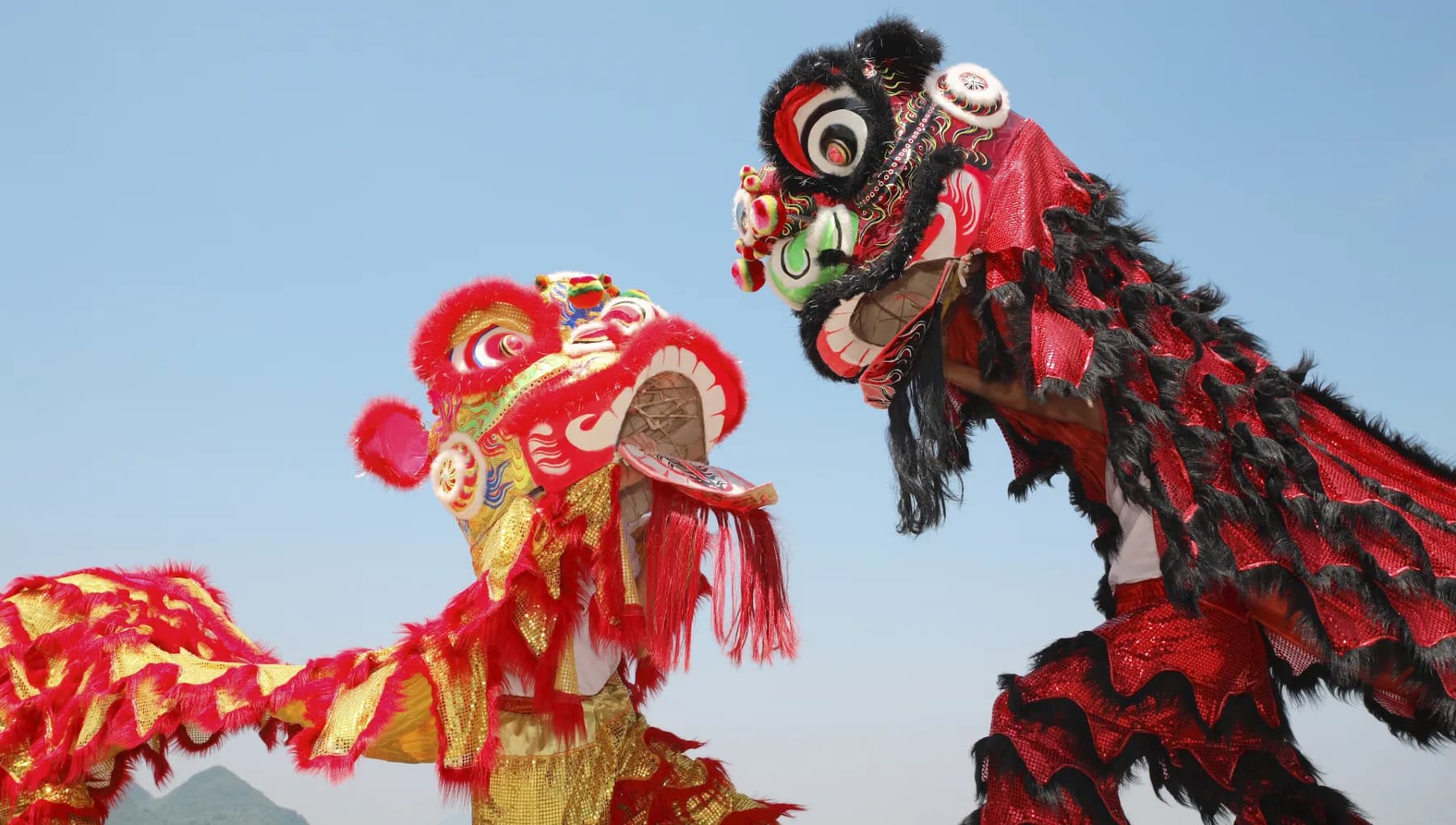
New Year's Eve is always celebrated twice in the Chinese neighbourhood: on December 31 and during Chinese New Year. The biggest celebration is on January 2, when the new year is ushered in with a lion dance. According to Chan, the fact that the lion dance is on January 2 and not during Chinese New Year is purely due to integration.
We want to involve everyone in the celebration, and around New Year's Eve, the party is always the biggest.
Polo Chan
Toko Dun Yong was one of the first Chinese companies to settle in the Netherlands in the late 1950s. "It is affectionately called the Chinese Bijenkorf. You can find everything you can think of. I go there for groceries, especially sweet Asian drinks and irresistible candies such as Cream Soda and White Rabbit."
Don’t expect huge spring rolls or skewers of satay, but rather real Cantonese food.
We want to introduce Cantonese cuisine to as many people as possible. We do not follow trends and keep our cuisine as authentic as possible. I like the Peking duck and char siu (roasted pig). Don't forget the oysters from Nam Kee.
Polo Chan
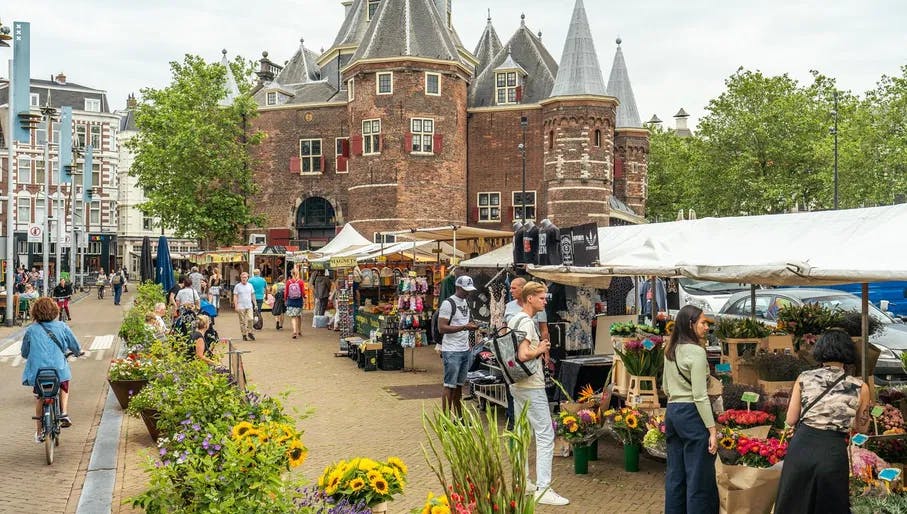
Nieuwmarkt was created in 1614 when several canals were filled in. Even today, the market square is filled with stalls every day. Every Saturday you will find a variety of organic products from local producers.
Nieuwmarkt has become such a beautiful square, there is so much to do. It's great to be able to sit down somewhere and enjoy the atmosphere.
Polo Chan
This fishmonger store is not big enough to fit a counter. That is why the fish is displayed in the shop window and on a shelf on the right side of the store.
We used to live opposite here; my mother always got fried cod or mackerel here. They also have some of the best herring in town.
Polo Chan
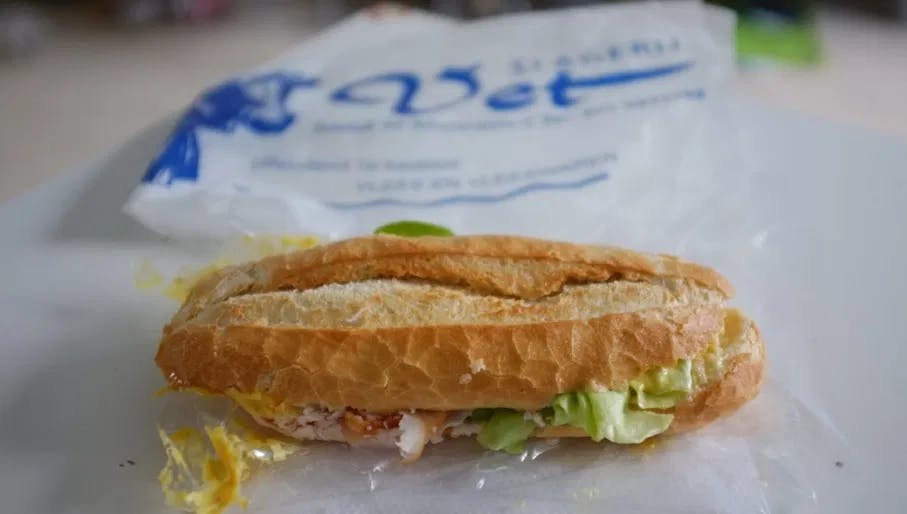
Butcher shop Vet has been on the Zeedijk for 60 years, selling meats and sandwiches.
I'll tell you one thing: a Zeedijk sandwich with smoked chicken breast and fried bacon. So delicious… Actually, everything you buy here is delicious.
Polo Chan
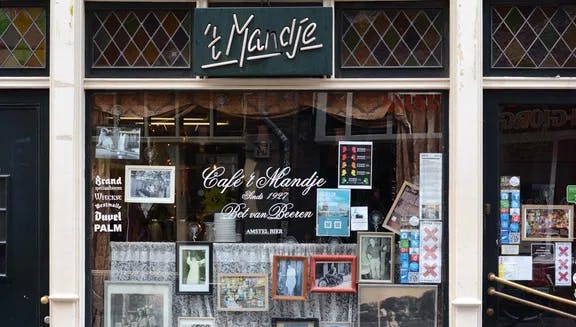
Chan's favourite pub is café De Kroegtijger, which opened in 2016 on the Zeedijk.
It's a mix between a modern bar and a brown pub. A lot of different people come here, that's what makes it so nice. Normally, I come here about once a week.
Polo Chan
Zeedijk 134
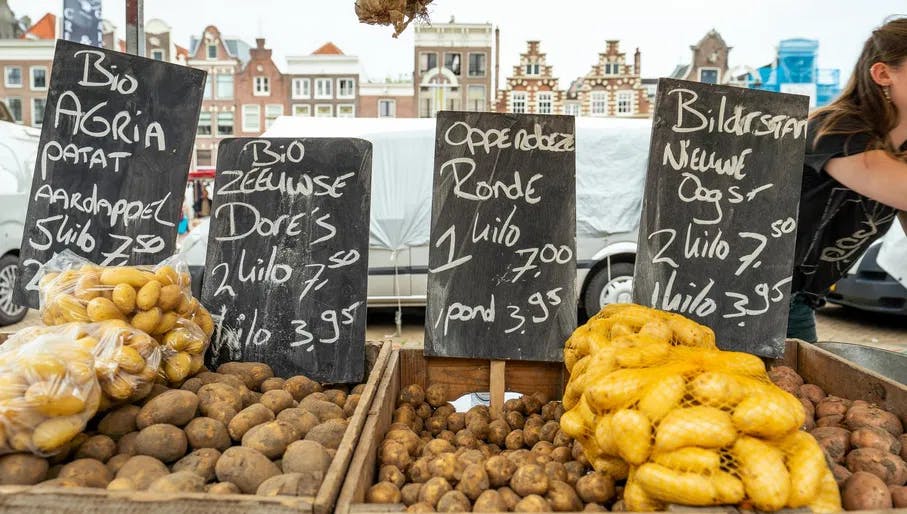
You’ll find a grocer’s stall in the middle of the Nieuwmarkt belonging to the Overwater family.
I always get my vegetables here. I think it's important to do my shopping at the local stores. There is nothing more beautiful than buying products without a barcode. The great thing is that the family is still standing at the stall. Always nice to chat for a while.
Polo Chan
The Asian residents who settled here years ago are getting older and want to continue living in the Chinese neighbourhood. Residential care centre Flesseman on the Nieuwmarkt makes this possible and is therefore extremely important for the neighbourhood. This also applies to the Chinese school Fa Yin. It had been in the area for years but eventually moved to a more prominent location: Reformed Lyceum West. Every Saturday, about 400 students learn the Chinese language and culture here.
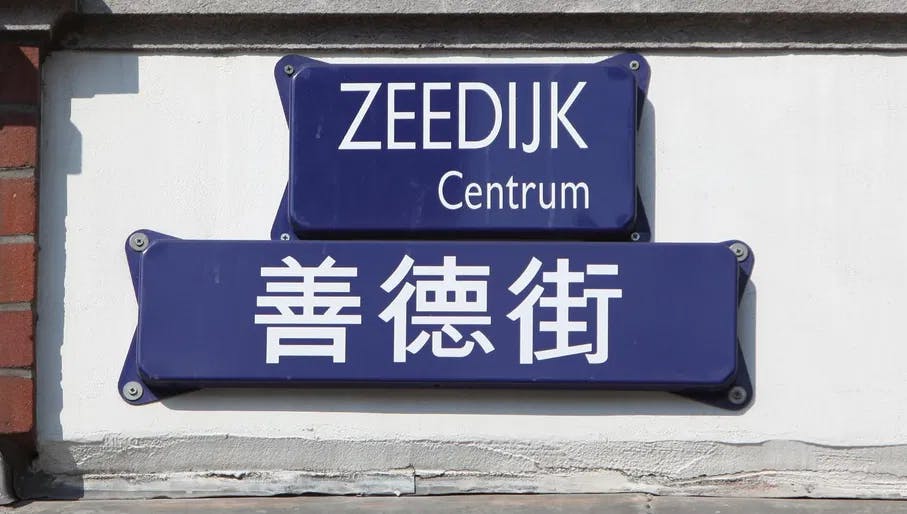
Since 2005, the street signs in the Chinese neighbourhood have had a Chinese translation underneath. This is not only convenient for the many Chinese visitors, but is also a token of appreciation for the residents who founded the neighbourhood. Back when the area was still a criminal no-go area, many Chinese immigrants started business there and built up the neighbourhood together. Chan: "That's why my parents are extra proud of those plates."
Are you ready to try this route? Good news, the route can now also be followed via the Komoot app; with walking instructions, information about the highlights and a place to share your own photos with us.
Polo Chan became co-owner of Nam Kee in 2002 with his brother. His parents started the restaurant on the Zeedijk in 1981 which also has a branch on the Geldersekade. Chan grew up in the Chinese neighbourhood and lived there until he was sixteen.