Fibre and fermentation: the next big thing after protein?
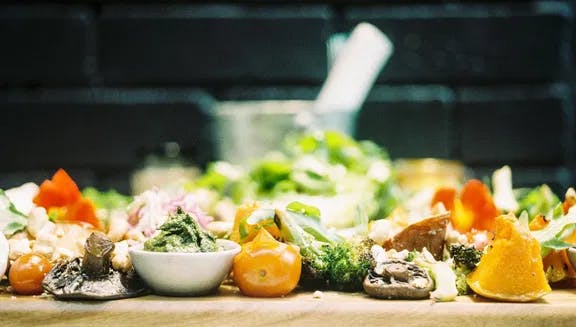
Image from Letícia Fracalossi
Fibre and fermentation: the next big thing after protein?
Last updated on 4 August 2026 at 13:11
Reading time: 5 minutes
Dietary fibre was once shorthand for bone-dry bran flakes and digestive health. Today, it sits at the centre of conversations about the gut microbiome, immunity and even mental wellbeing. A growing body of research links diverse gut bacteria to stronger immune systems and reduced risk of chronic disease. Fibre – particularly prebiotic fibre – acts as fuel for those beneficial microbes.
A landmark 2021 trial by researchers at Stanford University found that participants who followed a high-fermented-food diet for ten weeks saw significant increases in microbiome diversity and drops in 19 different inflammatory blood markers – providing some of the first direct human evidence that diet-driven microbiome changes can produce measurable immune effects.
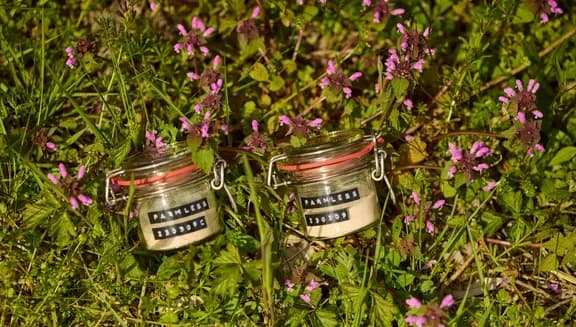
In the Amsterdam Area, food innovators like Flora Food Group B.V, and Farmless are responding with everyday products reformulated for gut health. Cereals, snack bars, bakery items and plant-based dairy alternatives are being enriched with inulin, resistant starches and other functional fibres. The focus is not just on adding grams to a label, but on designing foods that support microbiome diversity while remaining affordable and appealing.
The Netherlands' strength in food science and technology is clear: Wageningen University & Research attracts food‑tech talent and spin‑offs, while Amsterdam Science Park and the wider metropolitan area host a growing cluster of start-ups working on next‑generation ingredients. Shared labs like Open Kitchen Labs in Matrix ONE give founders access to equipment for fermentation, functional fibres and novel ingredients, and the €200 million Holomicrobiome Institute will soon expand microbiome-focused research even further.
Upcycling, side streams and smart fibres
One of the most compelling developments is the use of side streams to create high‑value fibre ingredients. Start‑ups and circular food labs like Corbion N.V and collaborators within the Upcycling Community are working to transform plant‑based industrial by‑products into functional food ingredients, adding fibre, texture or flavour while keeping waste out of landfills and feeding the next generation of gut‑friendly products. Meanwhile, Caffe Inc. repurposes used coffee grounds into high-value ingredients for foods, biomaterials and cosmetics, turning an everyday urban by-product into a resource.
Similarly, companies like The Upcycling Company are exploring ways to convert food industry by-products into fibre-rich ingredients for human consumption. The result is a double dividend: reducing food waste while enhancing nutritional profiles.
This approach aligns closely with Amsterdam’s broader food transition strategy, which emphasises circularity, plant-based innovation and climate resilience. Fibre, in this context, is not just a health story but a sustainability one.
The fermentation revival
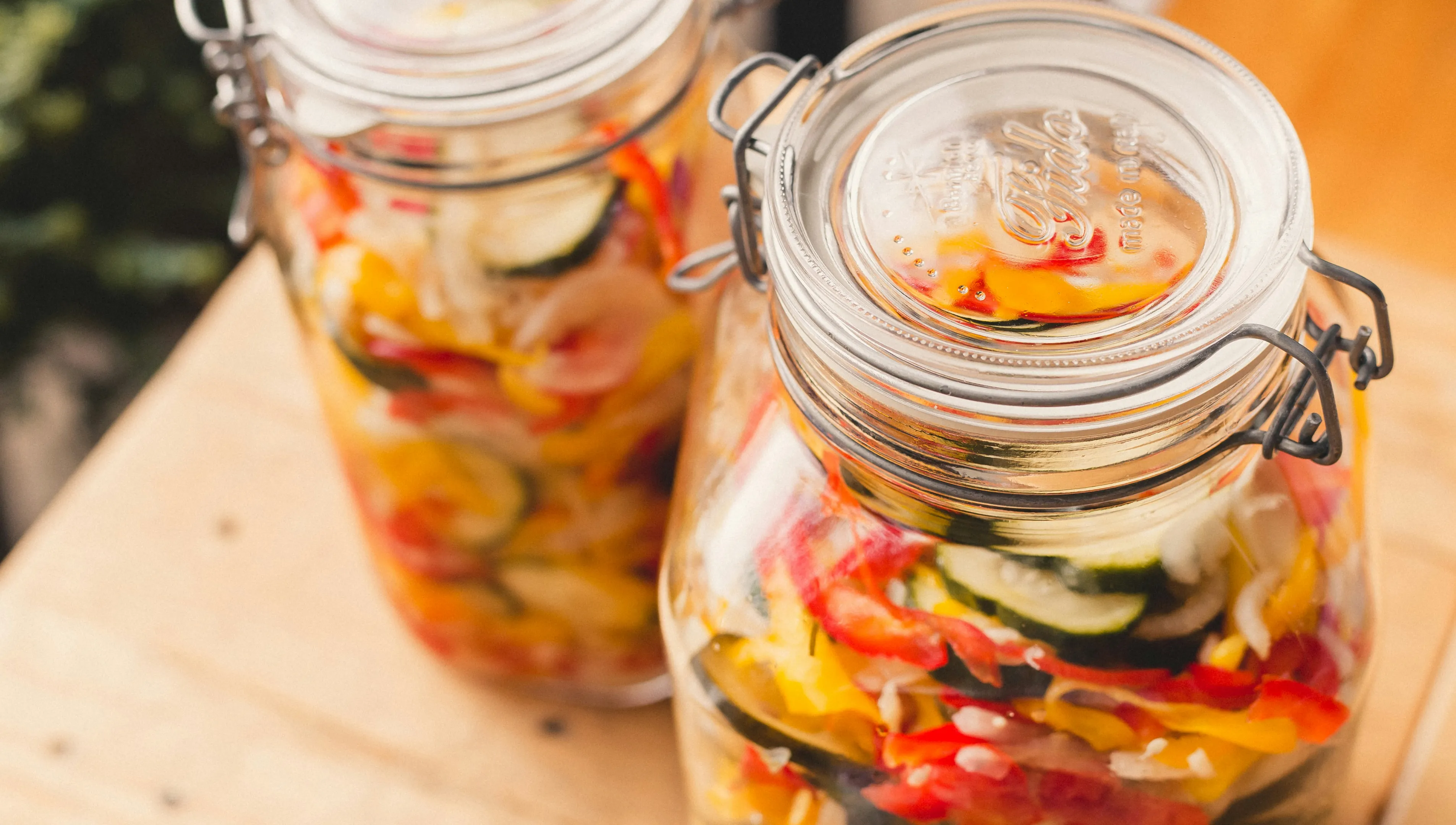
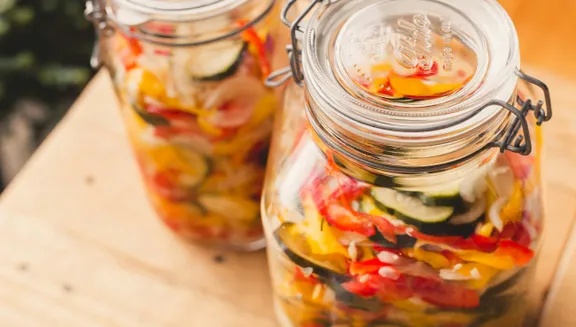
Parallel to the fibre movement is a fermentation renaissance. Walk through Amsterdam’s neighbourhood markets or browse supermarket shelves and you will see kombucha brewed in former industrial spaces, locally produced kimchi and jars of sauerkraut with a modern twist. Fermentation is, of course, ancient. What is new is the convergence of craft, culture and food technology.
YAYA Kombucha, founded in Amsterdam, has helped bring kombucha from yoga studios into mainstream retail across the Netherlands. What began as small-batch brewing has evolved into scaled production, complete with quality control systems and data-driven fermentation processes.
The brand now sells across the Netherlands, Belgium and Portugal, and has supplied kombucha to international festivals including Boom Festival in Portugal, reaching audiences of 50,000 or more. The company’s trajectory mirrors a broader pattern: artisanal roots meeting professionalised food tech.
At the same time, smaller producers continue to experiment. In shared kitchens and urban production spaces, founders with backgrounds in gastronomy, microbiology and design are refining recipes for kimchi, tempeh and miso tailored to Dutch tastes.
Workshops and fermentation clubs reflect growing consumer curiosity about live cultures and gut-friendly foods. Local producer Fermentex, or instance, runs regular sold-out kimchi and kombucha workshops while the Blub Club draws fermentation fans to Amsterdam every six weeks for communal tasting evenings led by fermentation specialists.
From microbes to market
The real innovation emerges where fibre and fermentation intersect.
Fermented foods naturally contain live cultures, while fibre feeds those microbes once they reach the gut. Together, they form a powerful narrative around digestive health and immunity. Start-ups are increasingly combining the two: high-fibre snack bars with fermented ingredients, plant-based yoghurts fortified with both prebiotics and probiotics, and beverages that blend fruit fibres with live cultures.
Some companies use biomass fermentation to produce Fermotein, an ingredient that is both a complete protein and high in dietary fibre. Closer to the consumer end, YAYA Kombucha has partnered with retailers such as Crisp to brew limited-edition kombuchas made from upcycled fruit, delivering live cultures and fruit fibre in a single product.
This convergence is supported by the region’s life sciences and health ecosystem. Amsterdam UMC and research institutes across the metropolitan area are advancing microbiome research, creating opportunities for collaboration between scientists and entrepreneurs. As understanding of the gut–immune axis deepens, the commercial applications expand.
A new everyday functional food
What distinguishes the Amsterdam Area is not just innovation, but normalisation. Fibre-enriched bread is sold in mainstream bakeries. Kombucha sits next to soft drinks in convenience stores. Kimchi appears on brunch menus and in ready-made meal kits. The functional food trend is no longer confined to specialist shops.
For founders, this signals a shift from early adopters to the mass market. The challenge now is scale: securing sustainable ingredient supply chains, navigating EU health claims regulations and maintaining flavour while boosting functionality. The Amsterdam Area is one of the most interesting places in Europe to watch this shift unfold, with a growing cluster of companies, researchers and entrepreneurs working at the intersection of gut science and everyday food. It’s an exciting space to keep an eye on.