How Cargill is reimagining the future of food
5 March 2024
Before launching the company, Nikkels worked in tropical agriculture, collaborating closely with farmers in producing countries on finance, projects and market access. Over time, he realised systemic change required deeper involvement. Advisory roles were not enough; meaningful impact meant participating directly in the value chain.
Amsterdam was a strategic choice. The city remains one of the world’s most important cocoa trading and storage centres, with the Netherlands among the largest cocoa processors globally. Establishing Chocolatemakers in the heart of this ecosystem allowed the founders to combine trade infrastructure, logistics and access to international markets with a strong local sustainability agenda.
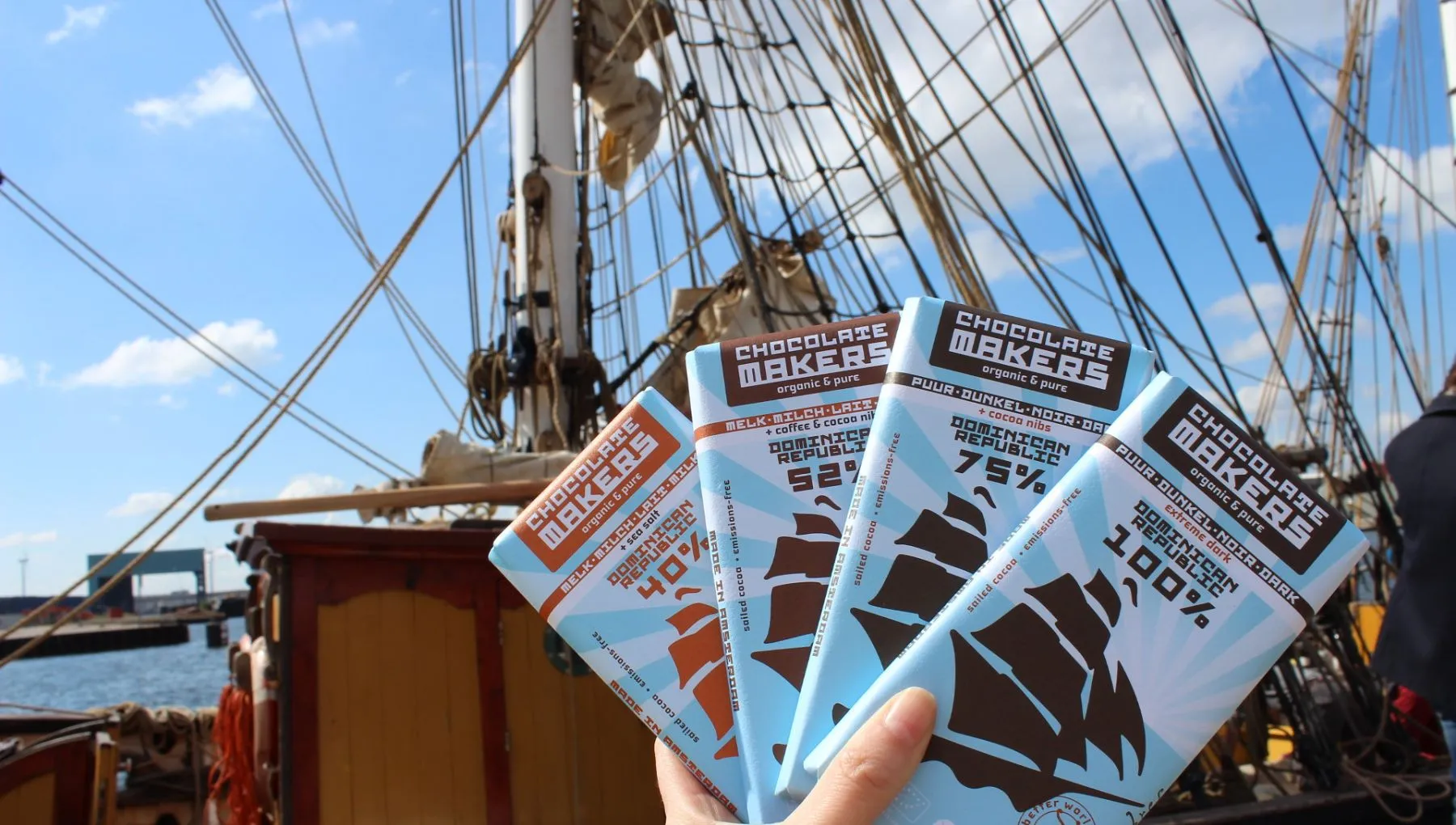
Since 2019, Chocolatemakers has operated from the world’s largest cocoa port. Its factory runs entirely on solar energy, significantly reducing operational emissions. Cocoa beans are transported by sailing ship rather than conventional freight, cutting transport-related carbon output. Distribution, including exports to Germany, is partially handled by cargo bike.
These decisions position the company at the intersection of sustainable food production, low-carbon logistics and circular business thinking within the Amsterdam Metropolitan Area.
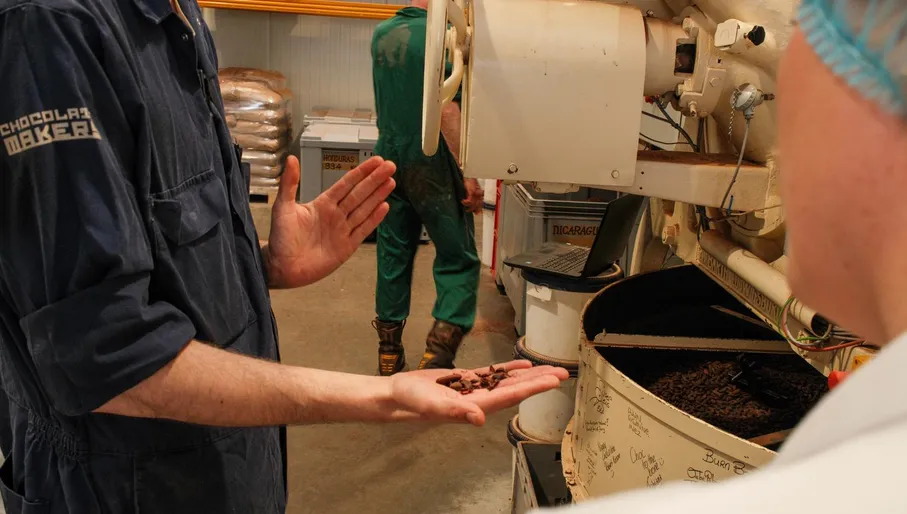
The company’s mission is straightforward: use chocolate as a force for good. That includes improving farmer livelihoods, restoring biodiversity in cocoa-growing regions and reducing carbon emissions throughout the supply chain.
In practice, this means direct sourcing relationships, long-term partnerships and transparency about origin and production methods. It also means challenging a sector often driven by short-term margins. According to Nikkels, one of the greatest barriers in the cocoa industry is the lack of urgency around structural sustainability.
Market access presents an additional challenge for smaller food innovators in the Netherlands. Supermarket dominance makes scaling difficult. Chocolatemakers has responded by cultivating a loyal customer base, investing in direct sales and building alternative distribution partnerships.
A central long-term goal is education. Through factory tours and tastings, the company invites students, corporate teams and residents to see how chocolate is produced and to understand the realities of global cocoa sourcing. The aim is to turn transparency into engagement and engagement into advocacy.
The next step includes sourcing milk from nearby organic farmers, further embedding regional supply chains and strengthening ties between urban consumers and local agriculture. It is a practical example of how the food transition in Amsterdam connects global commodities with local sustainability solutions.
Collaboration plays a defining role in the strategy. Chocolatemakers regularly hosts informal inspiration sessions with startups, designers and impact-led entrepreneurs across Amsterdam. These exchanges reinforce the city’s position as a testing ground for circular economy models, regenerative sourcing and climate-conscious production.
Amsterdam’s historic role in cocoa trade is evolving into something more forward-looking: a hub for sustainable cocoa innovation. Companies such as Chocolatemakers demonstrate how legacy industries can be reshaped through renewable energy, alternative transport and equitable sourcing.
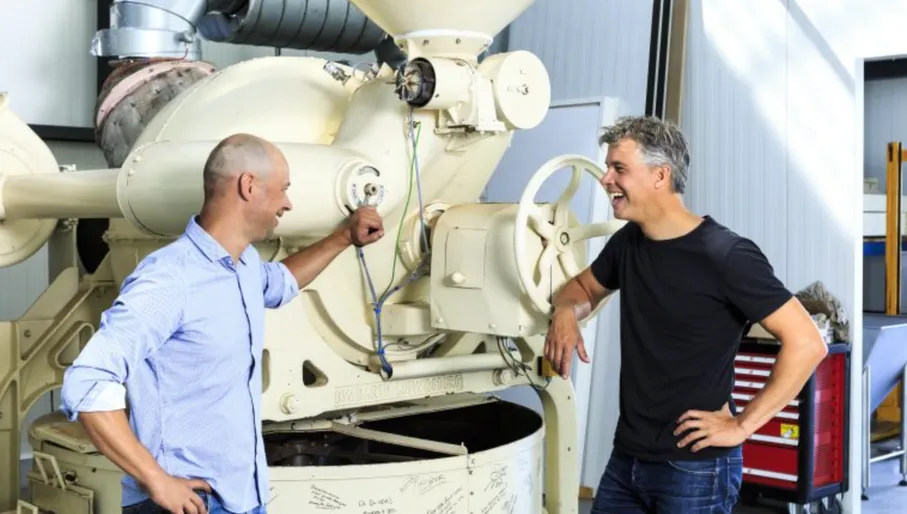
For Nikkels, the most important lesson is persistence. Systemic change in global supply chains does not happen overnight. It requires resilience, experimentation and long-term commitment.
With a solar-powered factory in Europe’s largest cocoa port, wind-assisted maritime transport and low-emission urban logistics, Chocolatemakers offers a blueprint for impact-driven entrepreneurship in the Netherlands. In doing so, it strengthens Amsterdam’s reputation as a leader in sustainable food innovation and circular economic transition.