
Business in Amsterdam
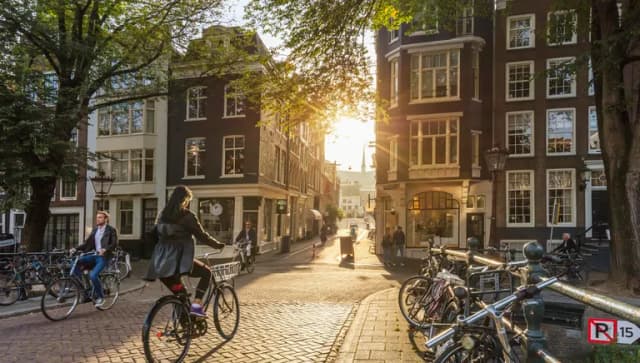
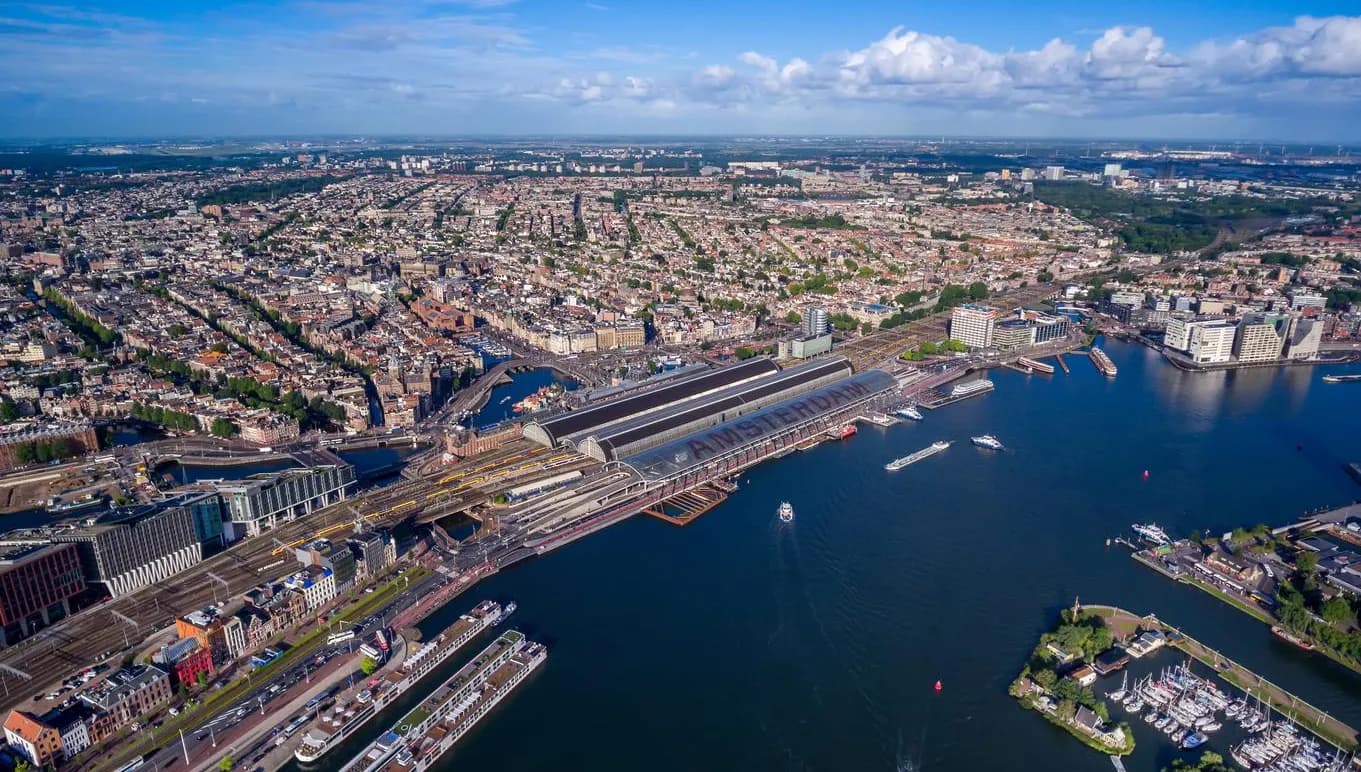
The Dutch capital is a key launchpad to the European market, attracting forward-thinking companies from around the world to shape a better future. Where good ideas grow better, Amsterdam offers an open business environment, fuelled by a strong ethos of collaboration, diverse talent pool and a work-life balance that is among the best. Be part of a thriving business landscape, alongside likeminded innovators, cutting-edge startups, social entrepreneurs, and world-changing innovation.
Amsterdam claims top spot on the Arcadis Sustainable Cities Index 2024
Amsterdam ranks #2 in fDi’s European Cities and Regions of the Future 2024
The Netherlands ranks #6 in the 2024 World Happiness Report
Everything you need to know

How we can help



Catch up with the latest news
Sort by:
Loading...
Upcoming business events

Contact Amsterdam Trade & Invest
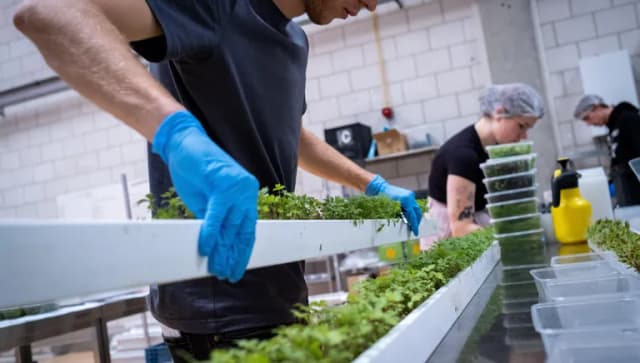
Our team is available to:
Get in touch- Provide in-depth industry expertise to answer your questions and direct you to the right resources
- Make connections with local contacts via our vast relevant network
- Assist you in with organising a virtual or onsite fact-finding trip