Guide to finding a job
4 September 2026
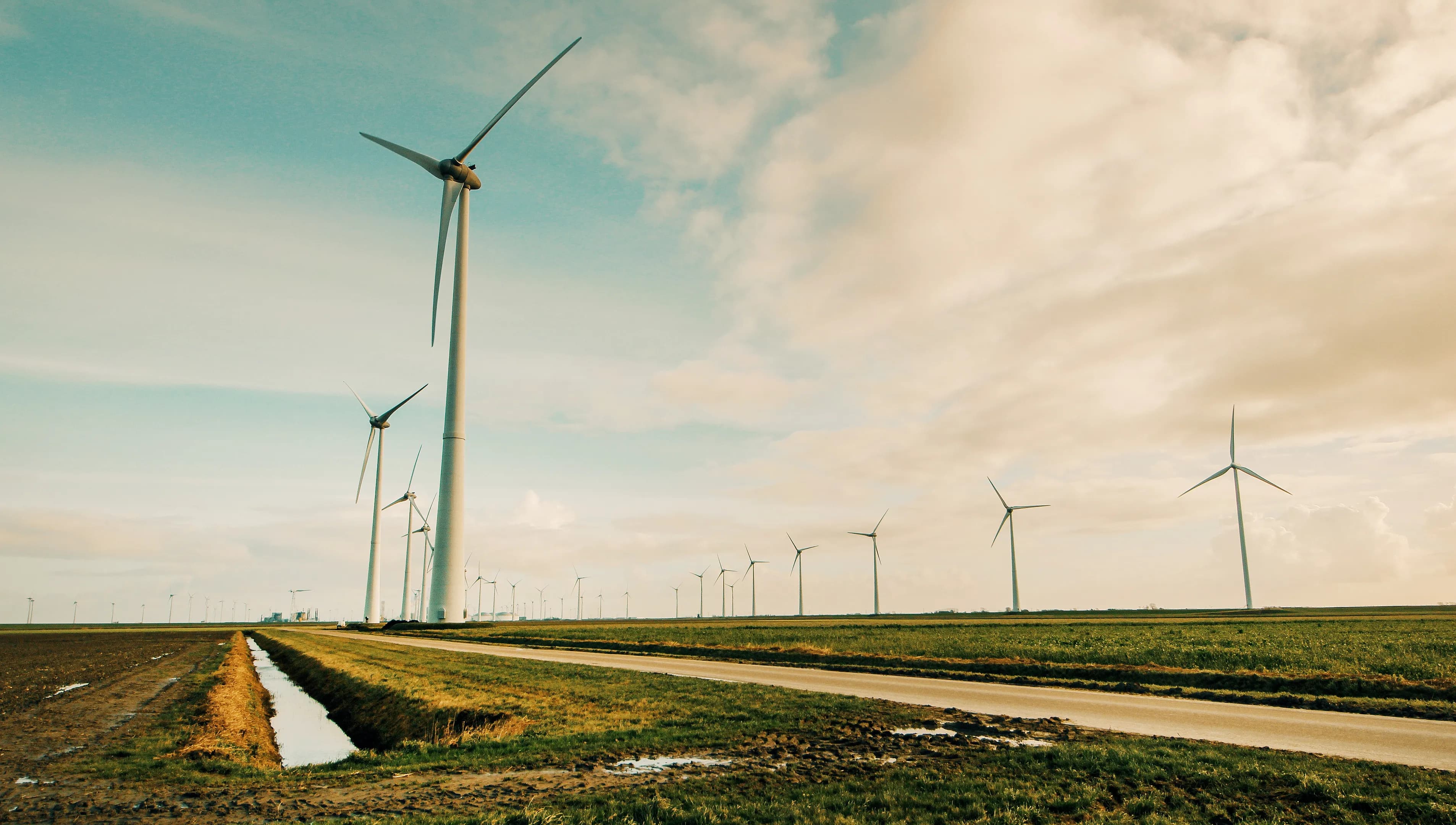
The Netherlands has secured 8th place in the World Economic Forum’s Fostering Effective Energy Transition 2025 report, reflecting its strong infrastructure and clean-energy investment, demonstrated by initiatives such as Carbon Equity and SET ventures.
Amsterdam, in particular, is playing a pivotal role, acting as a hub for cleantech innovation and hydrogen development. And local pilots in smart grid technology and integrated energy systems are supporting the city’s climate ambitions while feeding into wider national and European infrastructure projects. Initiatives such as the Resilio Project – a green roof programme – and Amsterdam Smart City as well as key policies such as the Roadmap Amsterdam Climate Neutral 2050 (PDF downloadable, 15.2 MB) focus on increasing renewable energy use, improving energy efficiency and growing sustainable technology innovation.
As you would expect, the Amsterdam Area is home to major companies and organisations in the field, including Schneider Electric, Vattenfall and Vandebron, as well as the EU office of the Carbon Trust. Other major players include Spectral, Sympower and Coolgradient.
The region is also well-positioned to become a global leader in the hydrogen economy, thanks to a quarter-billion-euro nationwide investment. The Port of Amsterdam plays a big role in this – it’s focused on facilitating the import, production and distribution of green hydrogen and houses one of Europe’s largest hydrogen plants.
Amsterdam is emerging as a leading city for energy startups and scale-ups addressing critical energy challenges through advancements in renewable energy, storage and efficiency. They include:
As a growing, successful industry, cleantech and renewables in the Amsterdam Area offers many opportunities for talent looking to make a difference. Roles vary widely, from engineering and technical roles through scientific research to business development and project management. In-demand skills include, but are by no means limited to:
International professionals can access career opportunities in the field through several platforms:
Both of the city’s main research universities offer significant opportunities and resources in the field. The Climate Expertise Centre at the Vrije Universiteit combines
expertise and research to catalyse climate action. The University of Amsterdam (UvA) leads with an interdisciplinary approach, addressing themes including the energy transition, environmental protection, challenges related to the global food supply and the need to approach scarcity of resources. Finally, the Energy and Innovation research group at the Amsterdam University of Applied Sciences researches and designs technological interventions that accelerate the energy transition.
As an already booming startup and scaleup hub, the Amsterdam Area has a high density of connected entrepreneurs, innovators, universities and businesses rolling out smart environmental, climate and energy solutions, often in public-private partnerships. Amsterdam Science Park, the Impact Hub and SDG House are a few of the concentrated areas in the region where expertise and innovation spark viable climate solutions. Another prime example of Amsterdam’s interconnected ecosystems is Climate Cleanup, a not-for-profit that works with experts and entrepreneurs on scalable methods for nature-based solutions for carbon storage.
Talent considering becoming part of the cleantech and renewables community in the Amsterdam Area will be pleased to know that it is a hugely popular destination for international talent with an innovative mindset. The region offers a thriving business environment, industry-leading innovation, a collaborative, international working culture and a famously outstanding work-life balance. There is a large and active international community, making use of the city’s many business, tech and startup events and its packed cultural calendar.