What is Boost je Buurt?
21 November 2025
Innovation districts in Amsterdam are vibrant urban hubs, sometimes living labs where people can work, live, study, and collaborate. These areas bring together knowledge institutions, cultural organisations, businesses, and the municipality to advance crucial innovations shaping the city’s future.
Across the nine knowledge quarters and campuses, leading research institutes, cultural entities, and companies converge around complex technologies such as artificial intelligence, next-generation medicines, energy efficiency, and societal equality — creating a shared engine for a more resilient and inclusive Amsterdam.
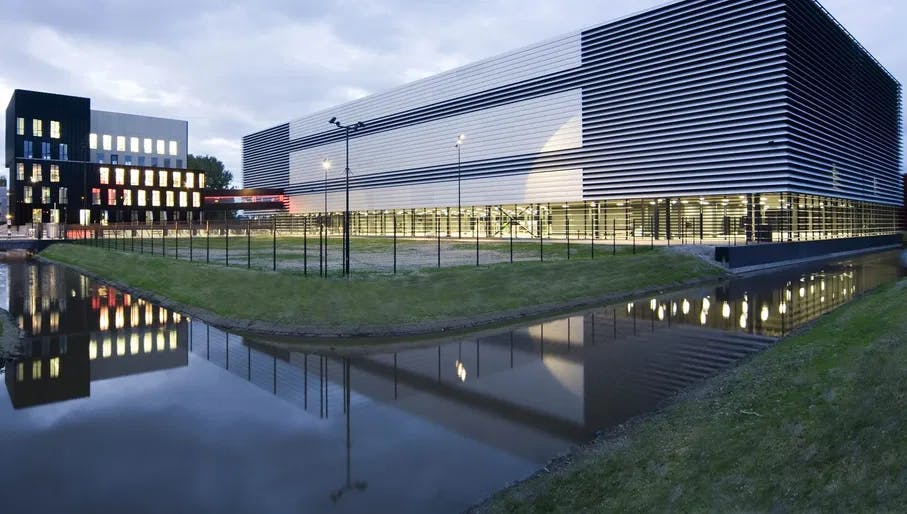
Home to some 176 companies – from start-ups to multinationals – Amsterdam Science Park is a thriving hub for research, education and entrepreneurship in the fields of digital innovation & AI, quantum, sustainability, life sciences & health and high-tech systems & materials.
Opened in June 2023, Matrix ONE is a multi-function office/lab space designed to help students, researchers, and companies work together towards sustainable solutions. The building facilitates forward-thinking collaboration by providing a space for students, researchers, entrepreneurs and companies that are focused on accelerating the transition to a sustainable society. One example of this is Sustainalab, a co-creation hub that aims to connect research and education with solutions that tackle climate issues.

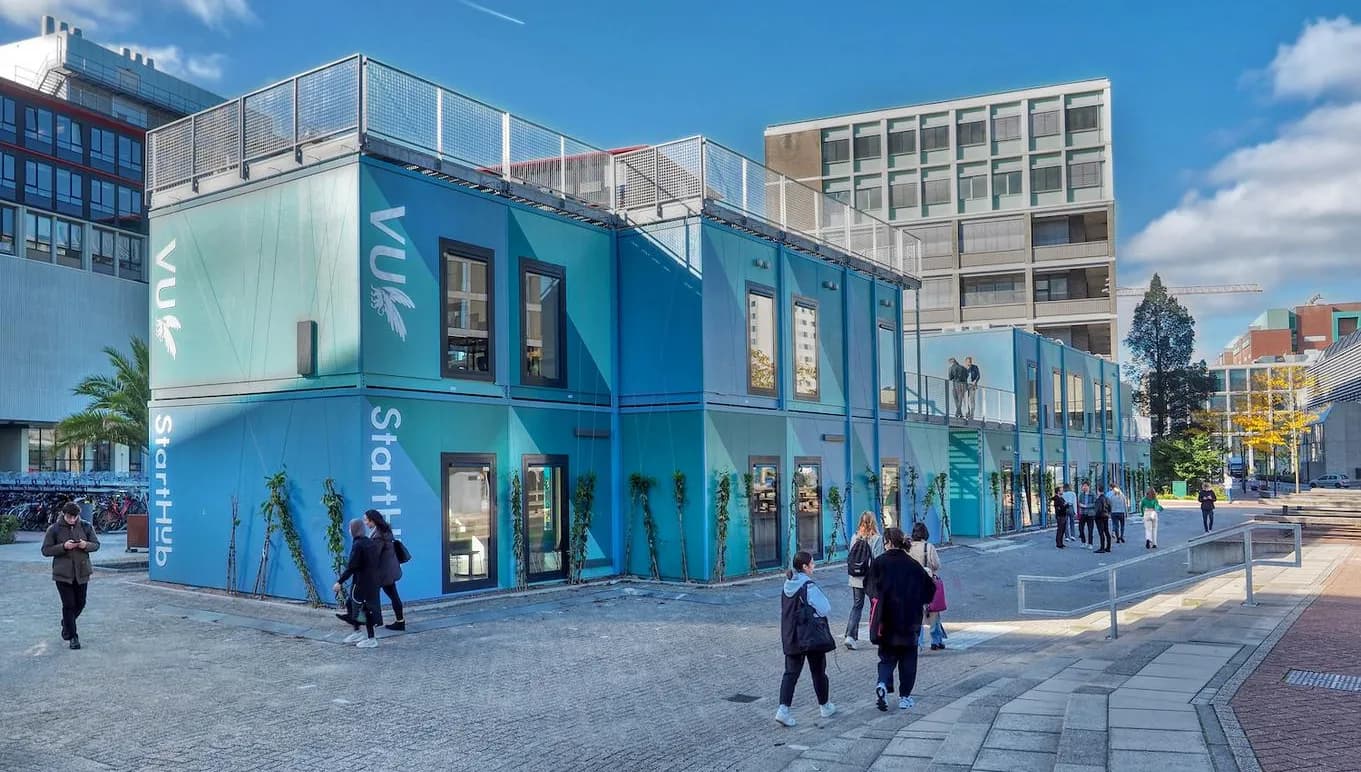
Kenniskwartier also known as the Innovation District Zuidas, houses numerous life science and healthcare organisations with a strong focus on innovation. This district offers aspiring entrepreneurs an ideal environment to transform their research ideas into thriving businesses, with access to extensive expertise and state-of-the-art facilities. This area is driving advancements and collaboration in medical knowledge led by the VU University Medical Center within Amsterdam UMC.
Merged with the Vrije University Medical Center in 2018, Amsterdam UMC is a leading medical centre that serves as a collaborative research, education, and test ground for the latest innovations in patient care, such as using AI to assist in discharge of ICU patients.
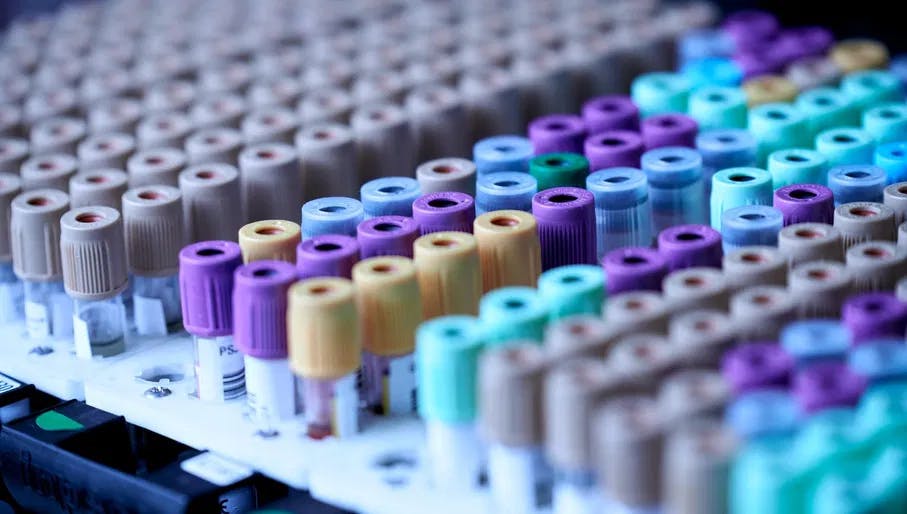
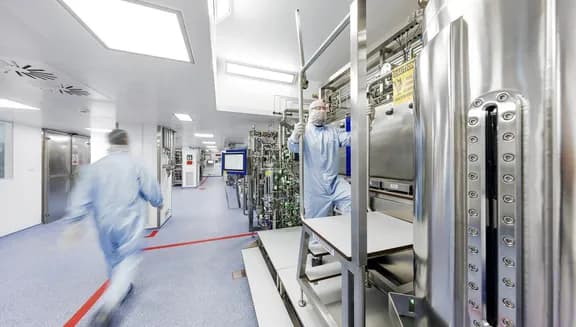
Situated in the southeast of the city, Amsterdam Life Sciences District is an innovative ecosystem of entrepreneurs, companies, and scientific researchers all focused on using technology to solve healthcare’s greatest challenges. Home to innovative companies like Wacker Biotech and Amsterdam Skills Centre, the district cultivates advancements in med-tech, e-health, and gene therapy.
Amsterdam Health & Technology Institute (ahti) is at the heart of the district and aims to enhance urban healthcare by connecting the dots between individuals, technology, and medical expertise through innovation and entrepreneurship. With a broad network of healthcare and business experts, ahti supports healthtech solutions that improve care quality, patient satisfaction, and cost-effectiveness locally and around the world.
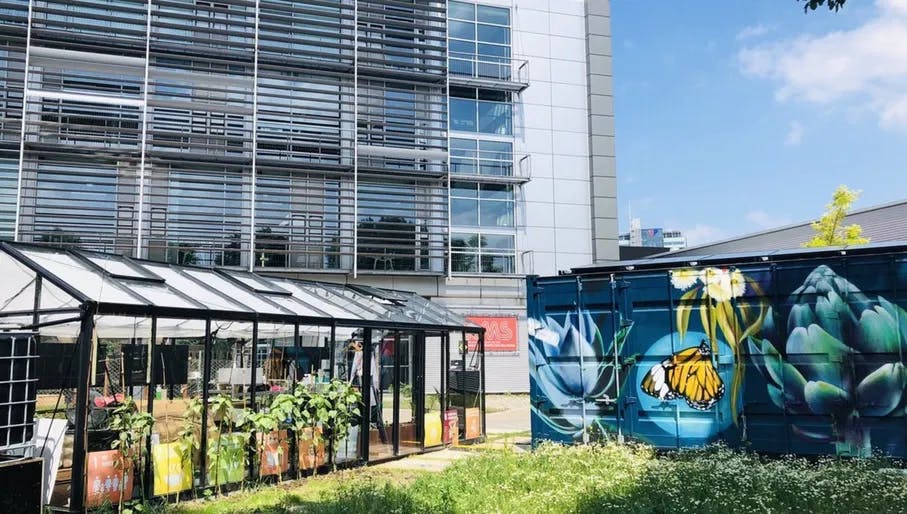
Since 2013, the government and the municipality of Amsterdam have been working together to turn Marineterrein Amsterdam into a cutting-edge urban district. This transformation aims to make the area inclusive and innovative by experimenting with solutions for urban challenges, contributing to the development of a future-proof city.
This former Navy base is now a space for experimentation to address the growing number of challenges urban areas face. These include projects that aim to test sustainable solutions like a hanging wall of plants that filter wastewater to make it reusable for things like flushing the toilet and watering your garden.
Home to the AMS Institute, which focuses on driving applied city solutions through urban experimentation, partnerships, and data analysis. It collaborates closely with public and private partners, as well as citizens, to translate data-driven ideas into practical applications. Marineterrein is also home to CRCL PARK, founded by Impact Hub Amsterdam and AMS Institute, which is a growing coalition driving smarter design, longer product lifecycles and the reuse of materials by turning waste into valuable resources.
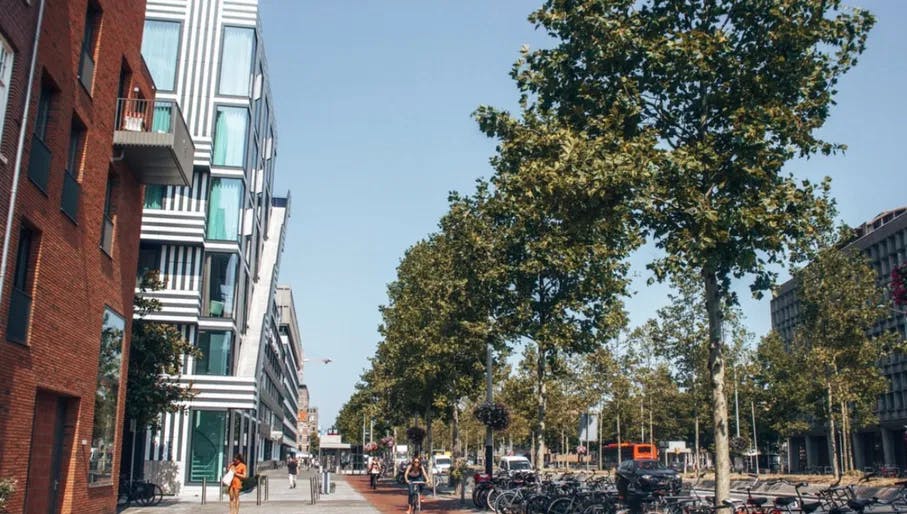
Led by local leaders, Knowledge Mile has evolved and undergone a transformation throughout the years, serving as a dynamic living lab. Collaborating with the municipality of Amsterdam, the BIZ Knowledge Mile initiated the Knowledge Mile Park project in 2019. This partnership aims to engage residents and entrepreneurs in greening and enhancing the sustainability of the Knowledge Mile, envisioning it as a green and sustainable city street by 2025, marking the city's 750th anniversary. The area includes approximately 200 companies, hotels, museums and social and municipal institutions that are united in the BIZ, intending to innovate sustainably together. Along the Knowledge Mile is also the Amstelcampus.
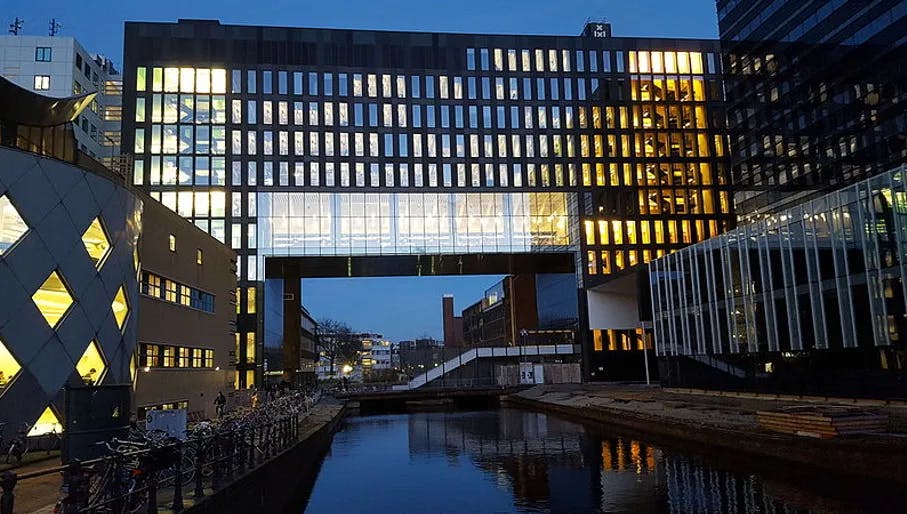
Roeterseiland Campus is a dynamic urban campus in a state of constant evolution, serving as a nexus for education, research, knowledge institutions, and business. It plays a collective role in shaping the future.
As a centrally located site in Amsterdam, it serves as a vibrant meeting point for economics, law (including the Law Hub), behavioural sciences, and related fields, seamlessly connecting academic life with the wider city. The campus encourages collaboration across faculties and with society, welcoming students, staff, residents, and entrepreneurs. Since 2017, it has been home to the faculties of Economics and Business, Social and Behavioural Sciences, and Law.
Situated in the J/K building, REC Impact is a collaborative hub that brings together UvA researchers, students, and innovators with external partners such as companies, NGOs, and local governments. It sparks partnerships that advance innovation and social entrepreneurship, supporting changemakers who are working to address pressing societal challenges.
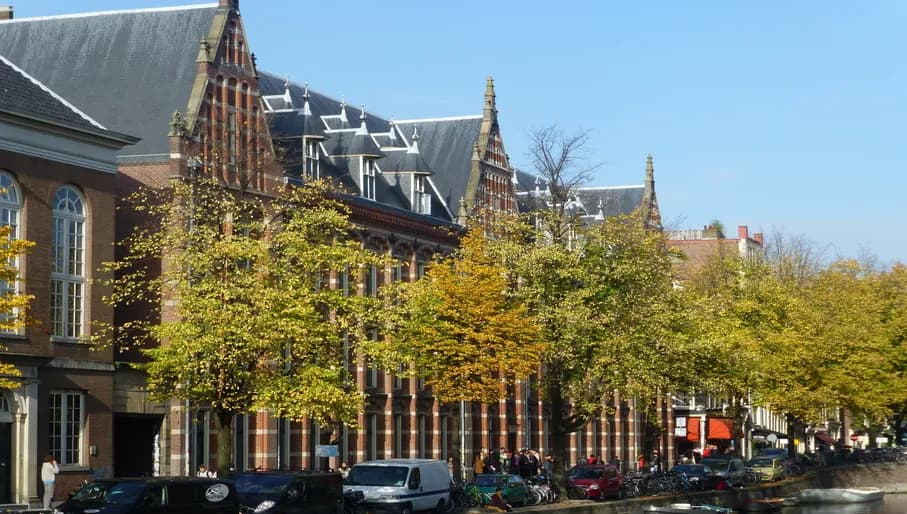
The University Quarter thrives in the lively and historic heart of Amsterdam, encompassing a square kilometre of knowledge and culture. It hosts the Faculty of Humanities and the newly established University Library, along with the Allard Pierson and the Royal Netherlands Academy of Arts and Sciences. As the birthplace of the University of Amsterdam (UvA), it embodies a commitment to progressive education and groundbreaking research.
The University Quarter symbolises tranquillity, contemplation, and both national and international collaboration, facilitating connections with esteemed research institutions, cultural entities, and businesses. It serves as a meeting place for students, staff, and entrepreneurs, shaping the intersection of UvA and the city—a stimulating environment for those passionate about science and culture.
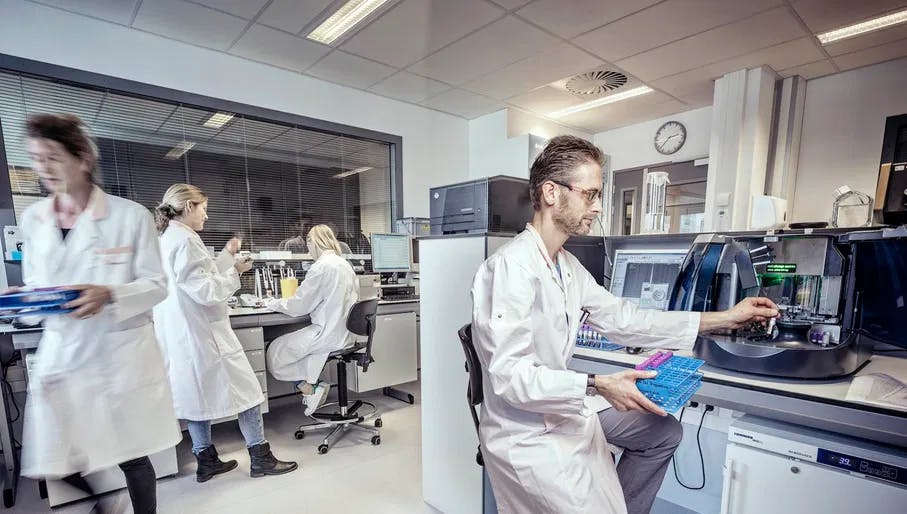
Health and Innovation District (HID) is situated in Amsterdam Nieuw-West. This community is a collaborative effort involving Sanquin (the Dutch national blood bank), Antoni van Leeuwenhoek, Cordaan, and Centrum voor Zorg Slotervaart, striving to integrate care, research, living, and education seamlessly.
Focusing on Red Biotech, HID strives to tackle societal challenges and enhance patients' well-being uniquely. The organisation actively supports innovators in expediting their solutions for patients and society, making a meaningful impact. In this collaborative community, established institutions mingle with emerging startups to exchange knowledge and develop new solutions for the betterment of patients worldwide. HID is creating advancements in health by emphasising connection, collaboration, and innovation.
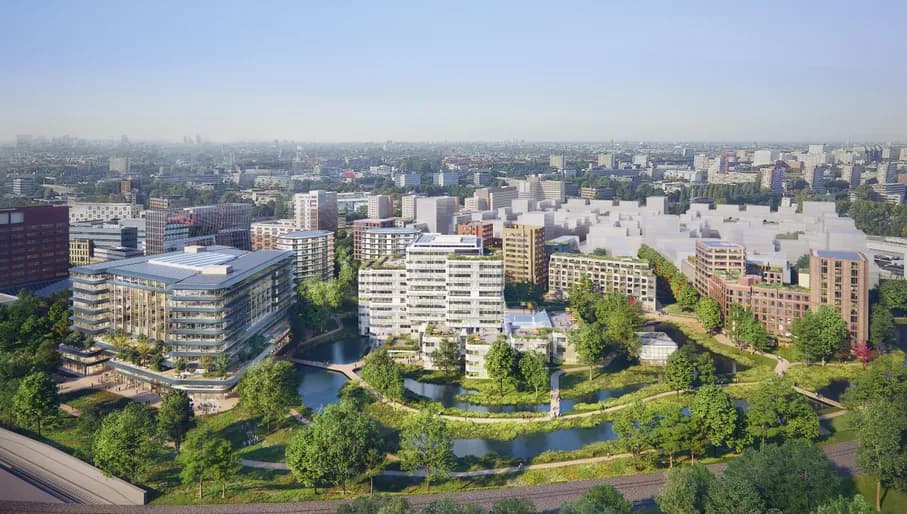
De Nieuwe Meer is an emerging innovation district in Amsterdam's Schinkelkwartier, where a dynamic mix of companies, startups, and scale-ups come together. The area is home to major employers such as IBM and PwC, as well as the B. Amsterdam community, which numbers more than 300 startups. With a growing profile in data science, analytics, and entrepreneurship, De Nieuwe Meer focuses on strengthening collaboration within the ecosystem and developing a greener, more multifunctional environment where work, learning, and city life become increasingly intertwined.
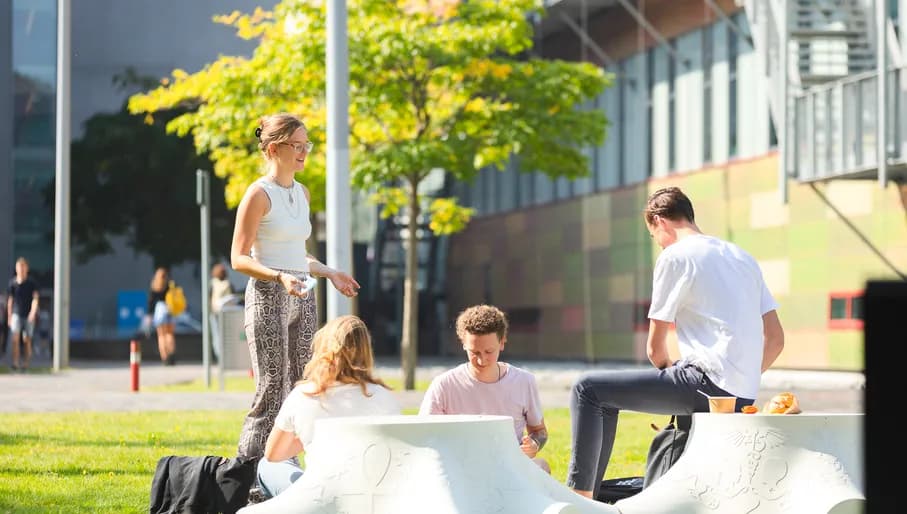
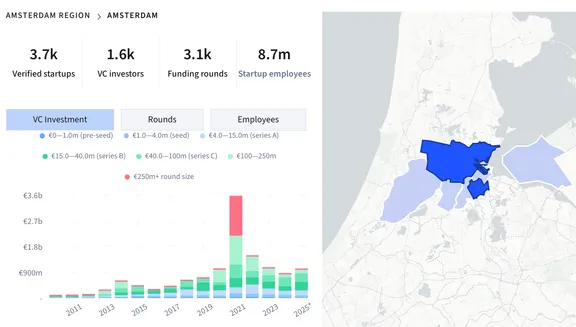
Amsterdam supports a community of innovation by bringing together scientific talent, academic institutions, companies, and startups to encourage knowledge-sharing and growth in the field of healthcare. With Europe’s latest concentration of scientific talent, the focus is on future-forward solutions incorporating AI, data science, high-tech systems, materials, and sustainability. Supported by the presence of the European Medicines Agency, the area is a hotbed of high-quality research and practical application.
The City of Amsterdam has set ambitious energy targets, aiming to become emission-free by 2030, eliminate natural gas by 2040, and achieve complete climate neutrality by 2050. In order to meet these ambitions, there is a need for innovative solutions that can revolutionise current practices. The city actively invests in energy transition by establishing dedicated hubs, which bring together businesses, researchers, and policymakers, creating a collaborative environment to develop and implement sustainable solutions.
Innovation areas and significant collaborations are safeguarding our future. The Amsterdam Area, despite its relatively small geographical size, is a forward-thinking city with a vibrant atmosphere of creativity. The region's dynamic landscape is characterised by bustling innovation hubs and living labs, showcasing a commitment to pioneering ideas and ensuring a secure and progressive future.