#FoundersFridays: Meet Laura Di Santolo of Forward Inc.
6 June 2025
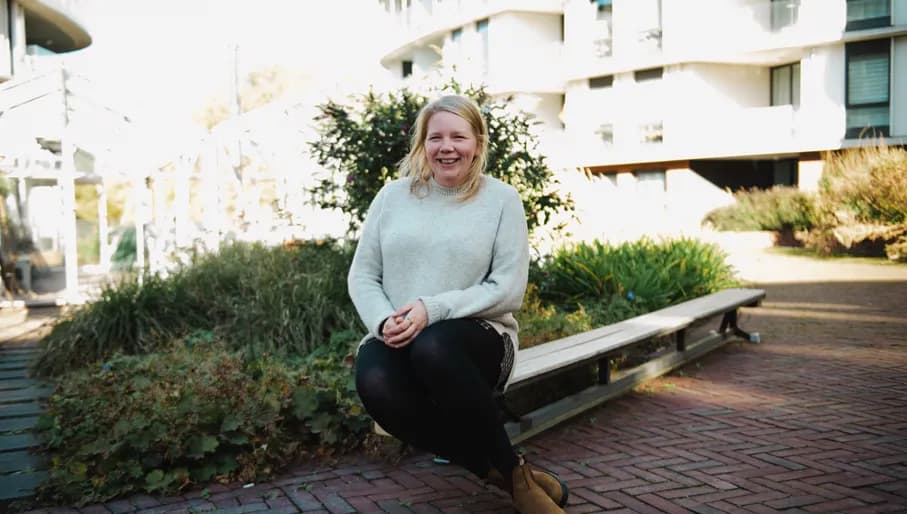
For this edition of Founders Fridays, we spoke with Ellen Schepers, co-founder of Kolenkitkoks. Kolenkitkoks supports talented home cooks who want to transition from welfare to entrepreneurship in the food sector by offering paid practical experience, training, and personalised coaching. The organisation covers all aspects of catering – from branding to client acquisition – and aims to remove financial risks and other barriers. In addition, Kolenkitkoks collaborates with partners to advocate for policy change, enabling people to gain greater autonomy over their work and income.
Eline Hansen launched Kolenkitkoks during her PhD research on bottom-up community building in Amsterdam’s Kolenkit neighbourhood. There was a lot of informal cooking taking place in home kitchens for the black market – often poorly paid and without any legal protection. This is something that people who struggle to access the formal labour market often rely on for financial security, though it constantly puts them at risk of criminalisation. Eline began thinking about how to bring this informal economy into the open and offer people a realistic path to paid work.
De Kolenkitkoks has been around since 2019. Almost three years ago, it became a foundation, and that’s when I got involved. I was working as a food safety and hygiene instructor at the time, teaching a range of topics, including kitchen safety and food risk assessments, such as HACCP (Hazard Analysis and Critical Control Points). Everyone working with food needs that certification, and Eline thought our cooks should have this, so she reached out to me. I found the group of women so inspiring that when she asked me to become a co-founder, I said yes immediately. That’s when we started building together.
The cooks who join us are often already active in food, cooking for community centres or mosques, or selling meals and products informally. With us, they receive a range of training, from working efficiently and setting prices to building a menu and marketing their business. We also offer practical support such as HACCP certification, help reaching out to clients, and guidance on bookkeeping and admin.
And our support doesn’t end after training. We continue to assist with taking on catering jobs, setting up their own business, and managing their accounts. Some of our cooks have been with us for over four years and remain active in the community. We’ve built a strong and loyal client network, with events ranging from lunches for 15 people to gatherings for 2,000 – so we truly serve as a springboard.
We’re now working on helping the cooks build and manage their networks – that kind of ownership is still quite rare. But we’re not worried about competition. There’s more than enough work in Amsterdam. People need to eat – whether it’s at a party or in the office – so there’s room for everyone.
The biggest challenge – which doesn’t apply to every cook, but certainly many – lies with those who have been receiving welfare for a long time. When you’re on benefits, you’re not allowed to save or earn extra income, which makes it nearly impossible to start your own business. You and I wouldn’t start a business with zero in the bank either – the risk is just too high. Yet we expect these women to take that leap, and that’s unfair.
We speak with many other organisations doing similar work, and everyone runs into this issue. There are plenty of programmes geared towards finding salaried work, but very few that support a path toward self-employment. And that’s precisely where there’s so much potential – giving people the autonomy to define their work and income. We focus on cooks, but this model could just as easily work for plumbers, gardeners, you name it. Once the regulatory space exists, anything becomes possible.
An informal economy is damaging to social cohesion in the neighbourhood. It creates tension and suspicion – people start giving each other side-eyes. Plus, when you have to keep your work secret, it causes stress. We’ve seen a massive shift when people are given the space to become entrepreneurs. Suddenly, opportunities for collaboration appear, people start rooting for each other’s success, and that spirit spreads like wildfire.
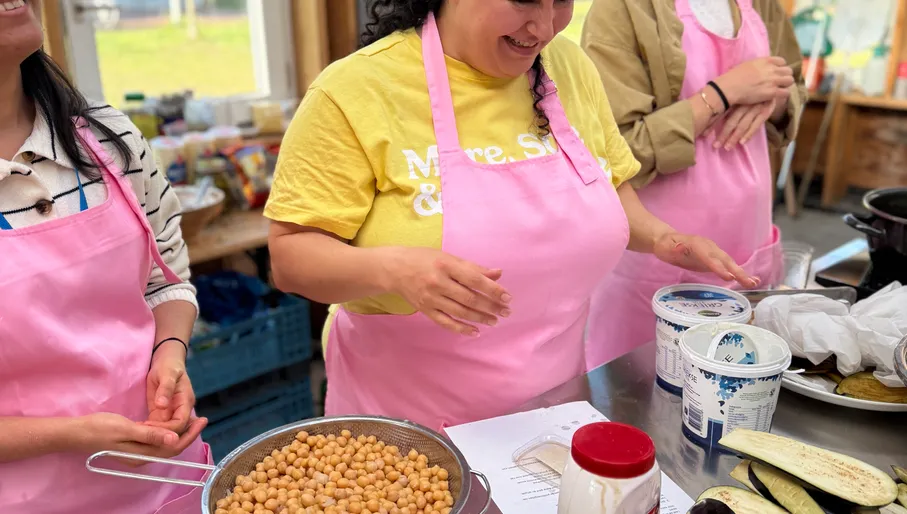
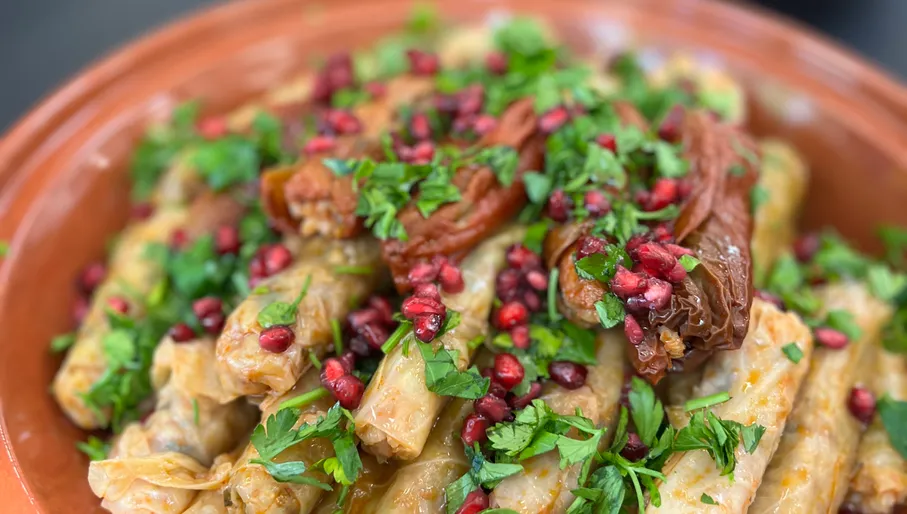
I find it deeply unfair that people without the kind of background or network I have don’t get the same chances to start their own business. And beyond that – I love good food.
Absolutely! We’ve been working with a cook from Yemen since last year. She tried many different programmes since arriving in Amsterdam four years ago, but none of them quite fit. Now, she’s at the point where she’ll be launching her own business after the summer. She’s always had the ambition – but now she’s really making it happen. She’s actively finding clients and coming up with new ideas, and her enthusiasm is infectious. That moment when everything clicks for someone – maybe that’s what I do it for.
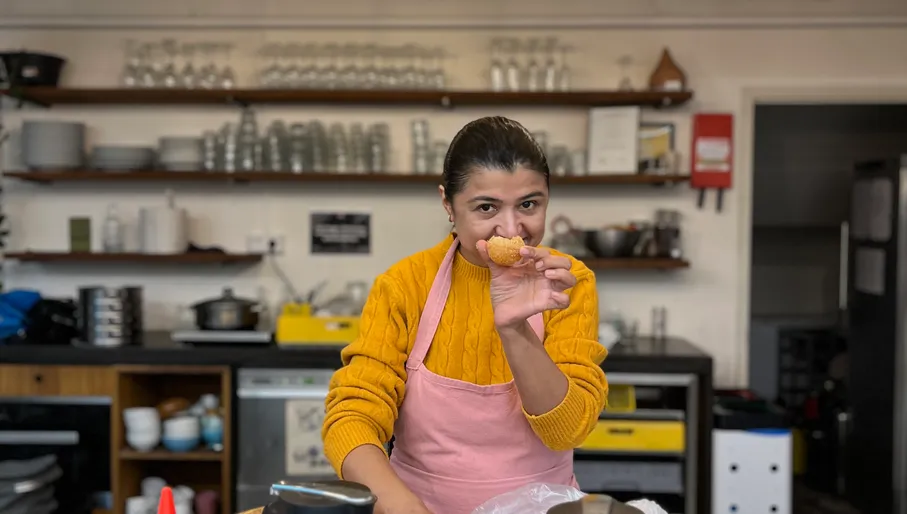
At first, I had no idea how much the city of Amsterdam does for its entrepreneurs. Since getting involved with Impact Hub and Amsterdam Impact, I’ve gained much more insight. There’s a vibrant ecosystem of impact-driven entrepreneurs, and the municipality genuinely sees the value of doing business differently – and is leading by example.
You can, of course, just Google a caterer for your event. But our clients choose us because they care about the story and the people behind the food.
Top of the list: regulatory space – and policy changes that make it easier to move from welfare into entrepreneurship. I can see that local politicians, civil servants and city officials really do want to change things. But they’re constrained by the way the Participation Act and welfare policy intersect with one another. So it’s not just a problem in Amsterdam – the real issue lies in the national legal framework.
Work together. Don’t see others as competition – collaboration always leads to better outcomes.
If you’re an Amsterdam-based founder working on an innovative solution that solves an urban or social challenge, and you’d like to share your story with our audience, email impact@amsterdam.nl