Boost je Buurt 2026: Sign up now!
18 December 2025
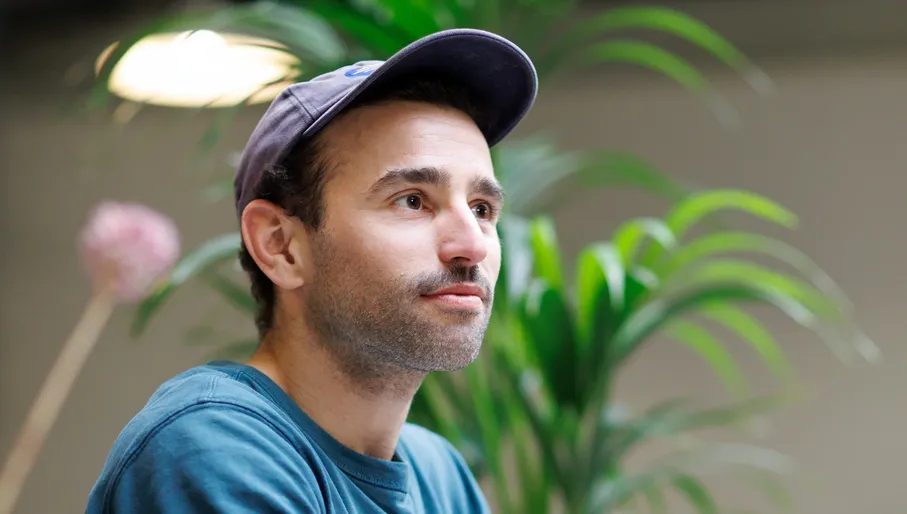
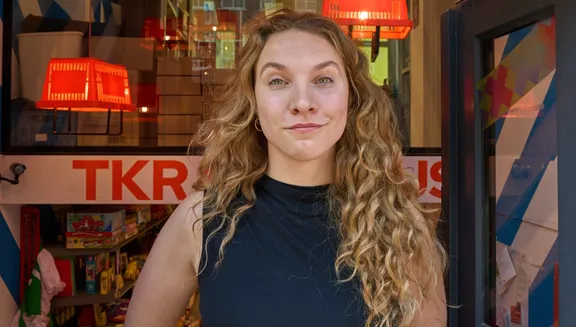
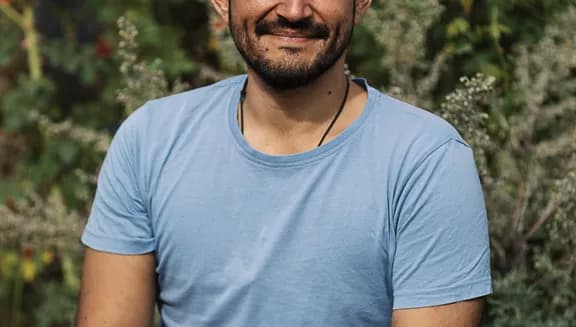
For me, it was, but it took a while for it to come together in the business model. We've reinvented ourselves a few times over the past eight years. What keeps me going during these pivot moments is my belief in the product. A toastie that creates both environmental and social impact and is also absolutely delicious – surely that should conquer the whole of the Netherlands?!
During my studies, I always had part-time jobs in the kitchen. I studied History and Photography, and after graduating, I started working full-time as a chef. My business partner and I were invited to host a guest chef dinner one evening at Café de Walvis. We created a six-course dinner from surplus ingredients; it was 2016, and food waste was just starting to become a topic. The evening was a huge success, and we immediately felt: we need to continue with this.
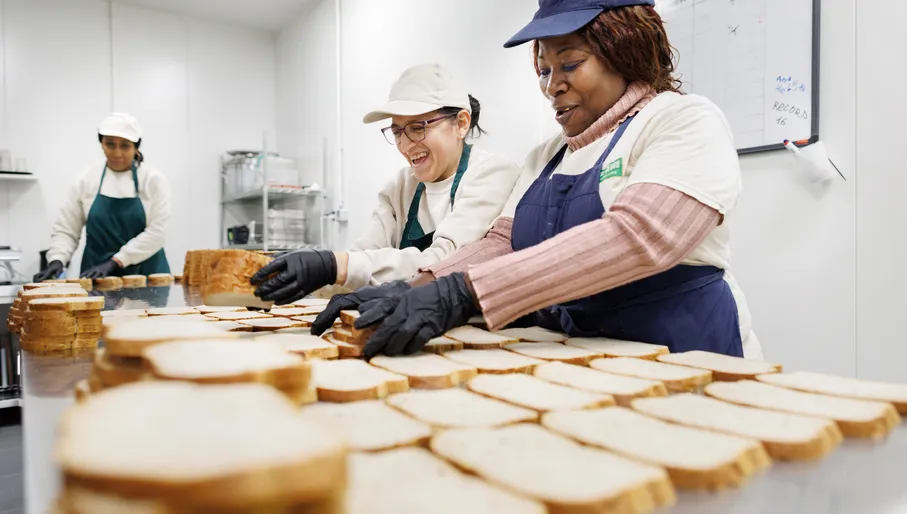
Of all the surplus products we used, bread turned out to be the biggest. There are genuinely loads of bread left over every day that haven't been sold. A baker doesn't want to say no to customers, so they always keep a bit extra in stock. We tried several things: we made bread and butter pudding ourselves, opened the first bread outlet as a meanwhile-use space... When we started experimenting with French toast, croutons, and toasties, we found we could best express our creativity with toasties, and they sold the fastest. We soon won the toastie test from Het Parool.
Well, quite a lot has happened in the meantime, of course. When it became clear, for example, that the toastie had the most potential and it was time to focus and scale up, my business partner stopped. He's a real inventor who wants to explore new possibilities and come up with solutions. The new phase we'd entered suited him less.
As an entrepreneur, I'm blessed with the opportunity to contribute positively to the world. And I enjoy working with people from all backgrounds. The transformation people go through after they start working with us is truly special to see. People come in with little self-confidence, finding it nerve-wracking, or being a bit shy. Then they get to work and feel that they can do it, that they're delivering good work for which they're paid fairly and which enables them to look after themselves. You see them flourish, and that's the most beautiful thing there is.
Absolutely. It requires adaptability, and it certainly didn't go smoothly for us the first time around. But even if you just set up one role within your team in this way, that alone can be so valuable – you can change someone's life with that.
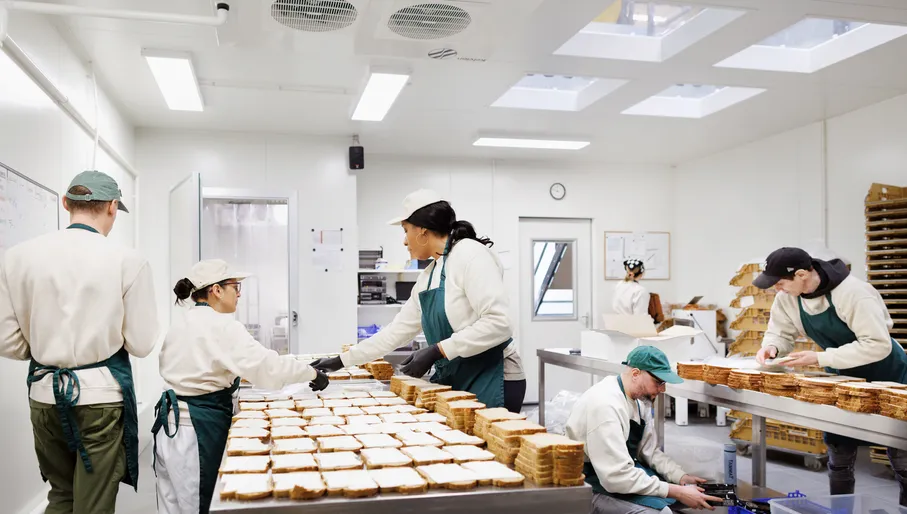
We found the financing to build that facility through social impact funds; they're set up to help impact entrepreneurs grow. We've agreed to embed our social objectives in the articles of association. They offer a lower interest rate, and if we meet the targets, we don't have to repay part of it.
We first thoroughly researched which type of fund suited us. There are actually quite significant differences: one focuses on social issues, another on environmental ones, one finances large amounts, and another, smaller ones. We looked for the right match and brought in someone from my network who has experience with these kinds of processes. Having someone look over things makes it considerably easier, and there are arrangements where you only have to pay that person if they succeed in securing financing.
Every business is different, of course, but I think perseverance is essential for any project. Those investors I just mentioned often prefer to work with entrepreneurs who've already had a business before, even if it failed. That says enough: you learn by doing, through trial and error.
We have a great climate for impact entrepreneurship in Amsterdam; there's lots of room here for new ideas because consumers are open to new things. There are also many networks where like-minded enterprises strengthen each other: Kitchen Republic, Impact Hub, the GO!-NH accelerator, the Amsterdam Circular programme, and Social Enterprise NL. When you start something that makes a difference, there are lots of chances to connect, team up, and grow.
More about De Tweede Jeugd
De Tweede Jeugd saves thousands of kilos of bread from being wasted each year and employs people who are distant from the labour market. Their products are available at various hospitality partners, including Coffee Company and, more recently, Stach.
More about #FoundersFridays
#FoundersFridays is an interview series about entrepreneurs, for entrepreneurs. Each edition features a founder sharing key learnings, milestones, challenges, and reflections—especially on Amsterdam’s role in the Dutch innovation and impact ecosystem.
If you're a founder based in Amsterdam who's working on an innovative solution to an urban or social challenge, and you'd like to share your story with our audience, email Anne.