Companies shaping sustainable urban development in Amsterdam
2 February 2026
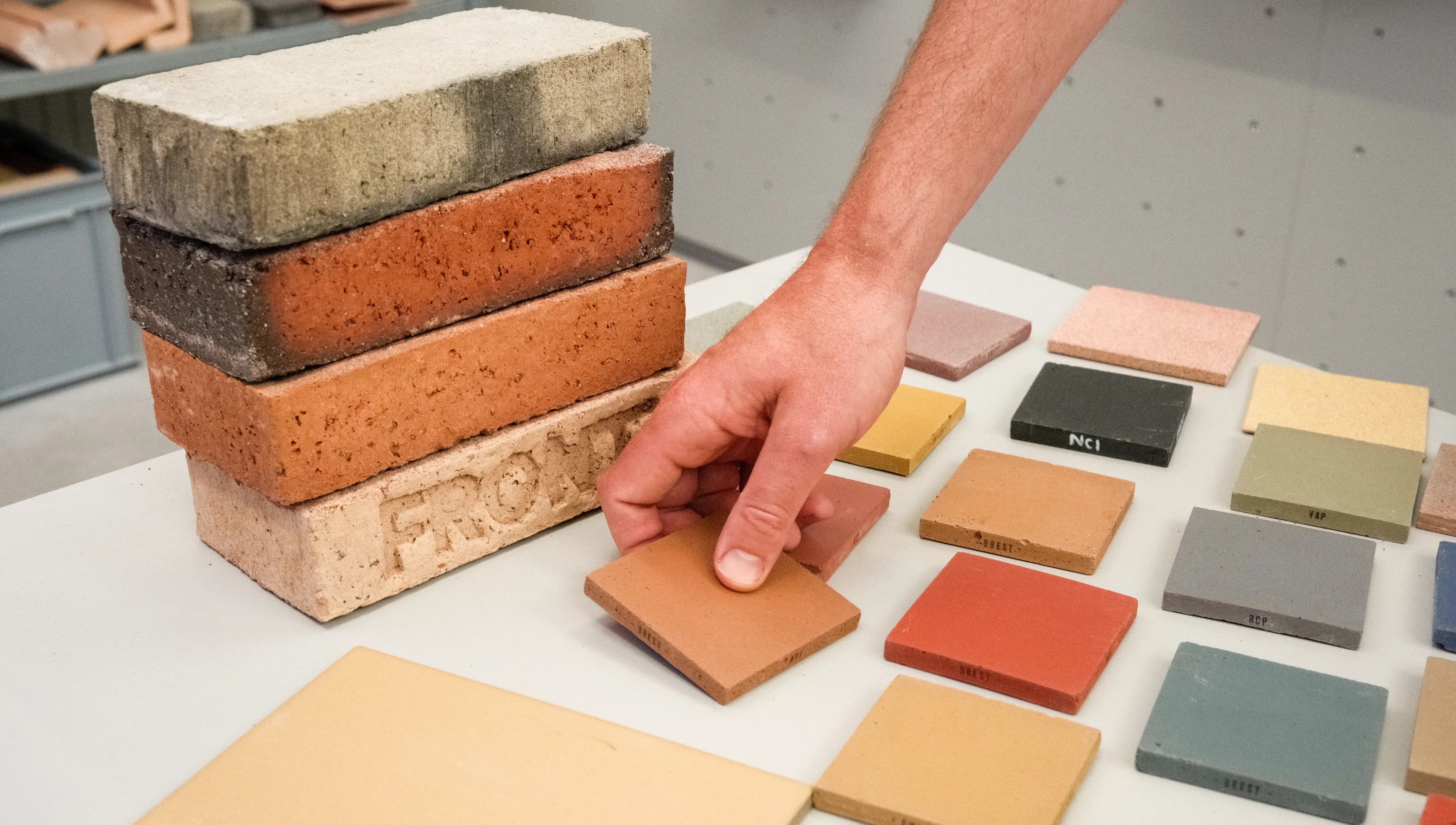
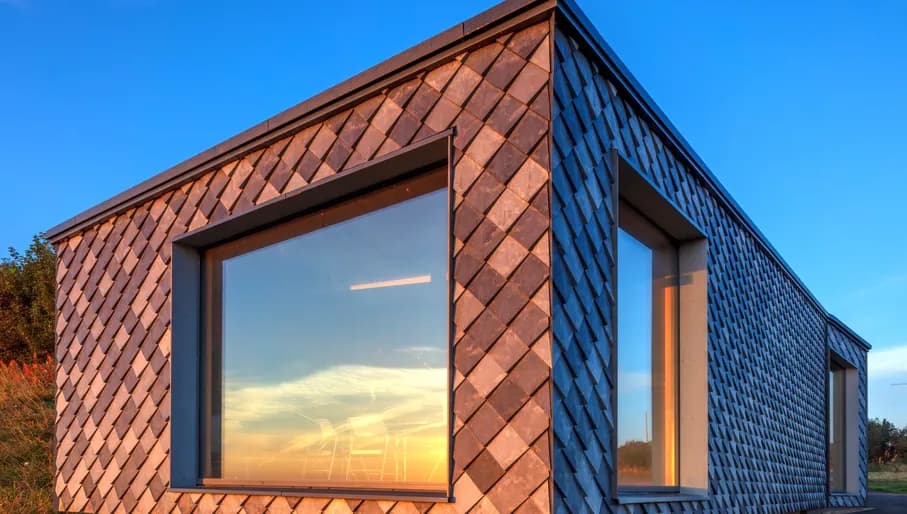
It goes without saying that plastic waste is harmful to the planet because it lingers in our ecosystems for hundreds of years, breaking down into microplastics that contaminate food, water, and air. Pretty Plastic tackles this issue by transforming discarded PVC building products, such as rain gutters and window frames, into stylish, durable cladding panels. Manufactured in the Netherlands, these panels are not only 100% recycled and recyclable but also visually distinctive, offering architects and designers a sustainable alternative for facades and interiors.
Projects: Circl Pavilion, Amsterdam and MOOS Modular Homes.
The linear ‘take-make-dispose’ economy depletes resources and creates waste pollution, which impacts the climate. Shifting to bio-based and circular materials is essential for creating a sustainable, regenerative economy. Aectual combines digital design with large-scale 3D printing to create custom building products, such as flooring, facades and furniture, using circular and bio-based materials. Their proprietary platform allows architects to design unique pieces, which are then printed with recycled or renewable materials and reprocessed after use.
Projects: Schiphol Airport flooring, made from recycled bioplastic, and the Capital C building, which used recycled Budweiser bottles.
Empowering local communities to build and create sustainably, Buurman Amsterdam is more than a reclaimed materials depot, it functions as a community workshop and retail space for second-hand building materials. By sourcing, storing, and selling reusable timber, glass, fixtures and other materials from deconstruction projects, Buurman keeps valuable resources in circulation and supports local makers.
Projects: DIY Depot (Papaverweg) in Amsterdam for builders, designers, and residents.
In the built environment, saving resources and helping the planet is key. That is why Biobound integrates bio-based waste materials like elephant grass (miscanthus) into concrete products, significantly lowering their carbon footprint. Their paving stones, cladding and street furniture combine circular raw materials with low-energy production methods, offering a more sustainable alternative to traditional concrete.
Projects: Public spaces such as Noorderspeeltuin, Jordaan, Amsterdam and Schiphol Trade Park Phase 2, Hoofddorp.
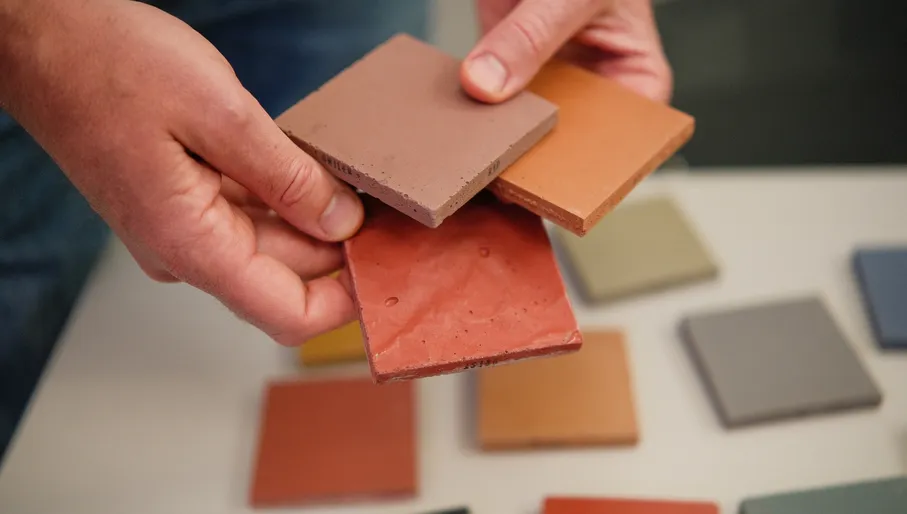
In a bid to use fewer new materials, create less waste, and make buildings that are easy to change or reuse in the future, FRONT develops modular and demountable building systems designed for maximum reuse. Their construction elements, made from bio-based and recyclable materials, can be easily assembled, disassembled, and reconfigured, reducing waste and extending material lifecycles in the built environment.
Projects: Temporary and permanent commercial spaces like DOK1620, Buiksloterham circular houses and CROSSOVER at Kop Zuidas.
According to Dura Vermeer’s strategic plan “Samen Duurzaam Groeien” (Growing Sustainably Together), every project is designed with circularity, biodiversity, and climate resilience in mind. As one of the Netherlands’ largest construction firms, Dura Vermeer is actively embedding circular principles into its projects – from modular building designs to the reuse of demolition waste. Based in Amsterdam as well as across the country, the company is experimenting with circular asphalt, prefabricated components, and materials passports to track resources throughout their lifecycles.
Projects: Circular neighbourhood pilots in the Amsterdam Area, such as Strandeiland IJburg and Overhoeks, Buiksloterham, Amsterdam-Noord.
Offering a strong, renewable alternative to traditional timber, engineered bamboo grows rapidly and stores carbon, helping to reduce deforestation. That is why Bambooder is using this highly durable material to create structural building products. Their products provide a sustainable alternative to timber and steel for load-bearing applications, supporting both decarbonisation and biodiversity goals.
Projects: Facades, structural beams, and interior elements at the Schoonschip and Haarlerbergpark projects.
Digital material passports are databases that record detailed information about materials, enabling future reuse, reducing waste, and supporting a circular construction economy. Madaster is a Dutch company that acts as a digital materials passport platform, providing building owners and developers with detailed records of all materials used in a project. By documenting material properties, origins, and potential for reuse, Madaster enables circular strategies like disassembly, resale, and recycling at the end of a building's life.
Projects: Residential and commercial buildings across the Amsterdam Area, including Schiphol Trade Park, Hoofddorp (Metro Amsterdam) and Juf Nienke, Centrumeiland, Amsterdam.