
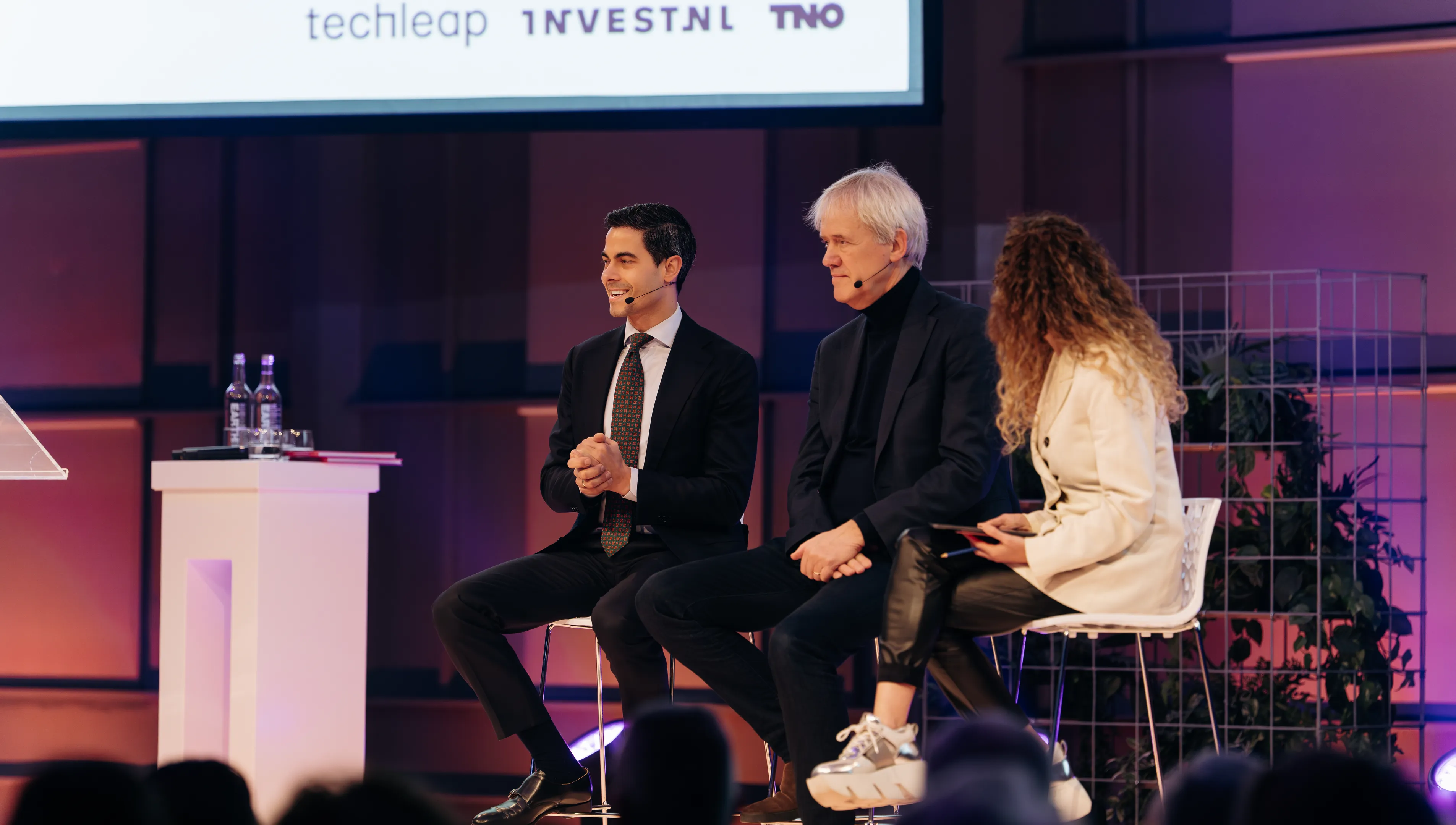
State of Dutch Tech 2026: growth and challenges
Dutch tech keeps growing but scaling remains an area for improvement
The State of Dutch Tech 2026 report, published by Techleap and presented at the organisation’s annual flagship event in early February, shows that the Netherlands’ technology sector remains sizeable and continues to attract capital, but faces persistent structural challenges.
According to the analysis, the Dutch tech ecosystem counted 11,301 active tech companies in 2026, up on previous years, and collectively raised €2.64 billion in venture capital in 2025. These figures reflect continued participation from both domestic and international investors and place the Netherlands among Europe’s established tech markets.
Despite this headline growth, key performance measures point to underlying limitations. The share of startups that move on to attract significant funding, often referred to as the scale-up ratio, increased only modestly. In 2025, it reached 21.6%, an improvement over the previous year of around 21% in 2024.
At the same time, the number of funding deals fell even as the total capital raised increased, signalling that while larger investments are being made, smaller early-stage funding rounds, crucial for new venture formation, have become less frequent. Early-stage founders may therefore find it harder to secure initial investment before achieving product-market fit.
The picture differs across technology segments. Deeptech companies, those working on areas such as advanced materials, quantum, or specialised computing, account for around 12% of all tech firms but a much larger share of successful scale-ups, reflecting both the innovative strength and concentrated capital in this segment. Beyond these examples, ecosystem maps and directories point to many more companies active in AI, fintech, mobility, cleantech and related sectors across the Amsterdam Metropolitan Area.
A related pattern has emerged in the field of artificial intelligence. The Netherlands is reported to have a strong AI talent base. Amsterdam in particular ranks highly for early-stage AI investment. Still, the report also signals that there are improvements needed in securing growth capital, and this is a point of attention for the sector.
Amsterdam leads the charge in AI, fintech and deeptech

Amsterdam and the surrounding Randstad region capture a substantial share of domestic investment and tech employment. Noord- and Zuid-Holland together account for more than 70 % of venture capital flows, with Amsterdam’s concentration of talent and investors reinforcing its position as the country’s leading tech hub.
Overall, the State of Dutch Tech 2026 outlines both the scale of the Netherlands’ technology sector and the mixed progress of its companies. Continued access to early-stage funding, improved conditions for scaling, and sustained investment in emerging areas are among the themes emphasised as the ecosystem seeks to build on its growth and address areas of underperformance in the coming years.