
Amsterdam puts AI to work: 10 Amsterdam-based companies at HumanX 2026
How do you know an AI agent is ready for customers? Can it work with your organisation’s knowledge without compromising access controls? And where should human judgement come in?
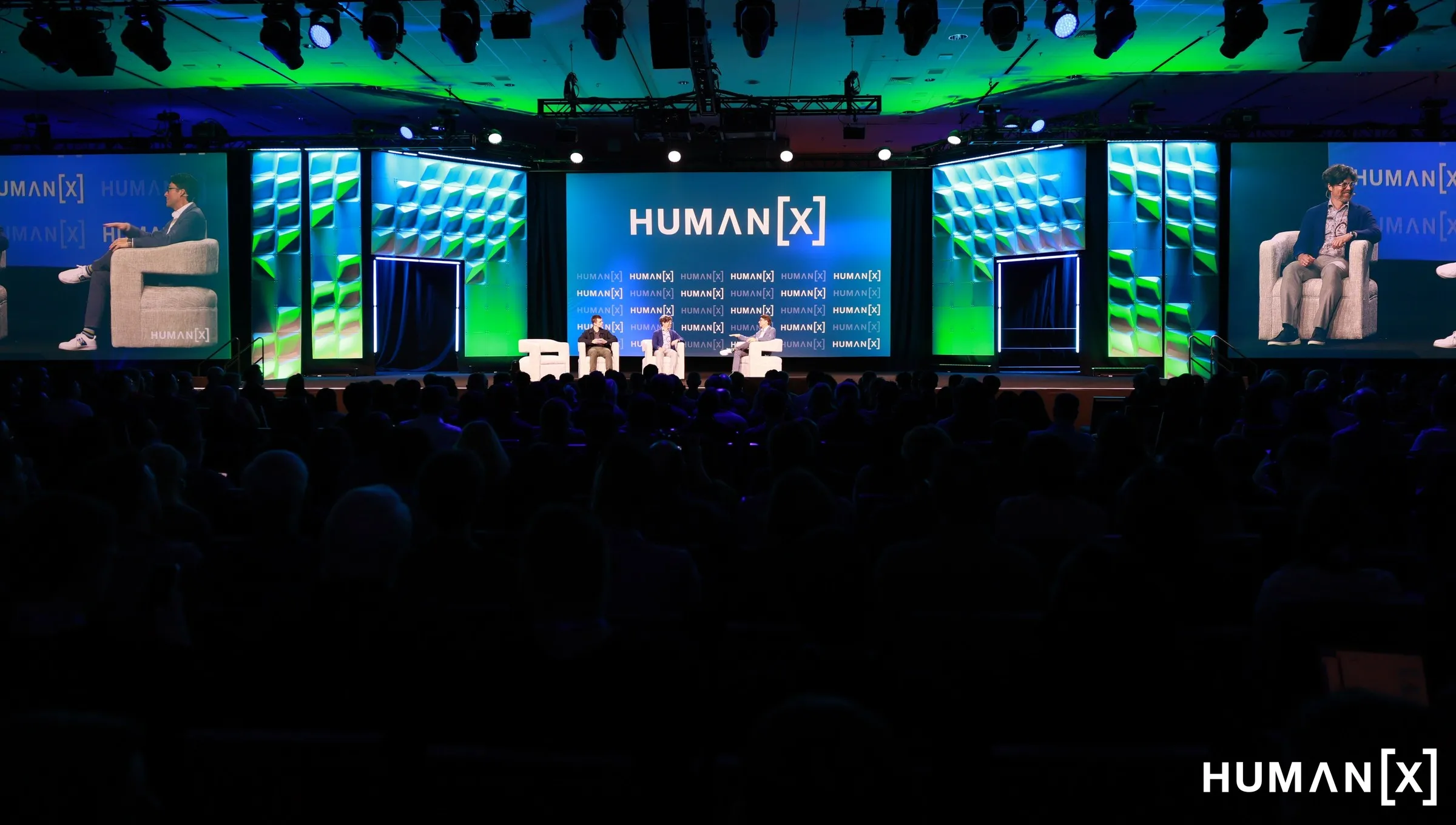
These are practical questions for businesses exploring AI, and they run through the work of ten Amsterdam-based companies joining StartupAmsterdam at HumanX Amsterdam, taking place at RAI Amsterdam from 22–24 September 2026.
The delegation brings together VNYX, Zeta Alpha, Mondrio, Scaleflow, Awesome Compliance, LangWatch, MindStash, Earthian AI, GreenCompute and Bosun. Their applications span software development, industrial robotics, enterprise knowledge, compliance and risk intelligence, offering a window into the business challenges being addressed within Amsterdam’s wider AI ecosystem.
Making AI reliable for business
An AI agent might perform well in testing and still struggle with an unexpected customer request. For developers, understanding that gap is essential before handing over a real task.
Amsterdam-based LangWatch helps teams test and evaluate AI agents before launch and monitor their performance once they are in production. Its platform addresses a question that becomes more pressing as businesses deploy AI, does the system continue behaving as expected when real users and real situations get involved?
For Bosun, that challenge extends to software businesses have relied on for years. The company is developing agents to support legacy software migration and maintenance, with an emphasis on making proposed changes reviewable and validating them before they are implemented. In this setting, generating code is only part of the task; teams also need confidence in what will happen when that code changes.
Scaleflow brings AI into technical due diligence. Its X-Ray platform analyses products, technology and code to support technology investment decisions, with experienced operators involved in interpreting the findings. Here, the value of AI lies not simply in producing more analysis, but in turning technical information into something people can use when making consequential decisions.
Across all three examples, the challenge is similar, producing an AI output is one thing. Being able to depend on it is another.
Giving AI the right context and infrastructure
Even a capable model needs the right information and infrastructure to be useful.
At Amsterdam Science Park, Zeta Alpha is working on the knowledge side of that equation. Its enterprise platform connects AI search, retrieval and agents with an organisation’s internal information while maintaining permissions and governance controls. For businesses trying to put their own knowledge to work with AI, those controls are part of what makes the technology usable.
GreenCompute focuses on the computing infrastructure underneath AI. The Dutch company is developing sovereign cloud infrastructure hosted in Europe, addressing questions about where data is held and where increasingly demanding AI workloads run.
MindStash approaches information from an individual perspective. Its AI-powered “second brain” is designed to capture and connect notes, interests and saved material, building personal context that can work with AI tools. The aim is to make previous knowledge useful in future interactions without requiring users to repeatedly provide the same context.
For VNYX, putting AI to work involves physical objects as well as information. The Amsterdam company combines AI and industrial robotics to automate parts of clothing resale, including garment assessment, sorting, product imagery and preparation for resale. VYNX is applying AI to a very tangible operational problem, how to process more second-hand clothing efficiently enough to make reuse easier to scale.
Together, these companies show why putting AI to work involves much more than choosing a model. The information, infrastructure and processes around it matter too.

Keeping people in the decision
As businesses give AI more responsibility, they also need to decide where people should remain involved.
Mondrio combines AI agents with pricing expertise to research and develop B2B pricing recommendations. People remain involved in deciding which changes to make, connecting continuous analysis with commercial judgement.
Awesome Compliance applies AI to privacy and regulatory work. Its platform helps professionals structure information, interpret regulatory frameworks and prepare compliance work, supporting tasks that still require professional judgement and responsibility.
Earthian AI is developing specialised models for financial and risk intelligence, covering areas including climate, geopolitics, technology and cybersecurity. Its work reflects growing demand for AI designed around particular fields of expertise, where outputs need to be understandable and useful to the professionals making decisions.
Across these applications, the practical question is not simply how much AI can do, but how organisations maintain enough insight and oversight to use it confidently.
From AI potential to practical use at HumanX
HumanX brings these questions into a wider international conversation about what comes next for AI.
For businesses, the challenge is shifting. The question is no longer only whether AI can generate, analyse or automate. It is whether the technology can operate reliably inside existing systems, work with the right information, fit real workflows and support decisions people are prepared to stand behind.
The ten companies in Amsterdam’s delegation approach that challenge from very different directions. Some are testing agents before they reach customers. Others are building the infrastructure around them, connecting AI to specialist knowledge or applying it to physical processes.
Together, they show what putting AI to work actually involves: moving beyond the demo and into the less visible work of making technology dependable, usable and relevant to real business problems.
HumanX Amsterdam takes place at RAI Amsterdam from 22–24 September 2026.