Amsterdam’s change champions: Meet Rodney Nikkels
27 January 2026
The agrifood system in Amsterdam, which emerged in the 19th century with technological advancements like greenhouse cultivation and crop rotation, has played a vital role in guaranteeing widespread access to affordable and reliable food. However, it is no secret that the agrifood industries put a lot of pressure on the environment, impacting biodiversity and contributing to greenhouse gas (GHG) emissions. As a global agrifood hub, particularly in logistics and trade, Amsterdam recognises the need for innovative policies aligning with Sustainable Development Goals to benefit both the planet and its inhabitants.
Today, Amsterdam's Food Strategy is committed to transforming the local food system with a focus on health, fairness, sustainability, and affordability. Through six action lines, including fair and affordable food, food waste, and urban agriculture, the strategy aims to contribute to a circular and ecologically responsible food system.
Key ambitions include encouraging predominantly plant-based food consumption, promoting short food chains, and minimising food waste. The city's plan aligns with a regional shift towards plant-based proteins, sourcing locally produced food, and reducing food waste by 50% by 2030.
Adopting a pioneering stance, the Dutch government has become the first EU country to authorise limited tastings for lab-grown meat and seafood. Notably, the Netherlands boasts the highest per capita consumption of plant-based foods, establishing itself as the sixth-largest plant-based market in Europe.
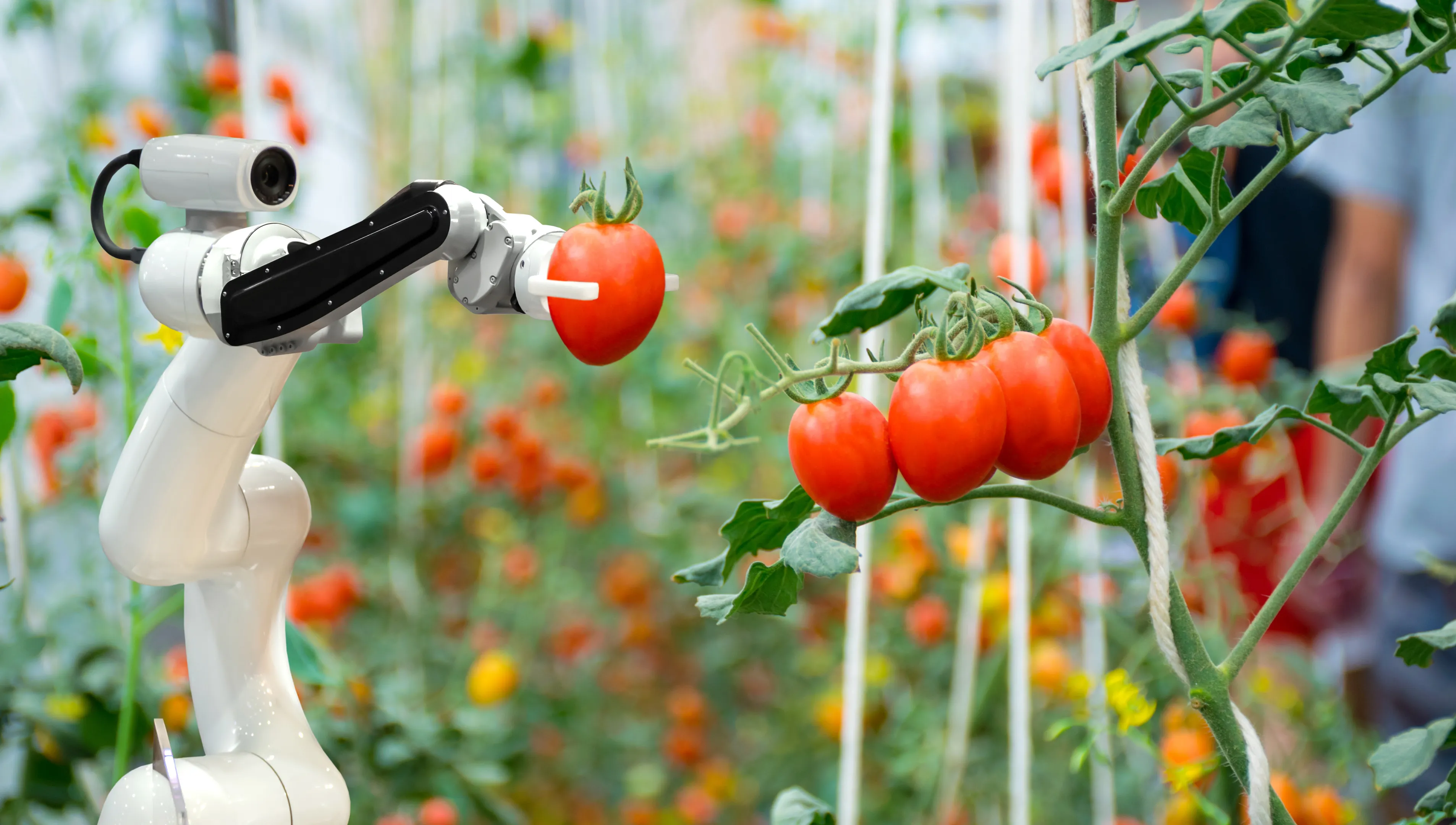
The Netherlands, known as the world's second-largest agricultural exporter, now leads in future-proof food solutions, including alternative protein development and precision farming. The Amsterdam Area actively attracts forward-thinking companies as a leading hub for these innovations, leveraging its strengths for sustainable progress.
In Amsterdam's food scene, innovation stems from research platforms, including the Ams Institute, specialised research departments, the Amsterdam Green Campus, Flevo Campus along with Brave New Food. These hubs facilitate collaboration between companies, government, and talent, driving transformative projects to enhance food systems. Initiatives focus on promoting healthy food environments, improving food accessibility, advancing protein transition, and raising awareness on climate adaptation and biodiversity. Additionally, they aim to educate on Amsterdam's food culture, fostering community connection and understanding.
Amsterdam’s research hubs join other leading institutions in the Netherlands, like Wageningen University & Research (WUR), a global agrifood leader, which collaborates in close partnership with the city of Amsterdam on research assignments, and education opportunities. Most recently, the Circular Urban Food Production to map how leftover foods could be used for nutrient or soil improvement.
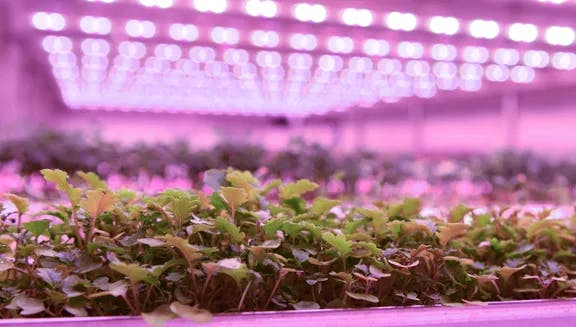
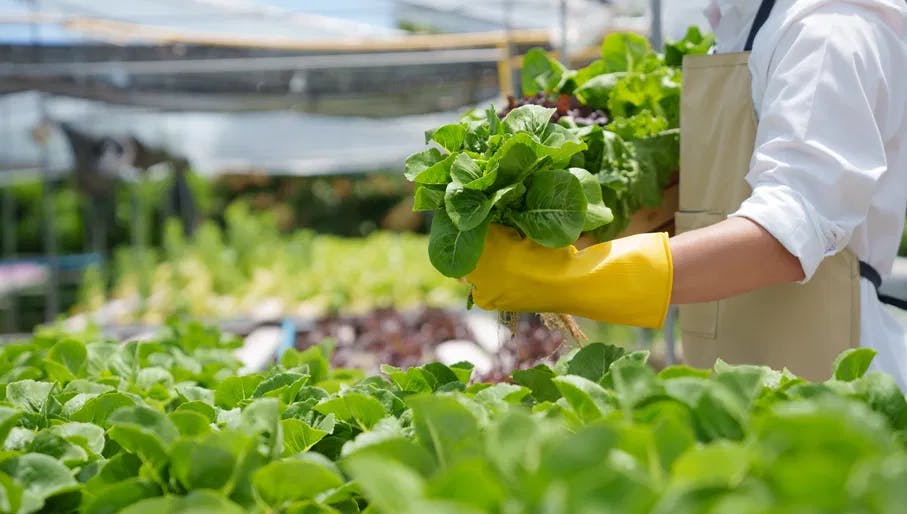
Amsterdam's food sector is witnessing transformative trends, including a shift to alternative protein sources, digitalisation, and agritech innovations enhancing supply chain efficiency. Circular practices, such as urban and vertical farming, shorter supply chains, and improved waste processing, are gaining prominence.
The city is a hotbed of impact-driven companies like Crisp and De Nieuwe Keuken who are actively promoting the transition towards more sustainable and regional food systems.
Amsterdam's food sector is exemplary of a commitment to research, innovation, and sustainability, shaping the region’s role as a global leader in the ongoing food transition. Through collaborative efforts with food hubs, startups, institutions, and government-led initiatives, Amsterdam paves the way for a healthier, fairer, and more sustainable future in food.