
Amsterdam connects European stadium districts to improve urban mobility
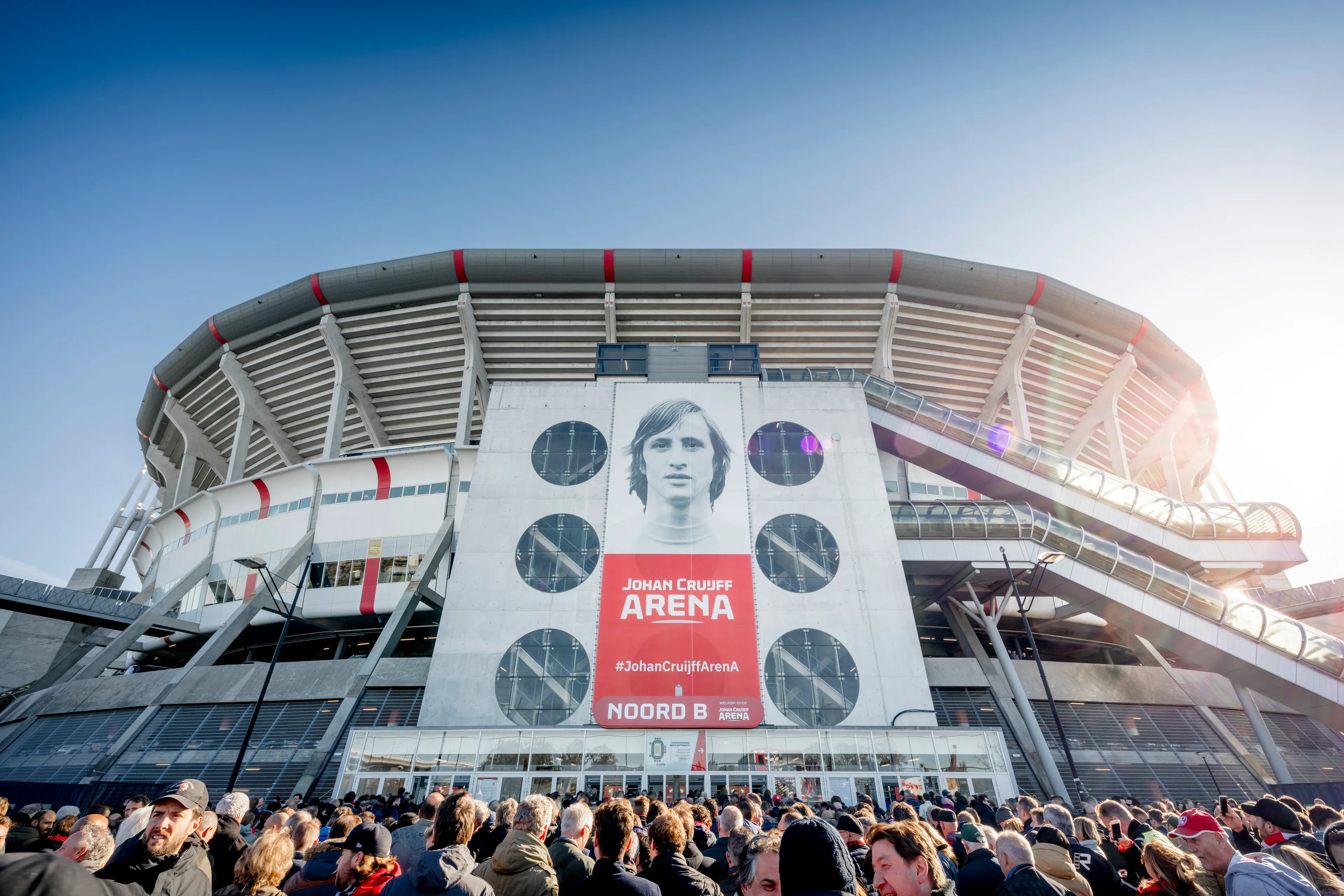
Launched on 24 September at the Johan Cruijff ArenA by the City of Amsterdam, the stadium, the Royal Netherlands Football Association (KNVB) and EIT Urban Mobility, the initiative connects cities, stadiums, transport operators and businesses working on similar urban challenges.
How Stadium Cities aims to scale urban mobility solutions
Stadium districts offer a useful testing ground for cities. Large events put transport systems, public spaces and local services under pressure, making it easier to identify problems and test practical solutions.
Stadium Cities aims to take that learning beyond individual cities. Partners will identify shared challenges, develop projects that can attract investment and explore how successful solutions can be adapted elsewhere. Improving how fans travel to and from major events is an initial focus.
London, Manchester, Paris, Frankfurt, Stockholm and Dublin are among the cities involved or discussing participation, alongside transport operators including NS, Deutsche Bahn and Transport for London.
For businesses developing mobility technology, crowd management systems or travel information services, the network could create opportunities to reach new markets rather than developing solutions for individual stadiums.
Why Amsterdam’s ArenAPoort is a testing ground
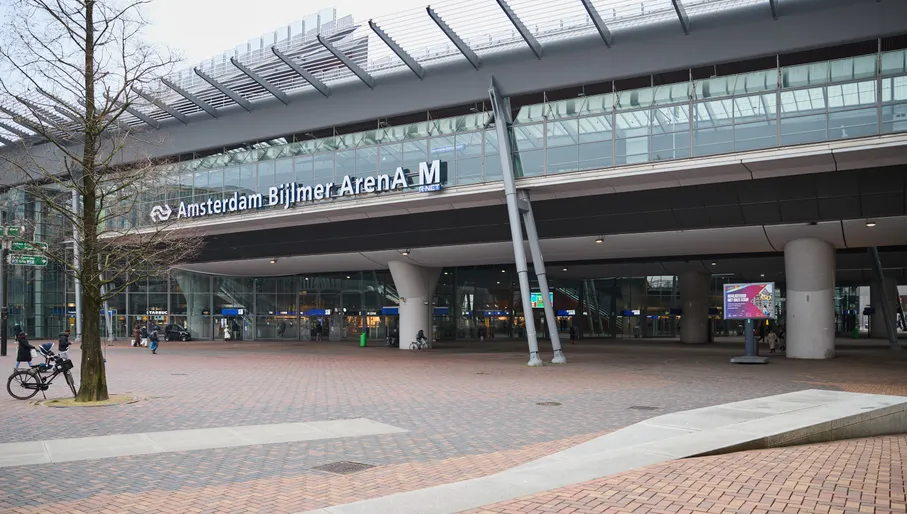
Amsterdam’s ArenAPoort district already brings many of these challenges together. Home to the Johan Cruijff ArenA, Ziggo Dome, AFAS Live and Amsterdam Bijlmer ArenA station, the area must accommodate major event crowds while increasingly becoming a place where people live and work.
Through Fieldlab Arenagebied(Dutch), the City of Amsterdam and its partners have explored innovations including privacy-friendly crowd monitoring and better ways to share real-time information during events.
The district is also undergoing a major transformation. Around 4,000 additional homes are planned across ArenAPoort by 2030. In September, construction began on Eleven Square, a mixed-use development whose first phase will add 1,120 homes near the station.
As more residents move into the area, balancing major events with everyday accessibility and liveability becomes increasingly important. That makes ArenAPoort a relevant testing ground for solutions that could also benefit other European cities.
Taking Amsterdam’s urban innovations further
The Stadium Cities network will continue its European expansion in Barcelona this November, with initial connections also established in the United States.
For Amsterdam, the opportunity goes both ways: sharing lessons from the ArenA district with other cities while bringing new approaches back to the area. For mobility innovators, it could offer a route to develop solutions with international applications.
Find out more about Stadium Cities through EIT Urban Mobility.