
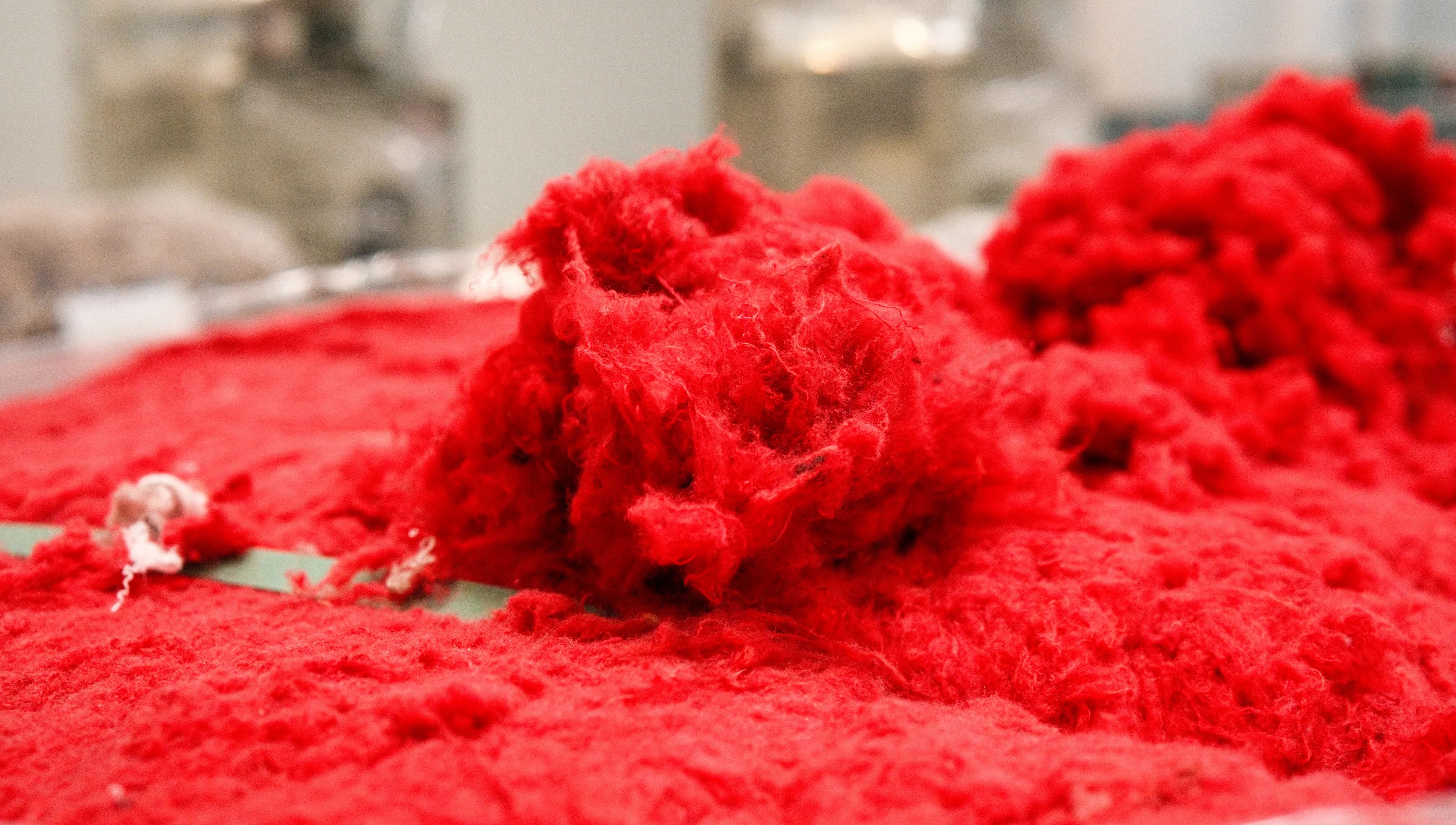
Turning old clothes into new fabric: What FAE means for Amsterdam
Fashion for Good’s Feedstock Activation Europe (FAE) is a practical project aiming to make textile-to-textile (T2T) recycling work at scale across Europe. In simple terms: FAE wants to stop perfectly usable fibres from being thrown away and instead turn post-consumer textiles — the clothes we no longer wear — into raw material for new garments.
Why this matters for Amsterdam
Amsterdam is a fashion-aware, sustainability-focused city with growing textile collection points and civic interest in circular solutions. Right now most non-rewearable clothes are downcycled (turned into low-value products) or landfilled. FAE targets that waste stream, so the fabrics collected in our neighbourhood bins, charity shops and reuse centres could become high-quality inputs for new clothing, creating local jobs, cutting waste, and reducing the need for virgin materials.
What’s stopping this now? The core problem is sorting and pre-processing. Used clothes come in all sorts of blends, colours and conditions. That makes it expensive and technically difficult to prepare consistent, clean batches that recycling technologies need. Today’s sorters can’t deliver enough material at the right price and quality for T2T recyclers.
What FAE is doing
FAE, led by Fashion for Good with partners including adidas, Bestseller and Inditex, is testing advanced pre-processing technologies and designing a business framework for regional sorting and pre-processing “hubs.” These hubs would gather, sort and prepare textiles at scale, producing purer, more uniform feedstock that recyclers can use efficiently and economically.
What could change for Amsterdam
If FAE’s model is adopted widely, Amsterdam could benefit in several ways:
- Better use of collected textiles, fewer donations ending up as waste.
- New local or regional processing hubs could create green jobs and strengthen the city’s circular economy.
- Brands and suppliers in the region would gain access to reliable recycled feedstock, helping lower environmental impact.
Who’s involved? FAE brings together industry players (brands, recyclers and technology developers), research partners and advisors across Europe. This collaboration is key to testing what works technically and commercially before scaling up. Bottom line, FAE is a practical step toward making textile recycling reliable and valuable. For Amsterdam, it’s an opportunity to turn a common urban problem — overflowing textile waste streams — into jobs, cleaner production, and more truly circular fashion.