AI, robotics, and next-generation data systems are already changing how we understand and respond to the climate crisis. Foundation models now deliver high-resolution climate forecasts in minutes. Autonomous robots monitor ecosystems where human access is impractical, from ocean floors to wildfire perimeters. Sensor networks and digital twins generate real-time environmental data at a scale that was, until recently, theoretical. But 2026 has also surfaced a tension the sector can no longer sidestep: the AI boom itself is driving a surge in energy demand, with hyperscale data centres now drawing gigawatt-level power.
Our question isn't whether these technologies can accelerate climate action, but whether they can do so without deepening the problem they're trying to solve.
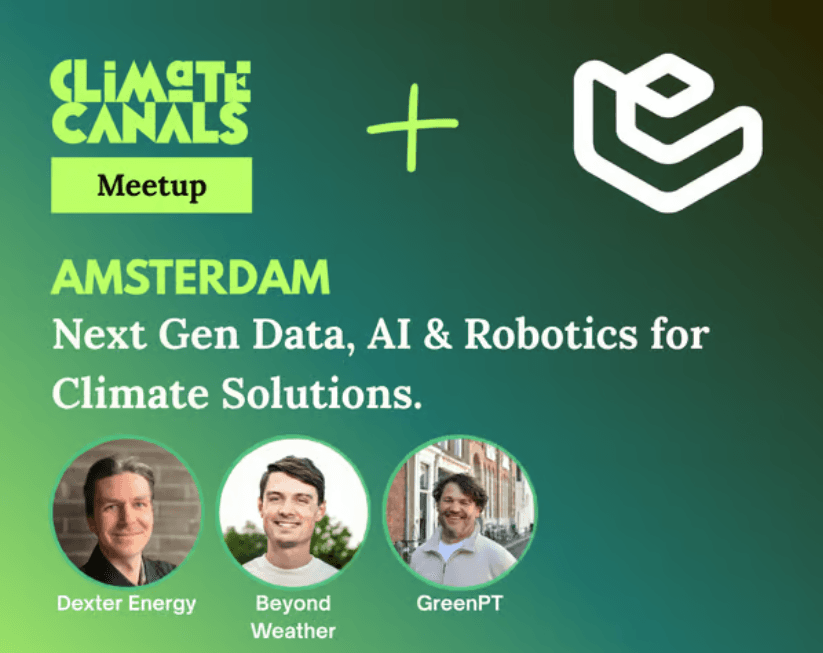
Join us at Epicenter Amsterdam for World AI Week 2026, as researchers, entrepreneurs, and investors explore where data, AI, and robotics are making a material difference. Topics include, but are not limited to:
- AI-powered climate models and foundation models delivering extreme weather prediction, scenario planning, and decision-ready forecasts at speed
- Autonomous robotics for large-scale ecological monitoring, precision agriculture, building energy retrofits, and disaster response
- Next-generation sensor networks, IoT infrastructure, and digital twins enabling real-time environmental data collection across land, water, and air
- Machine learning for grid management, renewable energy forecasting, and demand response, including the push toward next-generation storage (sodium-ion, long-duration)
- AI's own energy footprint: efficiency breakthroughs, sparse activation techniques, and the race to decouple compute from emissions
- How AI and robotics are accelerating materials discovery, critical mineral processing, and circular economy systems
- Data-driven approaches to water stress, biodiversity loss, and climate adaptation planning
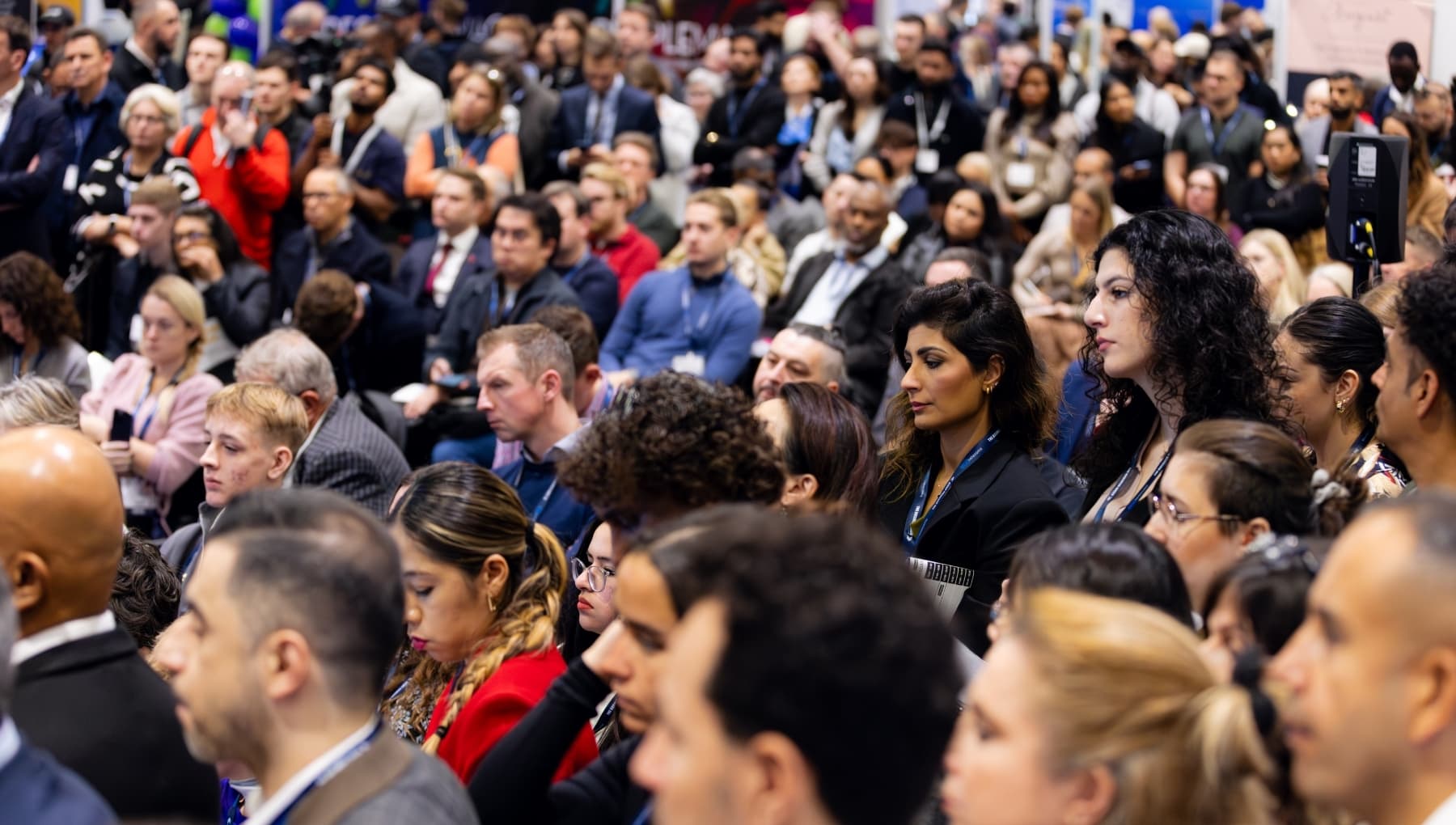
Following the presentations, stay for networking drinks and snacks to connect with fellow researchers, founders, and practitioners working at the intersection of technology and climate.
Note: event will be conducted in English