
Amsterdam’s Hydryx raises €2.5M to turn landfill methane into clean energy
New funding to turn landfill gas into renewable energy
Amsterdam-based climate tech startup Hydryx has raised €2.5 million in seed funding to scale its methane-capture technology across Europe, turning one of the most potent greenhouse gases into clean, renewable energy.
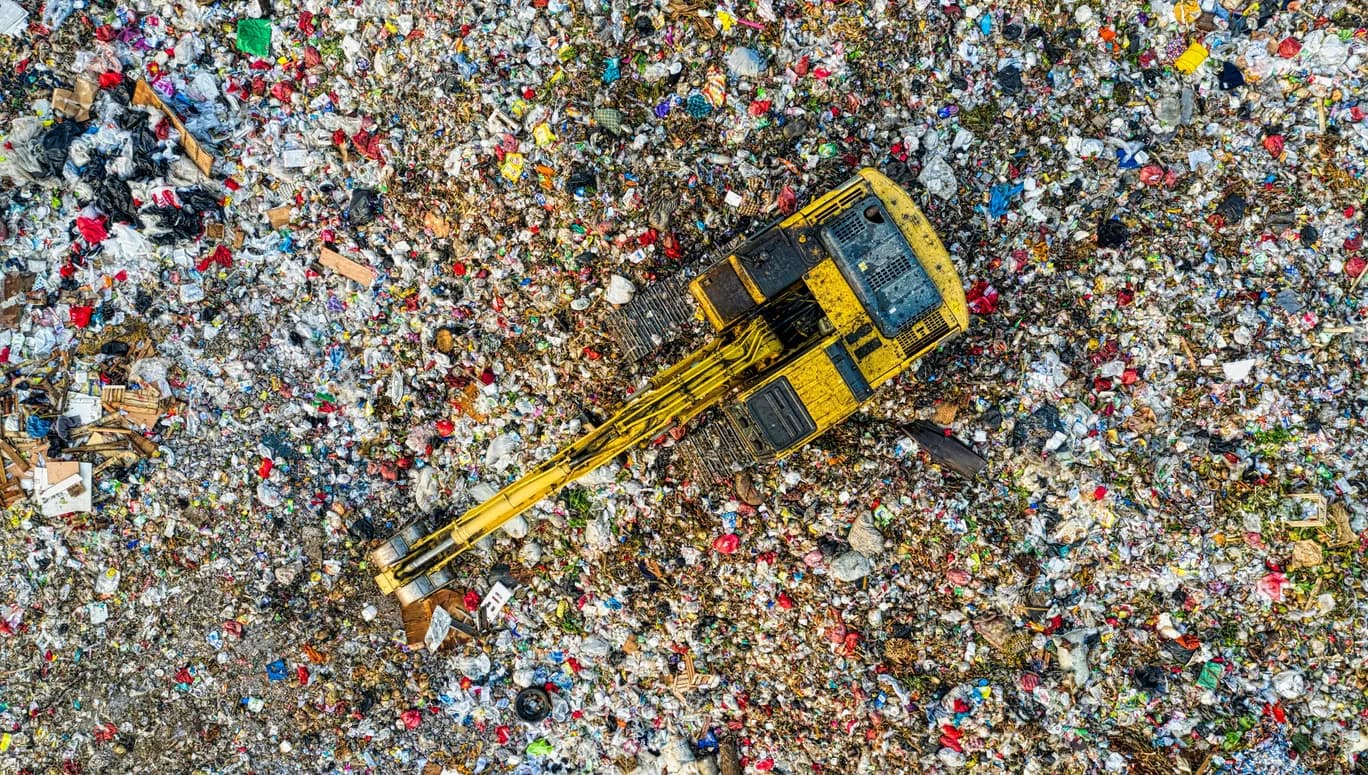
Methane emissions from landfills are 86 times more harmful than CO₂ and contribute more to global warming than the aviation and shipping sectors combined. Yet, much of this gas remains untapped, leaking into the atmosphere instead of being harnessed for energy. Hydryx aims to change that. Founded in 2023 by Jacobson and Joren Tangelder, the company is building automated methane-capture systems that turn landfill gas into green electricity, heat, or renewable natural gas.
Hydryx’s automated system offers real-time monitoring, making landfill gas capture more efficient and reducing emissions by up to 40 per cent, while boosting energy output. Following successful trials with Renewi, the company is preparing to expand across Europe, aiming to turn waste sites into profitable sources of clean energy.
Amsterdam as a hub for climate tech
Amsterdam’s climate tech scene is rapidly maturing, with startups such as Overstory, Coolset, and Skytree leading the way. Overstory utilises AI and satellite data to monitor forests and power networks. Coolset helps SMEs reduce emissions through automated carbon tracking, and Skytree develops direct air capture systems from its Science Park base.
Together with Hydryx, they show how Amsterdam is evolving into a European hub for climate innovation—where data, technology, and deep-tech engineering meet to accelerate the energy and circular transitions.