#FoundersFridays: Meet Laura Di Santolo of Forward Inc.
6 June 2025
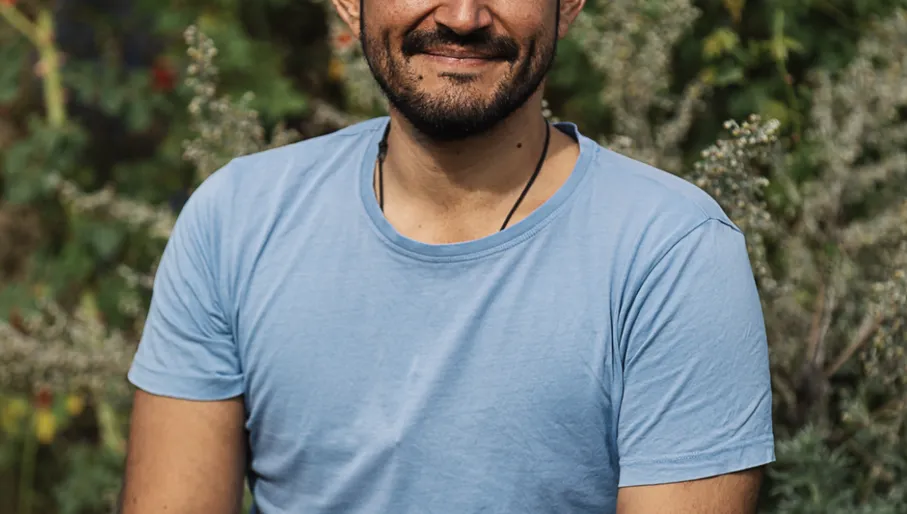
Dig a little deeper into the humble broad bean and you'll uncover facts that seem almost magical. Beans are a natural alternative to synthetic fertiliser: they draw nitrogen from the air and return it to the soil. The broad bean is a plant-based source of protein that boosts biodiversity. In this edition of Founders Fridays, we speak with Andres Jara, founder of Favamole, a spread made from fava beans. After a fire at the Kitchen Republic building where Favamole was based, the team had to reinvent themselves. We dive into Jara's entrepreneurial journey, the power of regeneration, and how a humble bean can help shape a more sustainable future.
I'm a chef, and I love feeding people. I was a greengrocer for almost a decade. I had the idea to work with fava beans a long time ago, but never acted on it. Then, about two years ago, the beans reminded me. It was one of the wettest seasons on record, and they grew incredibly well. From that moment, the idea was no longer something I could ignore. And as it turned out, the Netherlands had something to say about that too. This country is full of opportunities. I came across a post on LinkedIn about a grant, where someone tagged me. I applied, got it, and that gave me the resources to kick-start the company.
I translate what I learnt from farming into how I build this company. I see it as a young apple tree. In the first year, you don't get any apples. Maybe in three years, you'll get your first one. But if you nurture the tree, in ten years you won't know what to do with all the apples. Most entrepreneurs today want to make as much money as possible, as quickly as possible. But that's like trying to grow a tree without roots.
We found a piece of land on the outskirts of Amsterdam that we could lease. In a way, Amsterdam chose us. I've moved seven times, but this city always had a place for me.
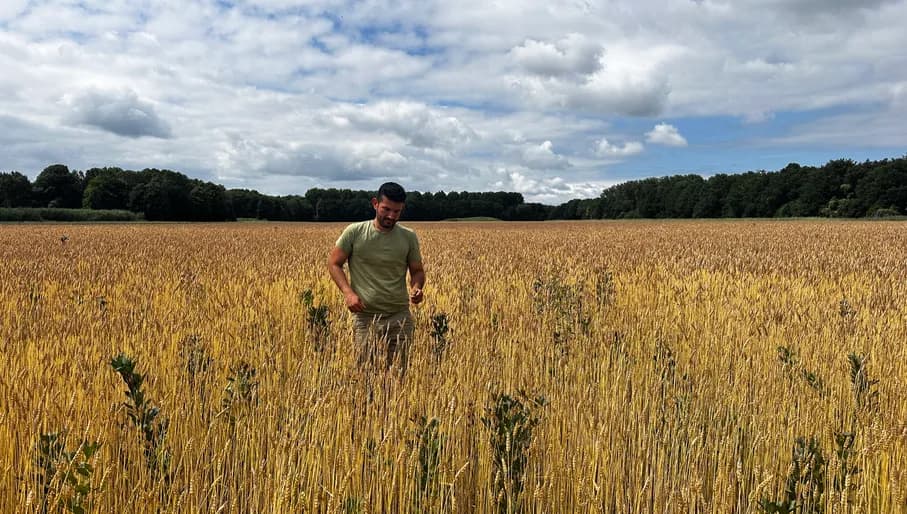
Amsterdam is a unique city. There's a lot of passion here, many like-minded people, and an ecosystem that's very open to collaboration. It's small but worldly, and you can get everywhere by bike. How cool is that?
There are two parts within the Kitchen Republic community: the start-up building, which is still standing, and the scale-up building, which is the one that caught fire. We had only just moved there last November. We went from panic to grounding. We lost our office and all of our equipment, but we have a strong support network. Through our contacts, we've already found a temporary office space. I see this fire as an opportunity. I believe things happen for a reason. This is a moment to reinvent ourselves. We've been at Kitchen Republic for five years, and now life is telling us to step out of our comfort zone. You don't grow in a comfort zone. Time to spread our wings.
I'm from Colombia and have lived in Europe for 15 years. Moving is part of my journey. When I start to feel comfortable, life pulls me forward again. At the same time, the Netherlands and Amsterdam have allowed me to put down roots here. I noticed how people consume food here. It's something we do three or four times a day, but people grab a quick cheese sandwich and move on. I saw a challenge there, and an opportunity: to bring back the joy of food in a very efficient city. There's a disconnection from the body.
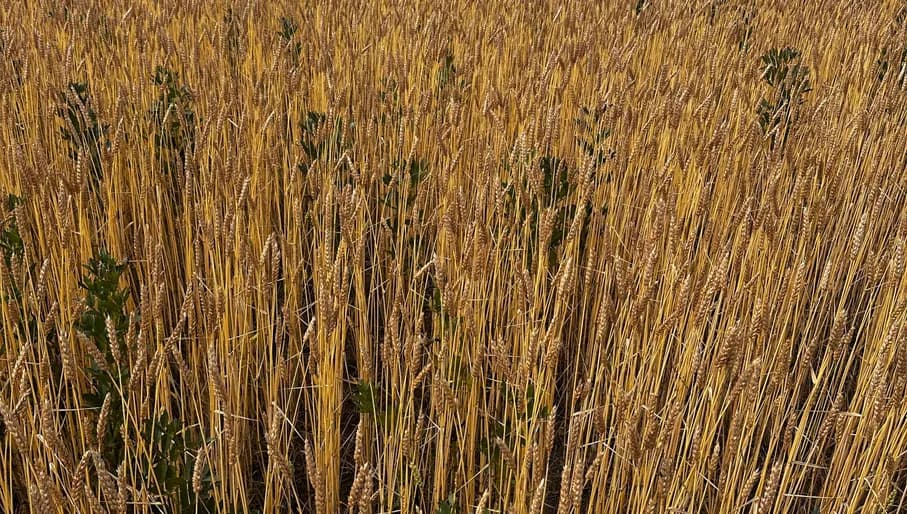
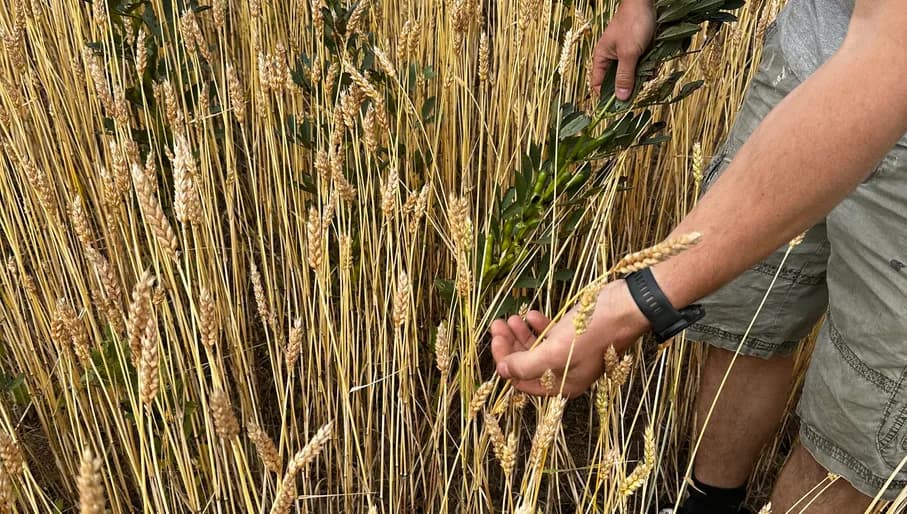
We've been distracted from the soil. Then we moved into sustaining what we have. The next level is regeneration — leaving the place better than we found it. We're building a supply chain rooted in that idea. But it starts with yourself, by being connected to your body. It's like on an aeroplane: you put on your own oxygen mask before helping others. Being regenerative starts with taking care of yourself.
Our crop doesn't need fertiliser — it is the fertiliser. Beans fix nitrogen from the air and enrich the soil. Chemical fertiliser is like a drug. It makes the soil dependent and leads to depletion. Beans are a natural fertiliser. Farmers have always used them that way, but they're hesitant because of the lack of a proper market. The beans are often sold as animal feed, resulting in financial loss for farmers. That's where we come in. We create economic value by buying the beans from farmers at a fair price. Beans are healthy for people and for the soil that grows them.
Our story can be complex, so we're learning how to break it down and tell it in a way that resonates. Even the name can be confusing. "Fava" refers to the bean itself, and "mole" to a type of sauce or spread. We're positioning it as its own category rather than something derived from guacamole. I'm not from here, but fava beans are deeply connected to this land. They used to be a staple crop. Over time, that changed — for livestock became more important, and beans disappeared into the background. That's a real missed opportunity.
We've been on the market for 13 months, mainly business to business, and it's going well. The next step is reaching consumers — people are asking for it. We're in talks with supermarket chains, and within six months, we expect to be on the shelves. Favamole is a European brand. We want to support farmers across the continent. By enjoying the product, you contribute to a better agricultural system.
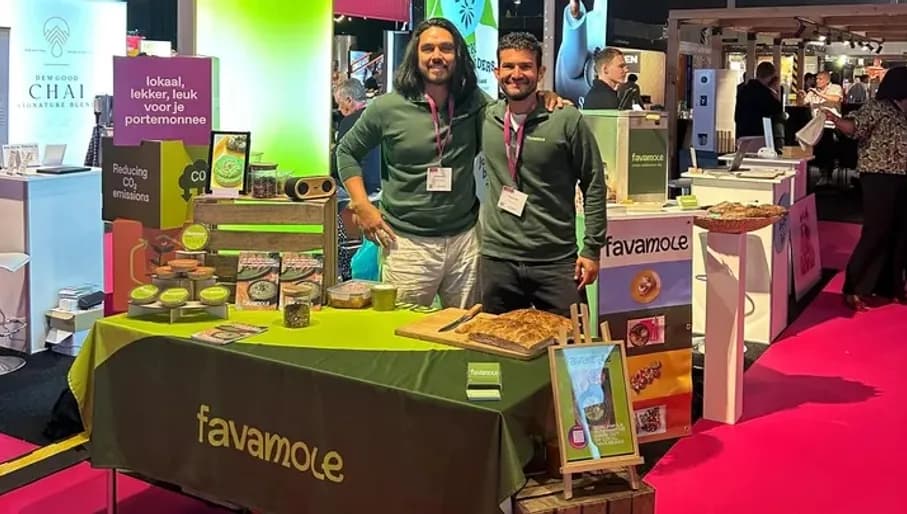
I grew up believing that if you work hard, you'll get what you want. I had to unlearn that — it was someone else's belief system.More important than working hard is working smart. I start every day with some movement. Then I work, and two or three times a day I stop to go for a walk. Your brain needs those micro-breaks. People think entrepreneurs should work 15 hours a day. But that's like running an engine with no fuel. Exhaustion doesn't work. Regeneration starts with yourself.
Just start. Don't wait for the perfect plan. Build the plane while you're flying it.
The major fire that broke out on Nieuwe Hemweg in Amsterdam-Westpoort has had a significant impact on many players within Amsterdam's food ecosystem. A number of organisations and start-ups our team works closely with have been affected. Foodtech community Kitchen Republic, start-ups Favamole®, Goodoo | Certified B Corp and MAX&BIEN | Plantbased Creamery, caterers The Food Line-up, Vagus Culinary Studio and Stewart & Sally Catering, bakeries LÄCKER and Salvo, and restaurant La Spaghettata — all have sadly been caught up in the disaster. For many of these entrepreneurs, the reality is stark: every day without production is a day without income.
The ecosystem has already rallied together to help in a number of ways. Share how you can help directly via this Google Sheet set up by Andres Jara, get in touch with Nicky Buizer who is coordinating support on behalf of the City of Amsterdam, or support Favamole via the GoFundMe that has been set up: https://www.gofundme.com/f/from-fire-to-regeneration-support-favamole.
More about #FoundersFridays
#FoundersFridays is an interview series about founders, by founders. Each edition features a founder sharing key lessons, milestones, challenges and reflections — with a particular focus on Amsterdam's role in the Dutch innovation and impact ecosystem.
If you're a founder based in Amsterdam, working on an innovative solution to an urban or social challenge, and you'd like to share your story with our audience, please get in touch with Anne Dirks by email.